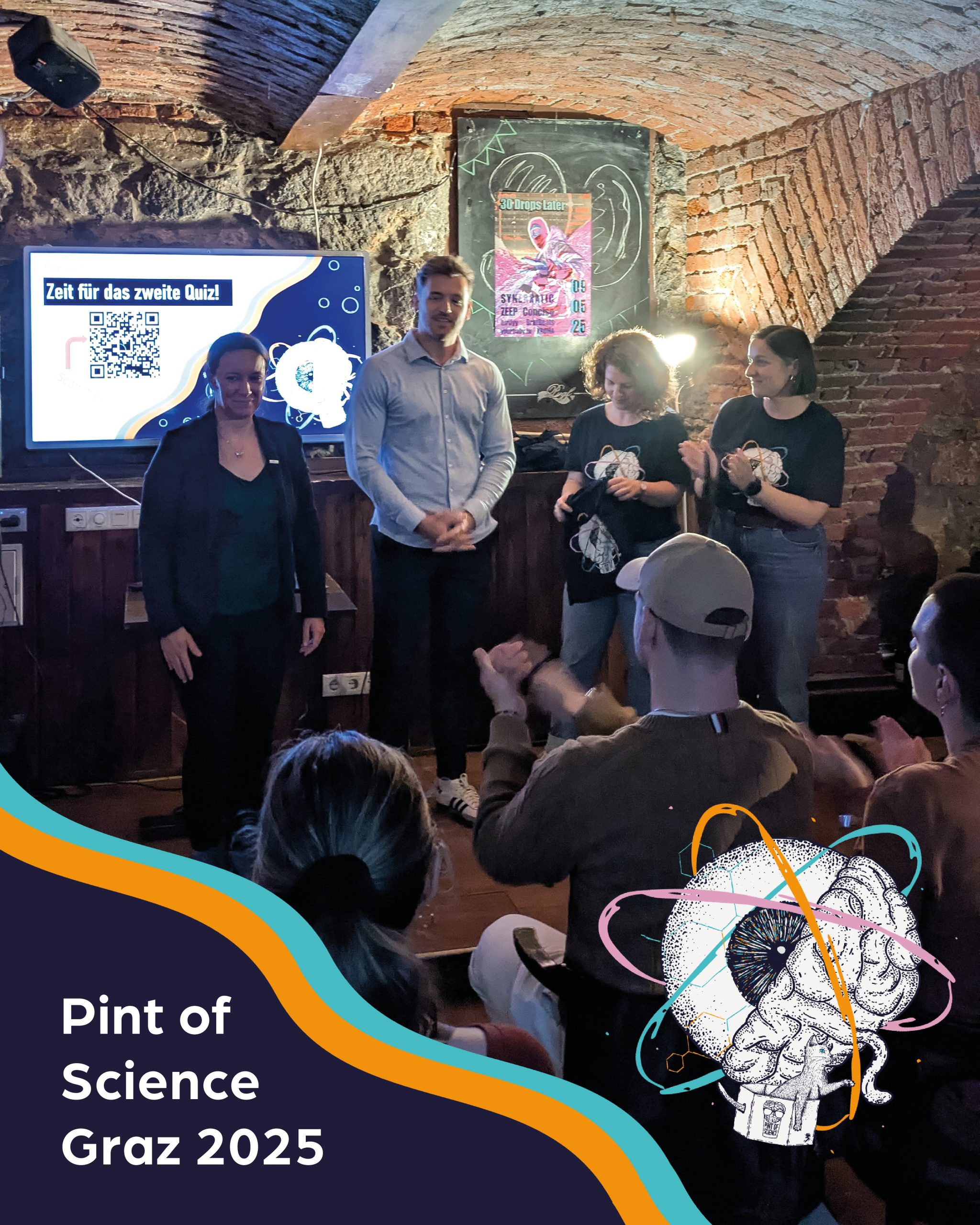
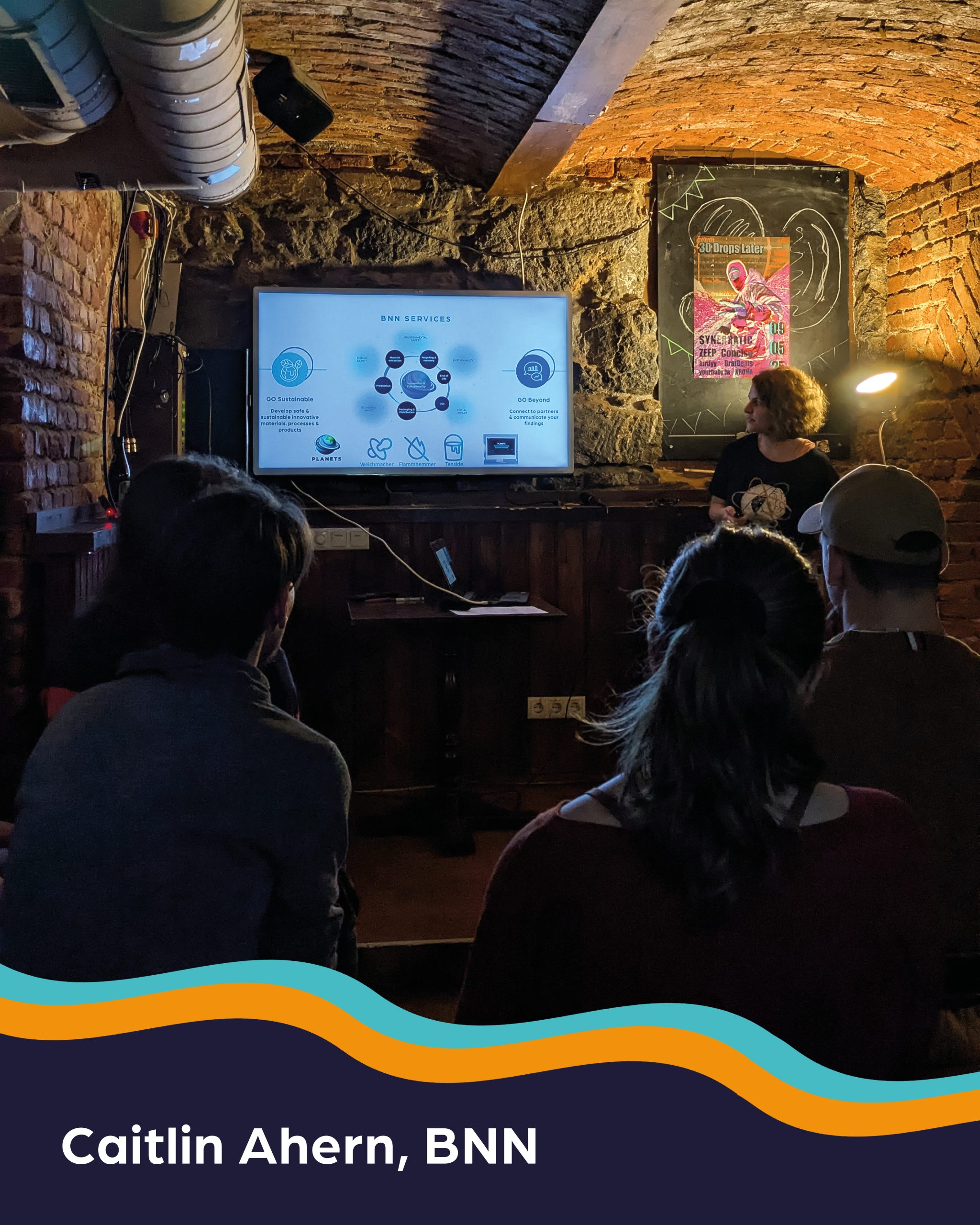
Kicking off the Collab4Resilience (C4R) initiative
Early April 2025, on 08.04.2025, kicked off the new Collab4Resilience (C4R) iniciative, as a joining effort of the EU-funded projects in advanced materials and nanoscience.
On 20 March 2025 took place an internal training for PLANETS WP4 partners on Safe-and-Sustainable-by-Design (SSbD) and Tier 1 assessments, aligned with a Flame Retardant (FR) case study Workshop, in the headquarters of Steinbacher in Erpfendorf (Austria) in hybrid mode.
The aim of the training was to align the knowledge of project partners in the theory and purpose of SSbD Tier 1 assessment, its application as well as discuss about potential further adaptations needed in the SSbD workflow for the project’s case studies. On the basis of the jointly performed Tier 1 assessments onsite gap analyses were conducted and potential further adaptations prioritized for sector- or value chain position-specific requirements.
The session was prepared by Neeraj Shandilya and Thomas Hennequin (TNO), with the support of Joséphine Steck (CEA), Martin Himly, Sabine Hofer, Norbert Hofstätter (PLUS).
Building on the insights from this internal training, PLANETS has developed external training materials for conducting SSbD Tier 1 assessment following the PLANETS SSbD Workflow. These materials include:
All training materials are available in the PLANETS community on Zenodo under the Creative Commons Attribution 4.0 International licence, allowing for redistribution and reuse with proper credit to the creators. You can access them here.
Additionally, all recorded sessions can be viewed on the PLANETS YouTube channel.
After the six first months of active collaboration, PLANETS partners met on 8-9 April 2025 for the General Assembly at M6, in the historic and beautiful city of Gdansk (Poland) with a hybrid format allowing both in-person and virtual participation.
All project partners presented the progress made in the different work packages during the last months, reflecting on key developments, and engaging in lively discussions on how to move forward in the next six months of the project.
In addition, internal training activities took place on the first day to deepen partner knowledge and strengthen the internal collaboration:
Special thanks to our colleagues from QSAR Lab for hosting a fantastic meeting and welcoming partners with exceptional hospitality, bringing us the Polish culture and food closer to all of us!
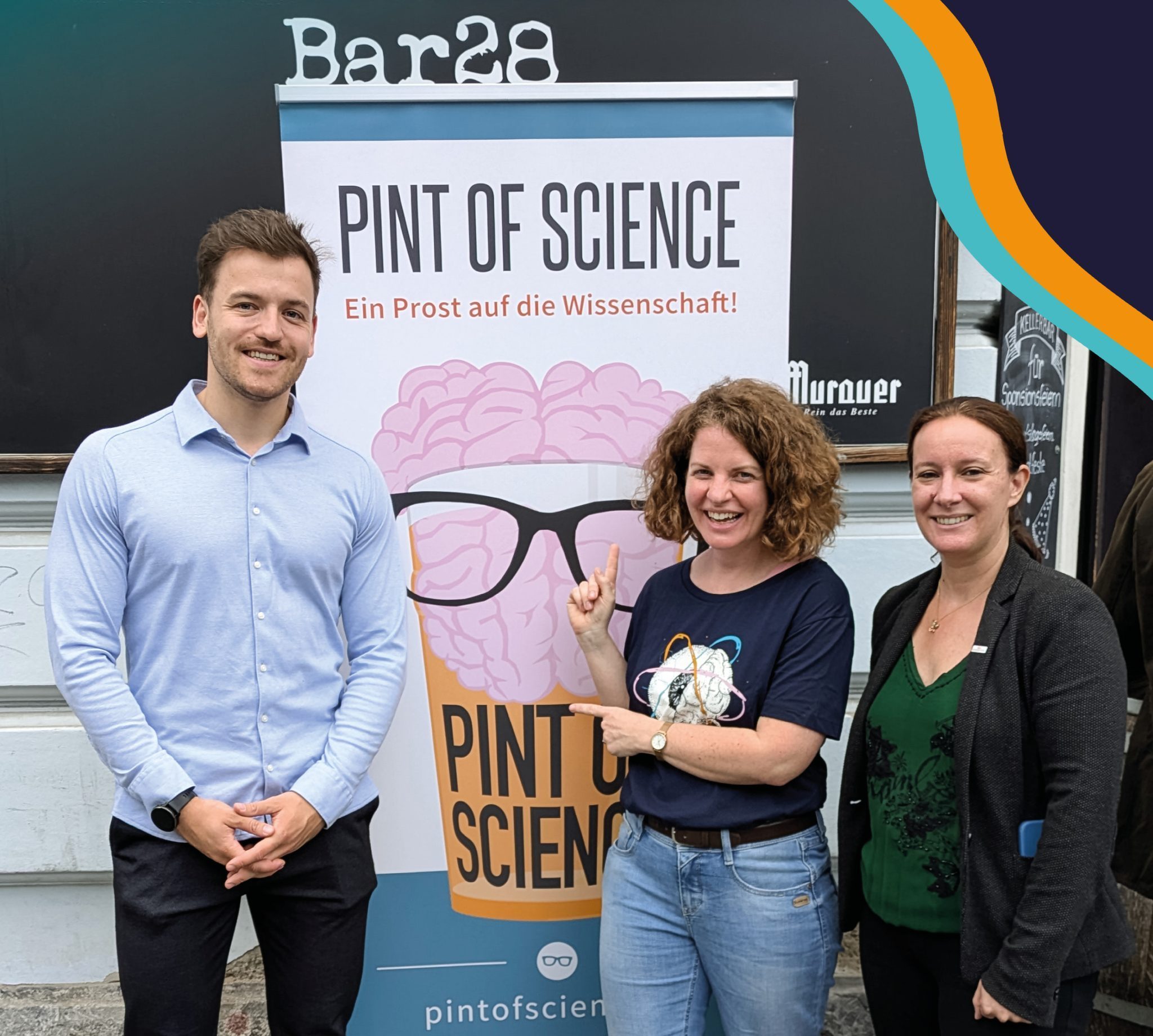
Some impressions from the meeting:
In the project PLANETS, the Flame Retardants Case Study focuses on the development of safer and more sustainable alternatives for flame retardants used in thermoplastics made from polystyrene and thermoset foams derived from polyurethane.
To produce expanded polystyrene (EPS) materials, solid beads of polystyrene are used. These beads contain not only polystyrene but also additives required for the final product, such as dyes (coloring agents), nucleating agents, and flame retardants. During EPS production, the solid beads undergo a significant increase in volume due to the effect of a blowing agent and gentle heating. In contrast, polyurethane (PU) foam insulation does not require a heating process. PU foams form spontaneously when monomers, which already contain all necessary additives, are mixed together. This chemical process can be likened to baking a soufflé—only instead of eggs, sugar, and flour, a chemist “chef” uses various chemical ingredients. Just as a soufflé recipe must be carefully followed to achieve optimal results, the successful creation of polymeric foams relies on precise ingredient ratios, exact formulations and well-chosen process parameters. Alterations to an optimized recipe—for instance, changing the flame retardant—may adversely affect the final quality and performance of the foam. But don’t panic, unlike a soufflé, our insulating foams do not collapse.
For this reason, PLANETS chemists met with engineers and SSbD experts on 19-20 March 2025 during a two-day workshop held at Steinbacher Dämmstoffe, in their headquarters in Erpfendorf in Tyrol (Austria). The timing of this workshop coincided with the upcoming launch of an important task within the flame retardant case study: Material and Foam Development. This task, led by Fraunhofer ICT, will involve optimizing formulations for EPS beads as well as PU mixtures, later tested by Steinbacher Dämmstoffe in large scale productions.
On the first day, Benedikt Bitzer (Fraunhofer ICT) introduced partners to technical aspects and challenges associated with the foam production processes and discussed essential material property requirements. Additionally, partners responsible for flame retardant development provided updates on their technical progress. On the second day, Thomas Hennequin from TNO conducted a dedicated SSbD session to familiarise industrial partners with proposition for a PLANETS SSbD workflow and collect their suggestions for improvements so it can best fit their innovation practices.
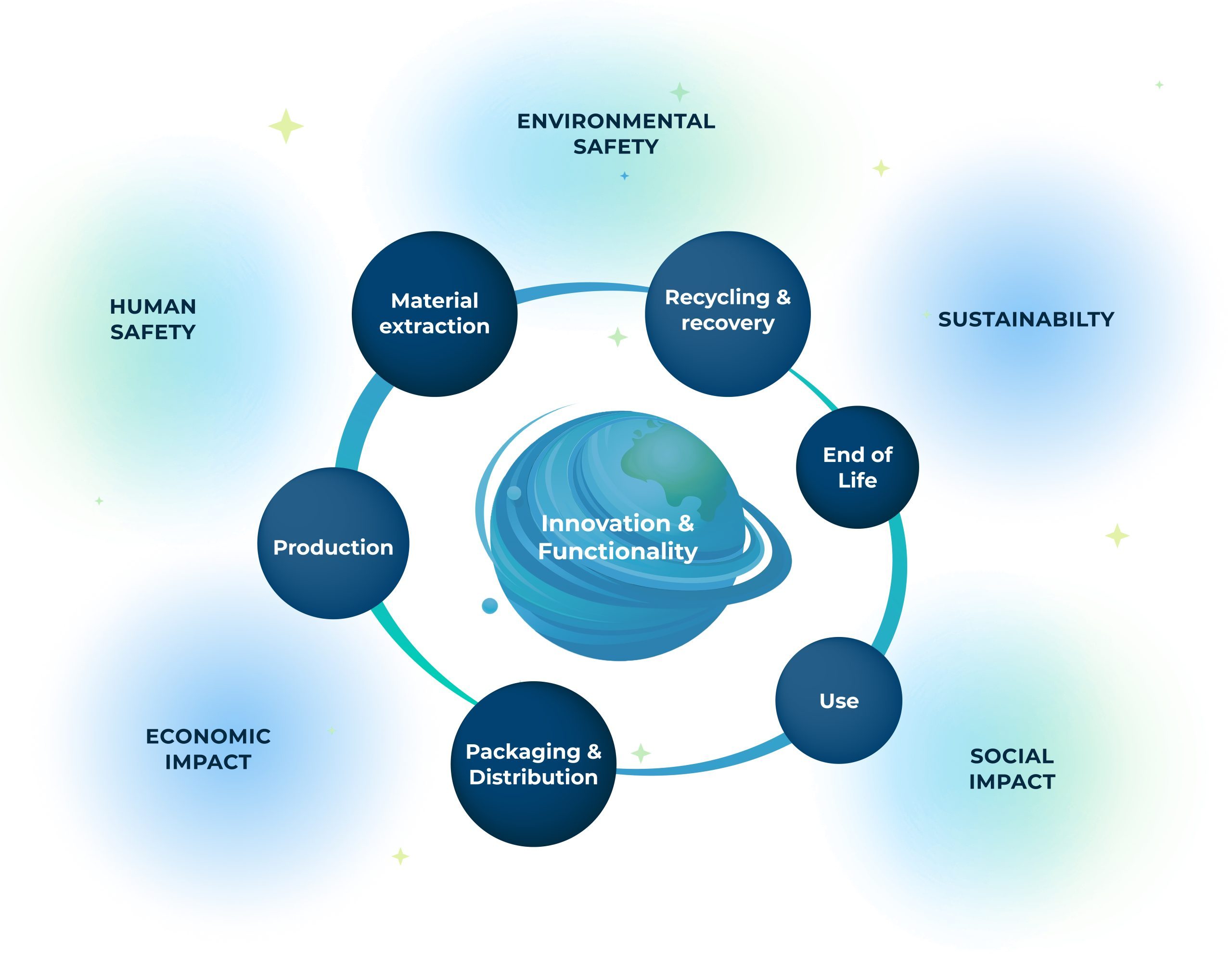
At first glance, applying SSbD criteria to select the safest and most sustainable flame retardant from a pool of alternatives, already in an early development phase, seems logical. But what if the chosen flame retardant adversely affects foam formation? Such a situation could potentially render a lengthy and expensive SSbD evaluation obsolete. Conversely, prioritizing technical performance alone carries risk, as the safety and sustainability of a new flame retardant could unintentionally become worse than current benchmark substances—a regrettable substitution scenario. PLANETS is fully aware of these pitfalls and proactively addresses them by placing functional performance at the core of its SSbD approach, ensuring the flame retardants developed are suitable along the entire value chain, from upstream chemical design to downstream application. Indeed, applying SSbD criteria as early as possible serves the best interests of innovators and companies alike, preventing costly setbacks and potential market failures.
When aiming for a safer planet, a common understanding of methodologies and evaluation criteria among stakeholders is crucial for success. This is exactly why PLANETS partners Fraunhofer ICT, TNO, BASF, PLUS, Budenheim, GreenChemicals, RINA, QSAR Lab, BNN and CEA gathered online and on-site at Steinbacher during sunny spring days in the Austrian alpine town of Erpfendorf.
On 5 March 2025, PLANETS consortium organised their first internal online training session on PLANETS’ Safe and Sustainable by Design (SSbD) workflow, with a primary focus on scoping. The training aimed to harmonize the consortium’s understanding of SSbD, particularly among innovators and industrial partners who are not directly involved in the project.
The session was moderated by Martin Himly (PLUS), who leads the training work package within PLANETS. He introduced the session, outlining the objectives and structure of the training. Carla Caldeira (SYENSQO) then provided an insightful explanation of the policy background and fundamental principles of SSbD. Following this, Sabine Hofer and Norbert Hofstätter (PLUS) elaborated on the key actions involved in the scoping process. Joséphine Steck (CEA), the project coordinator, presented the PLANETS SSbD workflow in detail. To enhance practical understanding, a case study on plasticizers in seals (gaskets) was introduced by Martin Himly, serving as the foundation for the hands-on scoping exercise. Participants were divided into breakout groups to practice scoping actions, reinforcing the theoretical knowledge gained during the session.
Building on the insights from this internal training, PLANETS has developed external training materials to facilitate SSbD scoping following the PLANETS SSbD workflow. These materials include:
All training materials are available in the PLANETS community on Zenodo under the Creative Commons Attribution 4.0 International licence, allowing for redistribution and reuse with proper credit to the creators. You can access them here.
Additionally, all recorded sessions can be viewed on the PLANETS YouTube channel.
A special thanks to Joséphine Steck (CEA), Carla Caldeira (SQO), Beatriz Alfaro (BNN), Norbert Hofstätter, Sabine Hofer, and Martin Himly (PLUS) for their valuable contributions to making this training a success!
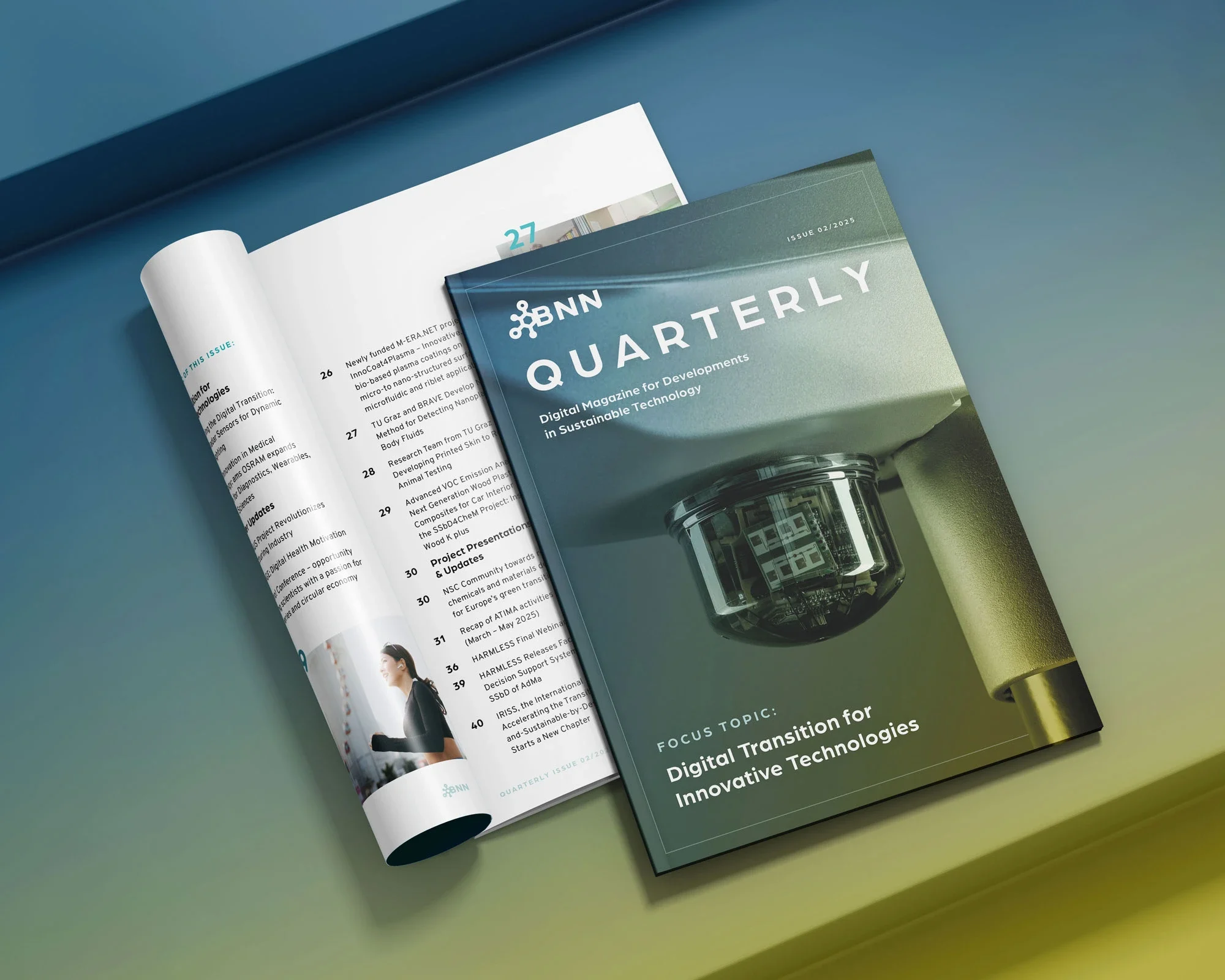
The HARMLESS project was included in the latest BNN QUARTERLY 01/2025 entitled “Collaborate to innovate: Success Stories from Scientific Cooperation” with one article about the PLANETS website launch (page 57).
PLANETS is a project recognized by the Network for Safety and sustainability of Chemicals and materials (NSC, formerly “EU NanoSafety Cluster”). The NSC brings together over 2000 experts from 30+ countries focusing on safety and sustainability of chemicals and materials!
Read the latest NSC Update (which mentions PLANETS) and follow NSC Community on LinkedIn to be updated on relevant activities.
The launch of PLANETS was also featured in the December 2024 issue of the BNN QUARTERLY: Digital Magazine for Developments in Sustainable Technology. Read on to find out more about what is happening in the areas of SSbD and innovative and advanced materials!
On 5 December 2024, PLANETS was represented in Brussels by Simon Clavaguera of CEA at the 5th Stakeholder workshop on “Safe and sustainable by design”, held by the Joint Research Center.
PLANETS partners Wouter Fransman of TNO and Wendel Wohlleben of BASF were also present, while other partners attended online.
The main focus of the workshop was on the outcomes of the second reporting period of the SSbD framework, the lessons learnt and the ways forward before the revision of the framework in 2025.
Members of the scientific community from 18 partner organizations met at Minatec in Grenoble from 26-27 November 2024 to launch the Horizon Europe project PLANETS.
PLANETS stands for “Plasticizers, fLame-retardants and surfactANts: new alternatives validating the safE and susTainable by deSign approach” and is funded under the Topic HORIZON-CL4-2024-RESILIENCE-01-24.
The consortium will receive 14.5 million Euros from the European Union’s research and innovation programme to demonstrate the applicability of the SSbD Draft Framework published by the JRC while technically developing alternatives for 3 of the most important classes of molecules in chemical industries: plasticizers, flame retardants and surfactants.
The new molecules and products developed by PLANETS will be significantly safer to workers and consumers and will have considerably lower environmental impact, while ensuring economic viability and social awareness.
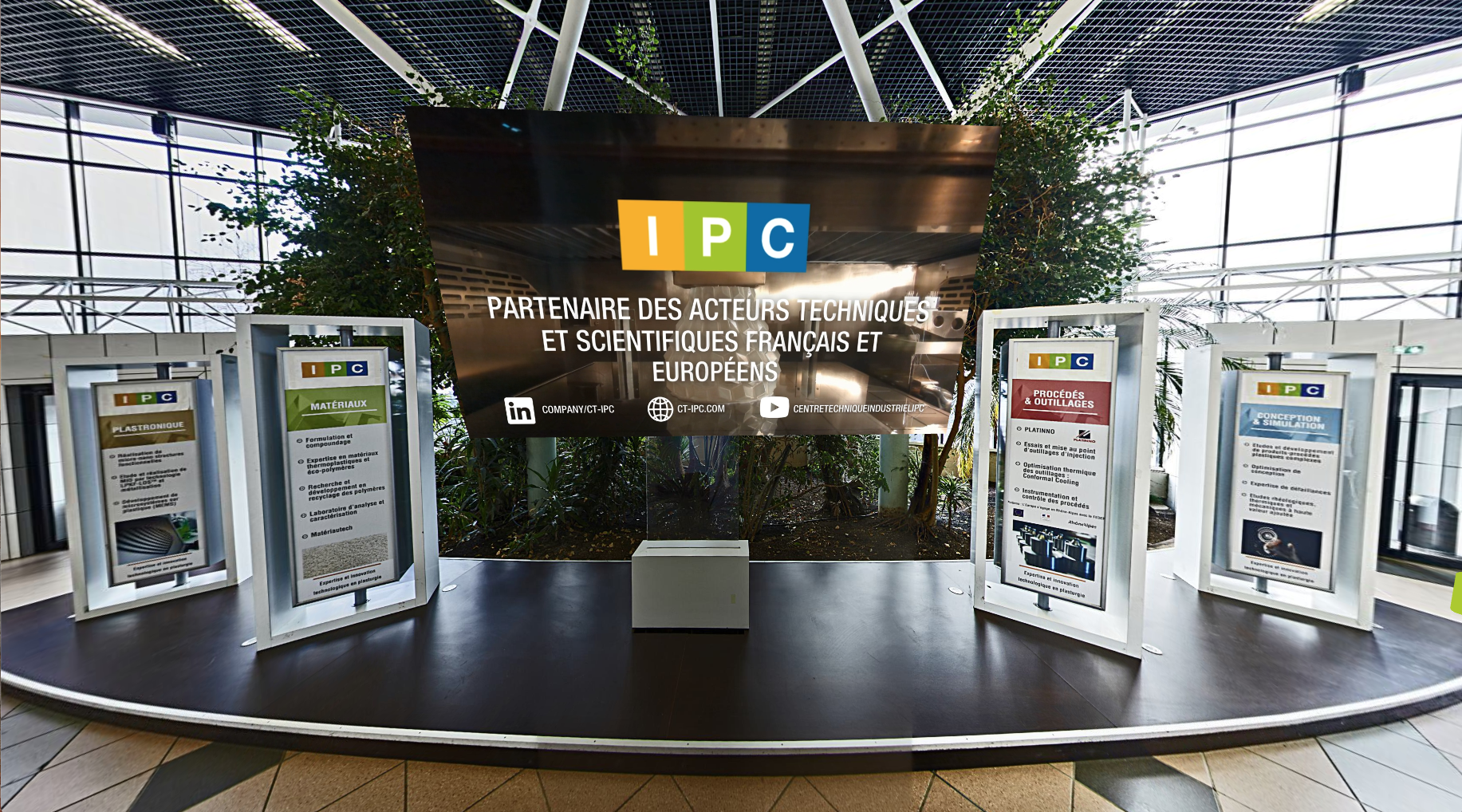
This ambitious project, coordinated by Commissariat a l’Energie Atomique et aux Energies Alternatives (CEA), which hosted the Kick-Off Meeting, brings together 18 complementary partners from 7 countries, including 7 large industry partners (BASF, Chemische Fabrik Budenheim KG, ELKEM Silicones, Greenchemicals Srl, Steinbacher Dämmstoff GmbH, SYENSQO, Wacker Chemie AG), 3 SMEs (RINA Consulting, STERNA, QSAR Lab), 5 RTOs (AIMEN Technology Center, CEA, TNO, IPC, Fraunhofer ICT) and 3 non-profit research organizations (BioNanoNet Forschungsgesellschaft mbH, Paris Lodron University of Salzburg, Radboud University). These partners bring the expertise required for the entire project development, including:
PLANETS aims to significantly contribute to paving the way for the adoption of the SSbD framework while proposing a roadmap towards industrialisation and market uptake of the alternative solutions.
You are currently viewing a placeholder content from Vimeo. To access the actual content, click the button below. Please note that doing so will share data with third-party providers.
More InformationYou are currently viewing a placeholder content from YouTube. To access the actual content, click the button below. Please note that doing so will share data with third-party providers.
More InformationYou need to load content from reCAPTCHA to submit the form. Please note that doing so will share data with third-party providers.
More InformationYou are currently viewing a placeholder content from Facebook. To access the actual content, click the button below. Please note that doing so will share data with third-party providers.
More InformationYou are currently viewing a placeholder content from Instagram. To access the actual content, click the button below. Please note that doing so will share data with third-party providers.
More InformationYou are currently viewing a placeholder content from X. To access the actual content, click the button below. Please note that doing so will share data with third-party providers.
More Information