
Category: News
September 16, 2026
PLANETS @ BPP2026 (6-9.09.2026, Bled, Slovenia)
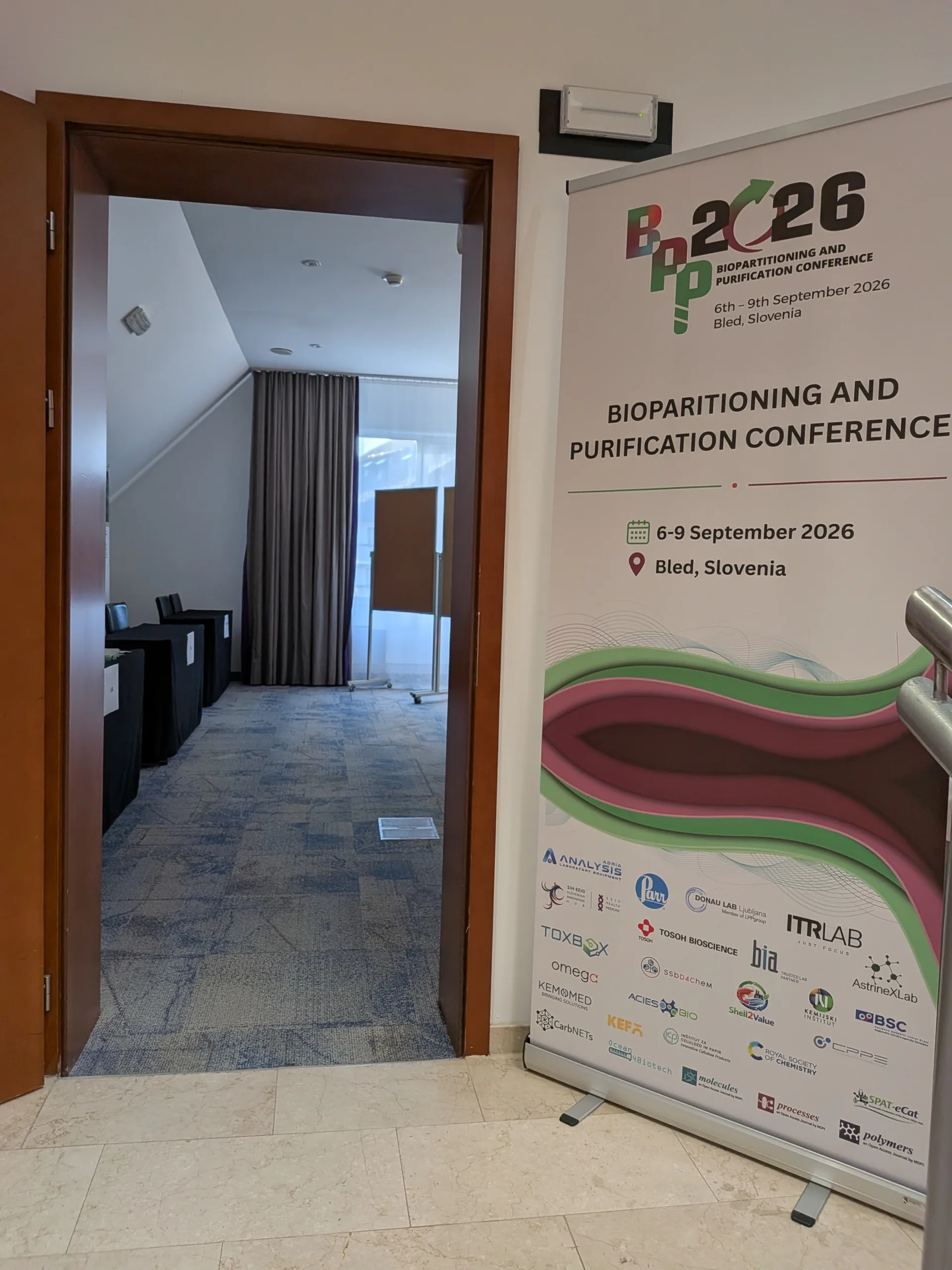
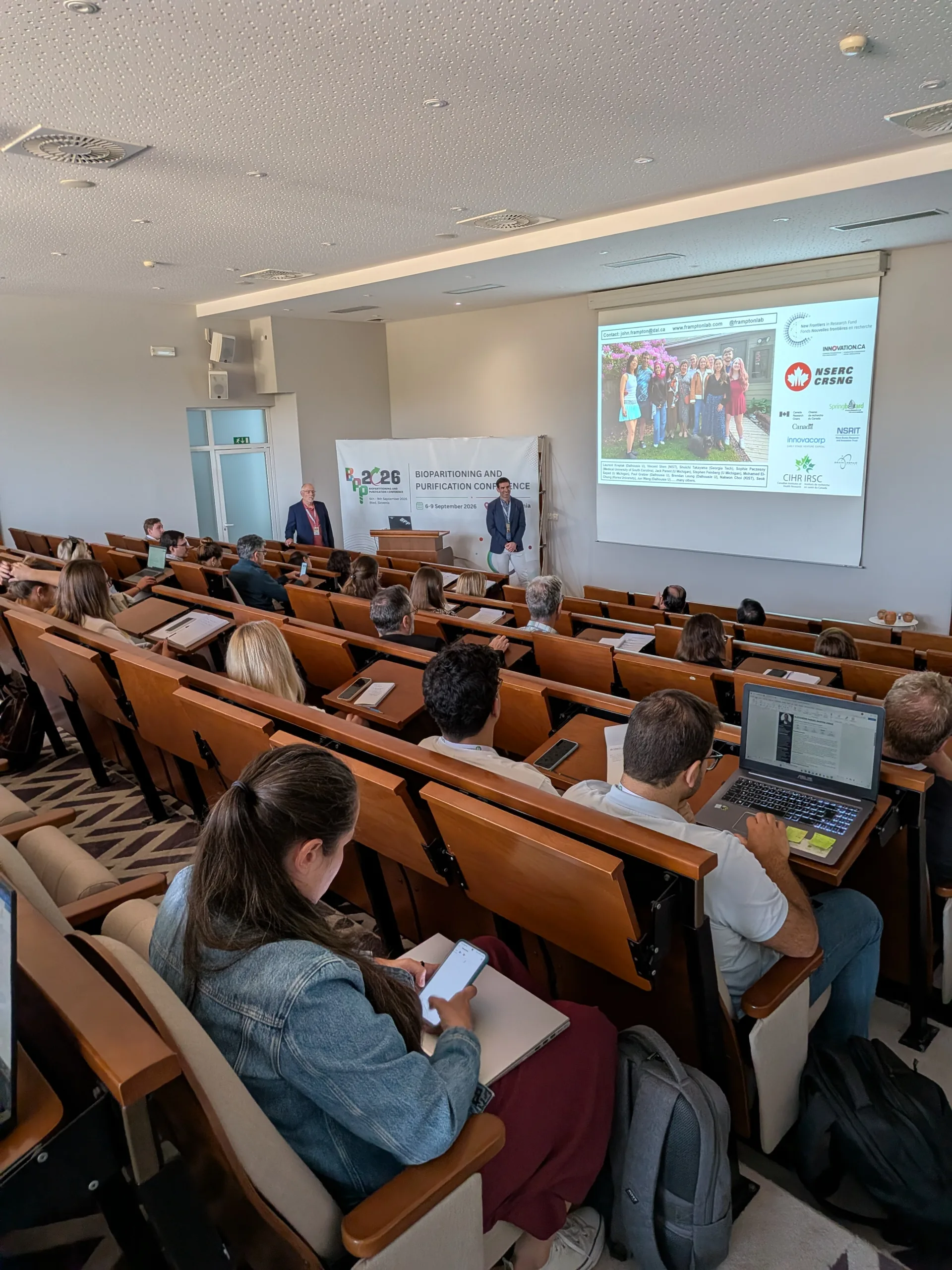
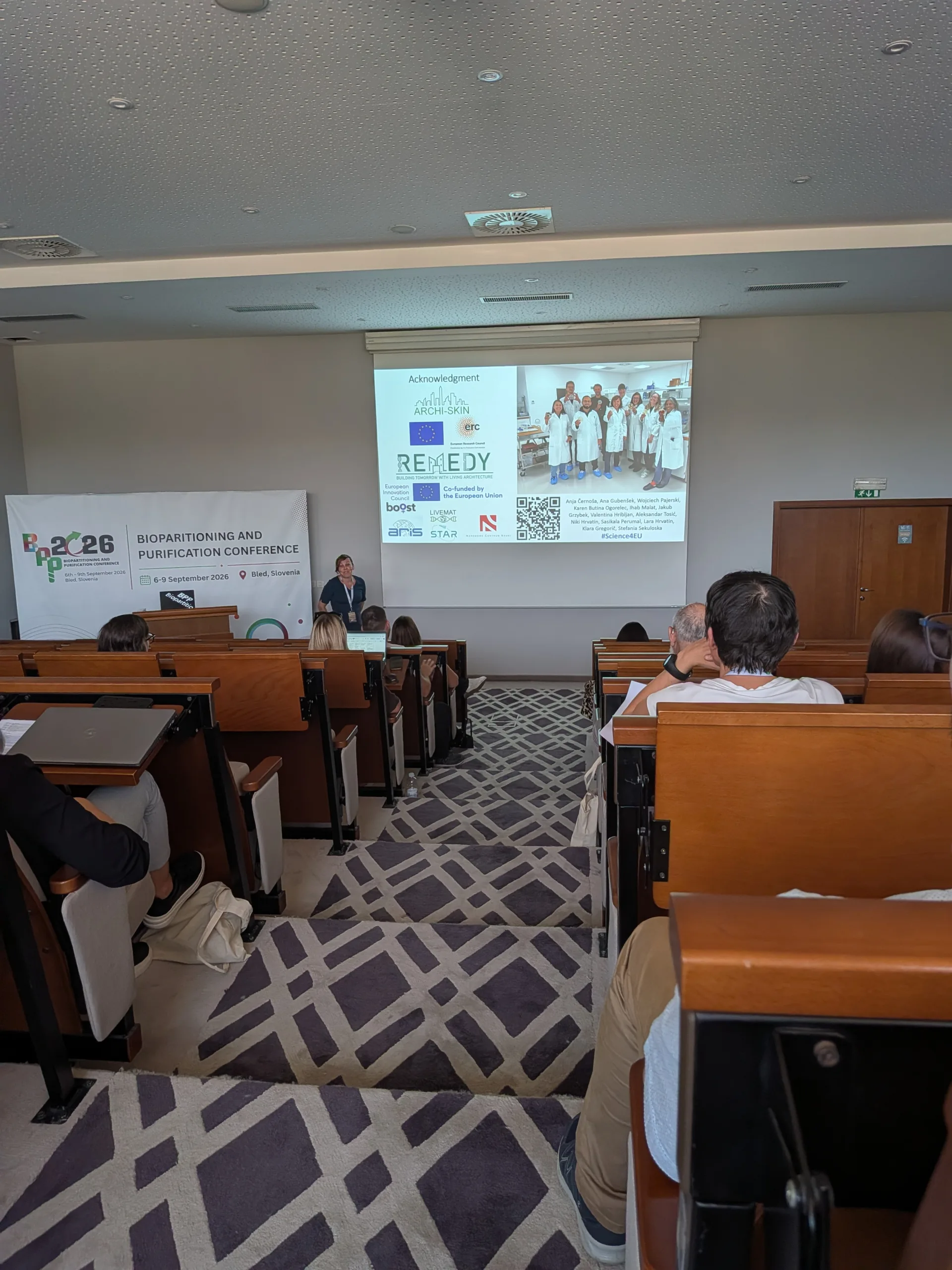
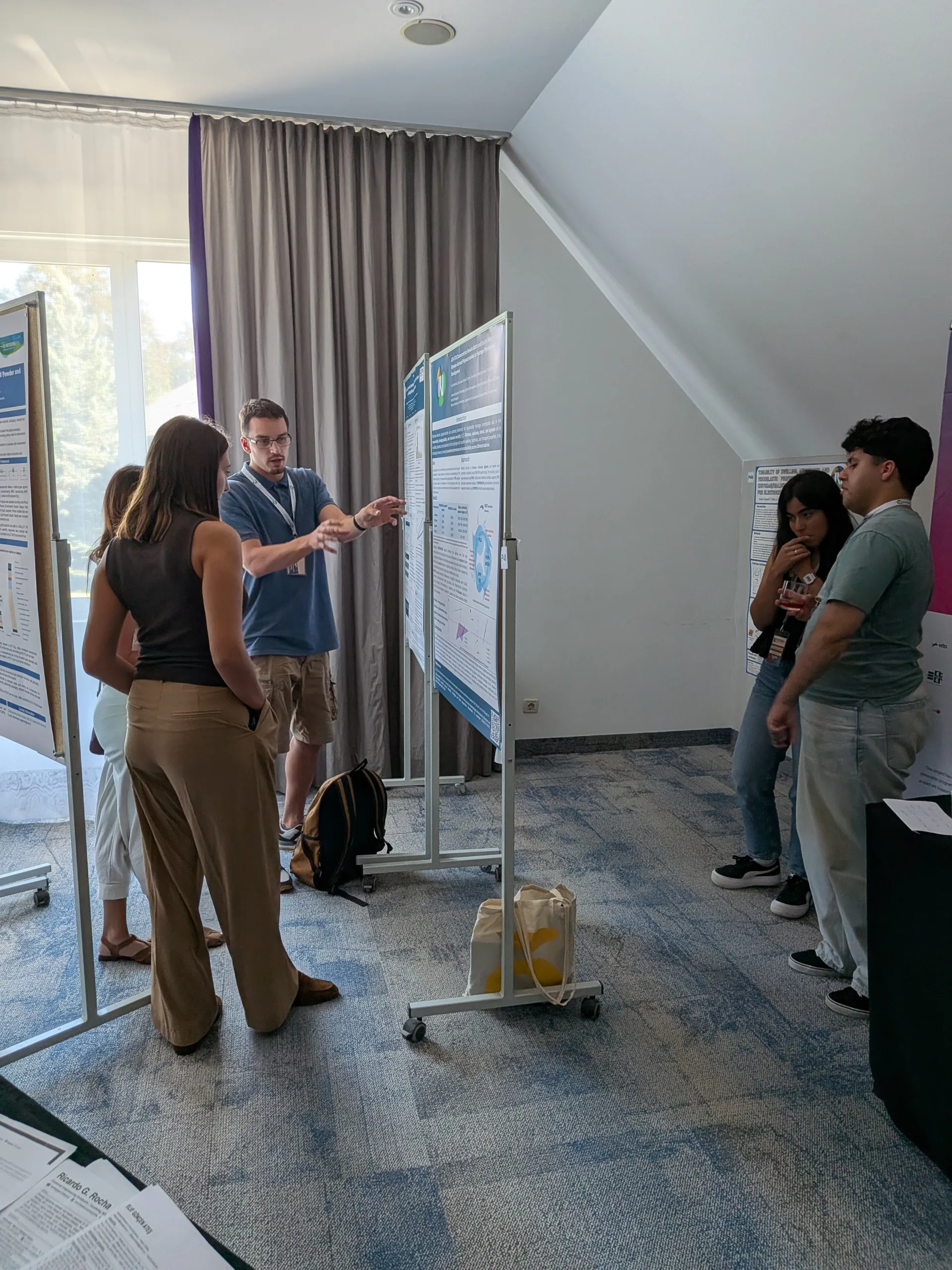
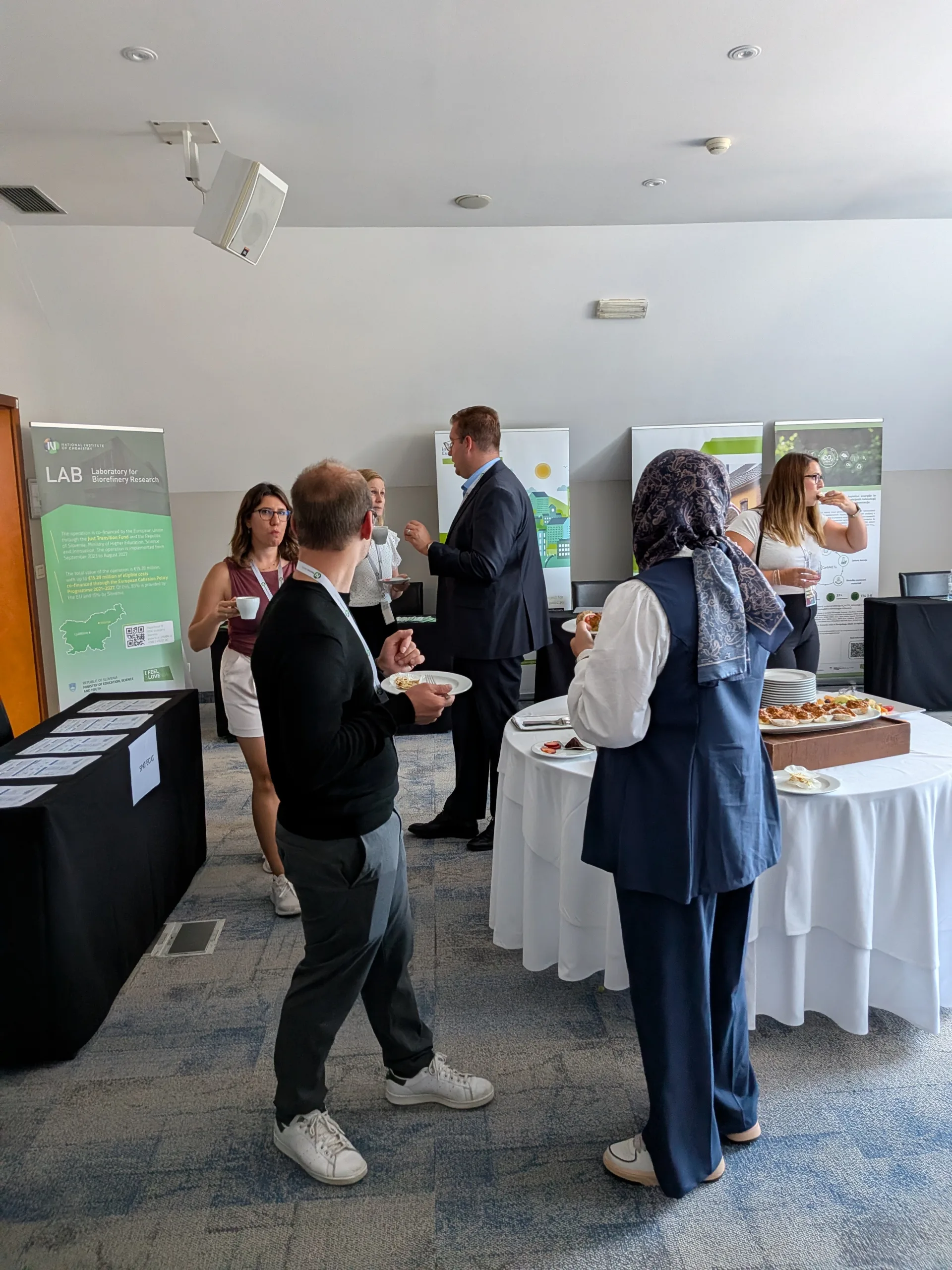
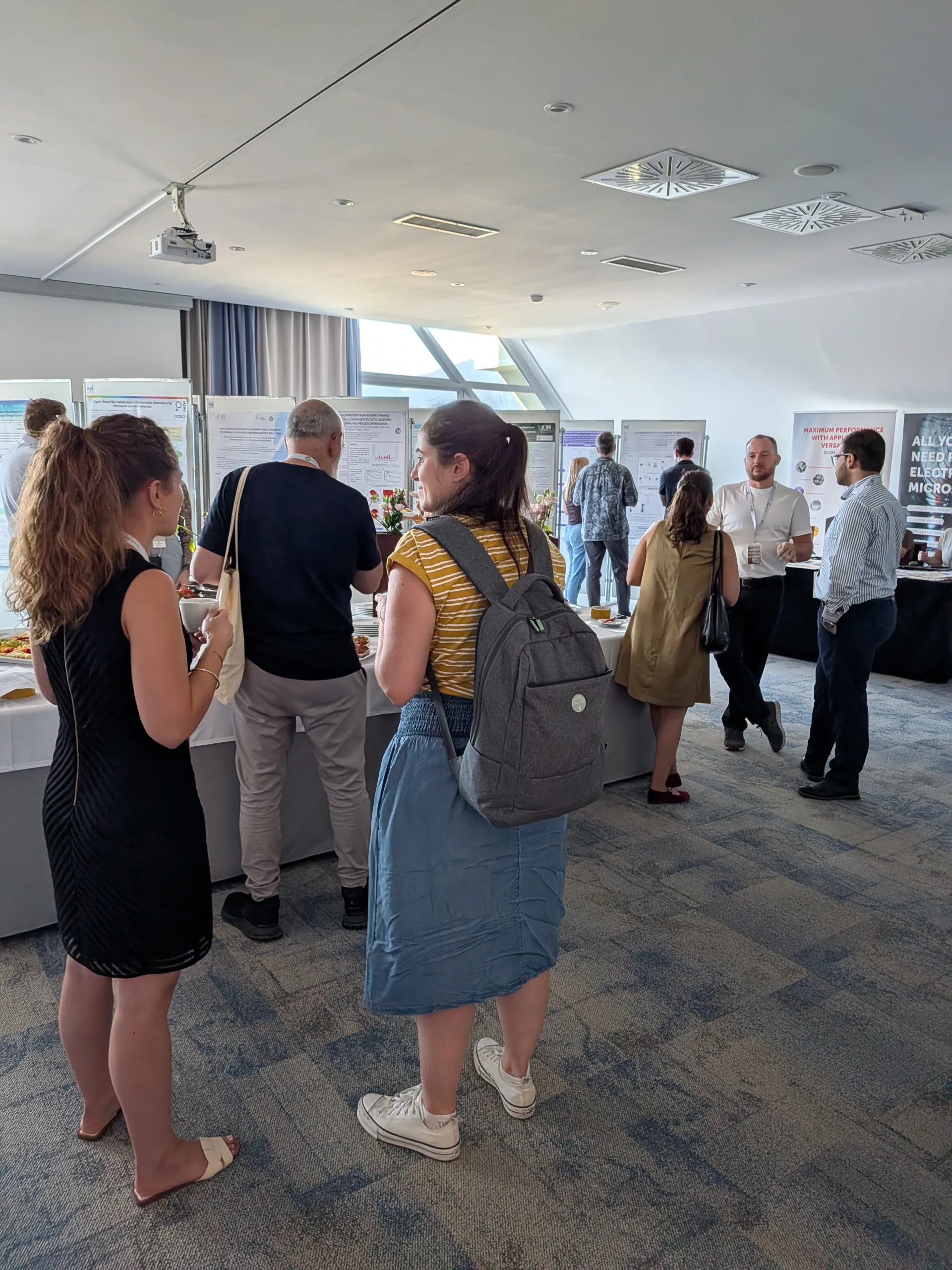
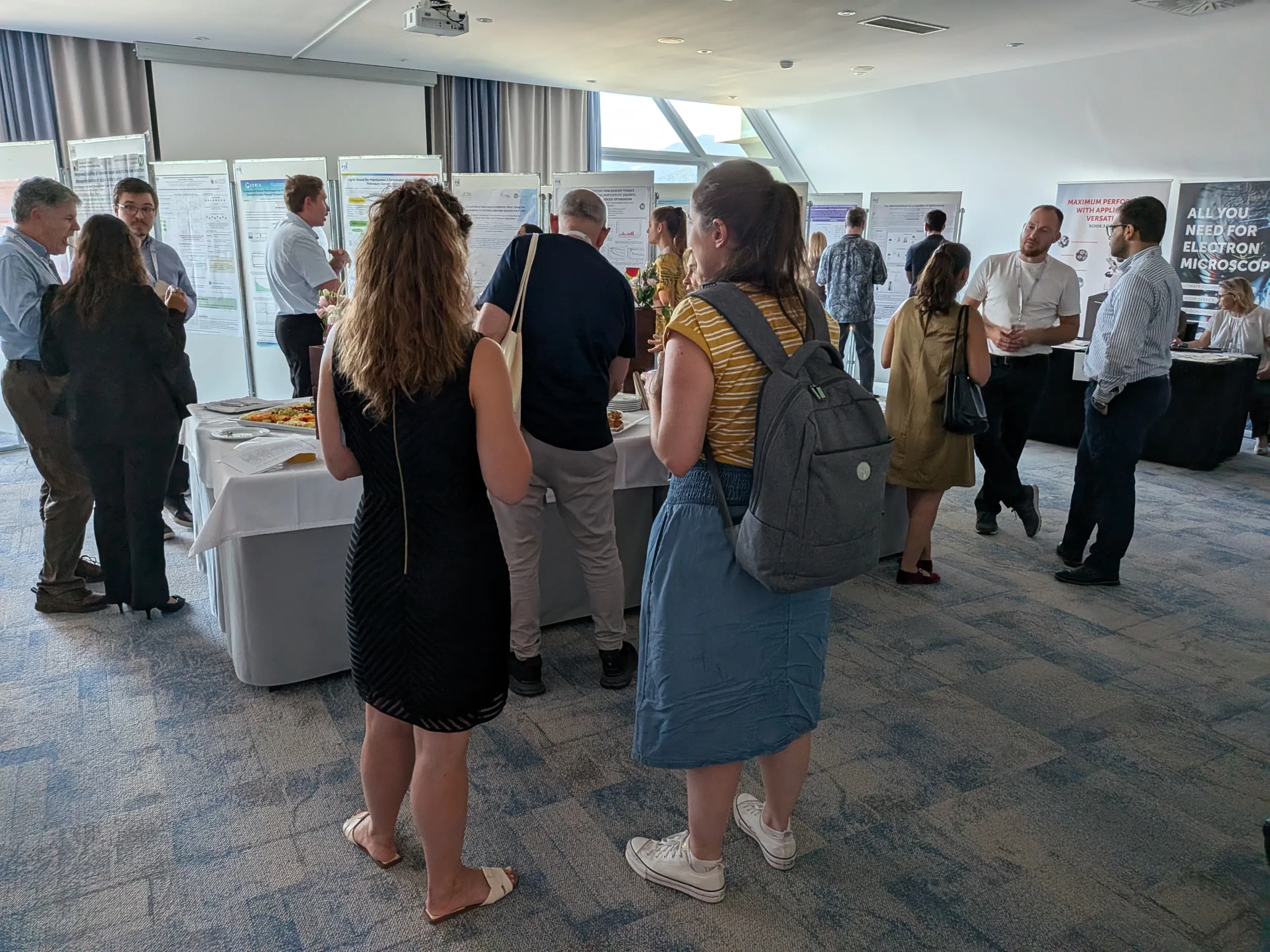
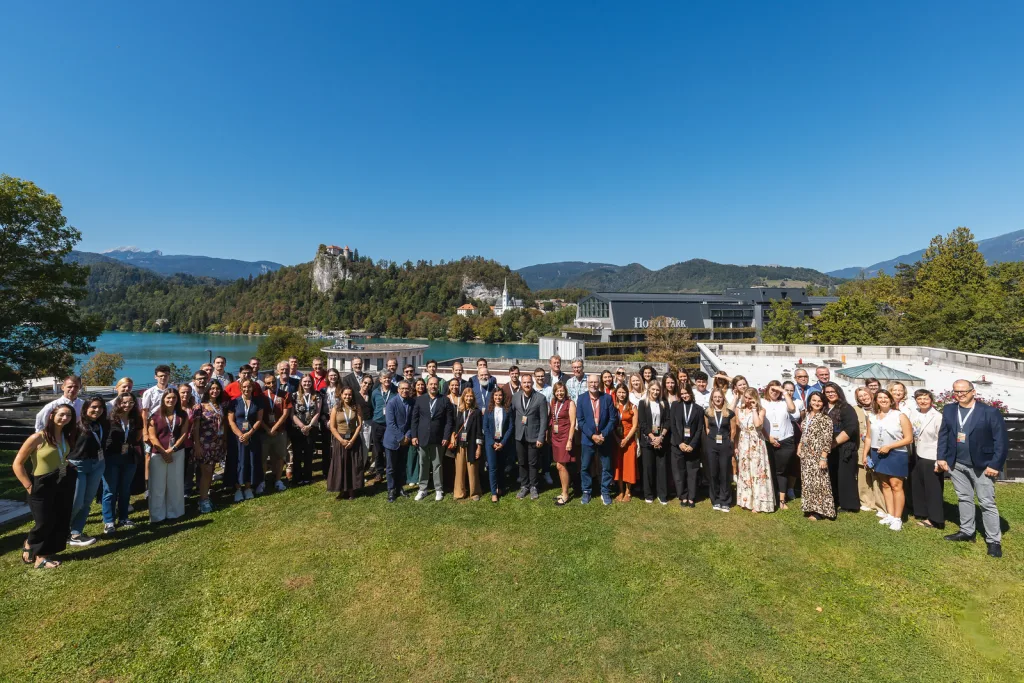
From 6 to 9 September 2026, the Biopartitioning and Purification Conference (BPP 2026) brought together in Bled (Slovenia) experts from academia and industry to exchange insights on the latest advances in bioseparation, purification, and sustainable bioprocessing.
The conference explored emerging topics including AI-driven process optimisation, biomass processing and waste valorisation, novel bioproducts, life cycle assessment, and regulatory frameworks. Through keynote lectures, presentations, posters, round-table discussion, and networking, the BPP 2026 provided a good platform for sharing knowledge, showcasing innovations, and building new collaborations for the future of sustainable bioprocessing.
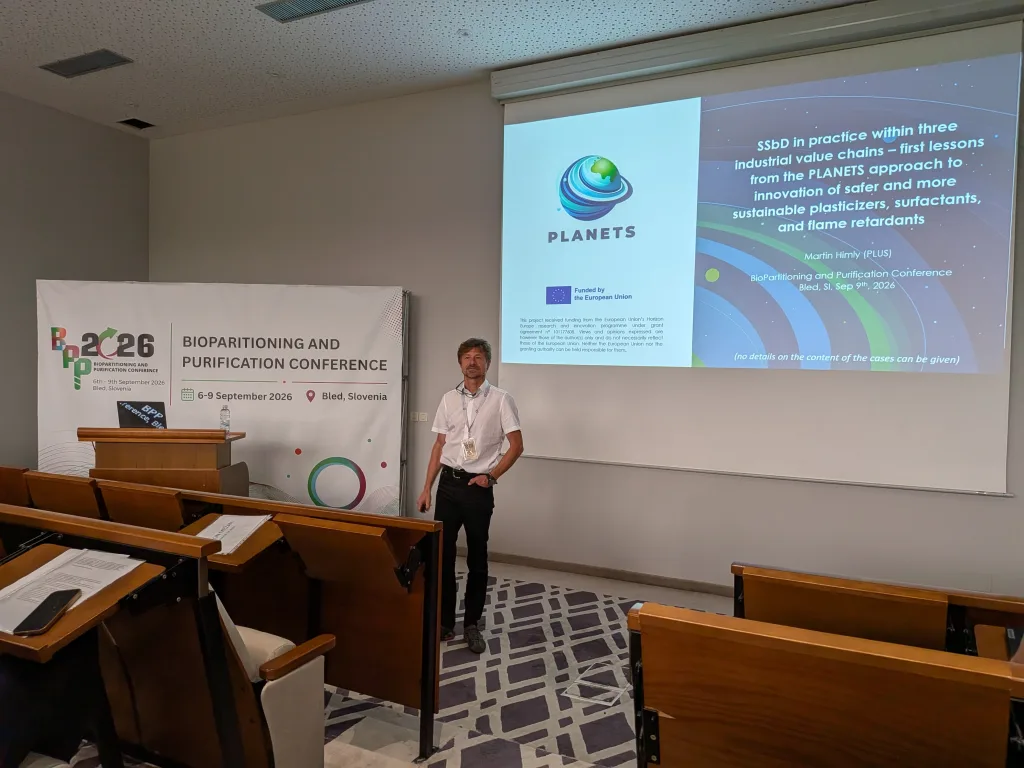
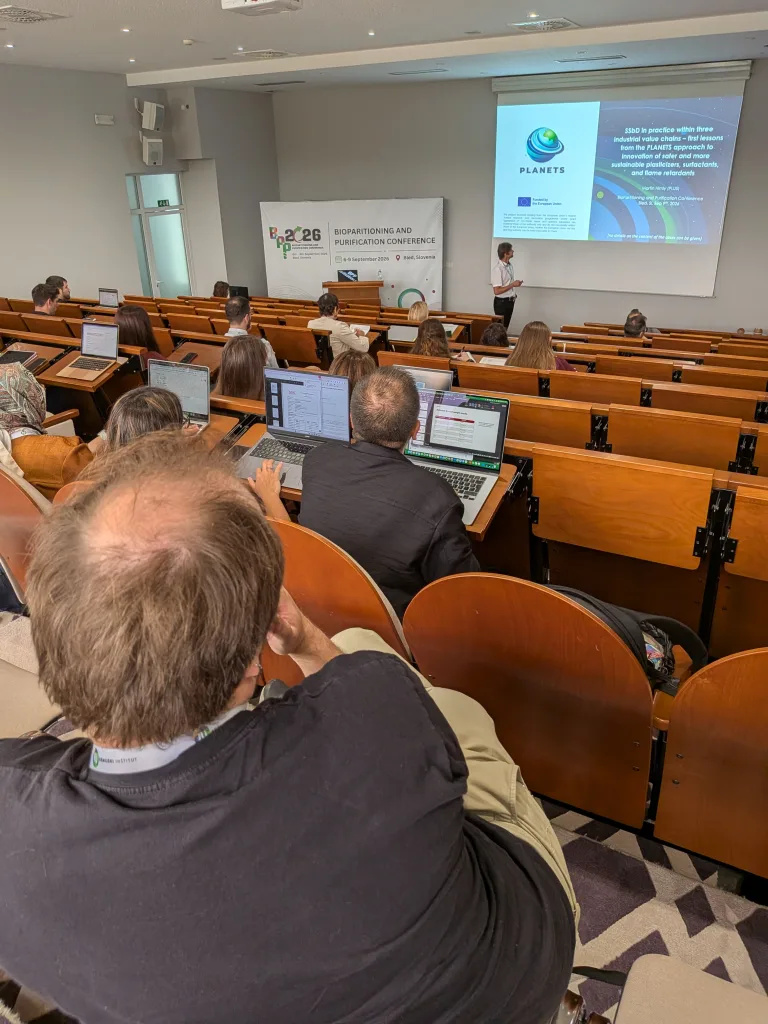
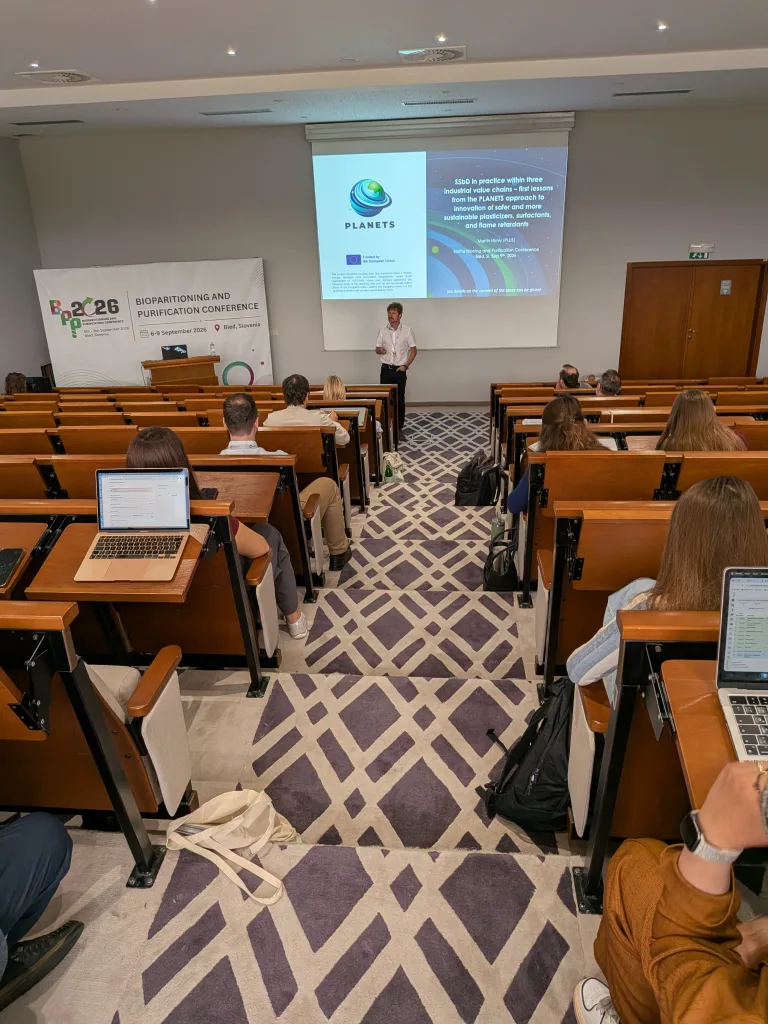
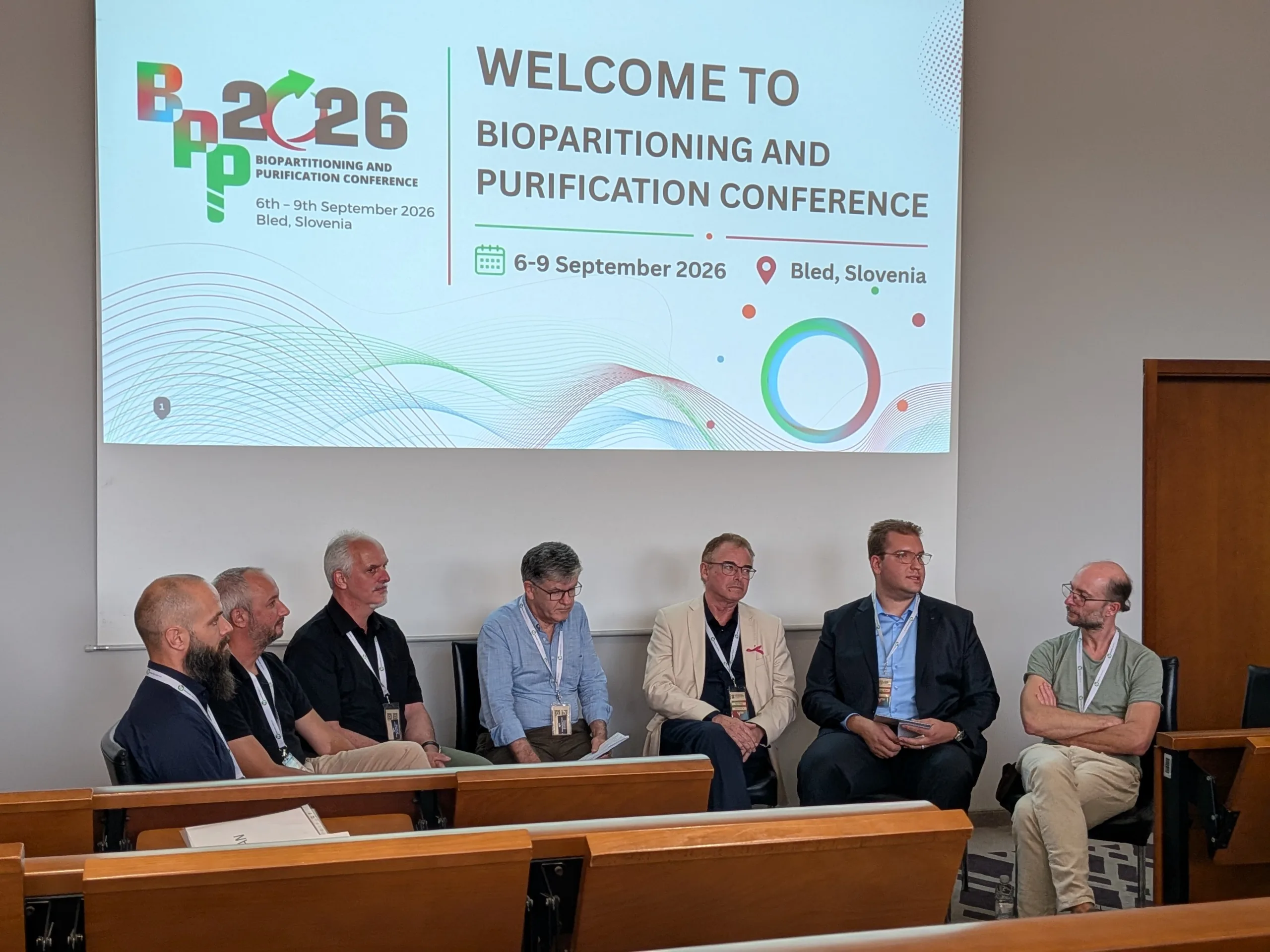
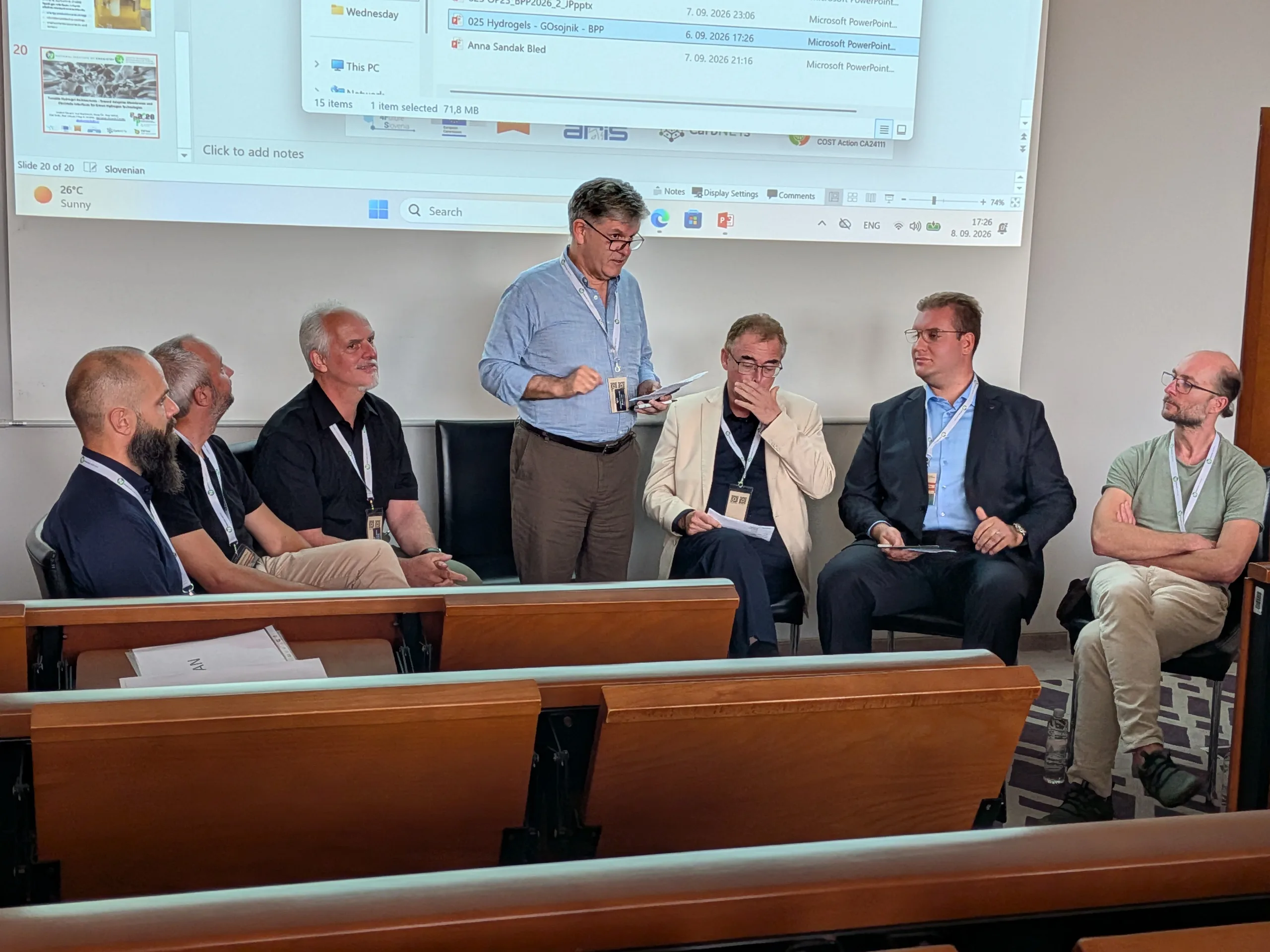
On the last day of the conference, 9 September, Martin Himly (PLUS) gave an oral presentation within the SSbD workshop entitled ‘Regulatory and Sustainability Considerations. In his presentation, Martin reported on the first lessons from putting Safe-and-Sustainable-by-Design (SSbD) into practice across the project’s three industrial value chains: flame retardants, surfactants, and plasticizers. He also covered learnings from the scoping, Tier 1/simplified, and Tier 2/intermediate assessments phases, and experiences with data confidentiality in regards to Digital Product Passport (DPP) development.
Thank you to the organisers of the conference for giving us the opportunity of being part of the conference, and specially of the SSbD session, jointly organised by the sister projects TOXBOX and SSbD4CheM.
Relevant links:
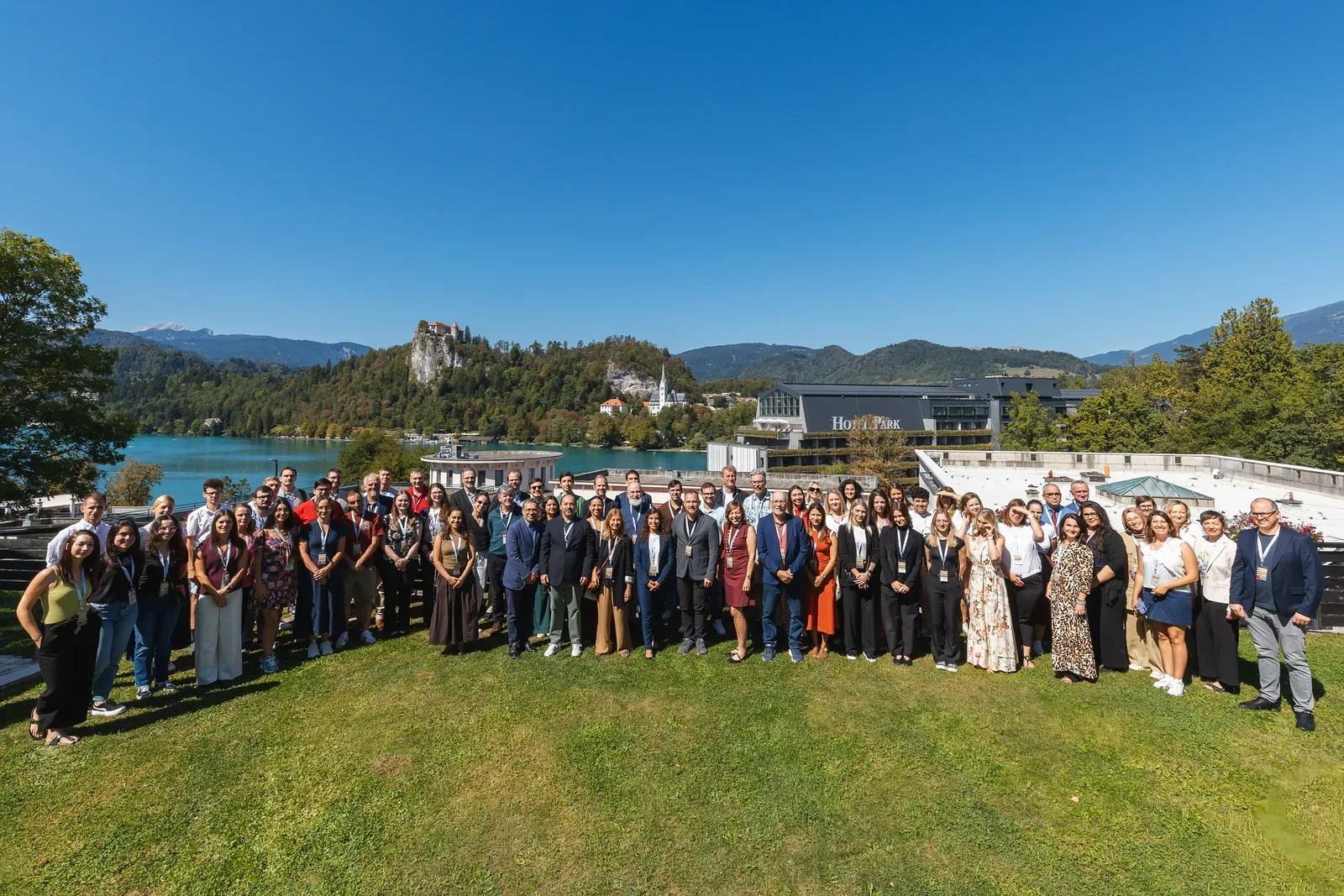
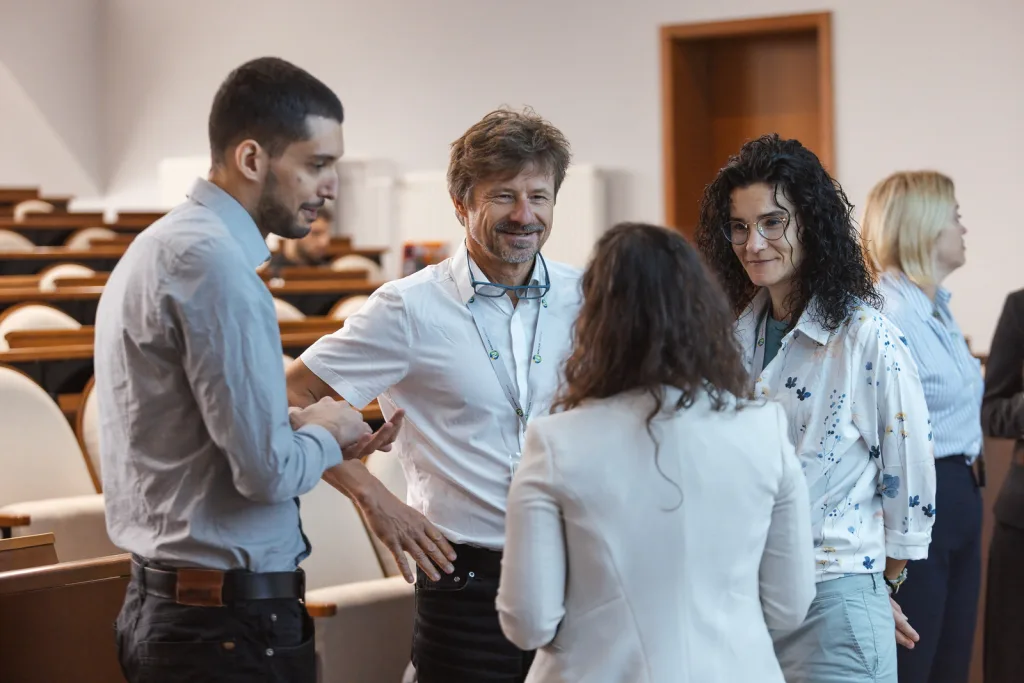
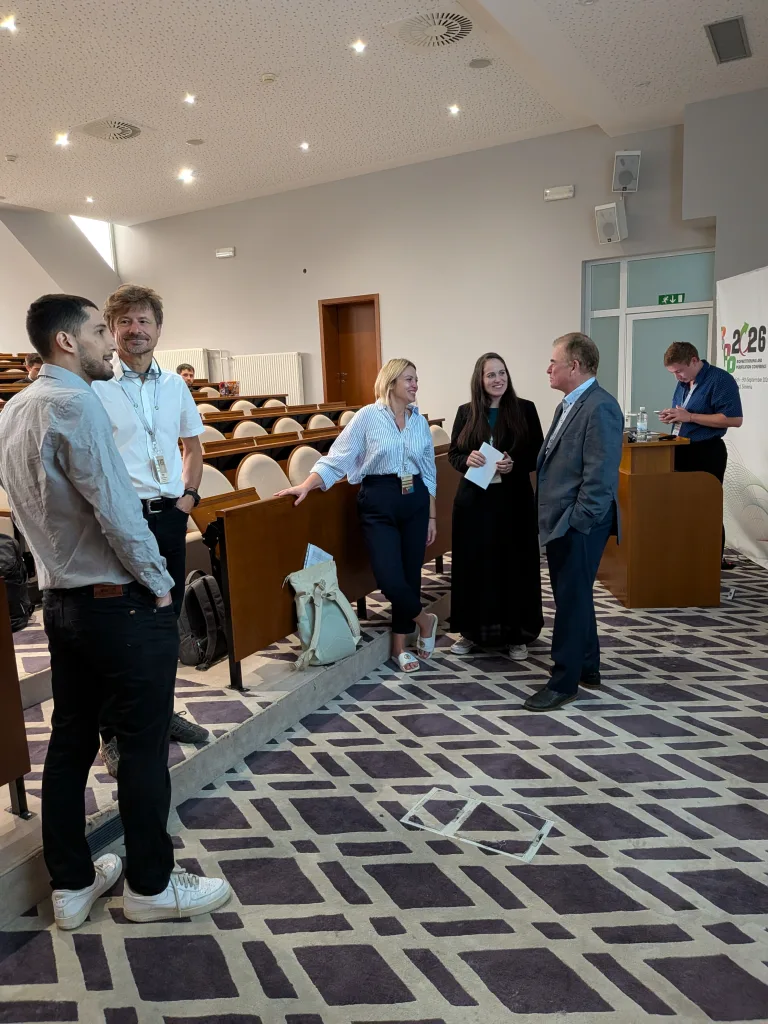
See below for insights into the conference. More pictures are available here. Photo credits go to Beatriz Alfaro and Boris Pretnar.
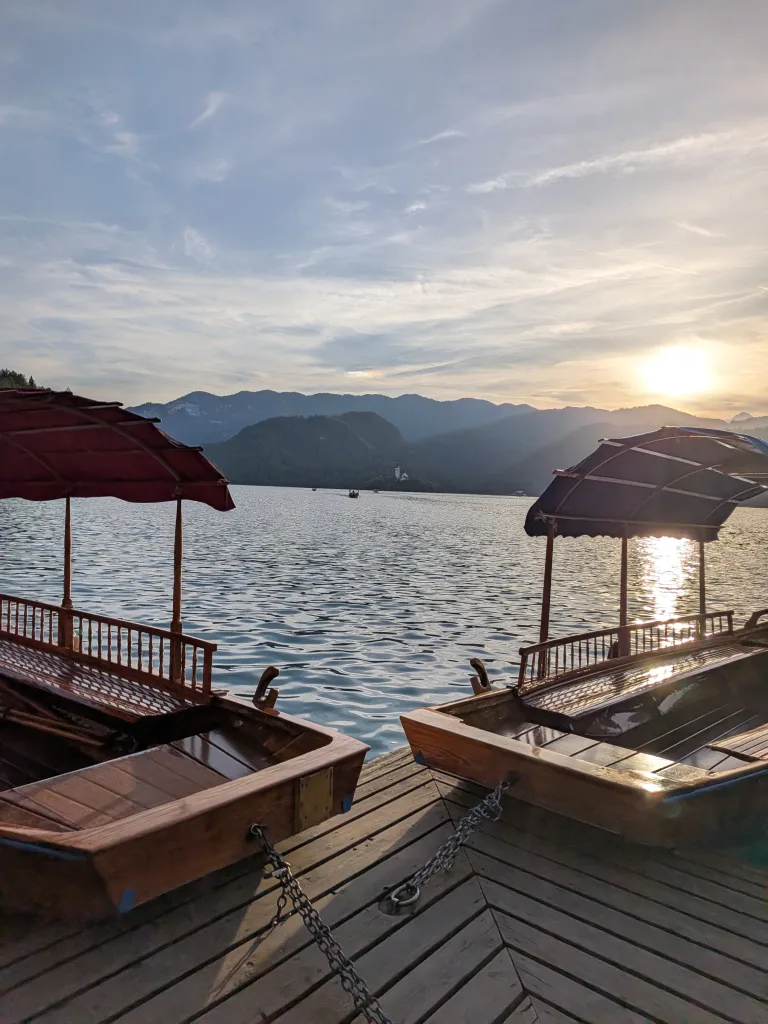
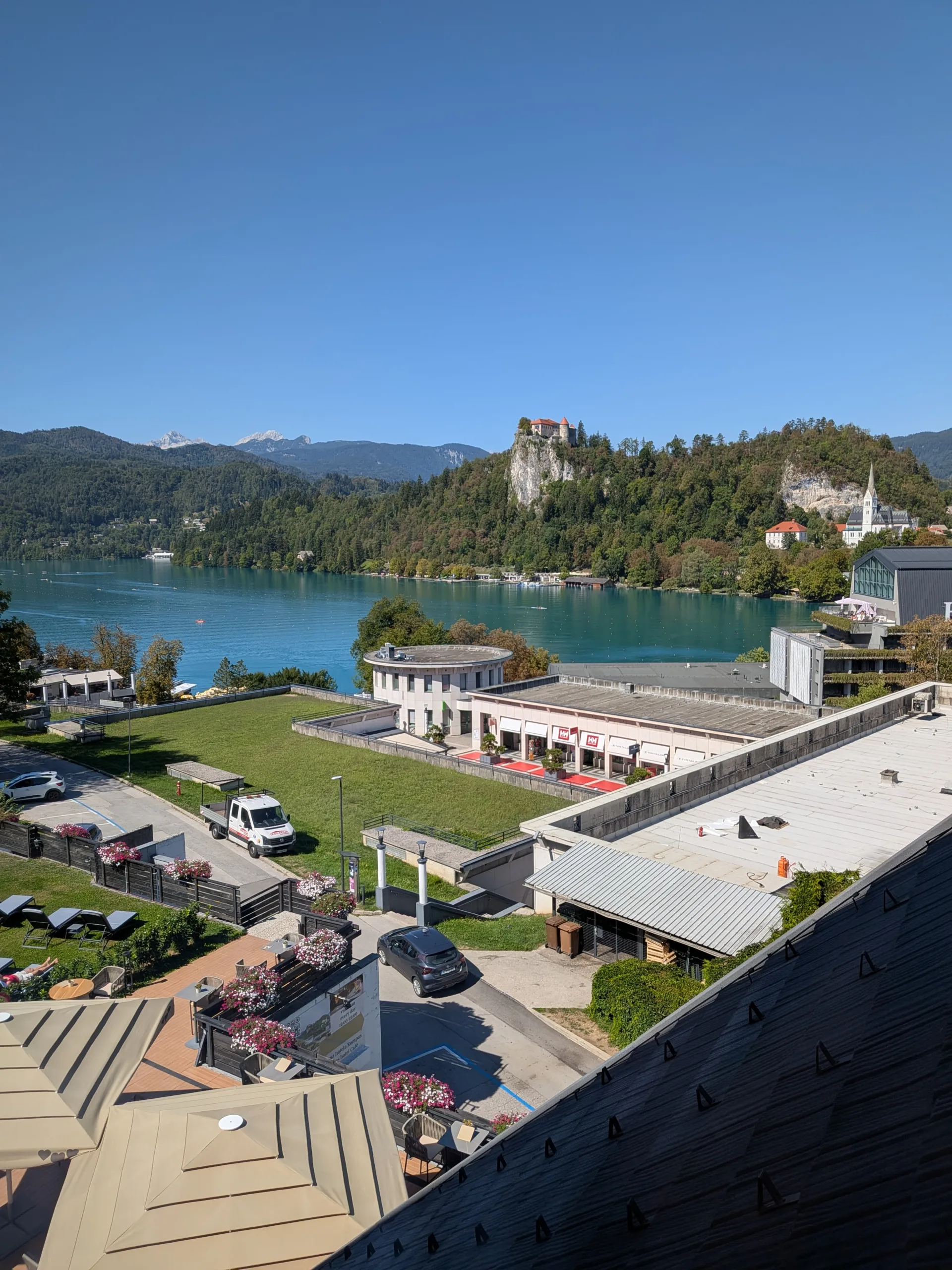
Bled and its surroundings:



The SSbD workshop:
The conference:


September 5, 2026
PLANETS @ CheMatSustain Stakeholder event (17.06.2026, Valencia, Spain)
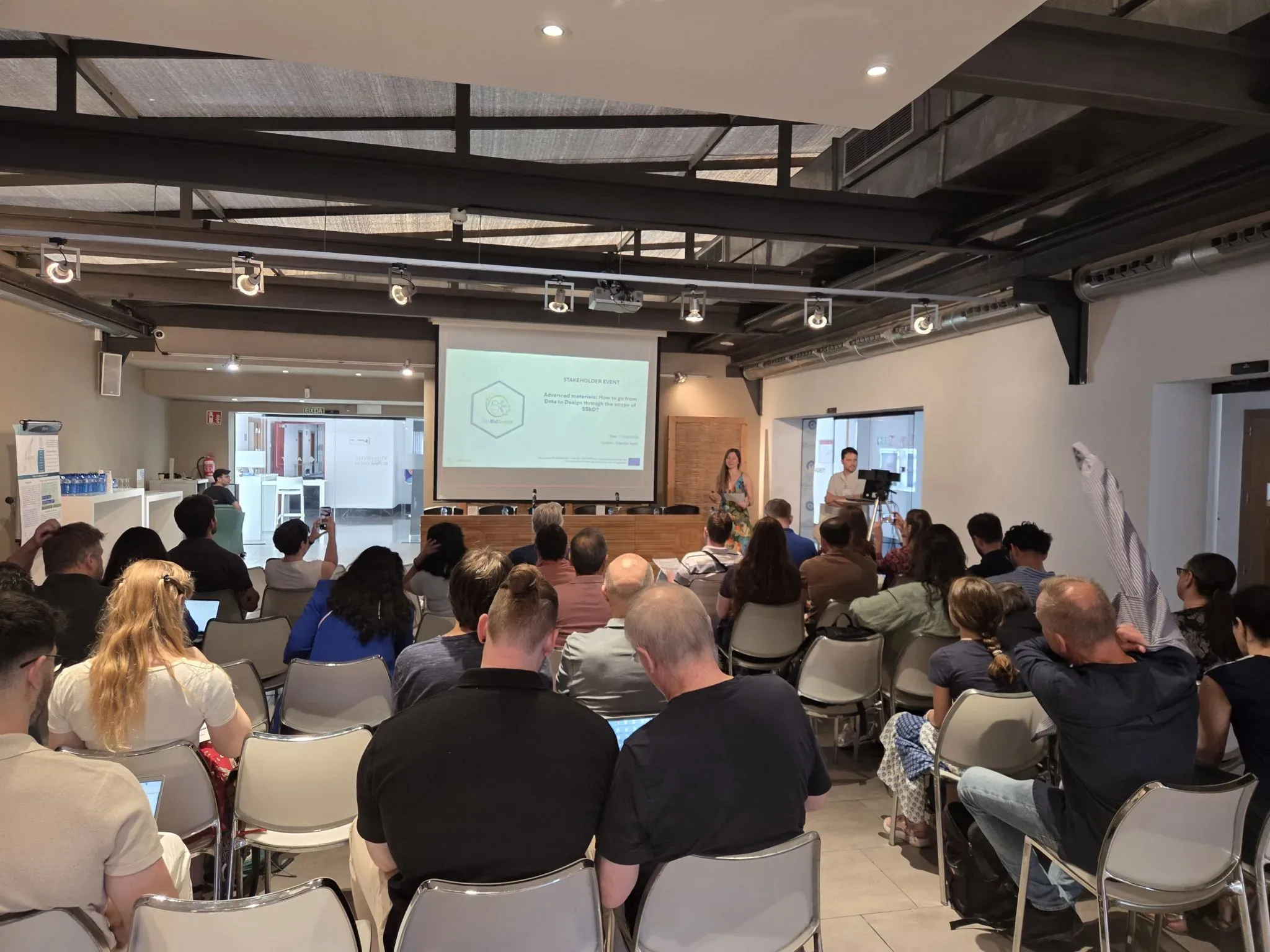
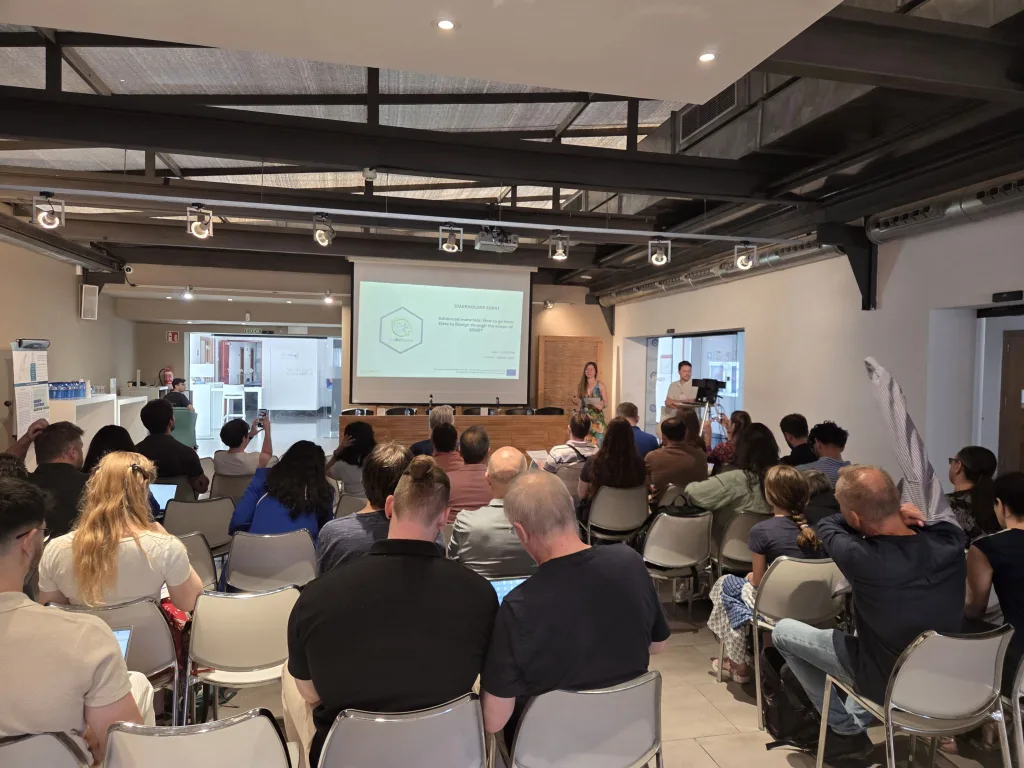
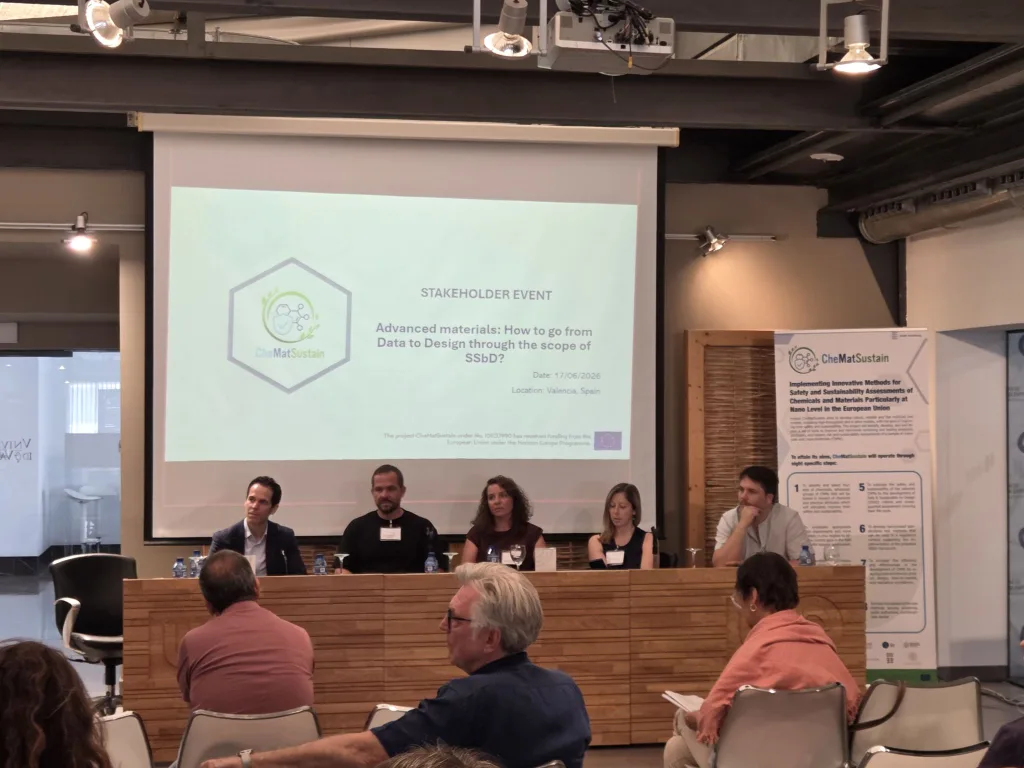
On 17th June 2026, the PLANETS project contributed to the stakeholder dialogue on data-driven Safe-and-Sustainable-by-Design (SSbD)-driven materials development with its active participation in the session “Advanced Materials: How to Go from Data to Design through the Scope of SSbD?”, organized by the CheMatSustain project following its 5th General Assembly in Valencia. The event brought together experts from EU research projects, industry, and academia to explore how data, databases, artificial intelligence (AI), and Safe-and-Sustainable-by-Design (SSbD) principles can accelerate innovation in advanced materials.
The event joint representatives from several EU project, including AlChemiSSts, INTEGRANO, PLANETS, SSbD4CheM, SUNRISE, and TOXBOX, creating a valuable platform for clustering on SSbD-related aspects relevant for its implementation and operationalisation, exchanging knowledge and identifying opportunities for collaboration across the SSbD community.
Martin Himly (PLUS) contributed to the session “SSbD through Databases and AI Toolboxes” with an insight into the PLANETS project, on the implementation of the SSbD scoping method in Tier 1 and Tier 2 assessments within the 3 industrial value chains of the project. He further presented lessons learned and hinted on assets for amendment in the specific SSbD conduct from the perspective of the PLANETS innovation cases. A strong focus was put on data-related issues, and their complications in terms of confidentiality limiting the hand-over of SSbD results within value chains as the current activity within PLANETS is to identify the minimal data sets deriving from SSbD conduct on the three innovation cases with relevance for reporting in potential future Digital Product Passports (DPP), which will build another deliverable of the project. These topics raised lots of attention in the Data-2-Design Workshop and initiated a vigorous discussion with the audience.
PLANETS herewith generated a timely contribution to the scientific discourse with a strong link to industrial implementation. Overall, the event demonstrated how all these projects contribute to the development of practical solutions that help researchers, innovators, and industry stakeholders make better-informed decisions throughout the materials innovation lifecycle and deepen the efforts towards creating a FAIR (Findable, Accessible, Interoperable, Reusable) and well quality-assured European joint “(Meta)data for SSbD” platform.
Relevant links:
September 3, 2026
PLANETS @ SETAC 2026 (17-21.05.2026, Maastricht)
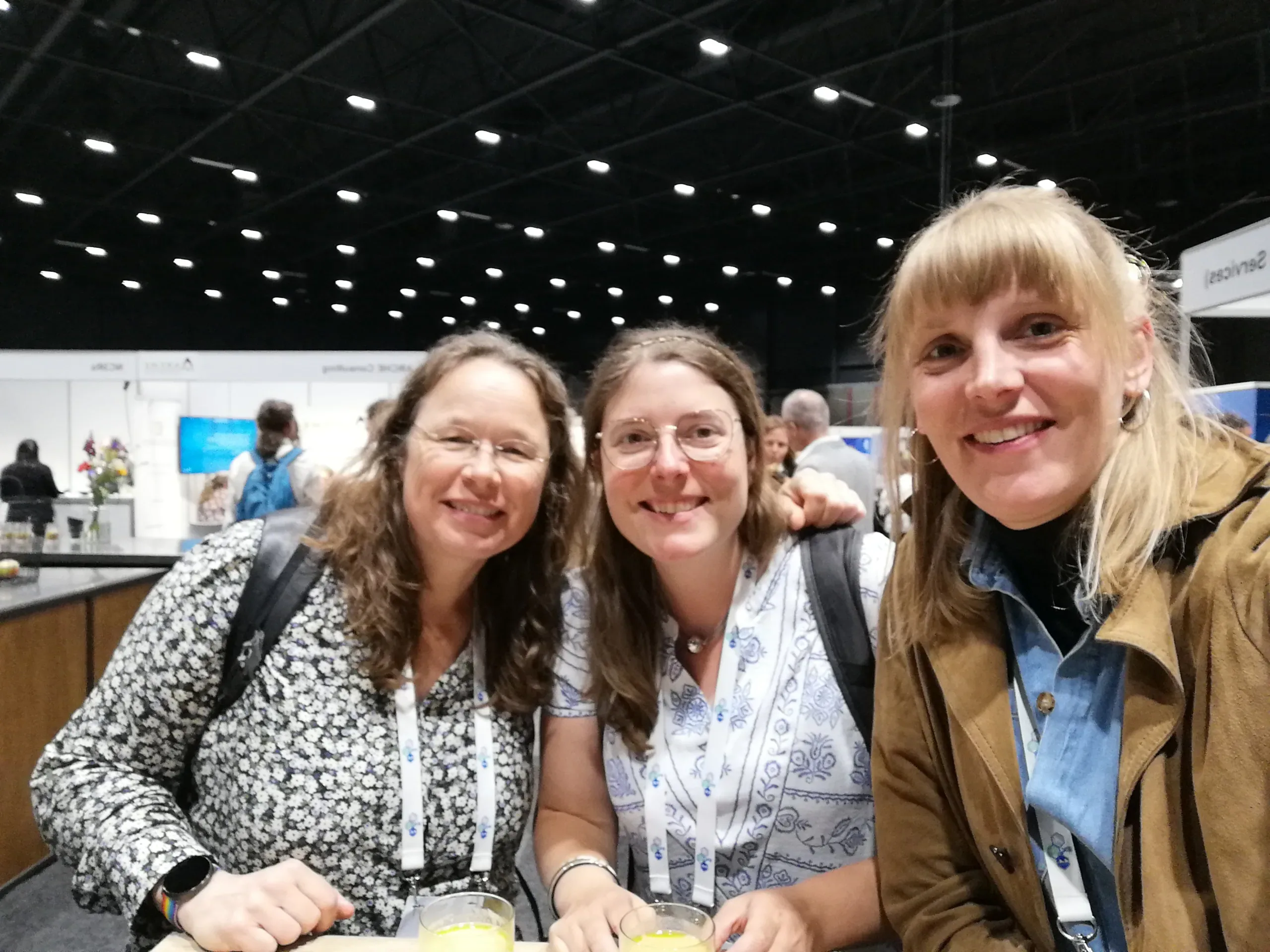
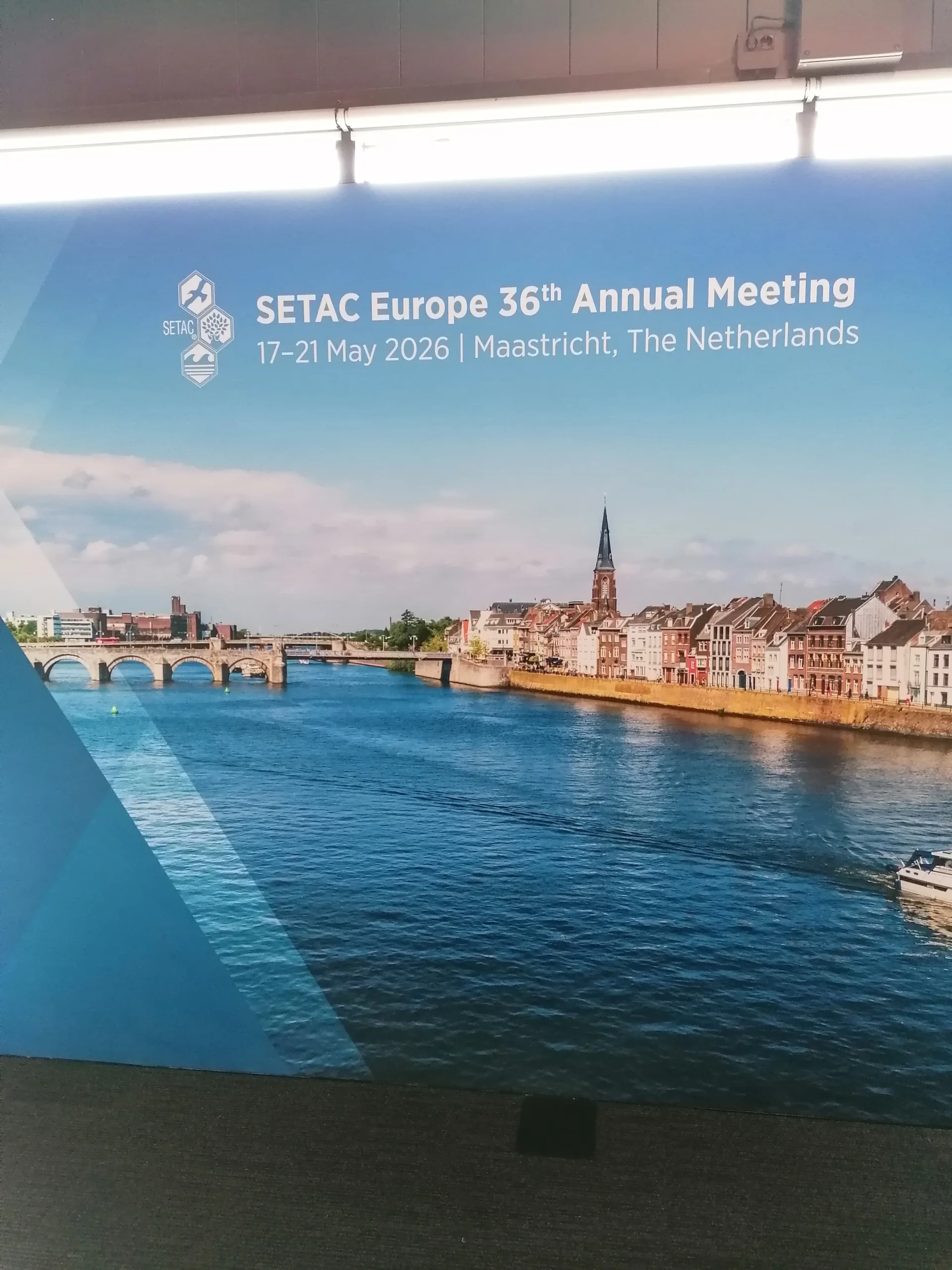
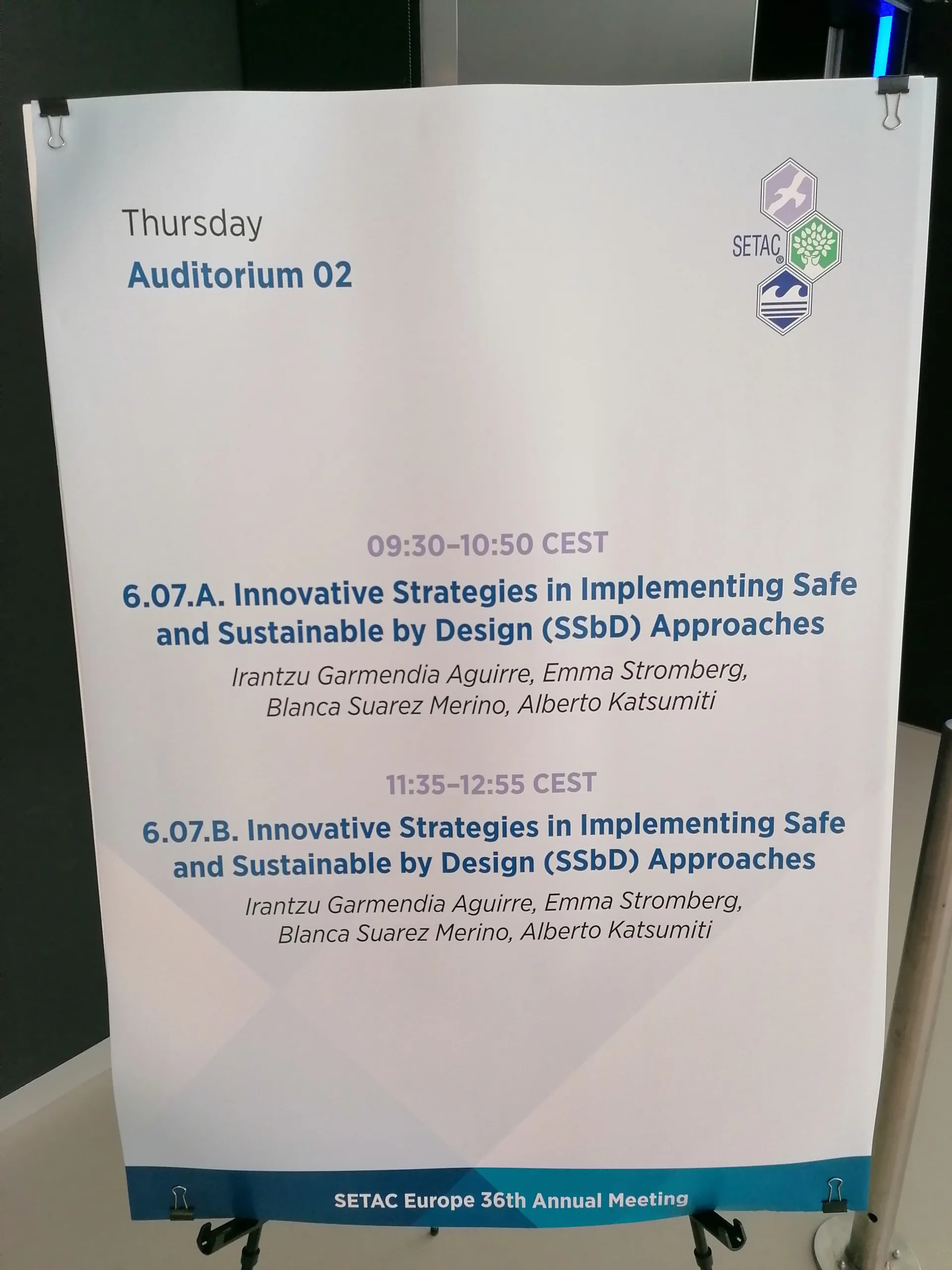
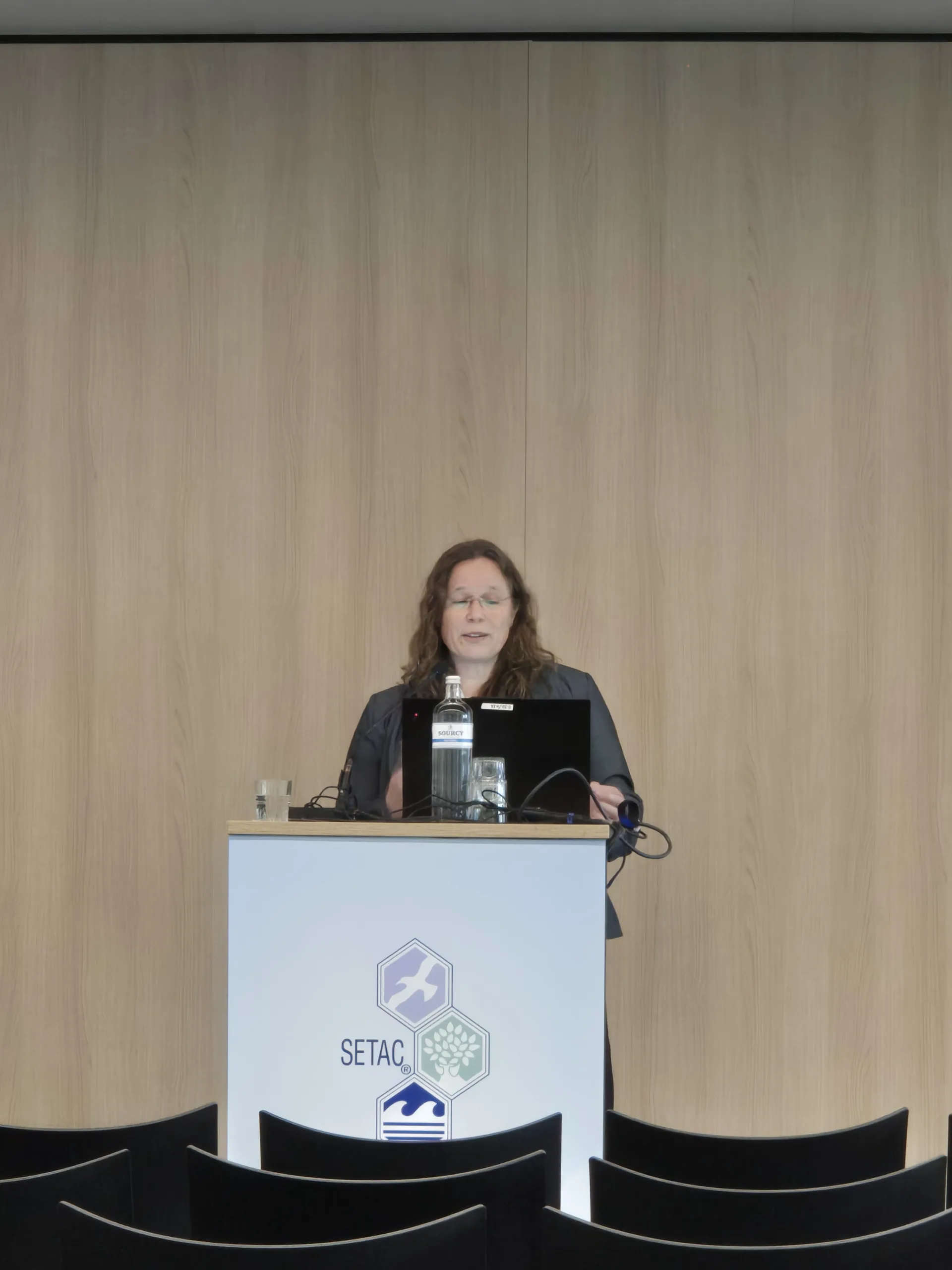
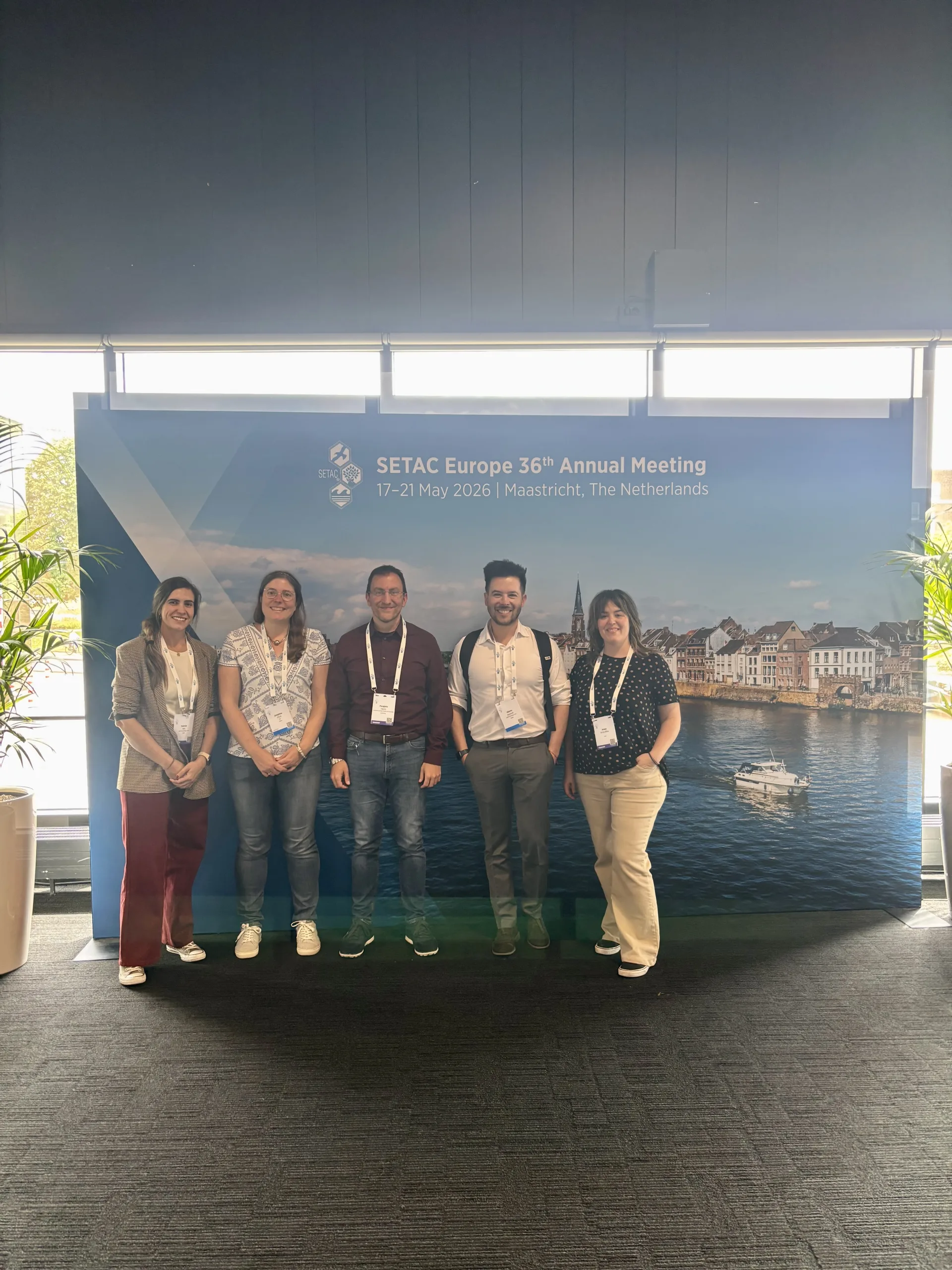
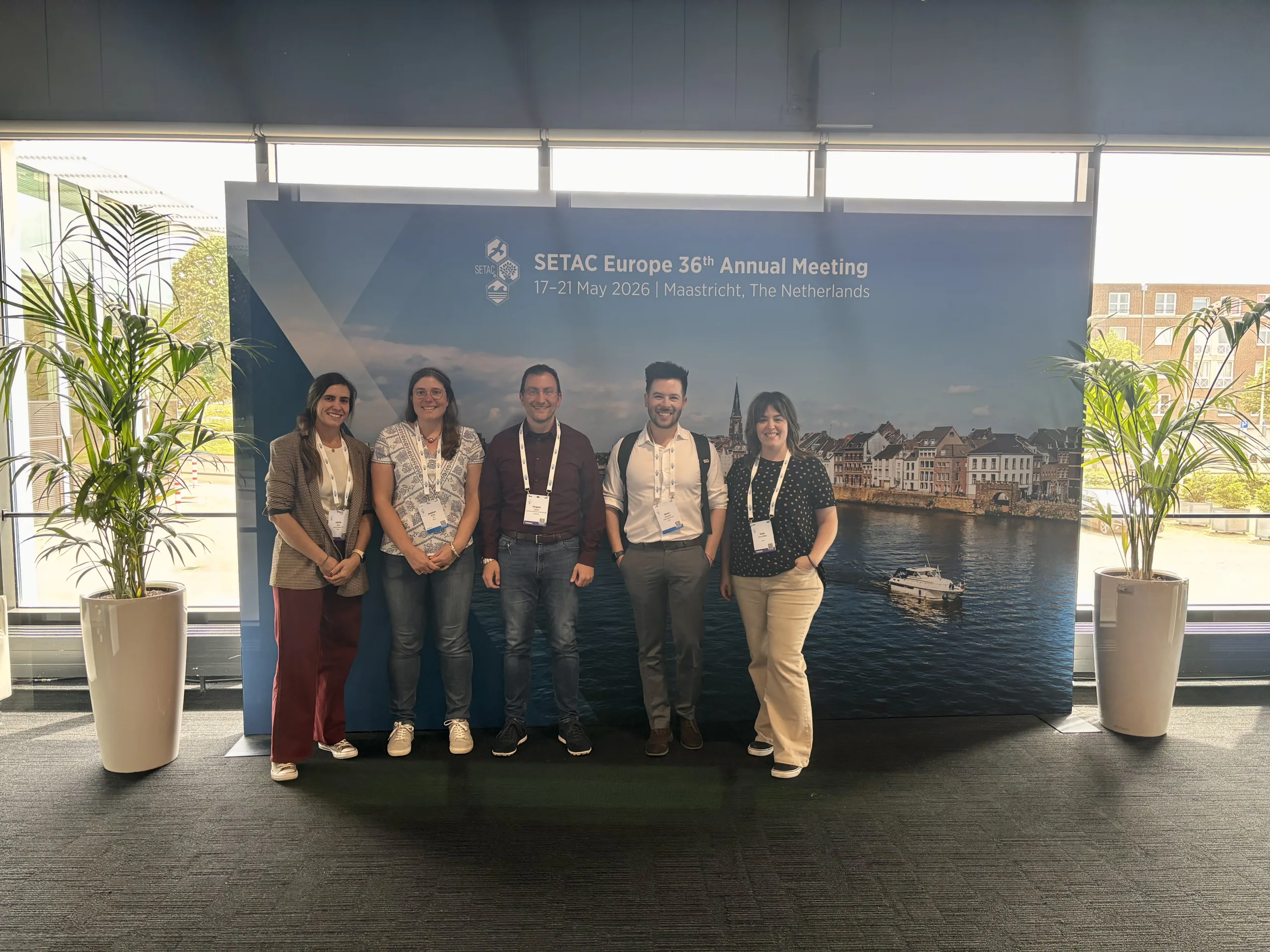
The SETAC Europe 36th Annual Meeting took place from 17–21 May 2026 in Maastricht, the Netherlands, bringing together around 2,500 participants from academia, industry, EU institutions, and regulatory bodies interested in the programme, which included keynote lectures, oral and poster presentations, workshops, and networking events. This year, the event’s theme was ‘Embrace the outlier: in science, regulations, and networks’, bringing together diverse perspectives to advance environmental sciences and their adoption in policy making, and serving as a major platform for discussing the latest scientific and regulatory developments in environmental toxicology, environmental chemistry, sustainability, life cycle assessment (LCA), risk assessment, Safe and Sustainable by Design (SSbD), as well as including industrial ecology, material science, pharmaceutical sciences, governance studies, agricultural studies, etc.
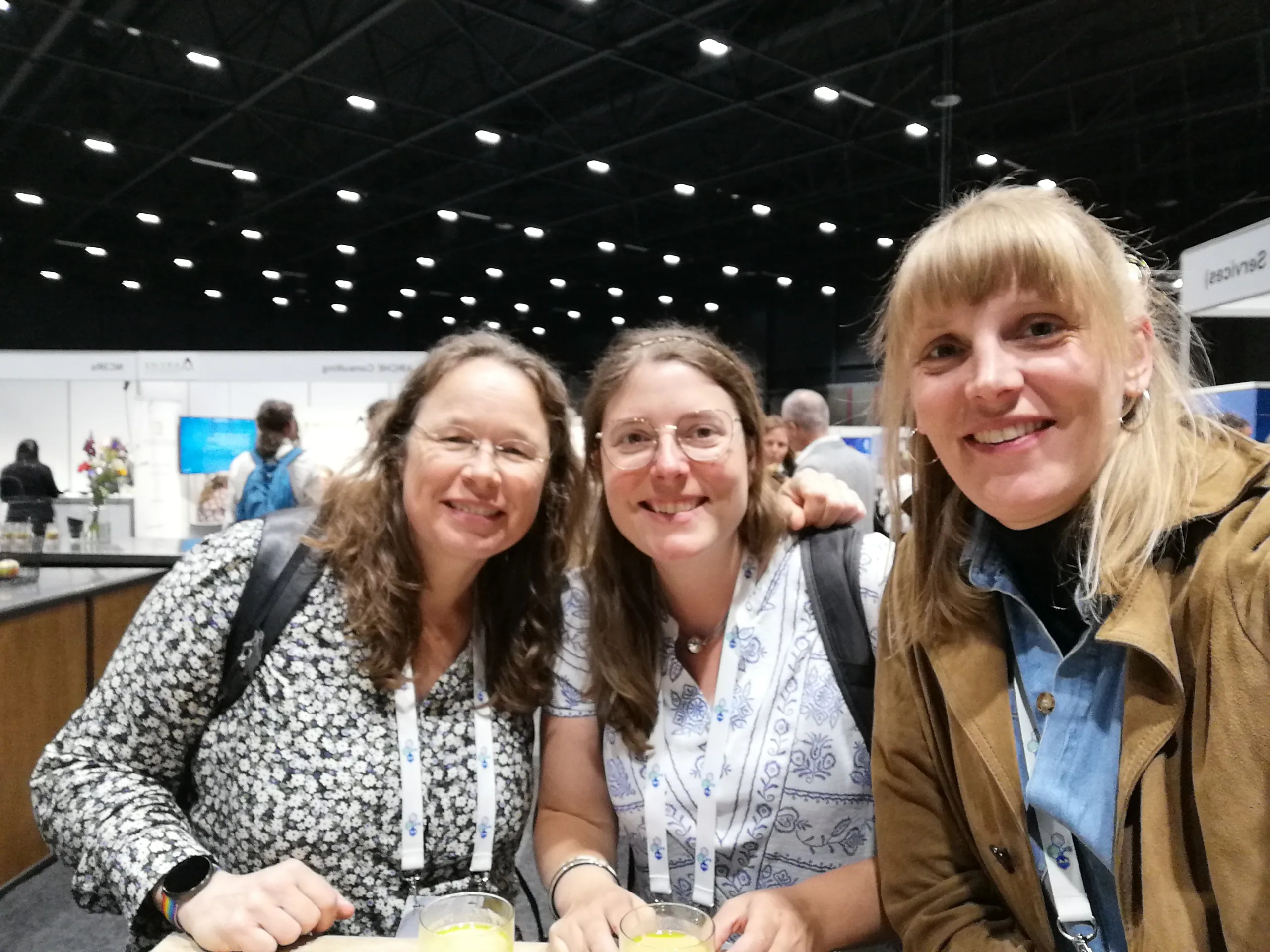
PLANETS partners from CEA, TNO, BASF, and BNN actively contributed to the conference by presenting research related to the project, as well as best practices in scientific communication.
- Katharina Lang-Hogrefe (BNN) gave an oral presentation on importance of scientific communication to ensure a high level of engagement, entitled “Clear, Concise, and Complete: Finding the Sweet Spot for Detail and Simplification in Science Communication“, on 18 May in the Session “6.10 – Translating Complexity – The Role Science Communication Plays in Generating Lasting Societal Impact“. DOI: 10.5281/zenodo.20345940.
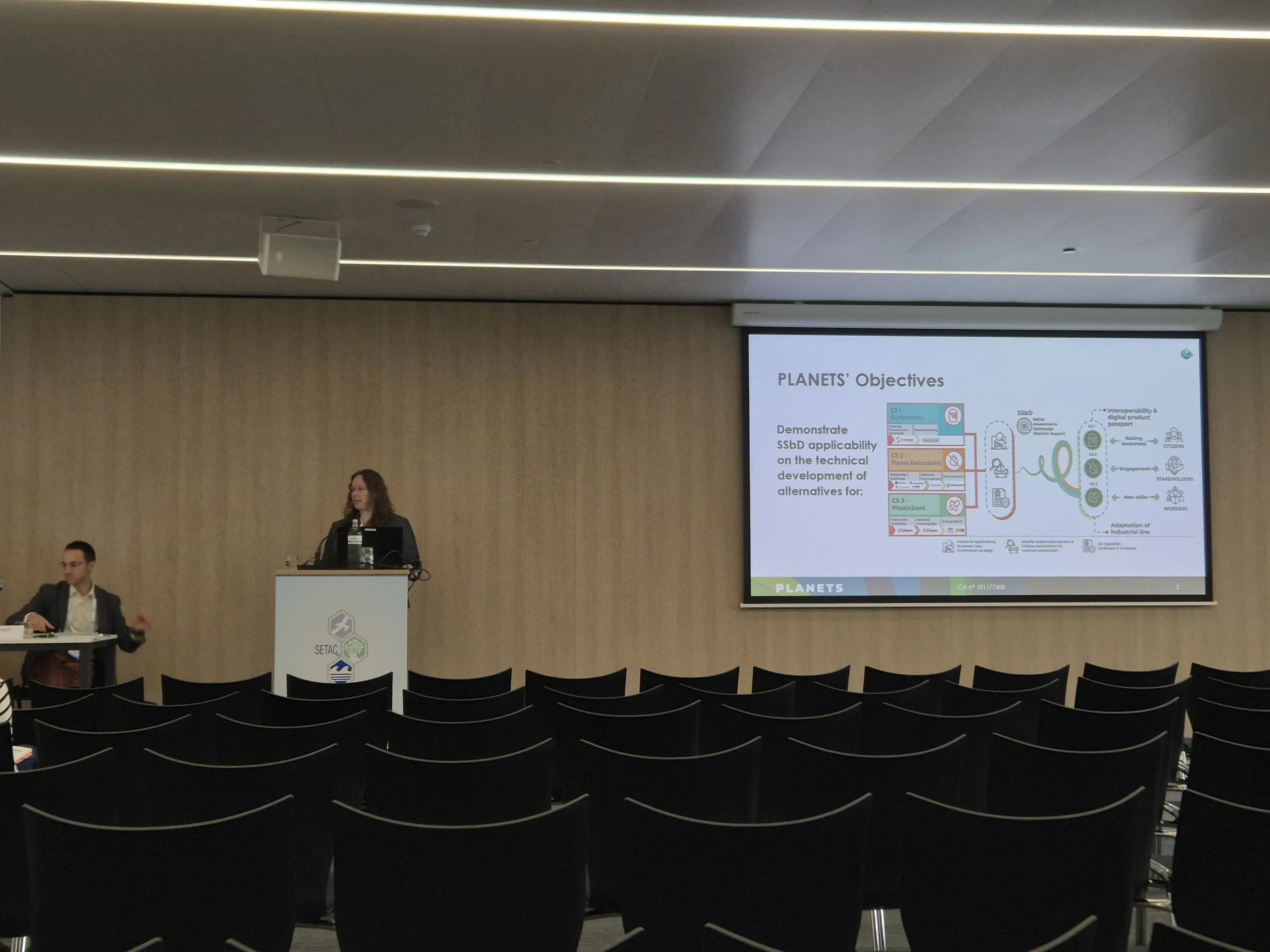
- Susan Dekkers (TNO) gave an oral presentation, entitled “Integrated Methodology and Decision Support System for Safe and Sustainable Substitution“, on 20 May.
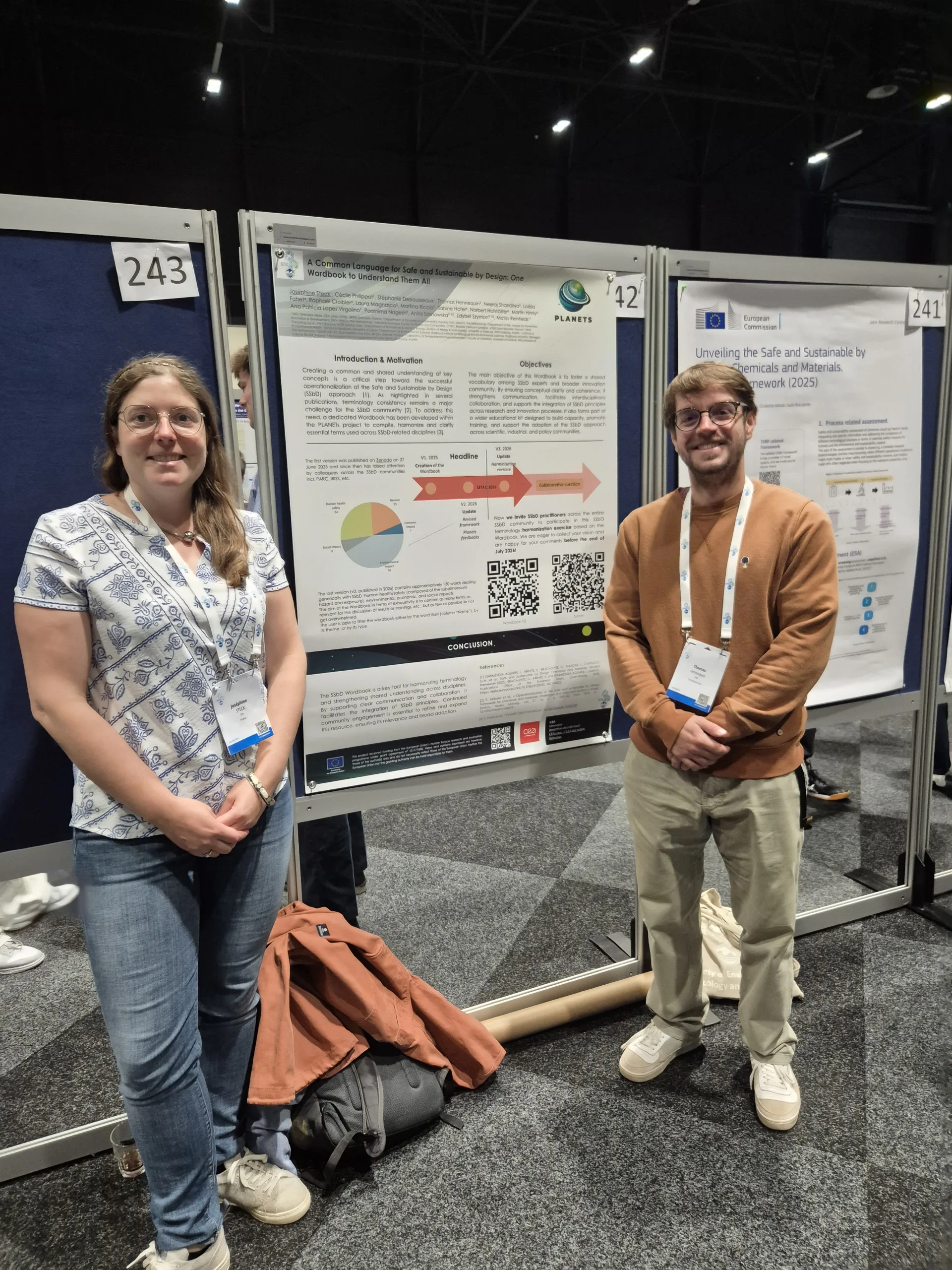
- Joséphine Steck (CEA) presented a poster about PLANETS’ SSbD Wordbook, entitled “Common Language for Safe and Sustainable by Design: One Wordbook to Understand Them All”, on 21 May. She explained that it is a carefully selection of terms and definitions covering safety, sustainability, methodological tools, indicators, and regulatory aspects relevant to SSbD which aims to create a common understanding of key concepts for the successful implementation of the SSbD approach.
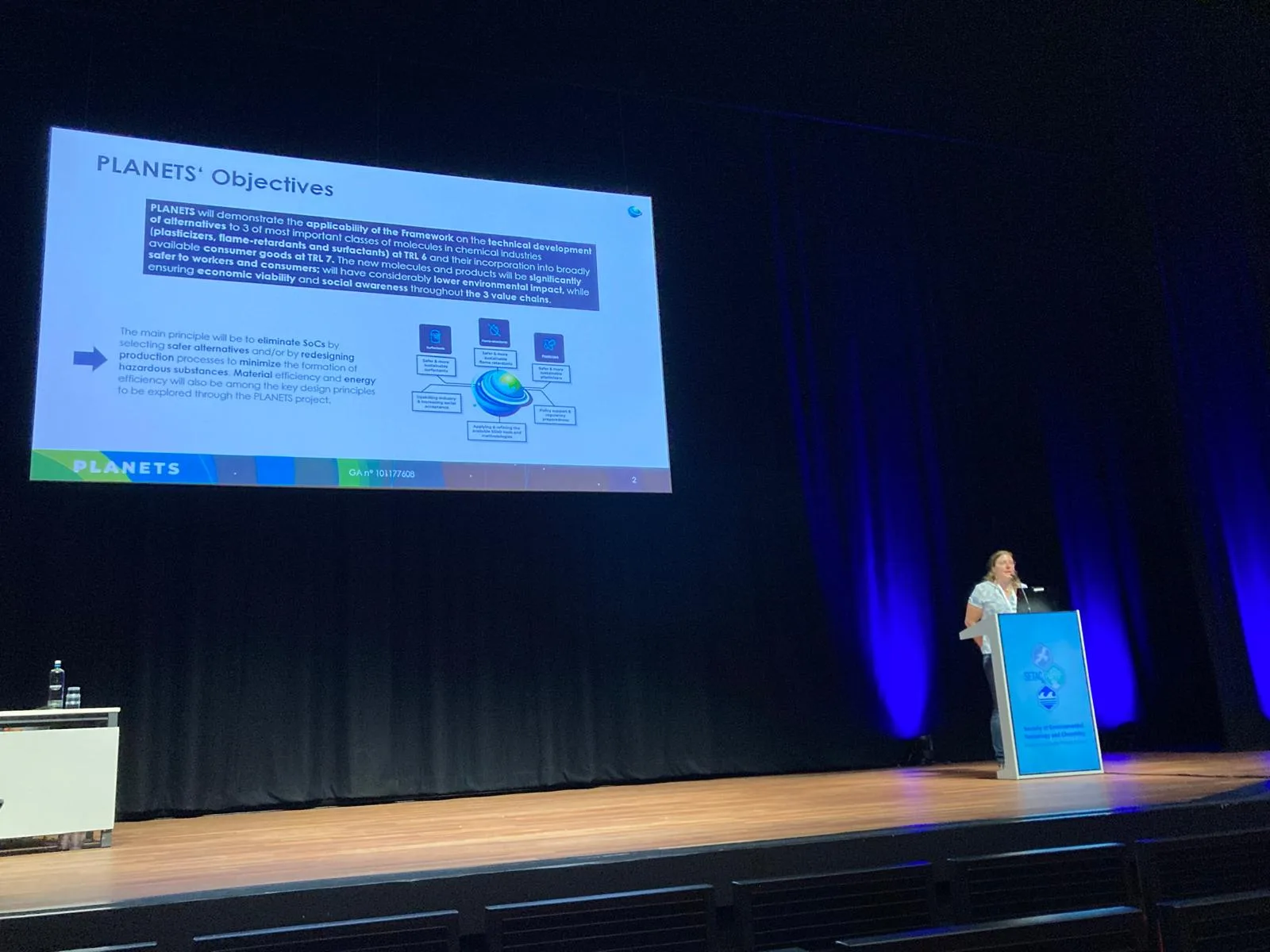
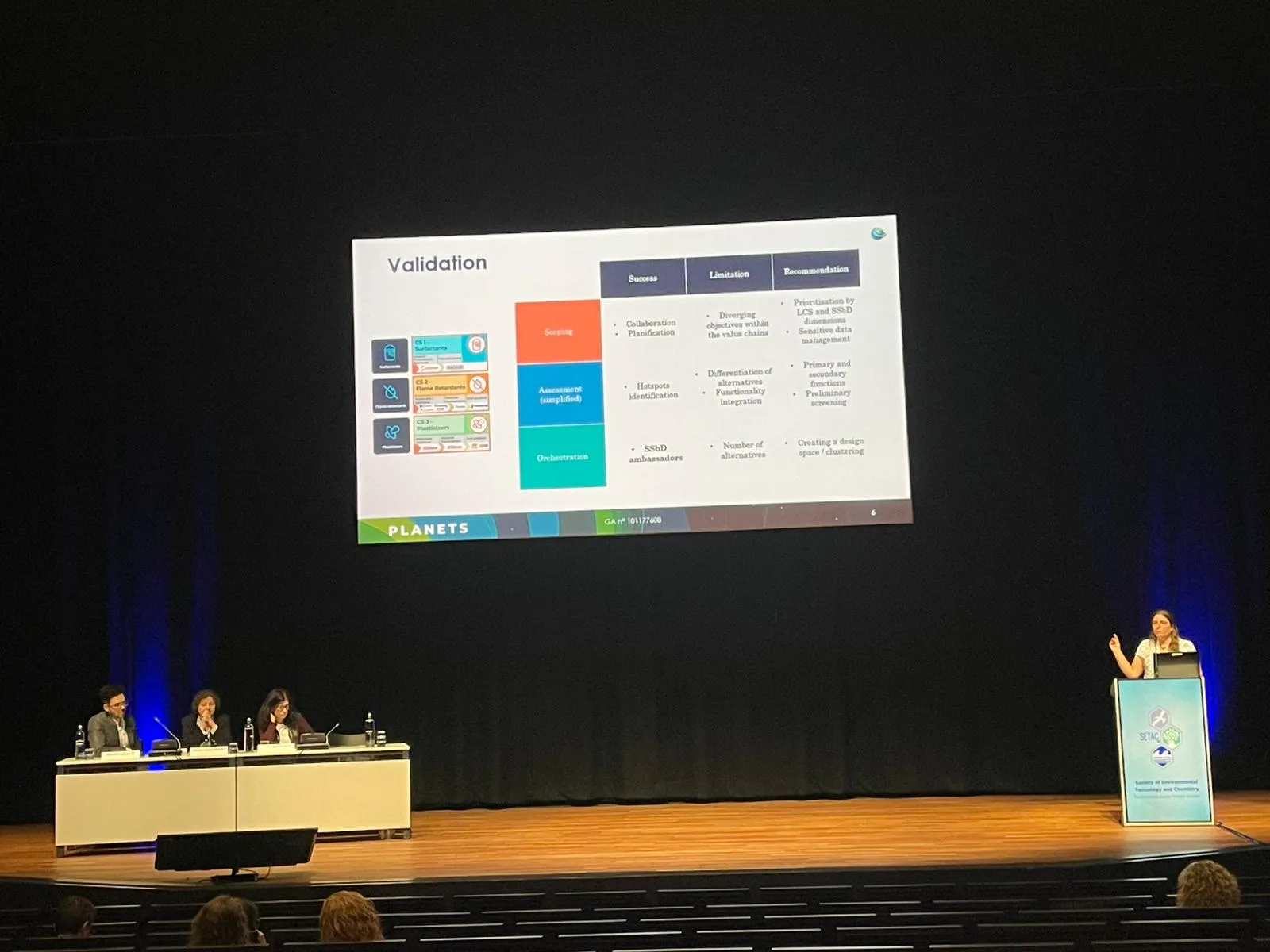
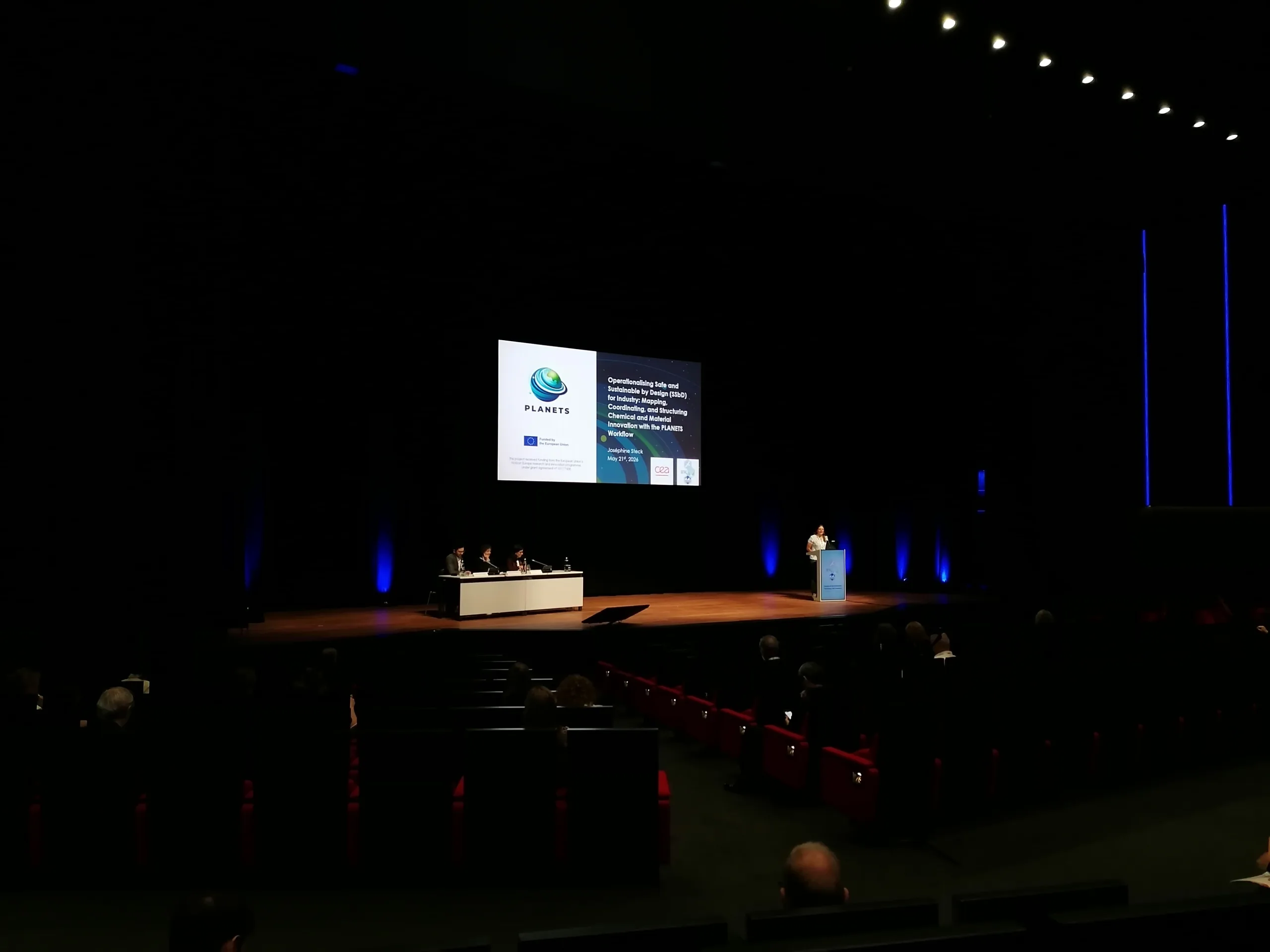
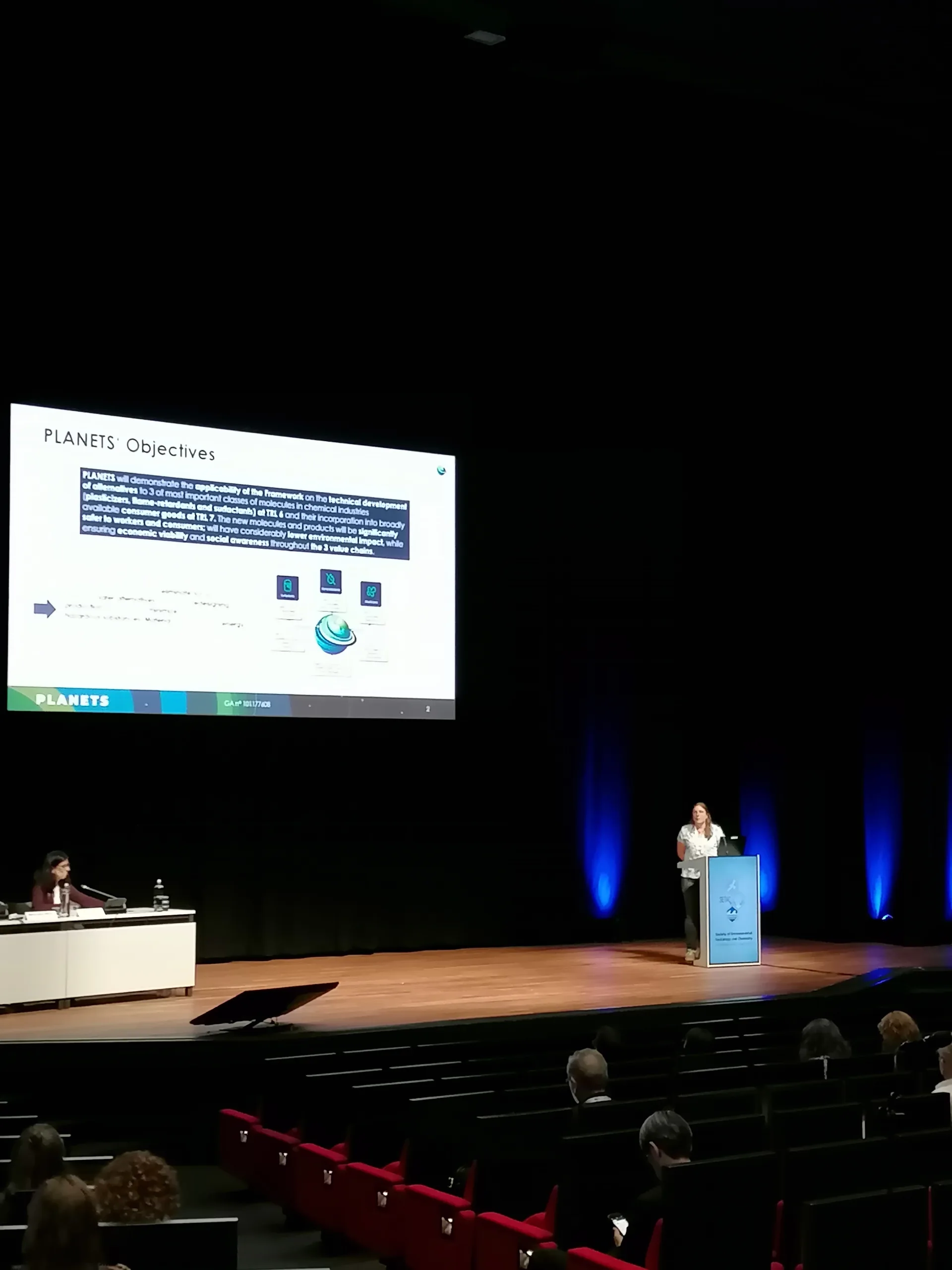
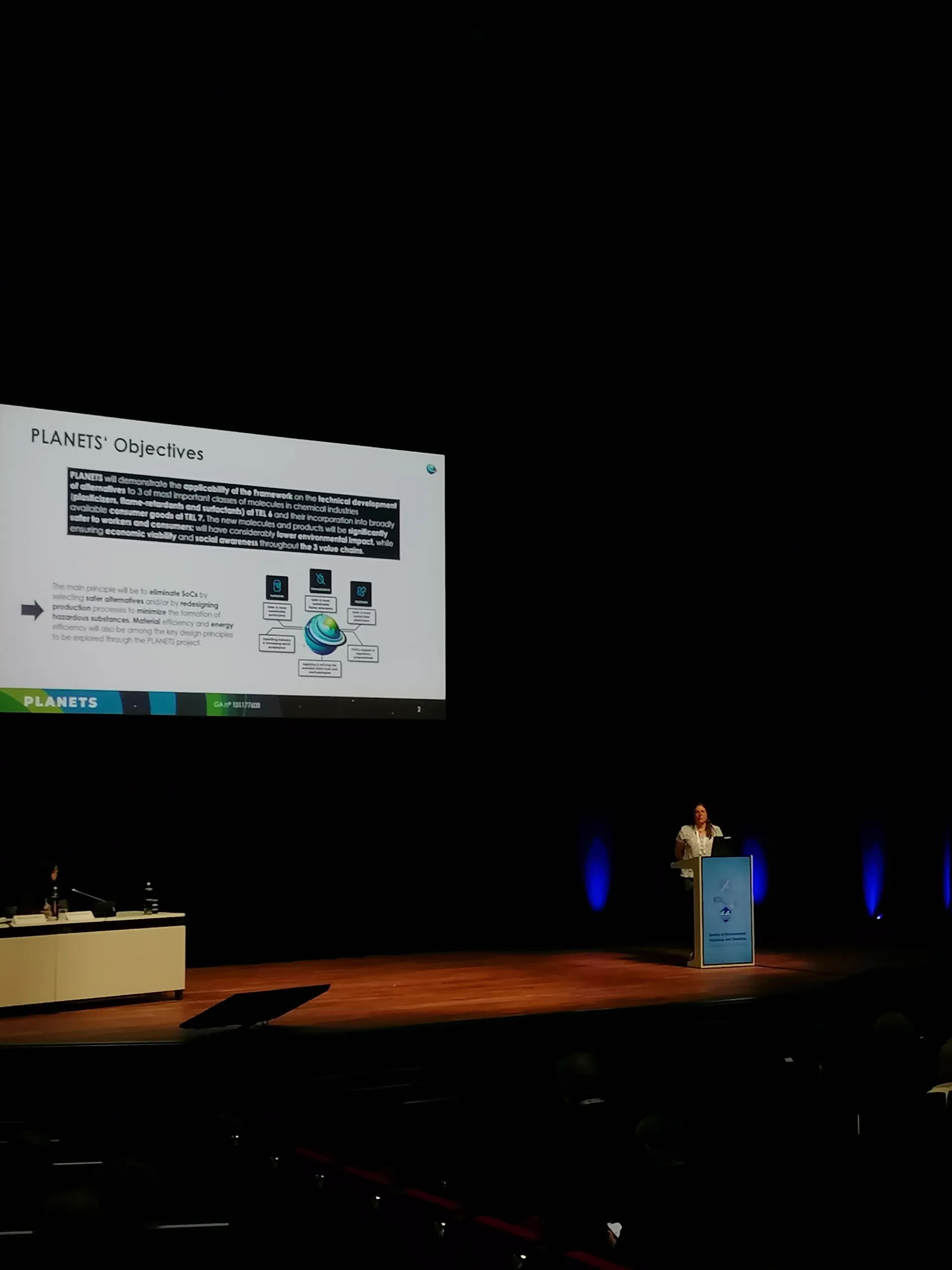
- Joséphine Steck (CEA) delivered an oral presentation about the PLANETS’s Workflow on 21 May. Under the title “Operationalising Safe and Sustainable by Design for Industry: Mapping, Coordinating, and Structuring Chemical and Material Innovation with the PLANETS Workflow”, she explained that the PLANETS’ Workflow is co-developed by a multidisciplinary team through iterative cycles, tackling key SSbD challenges. Drawing on insights from the literature, the resulting structure includes two main phases (scoping and assessment) supported by an educational kit. The assessment phase is further subdivided into simplified, intermediate, and full tiers, enabling a progressive and adaptable evaluation process. The overall process requires adapting to varying numbers of alternatives, potentially clustering similar options for feasibility. SSbD ambassadors to each CS supported coordination, stakeholder engagement facilitation, and integration of safety and sustainability from the start.
- Wendel Wohlleben (former BASF) presented, on 21 May a poster about the NSC workshops on SSbD scenarios organised in 2025. Title of the poster: “Tailoring, Tiering and Archetypal Scenarios: Outcome of two Workshops on SSbD Scenarios in the Network for Safe and Sustainable Chemicals & Materials (NSC)” .
Additionally, PLANETS coordinator organised an informal meeting with the RESILIENCE-24 sister projects to discuss “day-by-day” activities in the projects and how to increase collaboration in selected topics.
The participation in SETAC Europe 2026 provided an important opportunity for PLANETS partners to disseminate research outcomes, engage with experts, and strengthen collaboration. The posters and oral presentations generated valuable scientific discussions around SSbD and scientific communication. The event also contributed to increasing the visibility of the project and fostering future networking and collaboration opportunities.
Relevant links:
September 2, 2026
Recap of the PLANETS SSbD Training on the Safety dimension – Session 2 (26.06.2026, online)
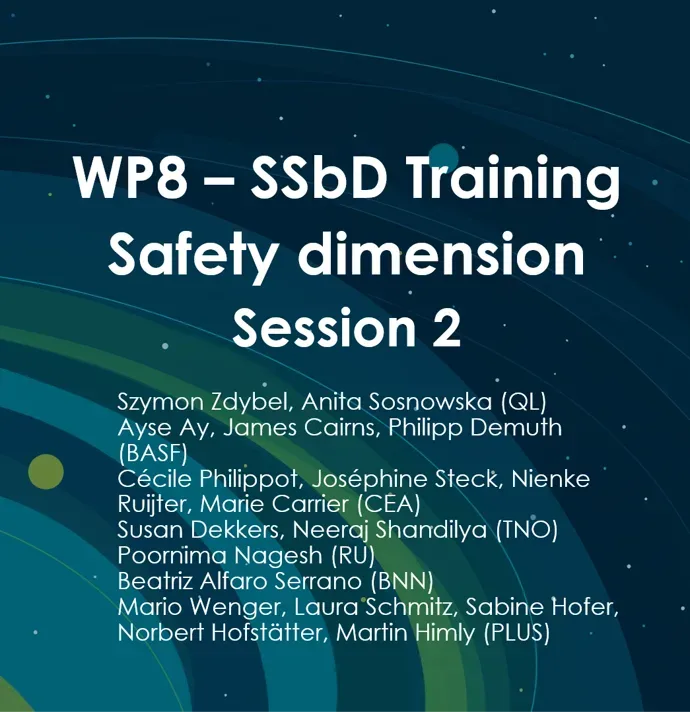
On 26 June 2026, the PLANETS consortium organised the second virtual internal training session on the Safety Dimension of Safe-and-Sustainable-by-Design (SSbD). This second training of the series of trainings in this topic began with a recap of the Session 1 (see Session 1 here), providing context for the audience and giving some basic background on the safety dimension in SSbD, as well as its aims. Session 2 focused on Tier 2 Safety Assessment, introducing computational methods for hazard, exposure, toxicokinetics, migration, and process safety within the SSbD framework.
Highlights of the workshop
Martin Himly (PLUS), leader of the training work package within PLANETS, started the training session with a recap of the first session of this series (see Session 1 here), reinforcing the concepts of hazard, exposure, and risk, and introducing the transition from qualitative Tier 1 screening to semi-quantitative Tier 2 assessment, characteristic of the intermediate assessment stage. He explained that Tier 2 relies heavily on computational models, existing databases, and New Approach Methodologies (NAMs) to efficiently fill data gaps before considering higher-tier experimental testing. The session emphasised that hazard and exposure assessments follow a tiered and iterative process, in which substances identified as problematic can be redesigned and reassessed.
Szymon Zsybel and Anita Sosnowska (QSAR Lab) discussed in silico methods for hazard assessment, as well as their regulatory aspects (i.e. the regulatory use of in silico hazard assessment), covering also relevant OECD guidelines and EC JRC recommendations for hazard assessment.
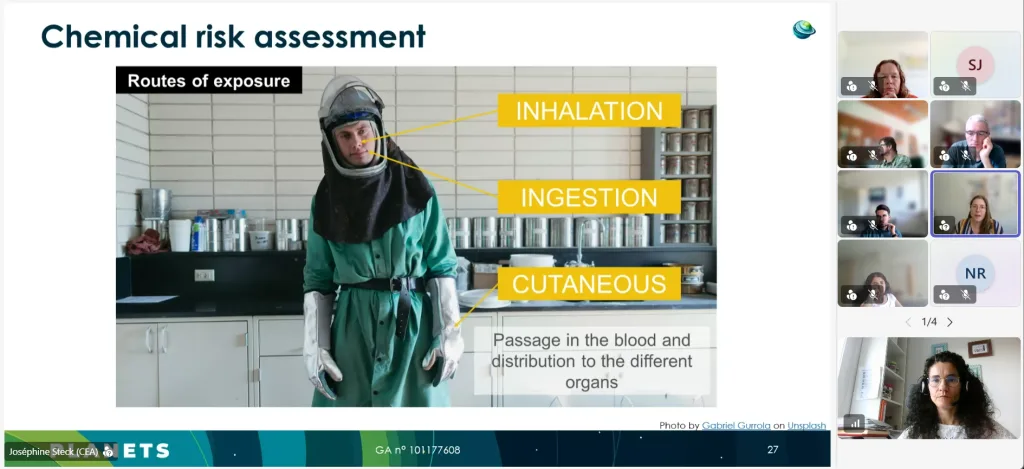
Neeraj Shandilya dived into exposure modelling, explaining why exposure assessment matters (as there is no risk if there is only a hazard and no exposure), and outlining the information an exposure assessment provides. He also covered exposure pathways, i.e. the routes by which chemicals enter the human body, and (exposed) populations (since not everyone is exposed in the same way), providing some examples of exposure scenarios and their contributing factors. He described the exposure assessment workflow and in silico exposure models, describing what they are and why they are used. He also presented some tools for performing exposure assessments, explaining when to use each one depending on the exposure scenario (e.g., Stoffenmanager, ECETOC TRA, EUSES, USEtox).
Poornima Nagesh (Radboud University) continued with exposure modelling, moving towards environmental exposure. She introduced the main fate and transport processes and showed how these are used to assess environmental exposure and impacts. She also explained how the USEtox tool can be used to assess the potential environmental and human health impacts of chemicals.
Philipp Demuth (BASF) introduced toxicokinetics (the fate of a substance in the human body, what the body does with a substance) and toxicodynamics (the effect of a substance on the human body) to explain how external exposure relates to internal (inside of the human body) exposure. He also explained how to relate the two using PBTK (Physiologically Based Toxicokinetic) modelling, which translates external exposure into internal concentrations through ADME (absorption, distribution, metabolism and excretion) processes. This enables reverse dosimetry and in vitro to in vivo extrapolation (IVIVE). He also explained the input and output parameters, different PBTK models (bottom-up pharmaceutical vs. generic PBTK models), parameterisation of PBTK models, and their representation using concentration-time curves. He provided insight into a publicly accessible PBTK model called Integrated Chemical Environment, which is provided by the National Toxicology Program of from the US Department of Health and Human Services, and explained how to use the model, introduce parameters, and analyse its outcome: the plasma-concentration-time curves.
Next, Mario Wenger (PLUS) discussed the migration (degradation) and release of substances and how to determine them, using examples of food contact materials and medical devices to illustrate how to estimate chemical transfer and resulting exposure.
Finally, Ayse Ay (BASF) focussed on in chemico NAMs (New Approach Methodologies) for hazard assessment, to estimate and measure the activity of the chemical substances leakages as alternative to animal testing. She provided insight into advantages and limitations of in chemico approaches in toxicity prediction, and talked about process-related safety assessments to address the accidental release of chemical substances and reduce potential hazards. She also presented tools for carrying out such type of assessments.
The training also offered several simple, interactive exercises, involving the audience (using Mentimeter), to test their knowledge of concepts learned during the training session.
The following PLANETS partners were involved in the preparation of this training: Szymon Zdybel, Anita Sosnowska (QSAR Lab), Ayse Ay, James Cairns, Philipp Demuth (BASF), Cécile Philippot, Joséphine Steck, Nienke Ruijter, Marie Carrier (CEA), Susan Dekkers, Neeraj Shandilya (TNO), Poornima Nagesh (Radboud University), Beatriz Alfaro Serrano (BNN), and Mario Wenger, Sabine Hofer, Norbert Hofstätter, and Martin Himly (PLUS).
Training Materials – In preparation
Building on insights gained from this internal training session, PLANETS has developed external training materials for this second session of the Safety dimension of SSbD training series. These materials include:
- Training materials: Presentation slides & summary of the session
- Recording of the training session
All training materials are available in the PLANETS community on Zenodo under a Creative Commons Attribution 4.0 International licence, which allows for redistribution and reuse with proper credit to the creators. You can access them here, with DOI: 10.5281/zenodo.22874888.
Additionally, all recorded sessions can be viewed on the PLANETS YouTube channel.
August 24, 2026
Recap of the PLANETS SSbD Training on the Safety dimension – Session 1 (19.06.2026, online)
On 19 June 2026, the PLANETS consortium organised a virtual internal training session on the Safety Dimension within Safe-and-Sustainable-by-Design (SSbD), as the first of a series of trainings in this topic. The session began with basic background on the safety dimension in SSbD, as well as the importance to assess both hazard and exposure. It provided an overview of the safety information provided by safety data sheets of individual materials/substances (MSDS). It navigated through hazard databases, including the Substance Information System (SIS) as an example, as well as grouping and read across approaches. Finally, the training provided insight into the role of regulatory toxicology and toxicologists in their daily praxis.
Highlights of the workshop
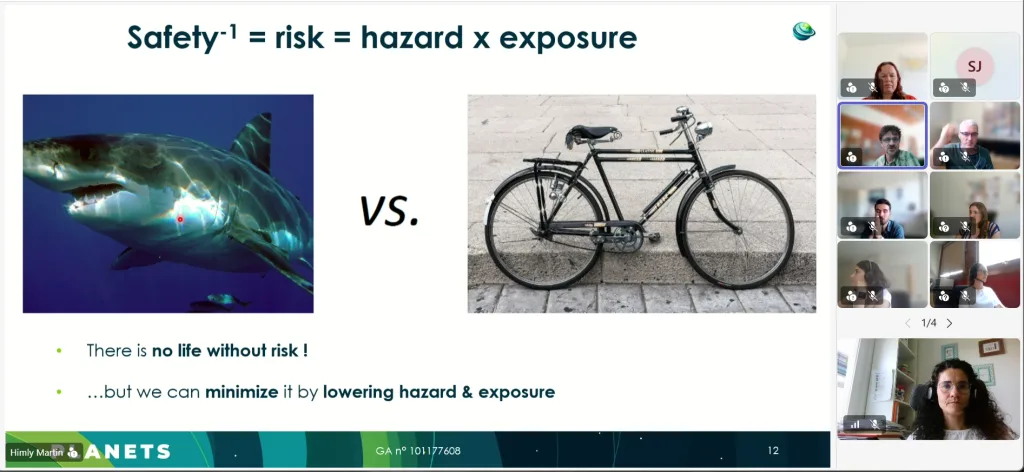
Martin Himly (PLUS), leader of the training work package within PLANETS, started the training session by introducing the basics of the safety dimension in SSbD: what is safety, definition of risk, when I am at risk, how exposure determines risk, factors that impact the toxicity of chemicals and materials, and relevant terminology related to safety. He also referred to Paracelsus (1493–1541), a Swiss-Austrian physician and alchemist, widely recognized as the father of toxicology, as he revolutionized the field by shifting the understanding of poisons away from superstition, establishing the foundation of modern chemical therapy and scientific toxicology. The training also offered simple interactive exercises, involving participants (using Mentimeter), to test the knowledge of the audience regarding the interpretation of toxicity of different materials.
Together with Joséphine Steck (CEA), the audience dived into chemical risk assessment and risk mitigation, the general prevention principles to mitigate a risk and the stop principles. This also covered hazard of chemical products, like identification and communication tools, essential elements of MSDS with hazard and precautionary statements, symbols, signal words, etc. The training also introduced the Classification, Labelling and Packaging (CLP) European regulation. Jointly with Cécile Philippot (CEA) and supported by Beatriz Alfaro Serrano (BNN), they guided the participants through an interactive exercise (via Mural) on information content that can be retrieved from MSDS aiming to decide on the most appropriate / less hazardous options from an offered set of paints. This was conducted by using the information provided complemented by the hazard pictograms and the labelling information.
Susan Dekkers (TNO) then introduced the participants to publicly available hazard databases, including the Substance Information System (SIS), explaining why and how to use them, and introducing concepts such as occupational exposure limits, grouping, and read-across approaches for assessing substances.
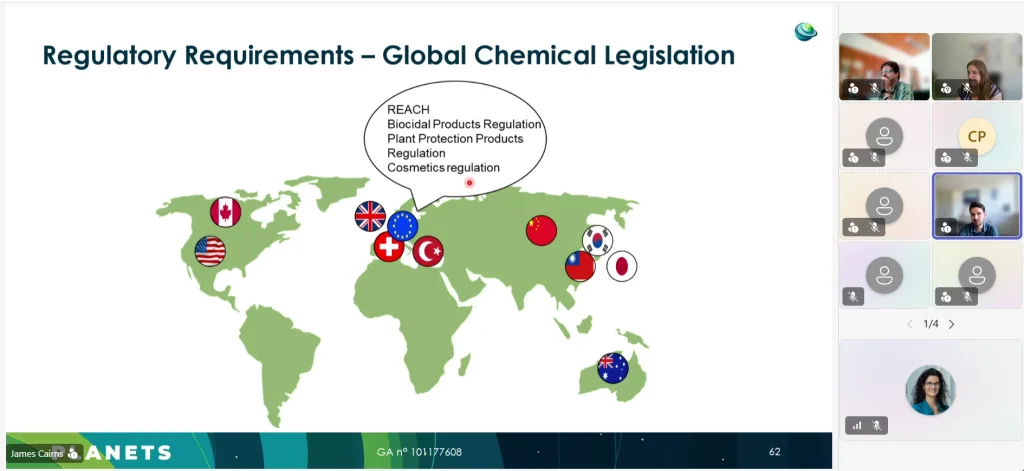
The final part of the training, provided by James Cairns (BASF), focused on the work of regulatory toxicologists in industry, highlighting their role in chemical safety assessments, regulatory compliance, dossier preparation, and the development of testing strategies that support both human health and environmental protection.
The following PLANETS partners are involved in the preparation of the entire Safety training series: Szymon Zdybel, Anita Sosnowska (QSAR Lab), Ayse Ay, James Cairns, Philipp Demuth (BASF), Cécile Philippot, Joséphine Steck, Nienke Ruijter, Marie Carrier (CEA), Susan Dekkers, Neeraj Shandilya (TNO), Poornima Nagesh (Radboud University), Beatriz Alfaro Serrano (BNN), and Mario Wenger, Sabine Hofer, Norbert Hofstätter, Martin Himly (PLUS).
Training Materials – In preparation
Building on the insights from this internal training, PLANETS has developed external training materials for the Safety dimension of SSbD. These materials include:
- Presentation slides
- Summary of the session
- Recording of the training session
All training materials are available in the PLANETS community on Zenodo under a Creative Commons Attribution 4.0 International licence, which allows for redistribution and reuse with proper credit to the creators. You can access them here, with DOI: 10.5281/zenodo.22872322.
Additionally, all recorded sessions can be viewed on the PLANETS YouTube channel.
July 16, 2026
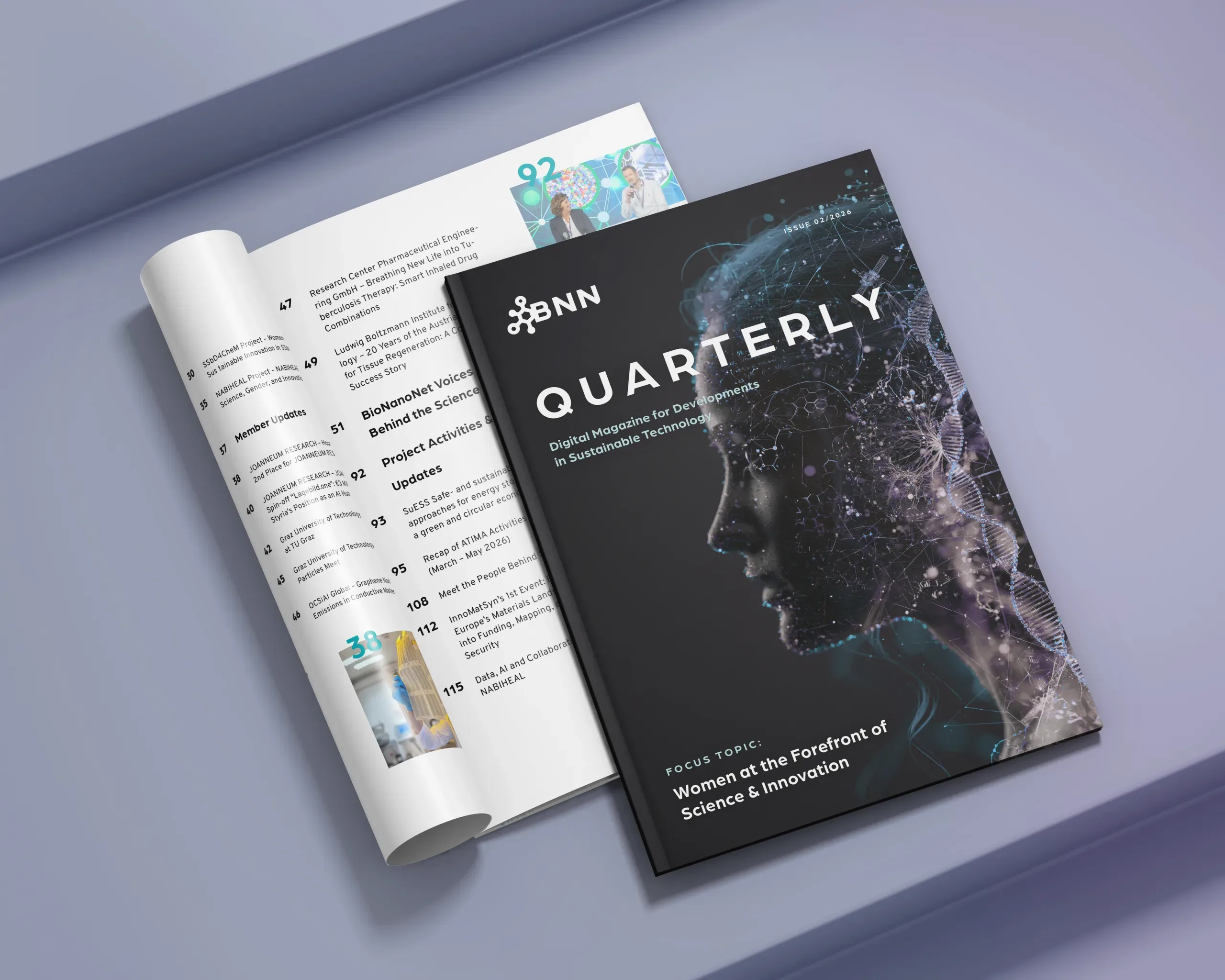
PLANETS featured in BNN QUARTERLY (July 2026)
Discover the latest edition of the BNN QUARTERLY (Issue 02/2026), “Women at the Forefront of Science & Innovation“. The issue features the PLANETS article Women at the Forefront of Science & Innovation in the PLANETS Project (page 23).
Enjoy reading!
July 6, 2026
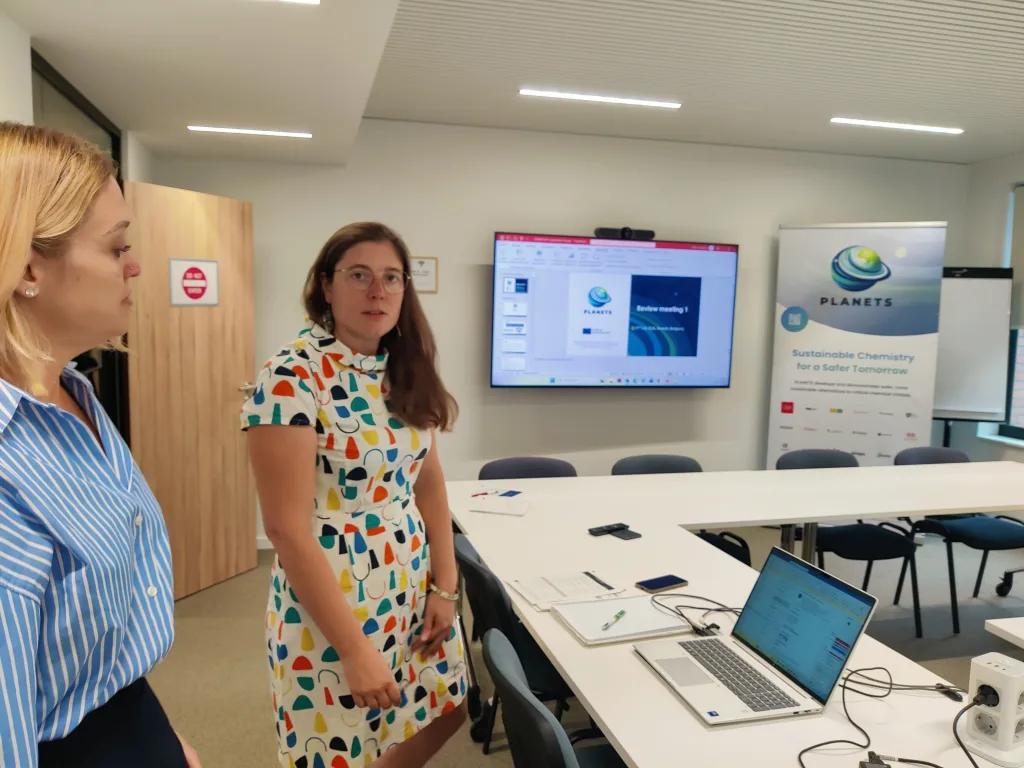
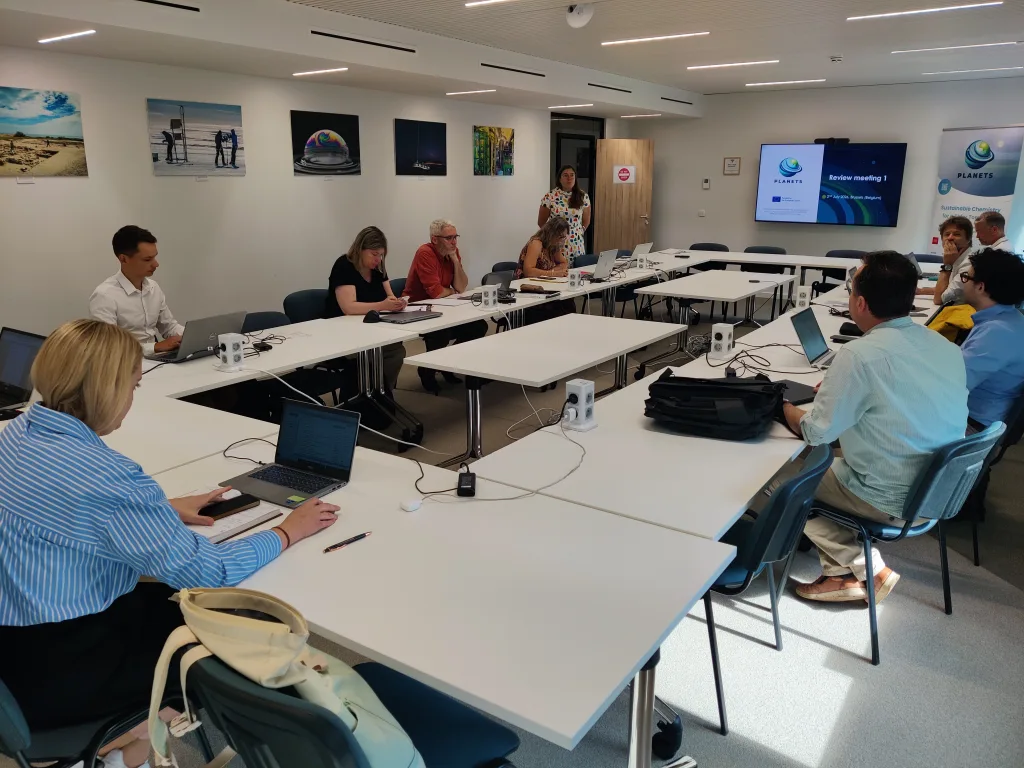
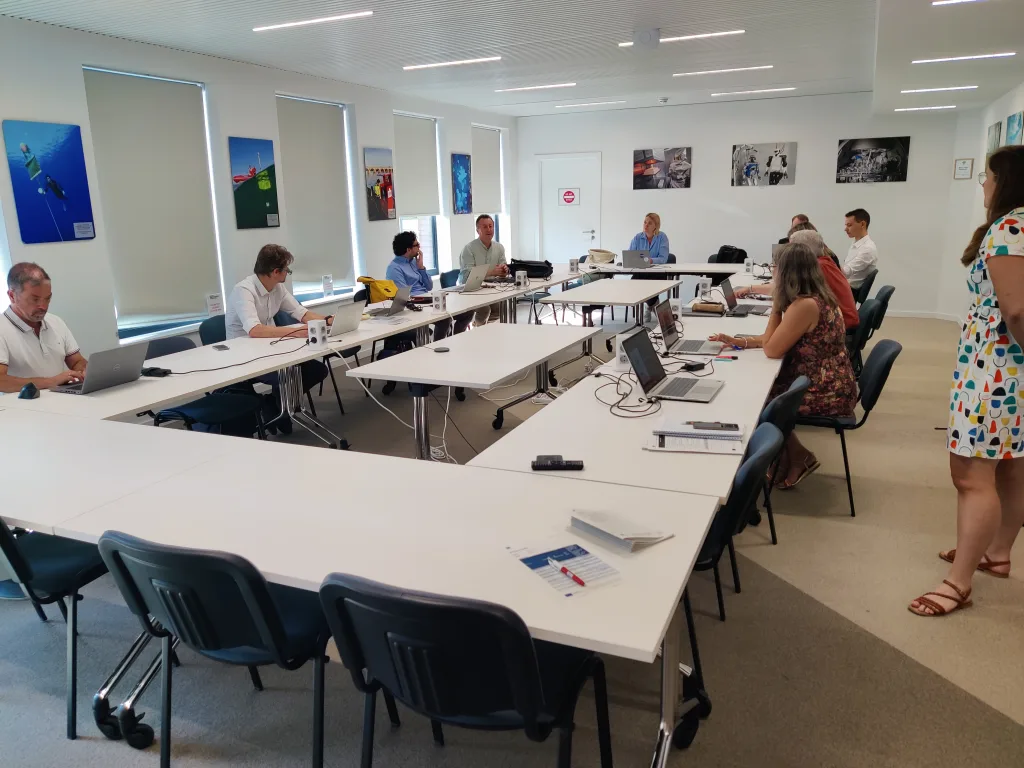
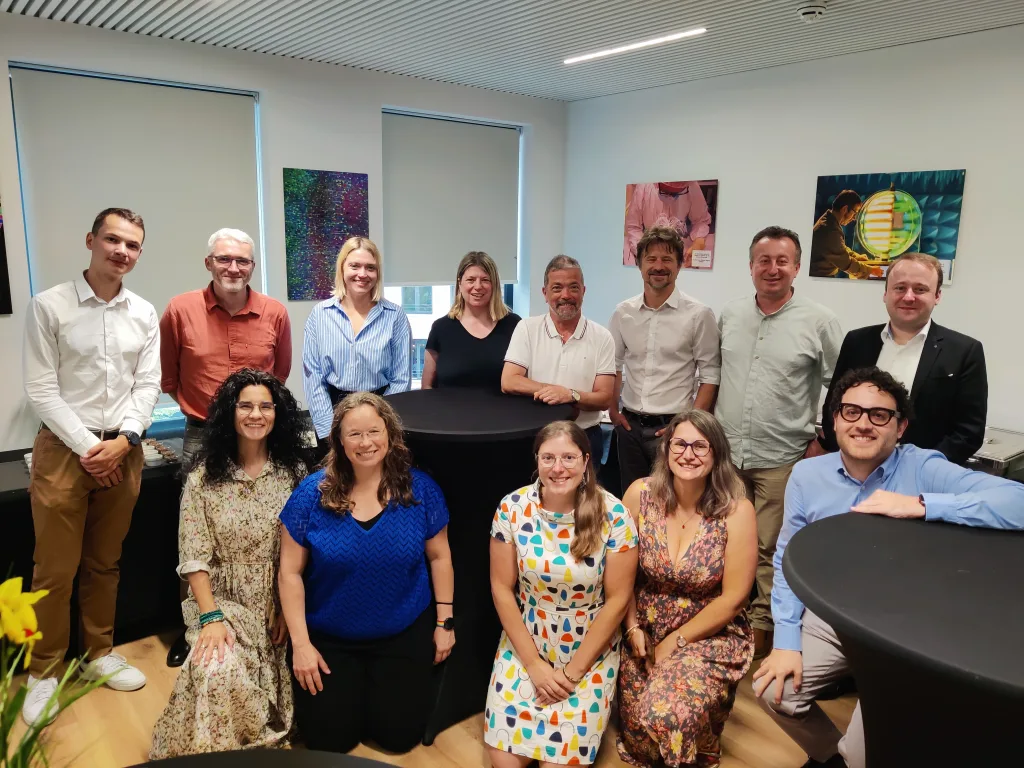
PLANETS Review Meeting 1 (02.07.2026, Brussels)
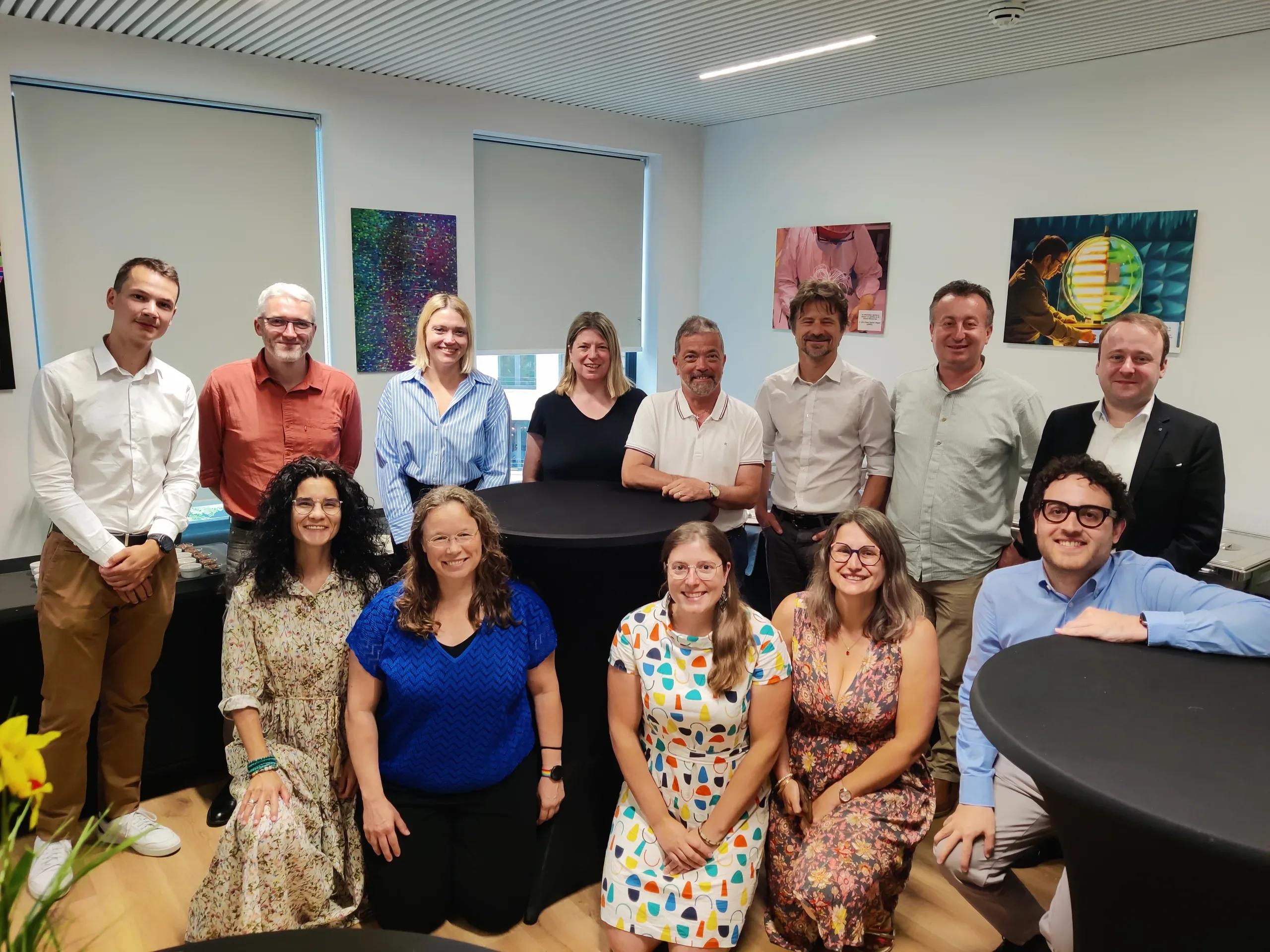
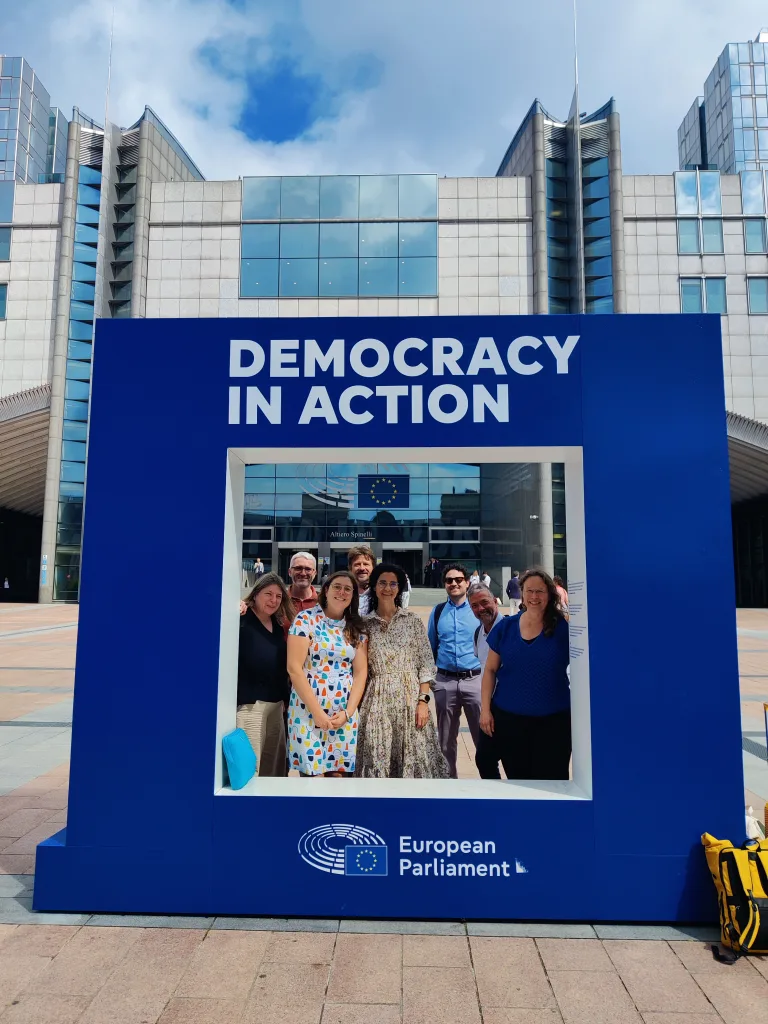
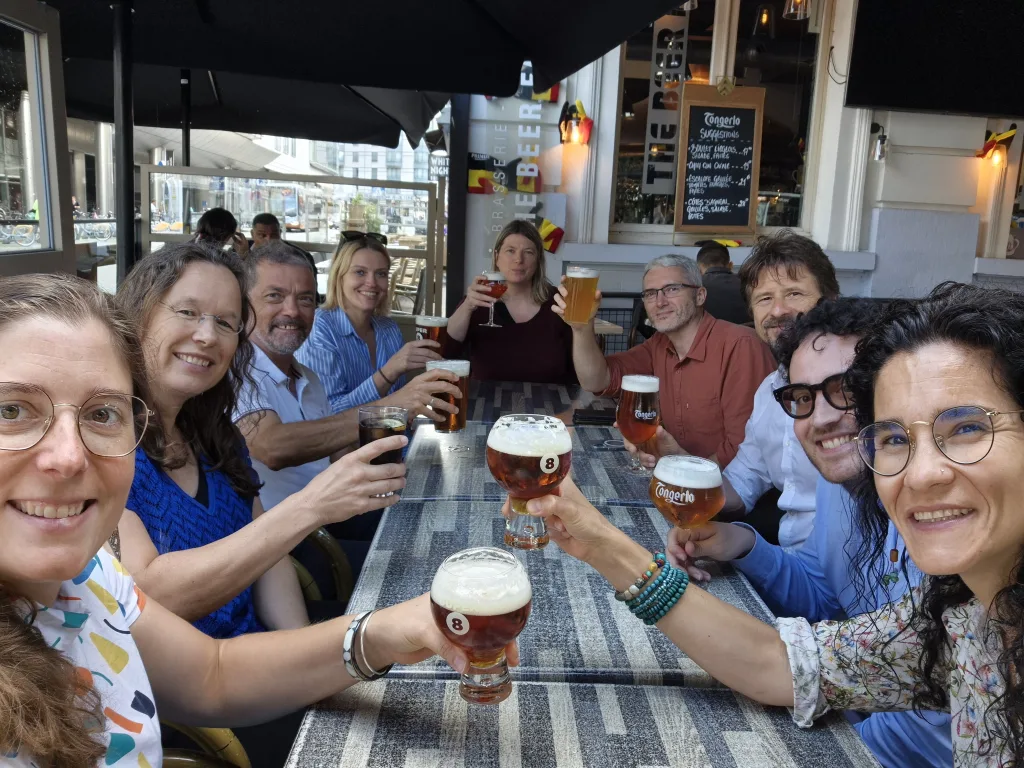
After 18 months of intensive work, the PLANETS consortium gathered in Brussels on 2 July 2026 for its first project review meeting with the European Commission. During the meeting, coordinator and work package leaders presented the progress achieved throughout the first reporting period, highlighting the project’s scientific, technical, as well as communication and dissemination activities, as well as the milestones reached towards advancing Safe and Sustainable by Design (SSbD).
We would like to sincerely thank our Project Officer, Cristian Iacob from the European Health and Digital Executive Agency (HaDEA), and our external monitor, Annamaria Vujanović, from the University of Maribor, for their constructive comments, valuable feedback, and fruitful discussions. Their recommendations will help guide the next phase of the project as we continue to develop innovative solutions and strengthen collaboration across the consortium and other relevant stakeholders in the months ahead.
June 11, 2026
PLANETS joins expanded RES-22 Cluster for Training, C&D and SE activities
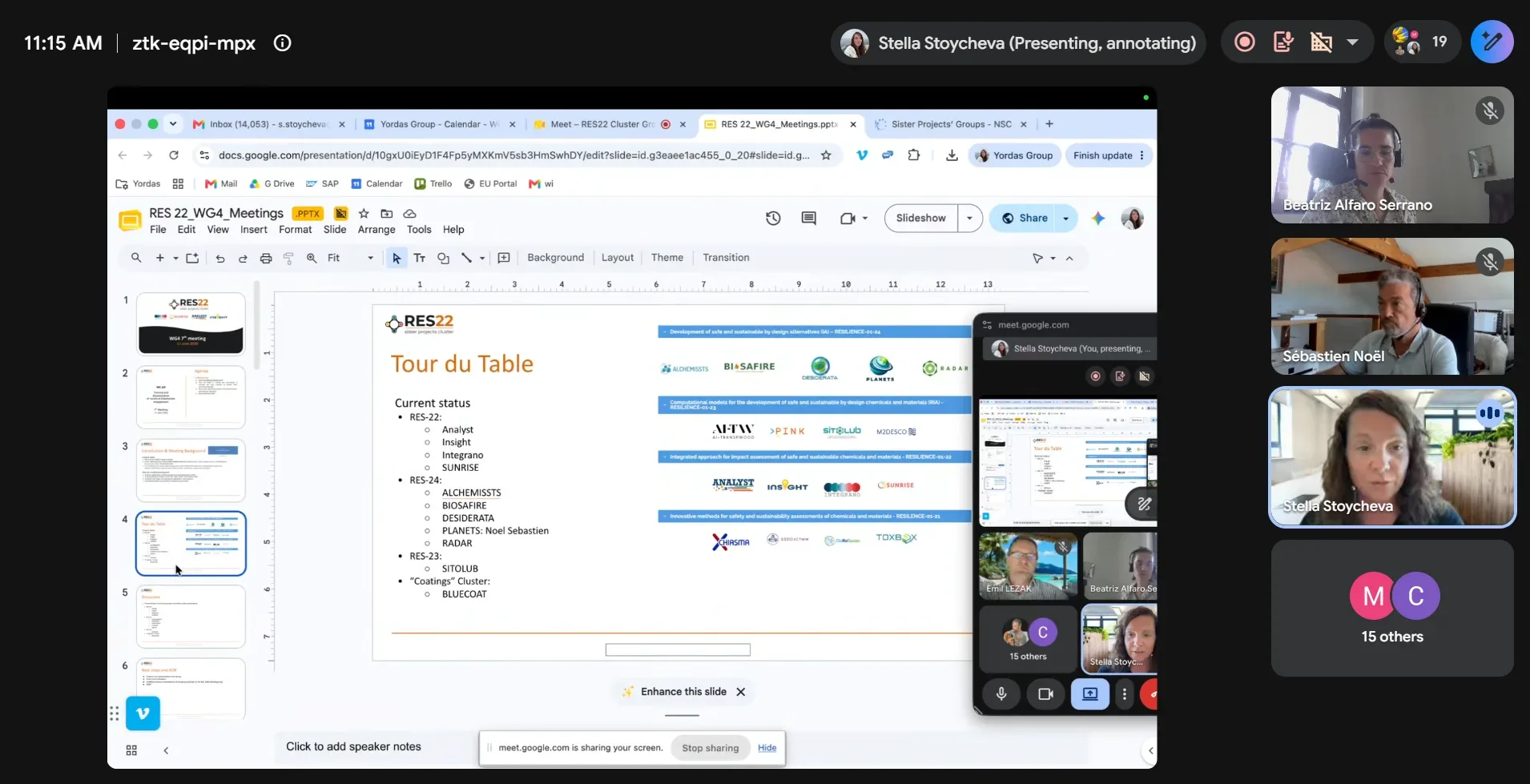
On 11 June 2026, representatives from PLANETS participated in the 7th RESILIENCE-22 Cluster Working Group meeting dedicated to Training, Dissemination, Communication and Stakeholder Engagement. The meeting brought together 19 participants from projects funded under the RES-22, RES-23 and RES-24 calls, with the objective of strengthening collaboration, fostering synergies, avoiding duplication of efforts across related initiatives, as well as benefiting from larger and divers stakeholder audiences.
The meeting marked an important step towards expanding the existing RES-22 cluster activities to include projects from the newer RES-24 call, creating a broader network of projects working on Safe-and-Sustainable-by-Design (SSbD), advanced materials and chemical safety.
During the tour the table and further discussion participating projects presented their projects, their ongoing and upcoming activities. PLANETS was represented by Sébastien Noel (CEA), deputy Coordinator, Beatriz Alfaro (BNN), responsible for Communication, Dissemination and Stakeholder Engagement activities, and Cécile Philippot (CEA), leading the SSbD activities.
A central topic of discussion was the identification of opportunities for joint activities across projects, including co-organised events, shared training materials, stakeholder outreach actions and dissemination campaigns. Participants agreed on the value of engaging broader and more diverse stakeholder communities beyond individual project networks and sister clusters.
The meeting reaffirmed the commitment of the participating projects to work together towards common goals, strengthening the impact of European research and innovation efforts in the field of chemicals, advanced materials and Safe-and-Sustainable-by-Design approaches.
PLANETS looks forward to continuing these collaborative discussions and contributing to future joint activities that enhance knowledge sharing, stakeholder engagement and the uptake of project results across Europe.
May 29, 2026
PLANETS Questionnaire on Social Acceptance
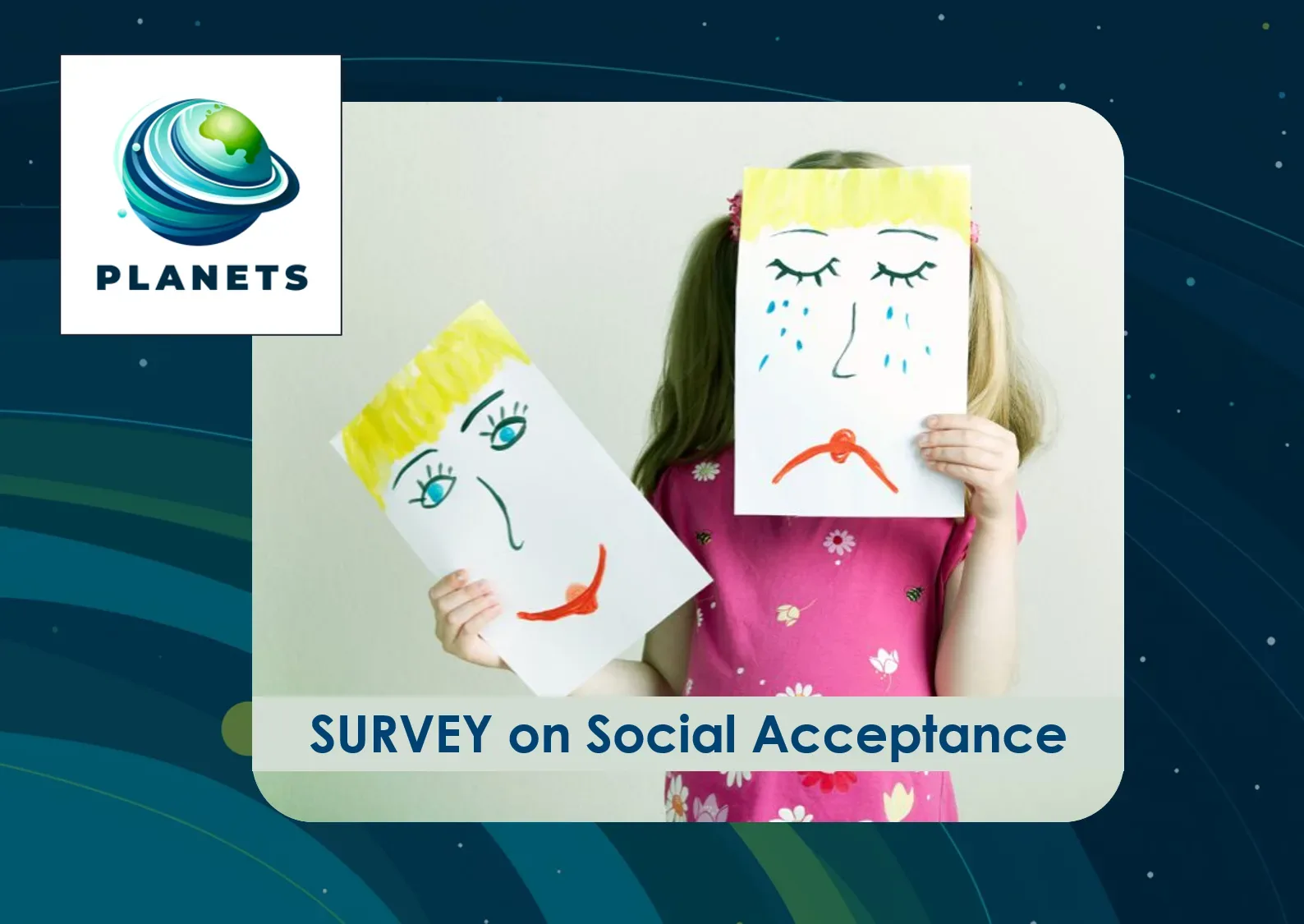
Within the PLANETS project we are conducting this survey to assess stakeholder perceptions and social acceptance of safer and more sustainable alternatives to conventional chemical substances developed within the project.
The survey aims to gather insights on the opportunities, challenges, and social acceptance of these innovative solutions among relevant stakeholders. Your feedback will help the project better understand opportunities and barriers related to their future uptake and acceptance. The survey is modular and includes a general section for participants without technical expertise in the topic, as well as technical sections for each value chain, which respondents will be asked to select according to their area of expertise.
The survey is available in English, French, German, Italian, and Spanish.
Access the survey here and have your say now!