logotype
  • Project
    • About PLANETS
    • Objectives
  • Applications
    • Surfactants
    • Flame retardants
    • Plasticizers
  • Partners
  • Collaborations
  • Resources
  • News
  • Contact
Linkedin
logotype
  • Project
    • About PLANETS
    • Objectives
  • Applications
    • Surfactants
    • Flame retardants
    • Plasticizers
  • Partners
  • Collaborations
  • Resources
  • News
  • Contact
Linkedin
  • Project
    • About PLANETS
    • Objectives
  • Applications
    • Surfactants
    • Flame retardants
    • Plasticizers
  • Partners
  • Collaborations
  • Resources
  • News
  • Contact
logotype
  • Project
    • About PLANETS
    • Objectives
  • Applications
    • Surfactants
    • Flame retardants
    • Plasticizers
  • Partners
  • Collaborations
  • Resources
  • News
  • Contact
News
HomeNewsPage 2

Category: News

GroupPic_2
News
October 27, 2025

PLANETS M12 General Assemby in Utrecht (Netherlands) (Oct. 2025)

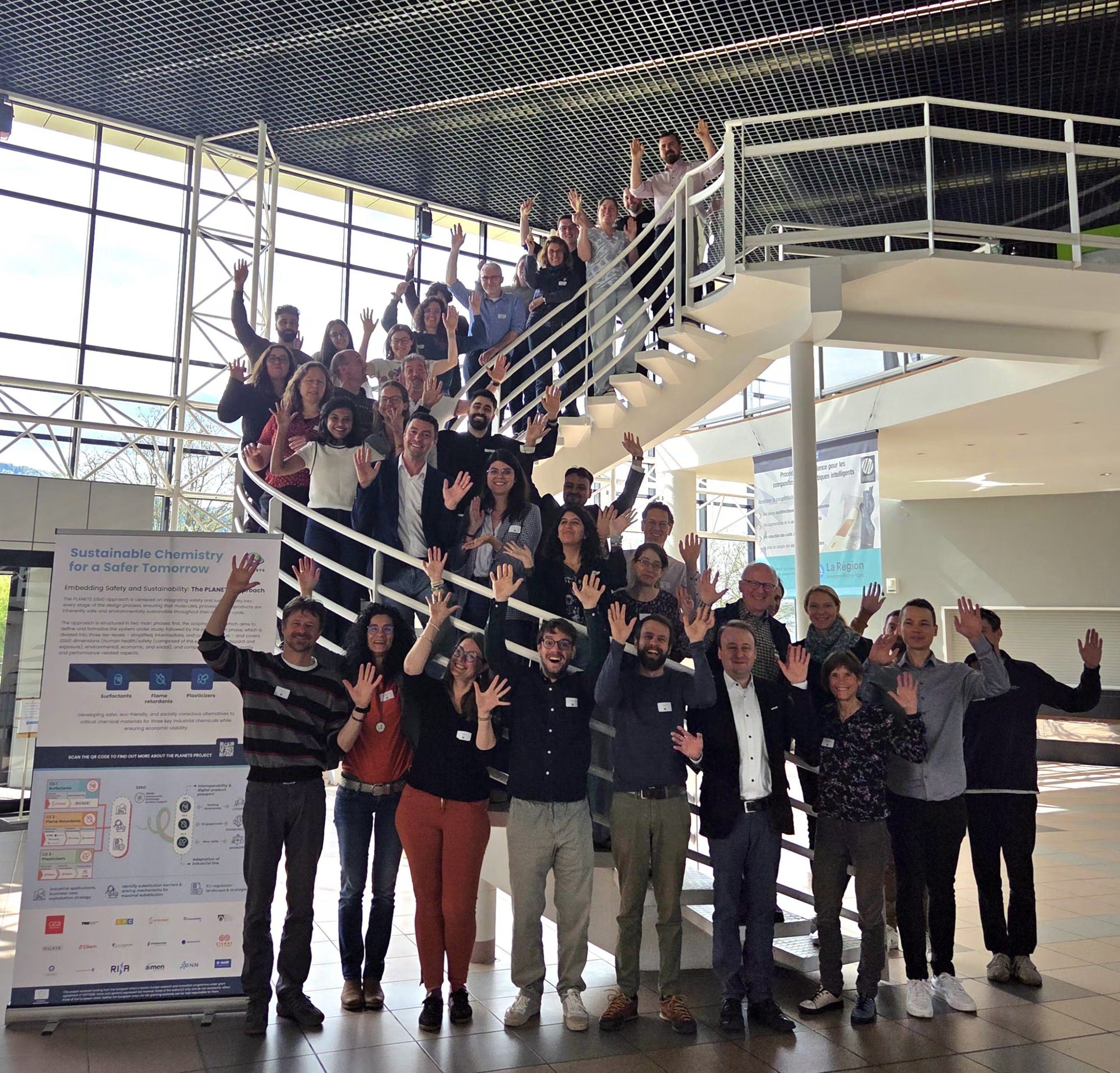
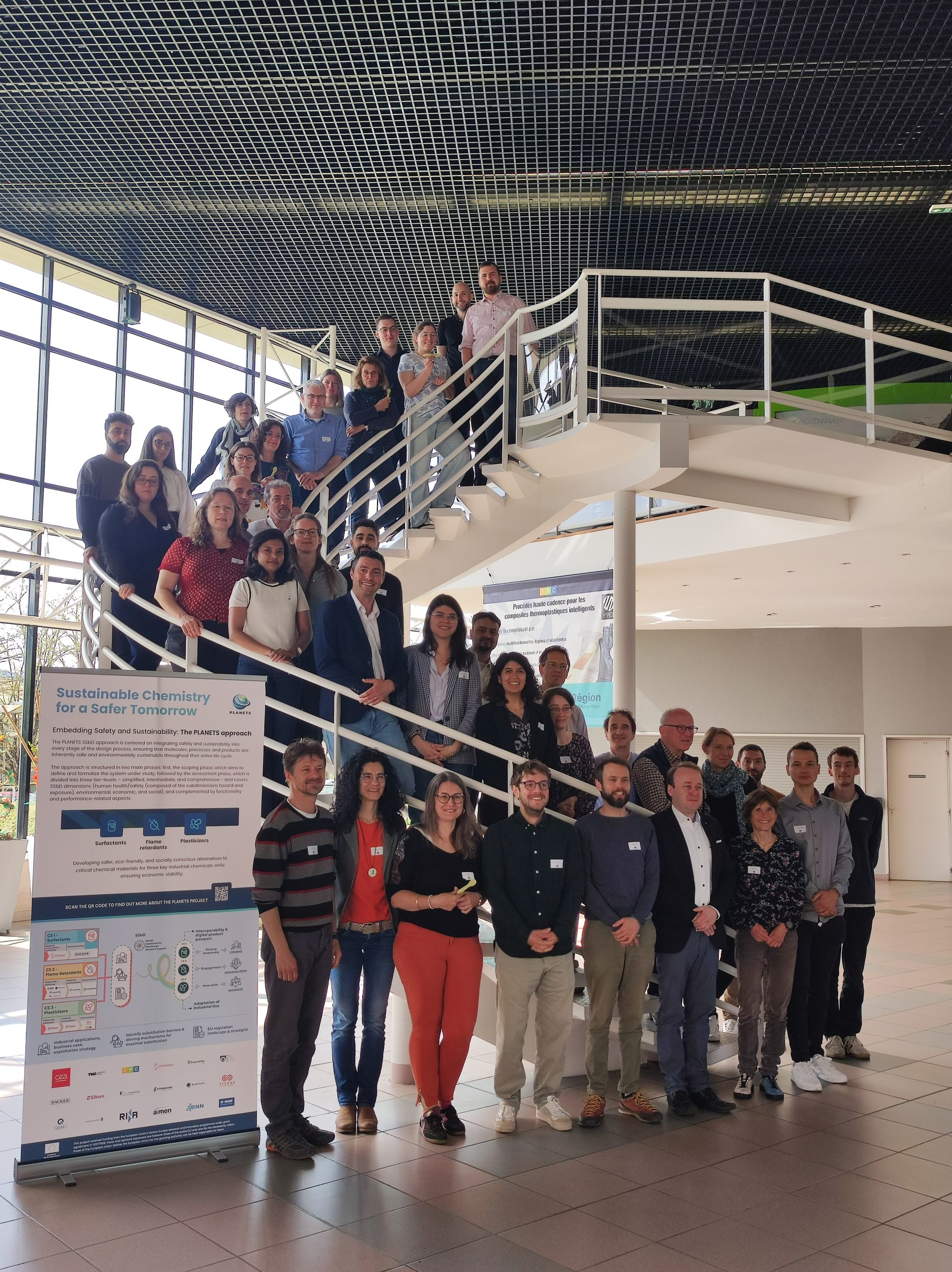
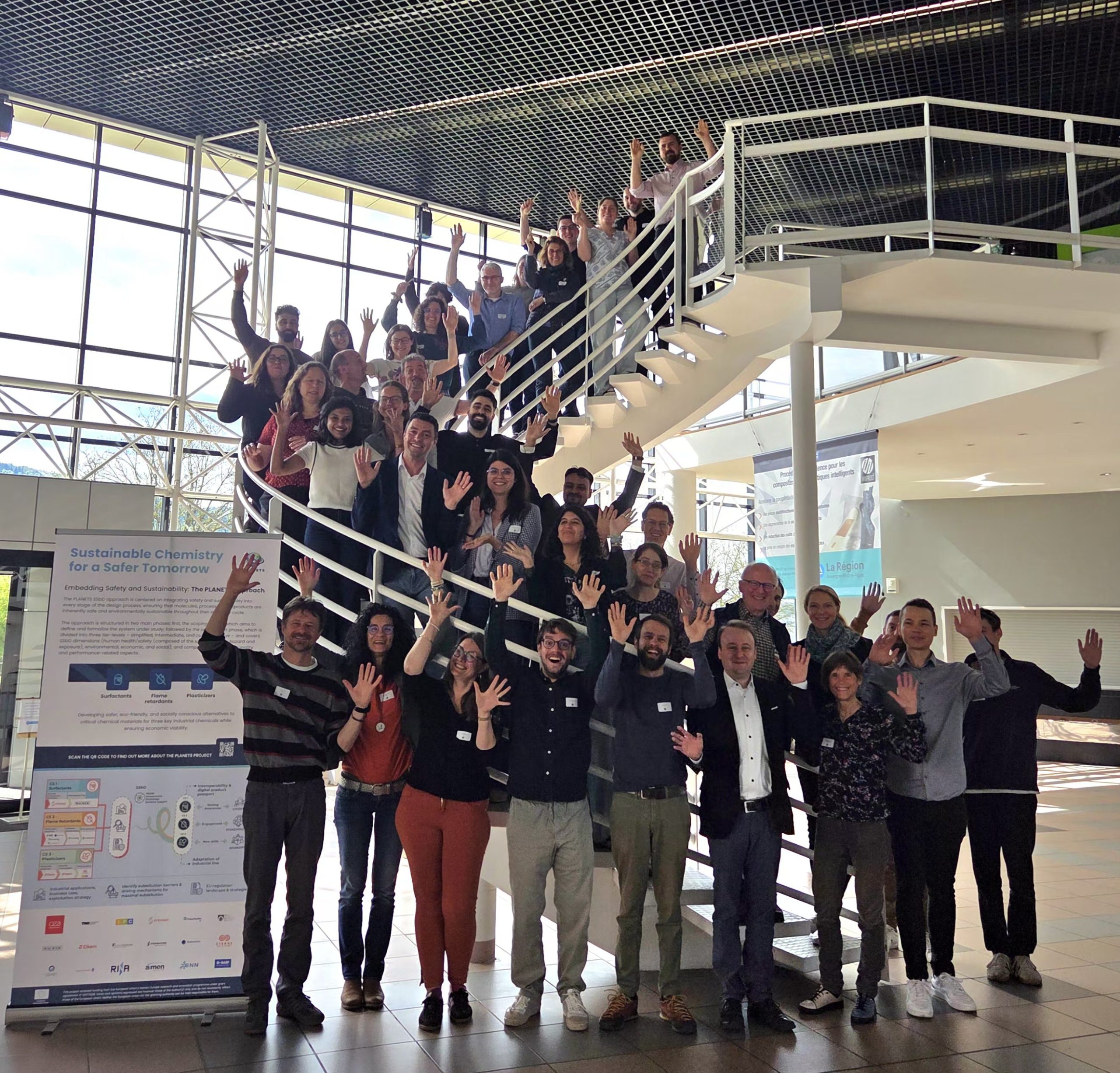
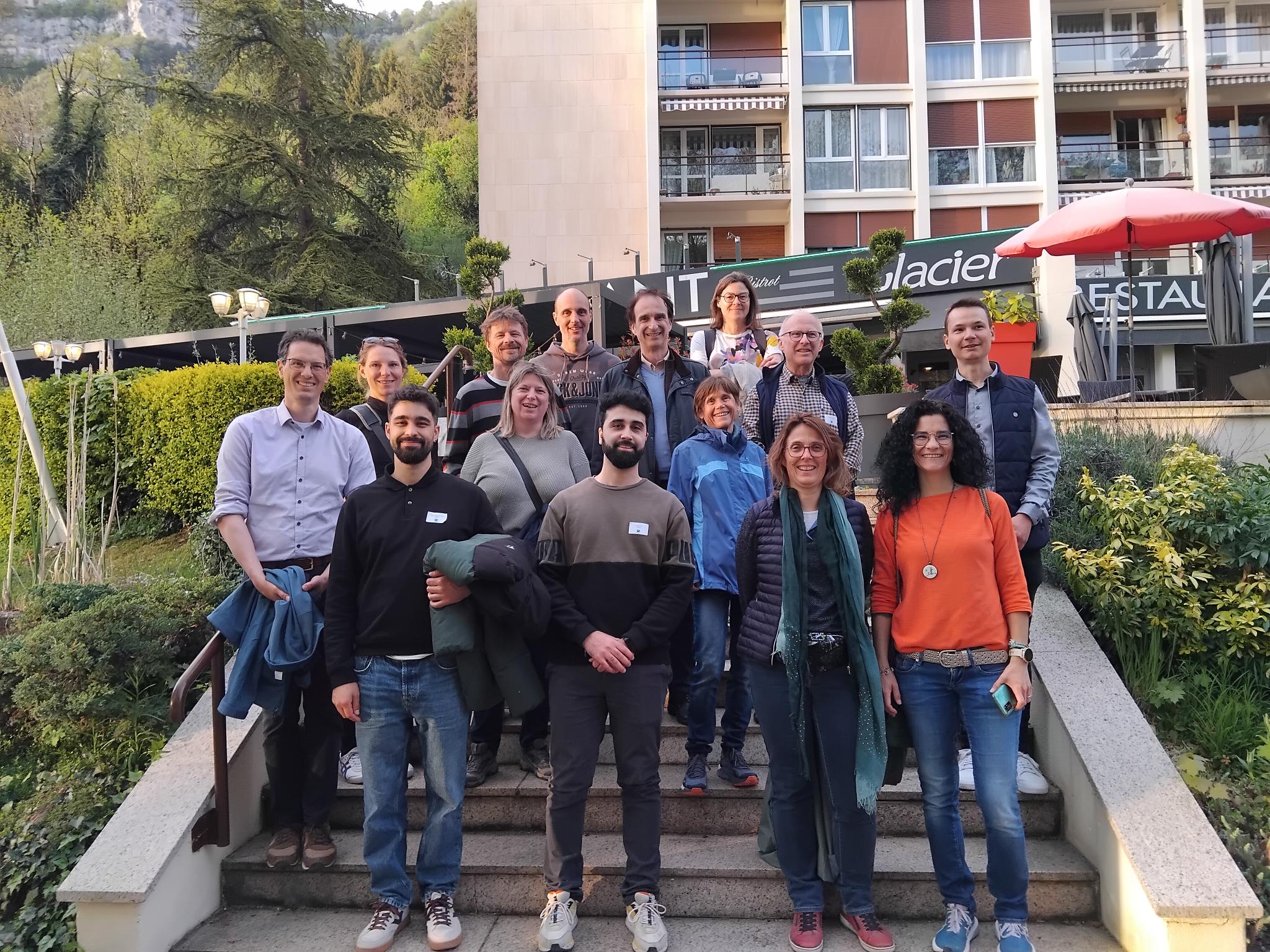
After a year of intensive collaboration, PLANETS partners gathered on 15–16 October 2025 for the M12 General Assembly in the historic and picturesque city of Utrecht, the Netherlands.

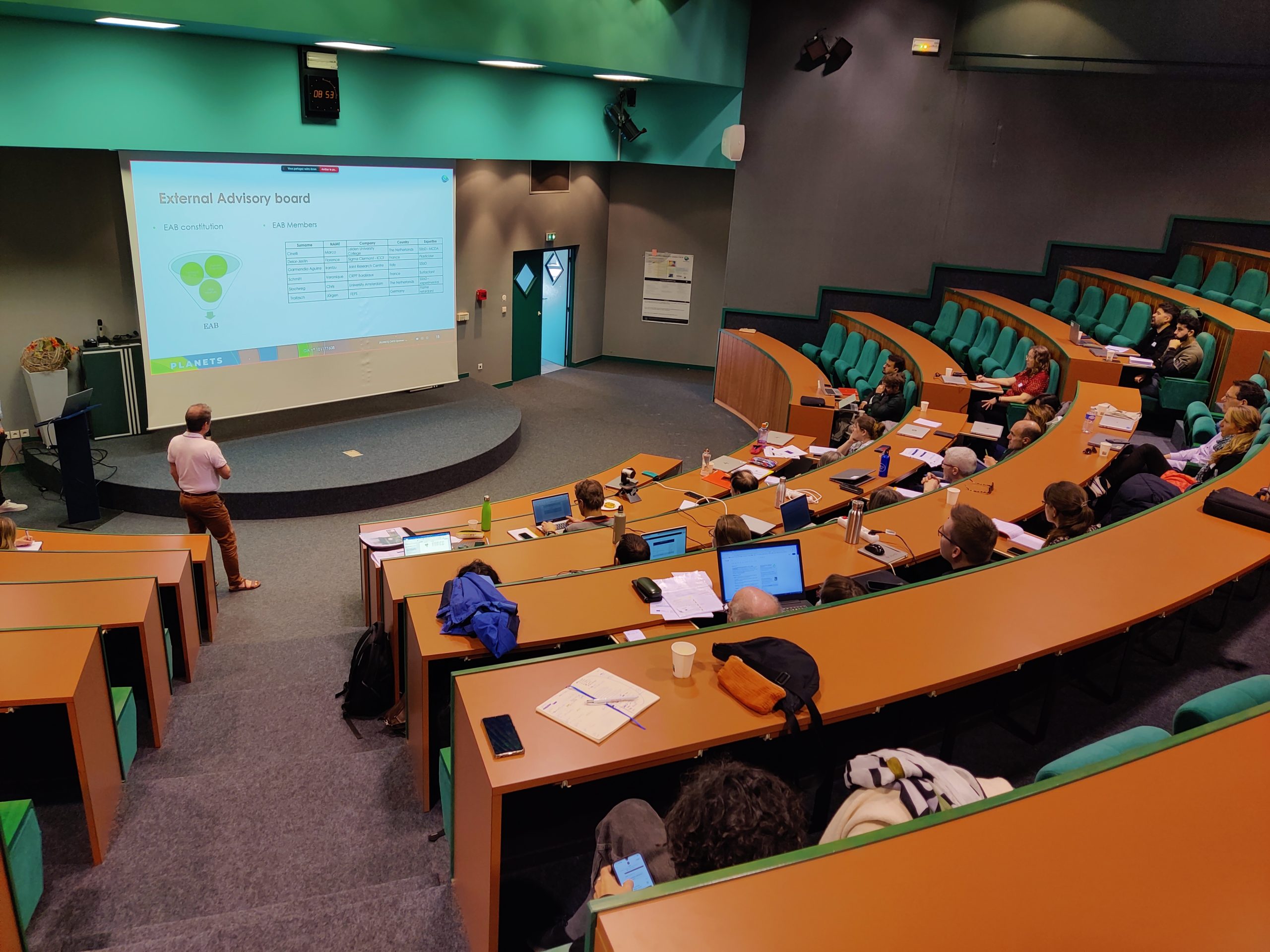
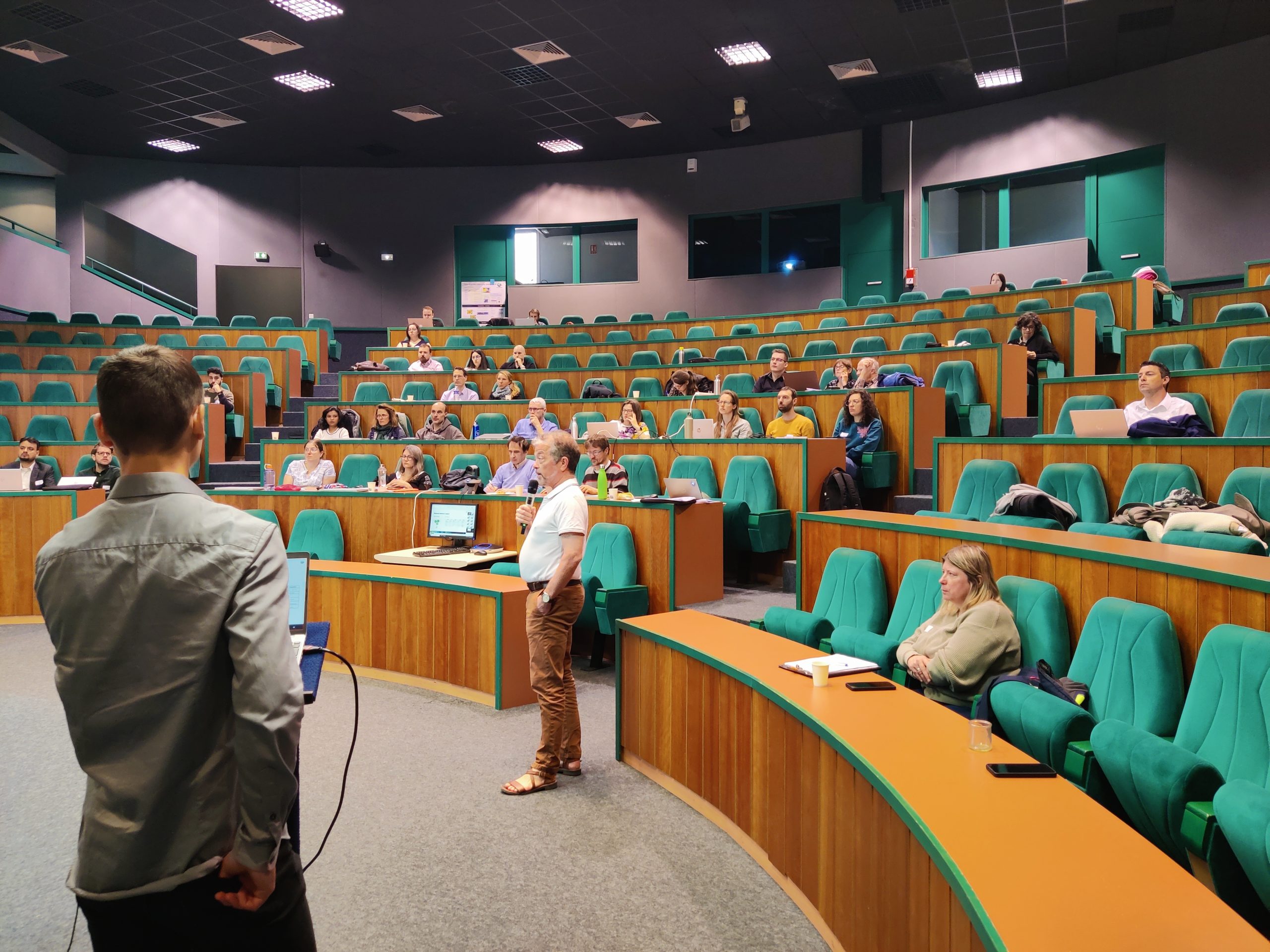
During the Assembly, all project partners shared updates on the progress achieved across the various work packages over the last 6 months. The sessions fostered constructive discussions on key developments and strategic directions for the next six months of the project.

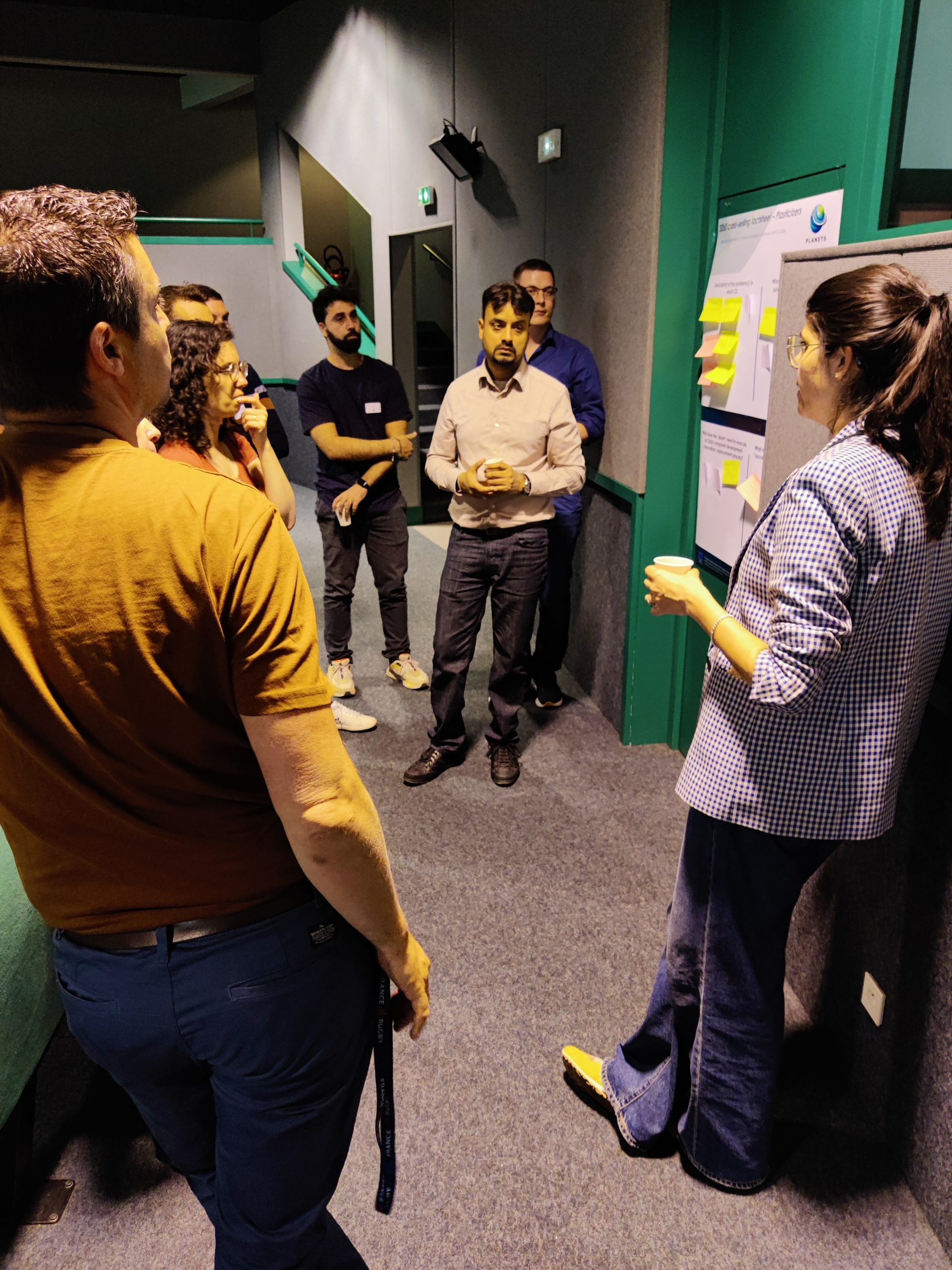
In addition to the work package updates, dedicated parallel sessions were organised for the case studies on surfactants, flame retardants, and plasticizers. These sessions focused on technical progress, data collection, and coordination of ongoing activities.

Aligned with the General Assembly, a joint session with the sister projects was held— AlchemiSSts, BIOSAFIRE, DESIDERATA, and RADAR. Each project gave a brief presentation to lay the groundwork for closer future collaboration. PLANETS will be introduced as well during the next GA of each sister project.

The agenda also featured a presentation by Ronald Flipphi from the Dutch Ministry of Infrastructure and Water Management, who provided valuable insights from a policymaker’s perspective on Safe-and-Sustainable-by-Design (SSbD). 

Special thank you goes to our colleagues at TNO for hosting an excellent meeting and extending warm hospitality, allowing all participants to experience a touch of Dutch culture throughout the meeting.

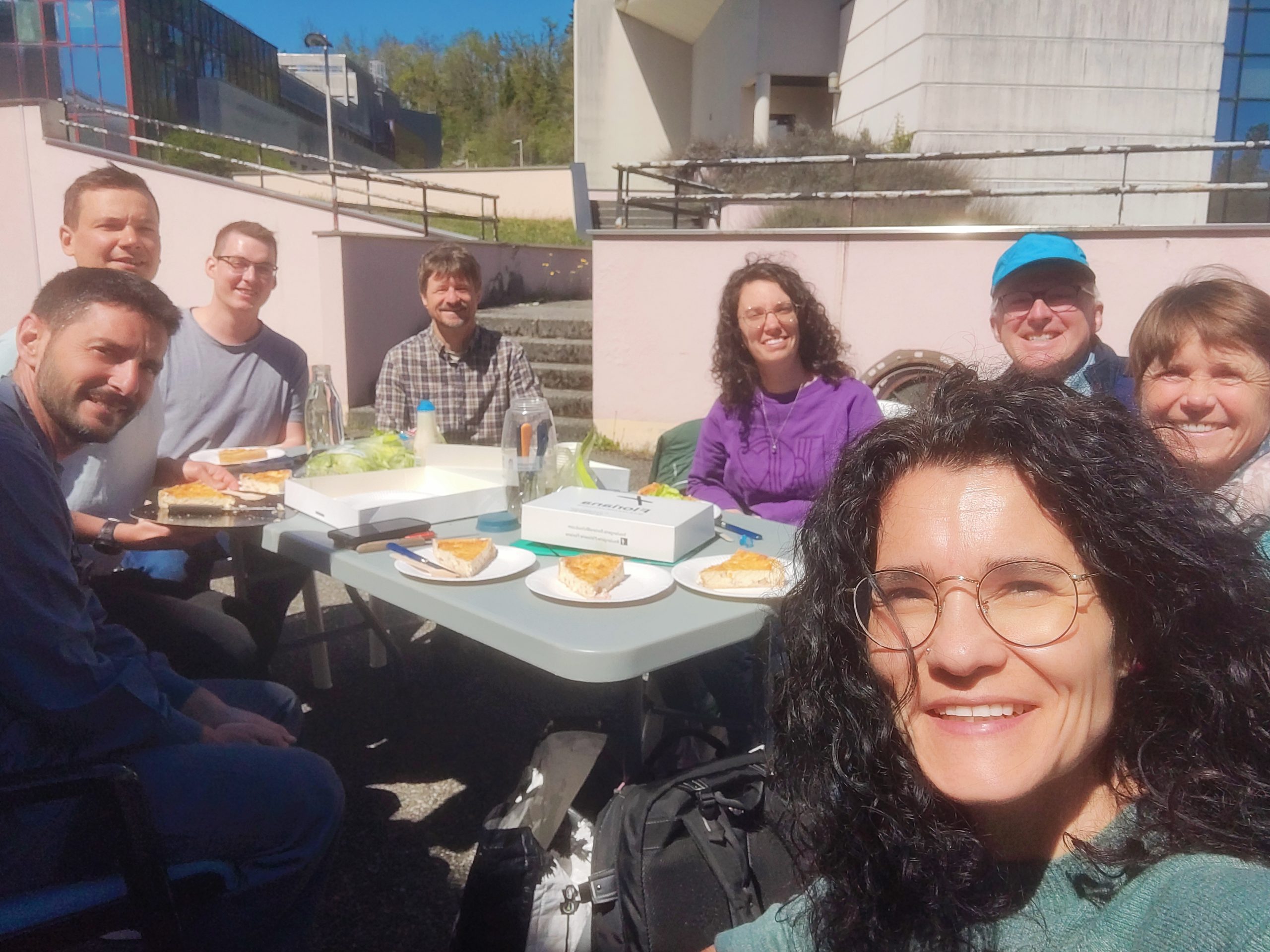
Some impressions from the meeting:
ParallelSessionWP5 (2)
GeneralAssembly (1)
GeneralAssembly (2)
GeneralAssembly (3)
GeneralAssembly (4)
GeneralAssembly (6)
GeneralAssembly (7)
GeneralAssembly (9)
GeneralAssembly (10)
GeneralAssembly (11)
Networking (3)
Networking (5)
Networking (6)
ParallelSession_WP3
ParallelSession_WP4
Utrecht_ (3)
Utrecht_ (6)
Utrecht_ (9)
Utrecht_ (10)
Utrecht_ (11)
Utrecht_ (13)
Utrecht_
Utrecht_ (14)
Utrecht_ (16)
Dinner_Day1_1
Dinner_Day1_2
LCAtraining_1-IntroSlide
News
October 22, 2025

PLANETS SSbD Training on Life Cycle Sustainability Assessment (10.09.2025, online)

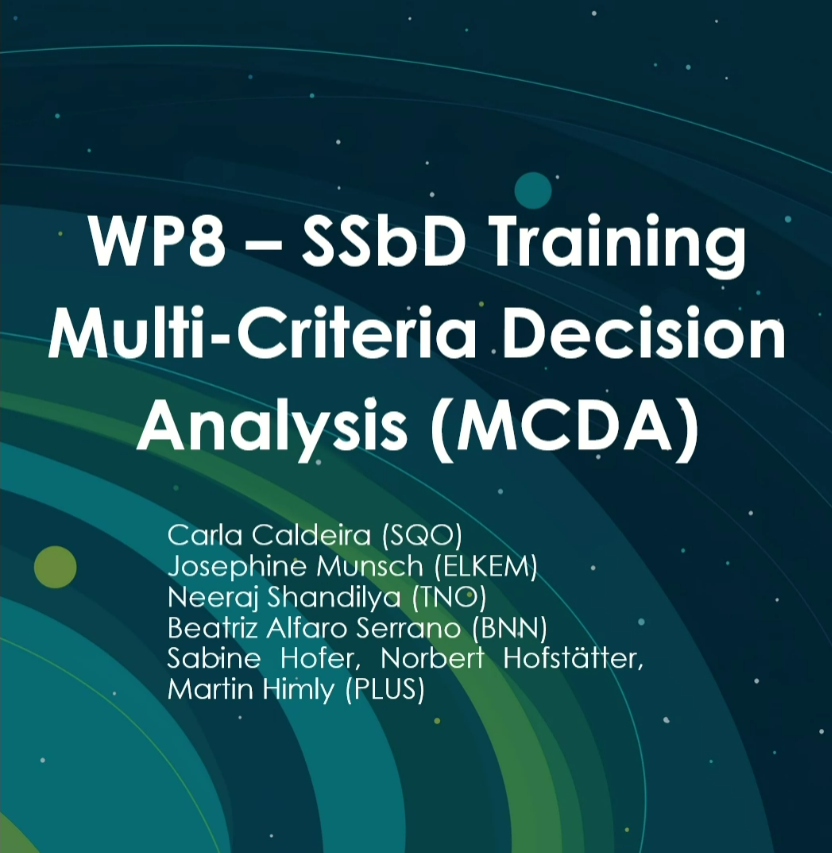
On 10 September 2025, PLANETS consortium organised an internal training on Life Cycle Sustainability Assessment, with an introduction to the topic and theoretical background, with the main aim of harmonising the consortium’s understanding on this topic, particularly among innovators and industrial partners who are not directly involved in the project.

Highlights of the workshop

The session was moderated by Martin Himly (PLUS), who leads the training work package within PLANETS. He introduced the session, outlining the objectives and structure of the training, as well as background information.

Carla Caldeira (SYENSQO) introduced to SSbD and Life Cycle thinking. Loelia Fohet (IPC) and Thomas Hennequin (TNO) talked about environmental dimension (E-LCA). Laura Magnasco (RINA) was in charge of the Life Cycle Cost (LCC) and the social LCA (S-LCA). Finally, Eva Hahn (WACKER) talked about making decisions with LCA results.

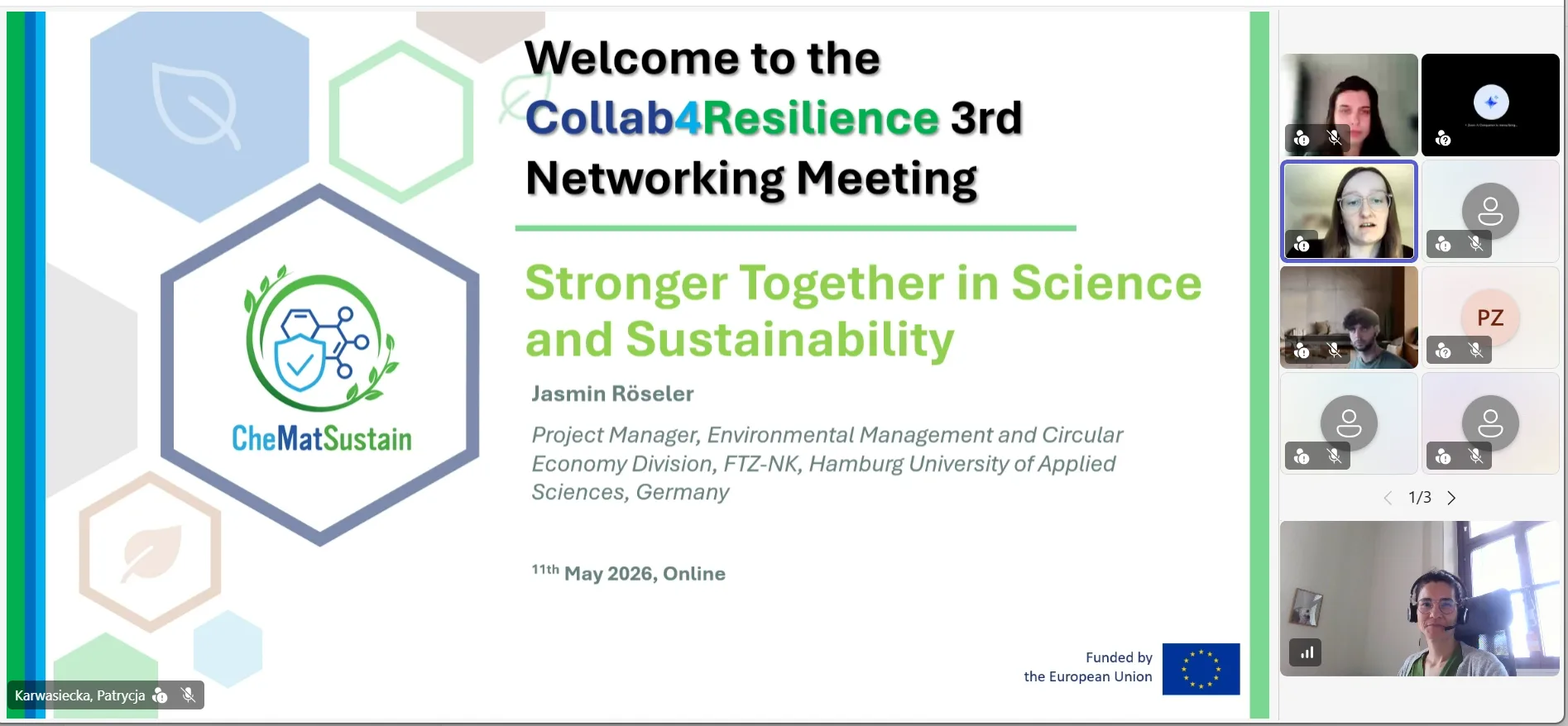
During the break-out sessions, an interactive whiteboard exercise (prepared by Beatriz Alfaro (BNN)) was performed with the participants, to practice on functional units and reference flows.

An interactive poll was also performed with the participants, to get some insight into their level of experience with LCA and the challenges they encountered so far.

 Training Materials

Building on the insights from this internal training, PLANETS has developed external training materials as an introduction to LCA. These materials include:

  • Presentation slides, with an LCA introduction giving also insight into life cycle cost (LCC) and social LCA
  • A pdf of the collaborative white board used during the break-outs where process flows, functional unit and reference flows were determined
  • Recording  [YouTube video]

All training materials are available in the PLANETS community on Zenodo under the Creative Commons Attribution 4.0 International licence, allowing for redistribution and reuse with proper credit to the creators. You can access them here, with DOI: 10.5281/zenodo.17399294.

Additionally, all recorded sessions can be viewed on the PLANETS YouTube channel.

Training materials
Watch Recording on LCA
PLANETS_3rdAustrianLifeScienceDay4
News
October 20, 2025

PLANETS @ 3rd Austrian Life Science Day

On 8 October 2025, the 3rd Austrian Life Science Day took place in Linz, Austria, bringing together stakeholders to discuss solutions for making the healthcare and medical technology sectors more sustainable and environmentally friendly.

The event was organised by the Medical Technology Cluster (MTC) Upper Austria, with the support of Life Science Austria (LISA), Human.Technology.Styria, Innovation.Salzburg, LISAvienna, ECOplus and the Standortagentur Tirol.

The PLANETS project was represented by Martin Himly (PLUS) and Andreas Falk (BNN). Martin Himly delivered an oral presentation entitled “Methodological developments and challenges in the implementation of current safety and sustainability concepts“, focused on Safe-and-Sustainable-by-Design (SSbD) and data FAIRness in the advanced materials and chemicals innovation markets. His presentation was based on research and insights generated within the PLANETS and PINK projects.

Further information and highlights from the event are available on the Business Upper Austria website.

PLANETS_3rdAustrianLifeScienceDay4
PLANETS_3rdAustrianLifeScienceDay3
PLANETS_3rdAustrianLifeScienceDay2
PLANETS_3rdAustrianLifeScienceDay5
GroupPic cropped
News
October 16, 2025

PLANETS @ BioNanoNet Annual Forum 2025

The BioNanoNet community gathered in Linz, Austria on 7 October 2025 to discuss how advanced technologies and sustainable industrial practices are being translated into the life sciences sector.  

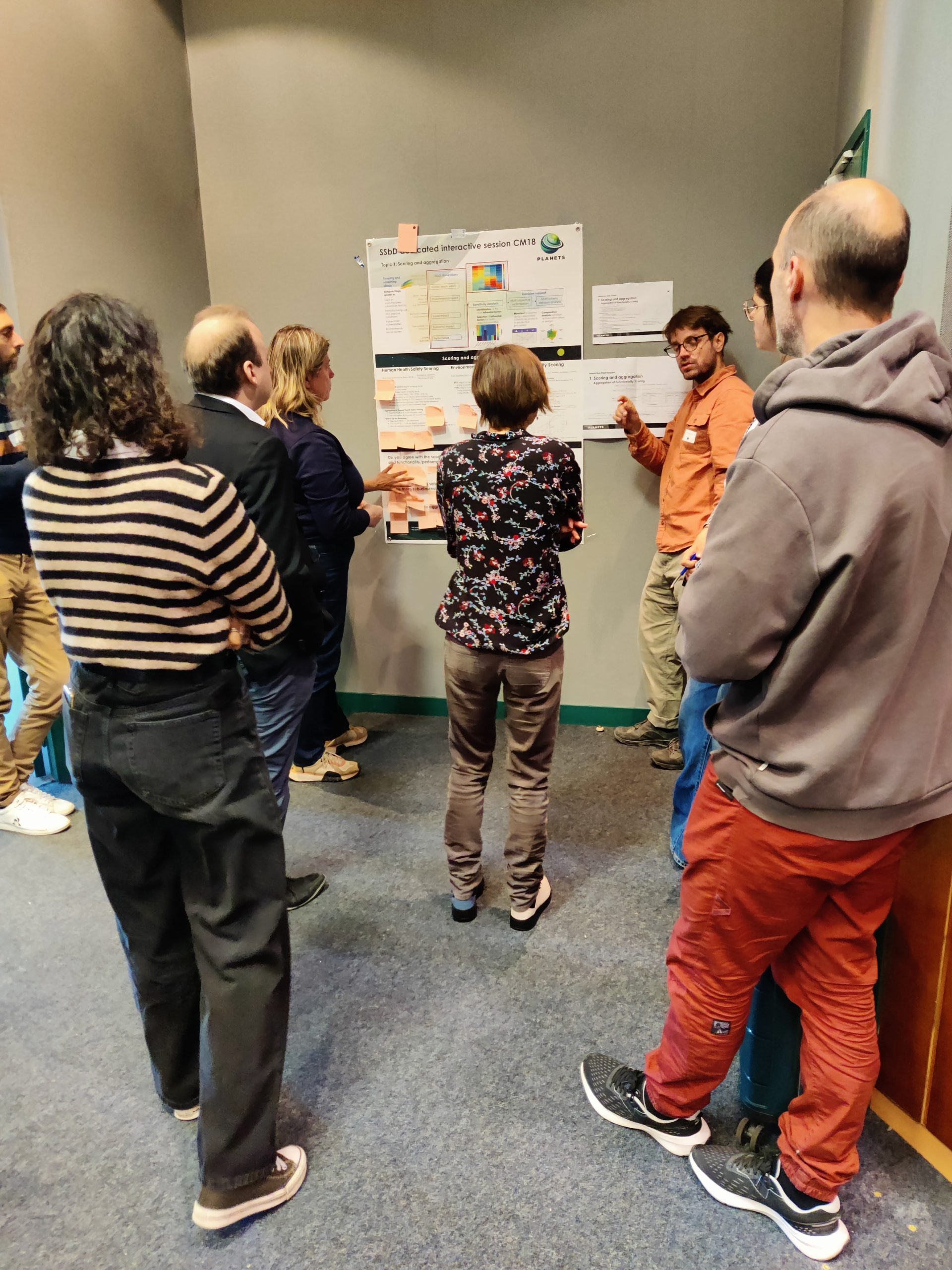
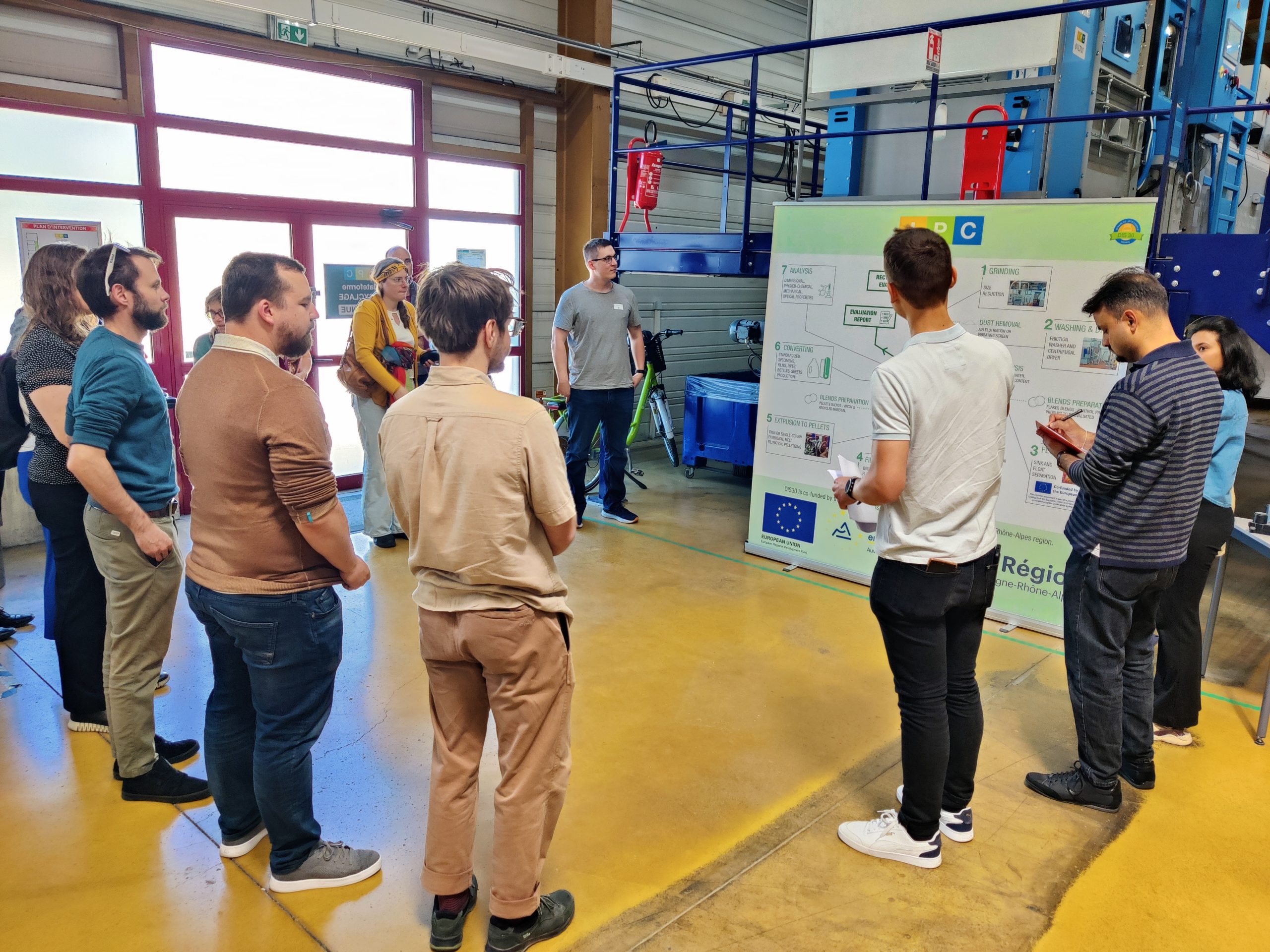
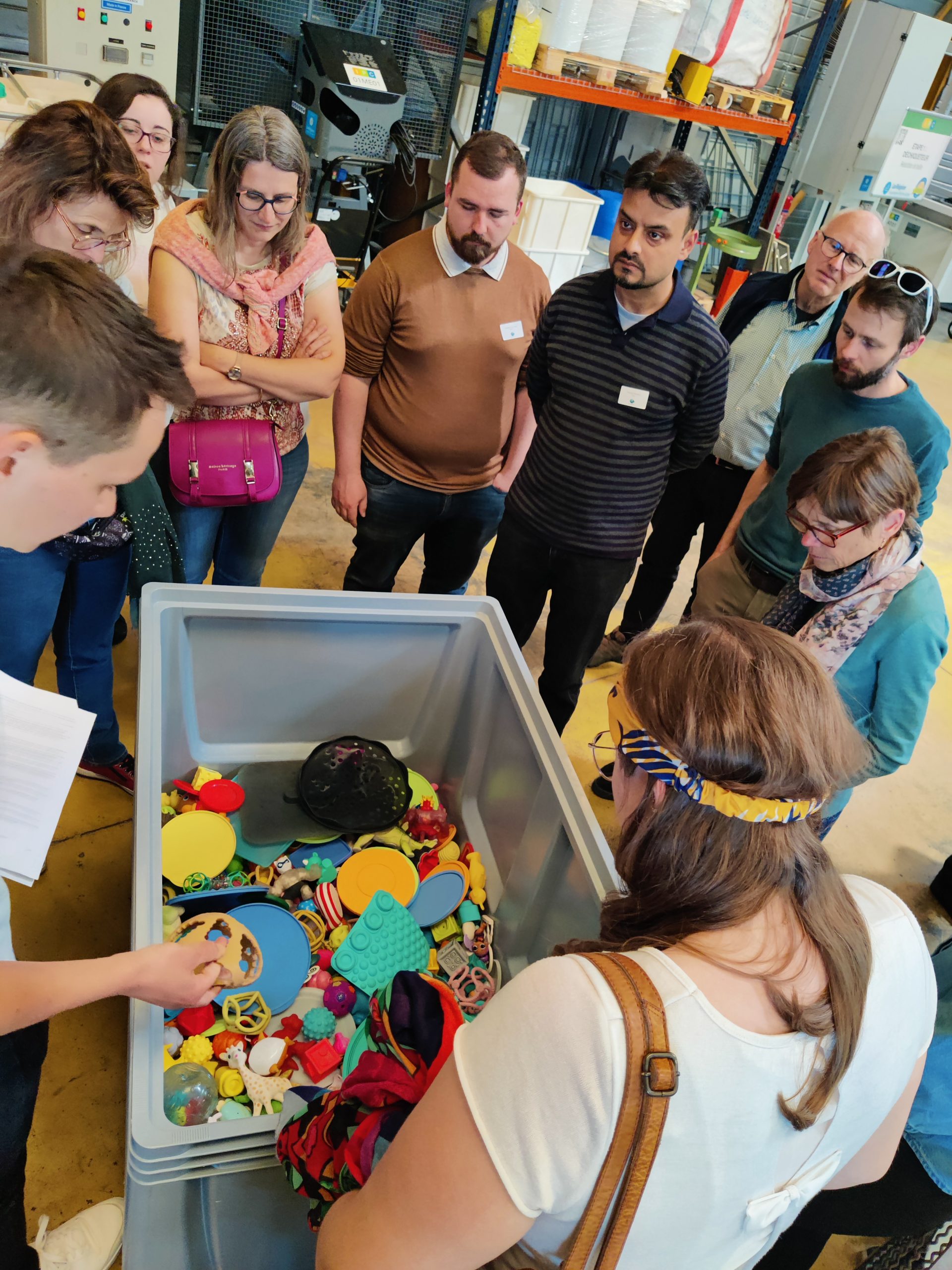
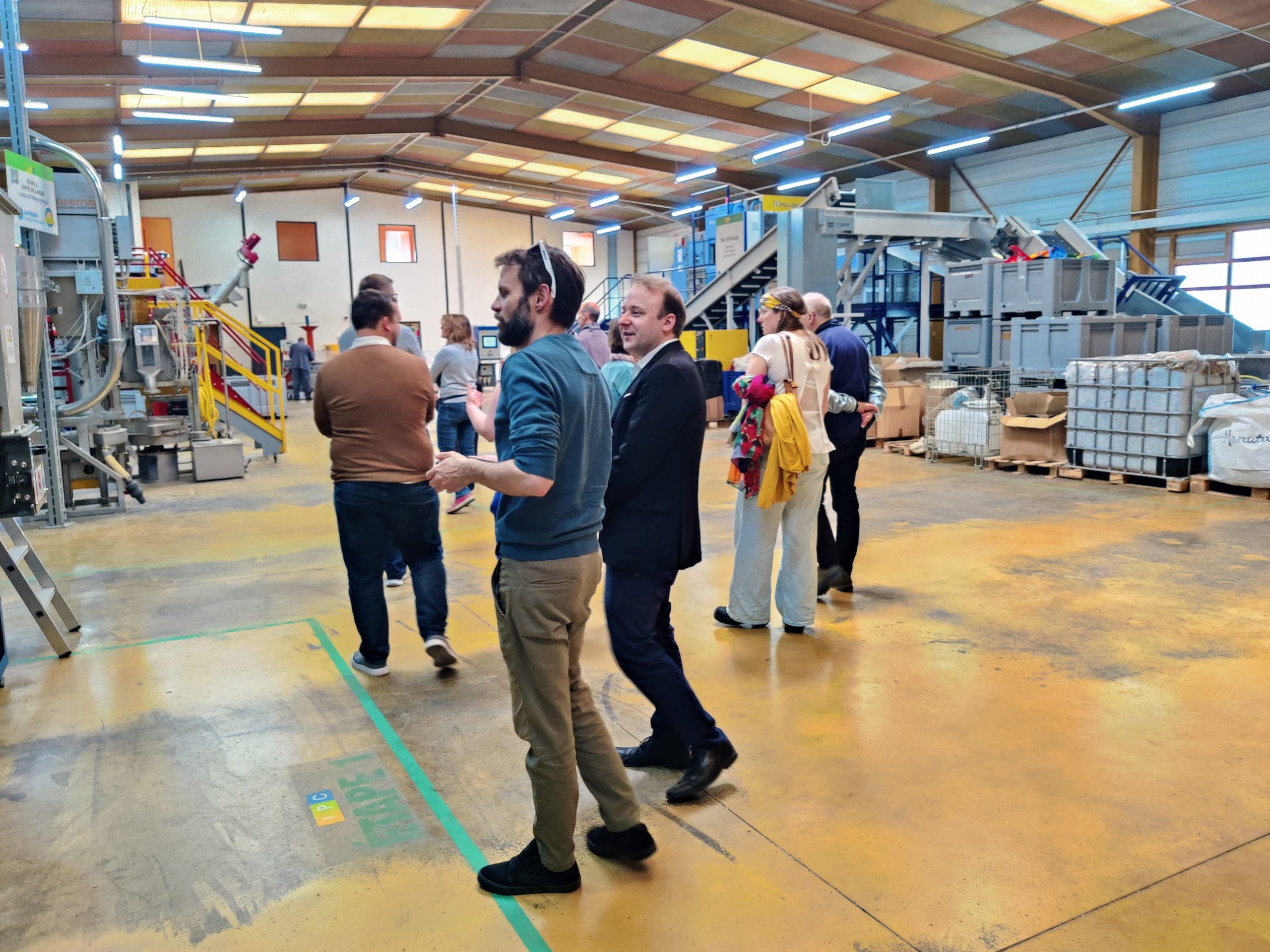
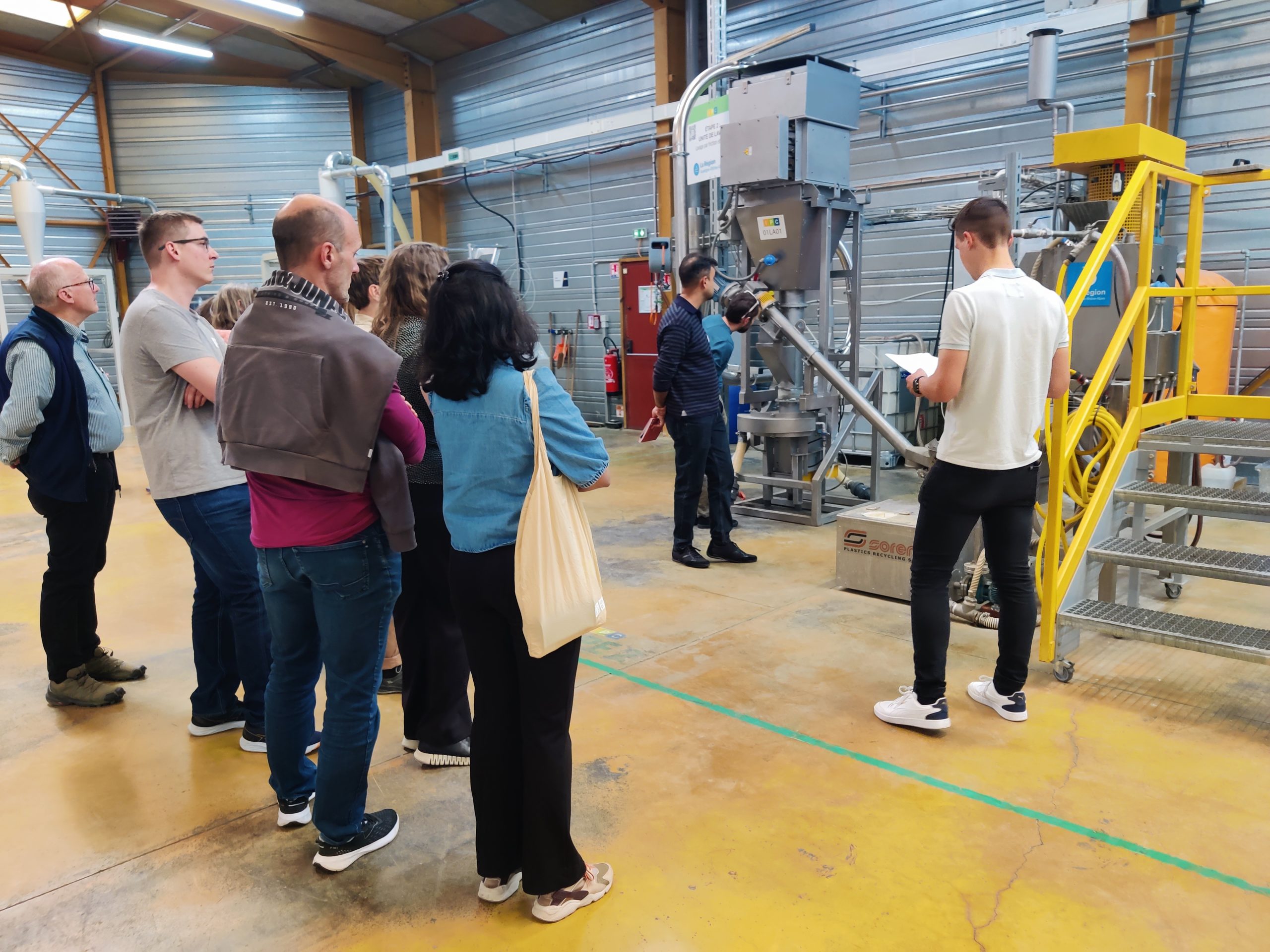
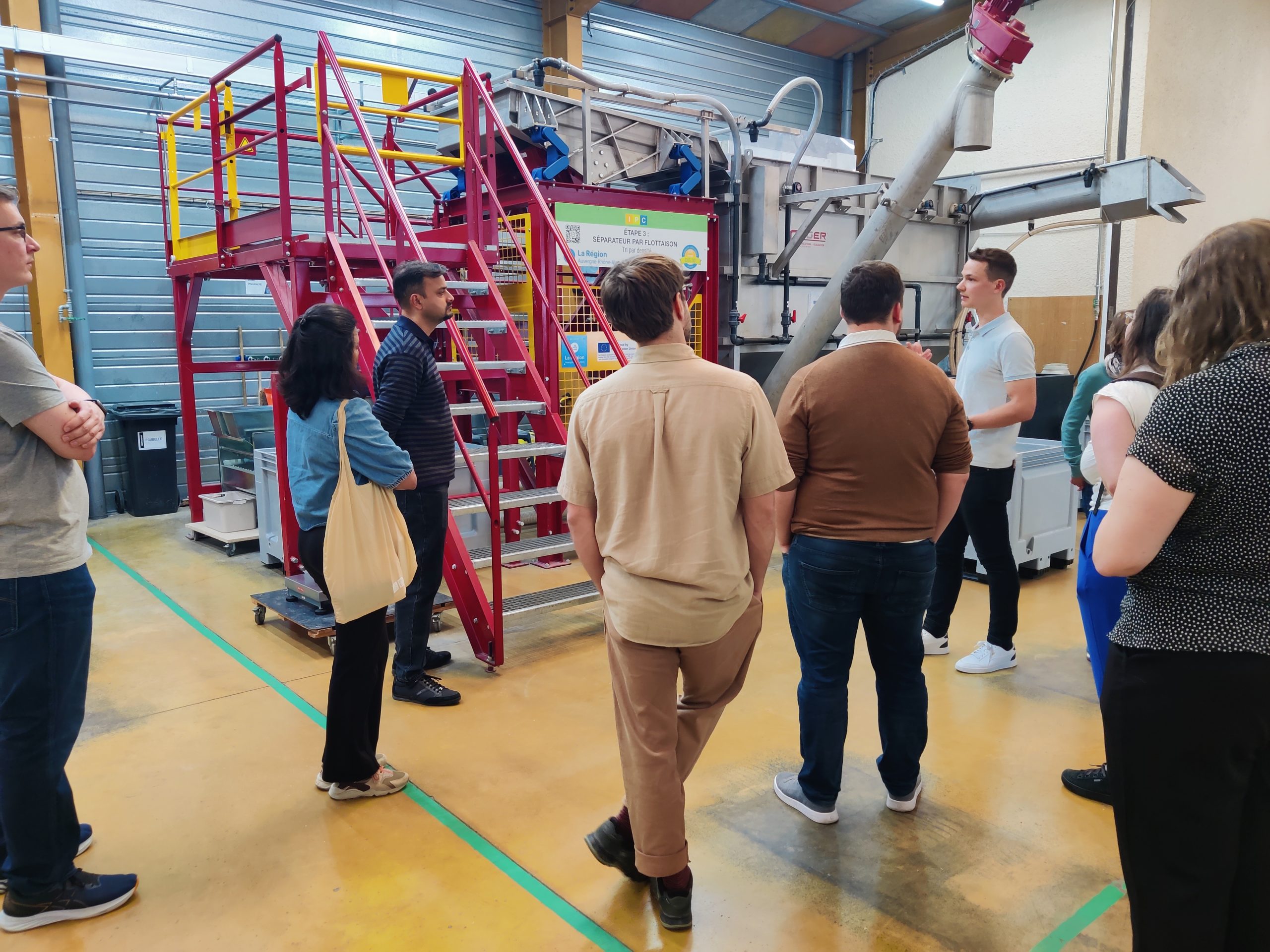
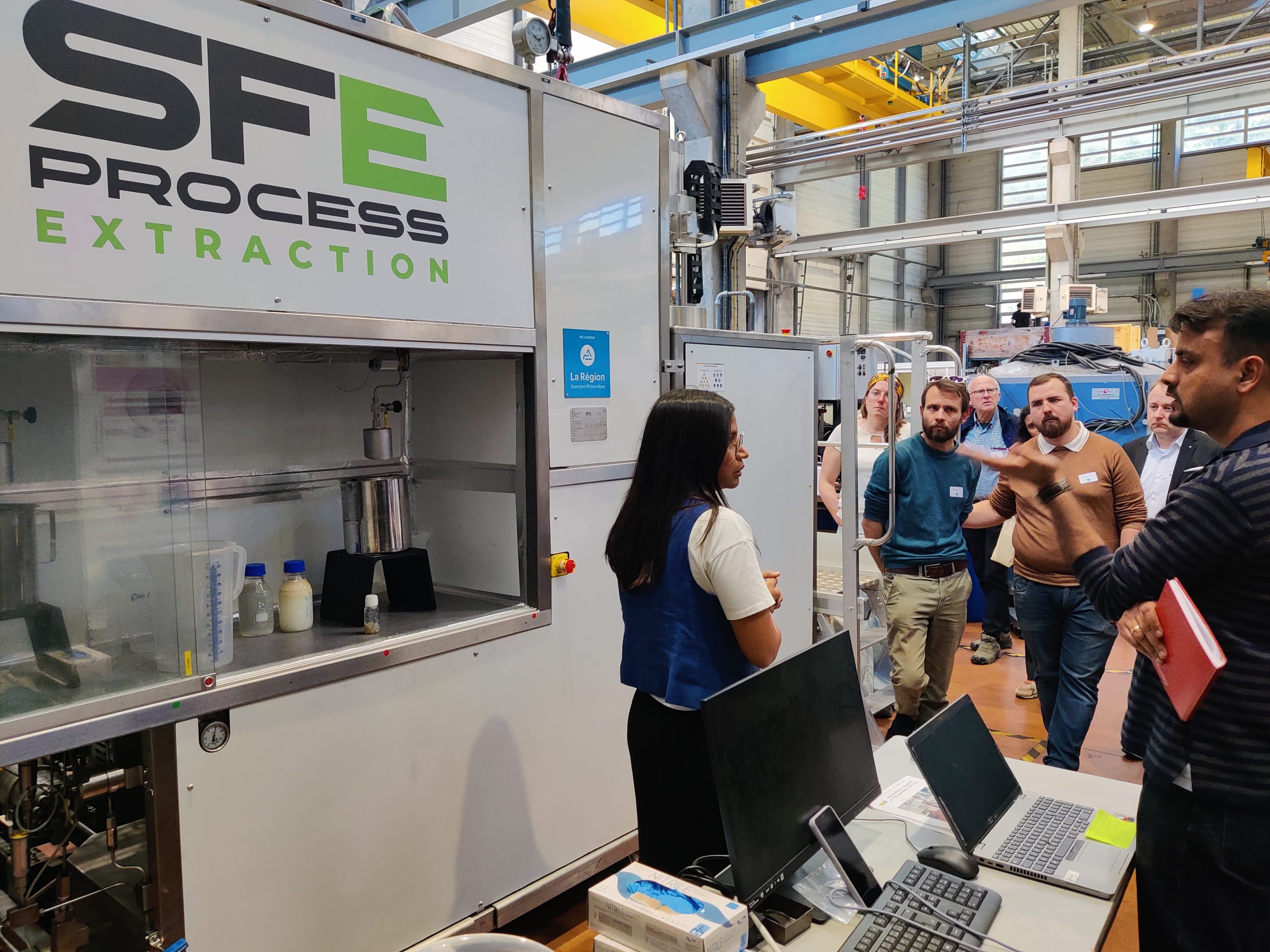
The BioNanoNet Annual Forum 2025 took place at the LIT Open Innovation Center in the vibrant city of Linz, where four of our members graciously co-hosted and welcomed us to their facilities. Attendees were treated to site tours at Johannes-Kepler-University (JKU) IPC Institute, Competence Center CHASE, RECENDT and Wood K plus. The partners shared fascinating insights into their R&D work, including different methods for non-destructive testing, the production of sustainable polymers, a showcase of polymer waste recycling, and possible applications of bacterial cellulose. 

The forum started with a welcome by Alberta Bonanni, vice-rector of JKU, highlighting the importance of interdisciplinary cooperation and was followed by keynotes from Dr. Michael Egermeier, Wood K plus (“Bacterial Cellulose Emerging as Novel Material for Advanced Applications”), Dr. Markus Brandstetter, RECENDT (“Bio-Nano-Med & Chemical Analytics at RECENDT”), and Patrick Pammer, CHASE (“Upgrading Plastic Wastes to Industrial Feedstocks”).  

After the 4 site visits, the group reconvened in the LIT Open Innovation Center for a Life Science Session spanning a wide range of topics starting with a talk by Werner Haselmayr, JKU, on the “Internet of Bio-Nano Things: Extending Connectivity to Unconventional Domains”. Max Sonnleitner, CEO of Genspeed Biotech, shared his insights from years of experience  on how to bring an innovative idea  to a final product in diagnostics. This was complemented by a perspective from BNN’s regulatory specialist Daniel García emphasizing the need for innovation support including regulations.  

The second session was dedicated to Safe-and-Sustainable-by-Design (SSbD) with updates from current and past projects as well as newly established methodologies.  Milica Velimirovic of VITO presented the first case study with “Applying the SSbD4CheM Toolbox in Case Studies for Sustainable Material Design”. Danail Hristozov of GreenDecision presented new methodologies from the project SUNRISE and the NSC Community with his talk “SSbD in the NSC field – Tiered SSbD approach and e-infrastructure”. Next, Martin Himly of PLUS presented PINK and PLANETS projects, showing fascinating work on how to implement SSbD in concrete industrial chemicals and materials value chains. Finally, Andreas Barth of Wood K plus shared the lessons learned and opportunities of Social LCA within the SSbD Framework and put a spotlight on this oft-underrepresented dimension of SSbD.   

The highlight of the event was the final Networking Pitch Session, moderated by BNN’s Clemens Wolf. Fifteen members had a single slide and 30 seconds to pitch their expertise and seek collaboration opportunities. It was a lively session showcasing the great diversity and potential within the BNN network, and it sparked lots of ideas and initiated new connections!  

The evening ended with a networking buffet and drinks. As always, we greatly enjoyed the time with all participants and especially getting to see the facilities of JKU, CHASE, RECENDT and Wood K plus.

Agenda of the event. 

Some impressions of the day:
IMG_20251007_170031
IMG_20251007_170020
GroupPic cropped
AnnualForum_2_cropped
IMG_20251007_182945
IMG_20251007_192405
IMG-20251007-WA0009
IMG_20251007_132815
IMG_20251007_134824
IMG_20251007_135932
GroupPic
News
October 9, 2025

Recap Venice Training School 2025

Innovating with Purpose: A Hands-on Journey into Functional, Safe and Sustainable Advanced Materials

Every year, usually, a vibrant community of young researchers and seasoned experts convenes in the historic centre of Venice for the Venice School. The 13th edition of the Venice Training School took place from 9th to 13th June 2025 to focus on advancing knowledge and practice in Safe-and-Sustainable-by-Design (SSbD) assessment and decision-making for advanced materials (AdMa) and chemicals, and explore cutting-edge methodologies for ensuring the safety, functionality, and sustainability of innovative materials.

Jointly organised by the EU funded projects AlChemiSSts, BIOSAFIRE, CheMatSustain, CHIASMA, DESIDERATA, EuMINe Cost Action, INSIGHT, INTEGRANO, MACRAMÉ, PINK, PLANETS, POTENTIAL, REPOXYBLE, SiToLub, SSbD4CheM, SUNRISE, SUPREME, SURPASS, supported by the Ca’ Foscari University Venice, and having the NSC as a special partner, this edition of the school brought in international perspectives on a number of topics, including:

  • Setting the scene: SSbD policy context in the EU
  • Environmental, health and safety assessment (Steps 1-3 of EC-SSbD framework), including Intrinsic hazard properties, New Approach Methodologies (NAMs), and Relevance of in vivo studies (invertebrate and vertebrate models)
  • Integrated Life Cycle Sustainability Assessment (ILCSA) (Steps 4-5 of the EC-JRC SSbD framework), including Environmental Life cycle assessment (LCA), Social LCA, and Lifecycle Costing 
  • Integrating functionality considerations into SSbD workflows: the role of material characterization and the assessment of functional performance
  • Addressing the complexity of advanced materials and their interactions: Multiscale modelling and multidimensional analysis 
  • Enhancing the uptake of SSbD by industry, especially SMEs: user-friendly decision support tools

Over 100 participants from 30 countries across Europe, Asia, and America joined the event, which featured interesting lectures and practical hands-on sessions prepared by 44 lecturers and instructors from 35 organisations in 14 European countries. The sessions aimed to foster an integrative understanding of the school’s topics, providing an interactive learning environment and direct access to key experts.

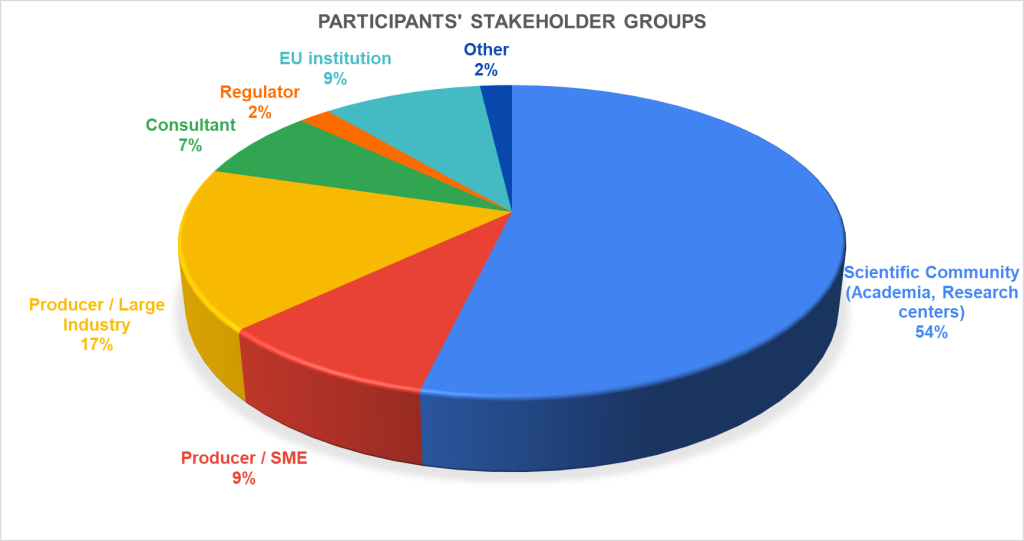
Here are some numbers about the background of the participants: 32% postdoctoral and senior researchers, 17% PhD students, 3% master students, 13% consultants, 13% SME CEOs & managers, 3% technical staff, 5% University professors, 3% R&D specialists, 2% laboratory heads, and others from academia, policy, and industry, as well as representatives of the European Commission.

During the four days, participants were able to gain in-depth interdisciplinary understanding of key topics about the safety and sustainability of advanced materials, engage in dialogue with peers and experts on a variety of cutting-edge topics, gain needed skills to drive responsible innovation, as well as benefit from networking opportunities in a relaxed atmosphere. The hands-on training sessions provided a unique opportunity to bridge the gap between theory and real-world applications.

This edition featured contributions from representatives of the JRC and the European Commission, who shared insights on the latest advancements in SSbD.

Special thanks go to Susanne Resch and Beatriz Alfaro (BNN), Paola Basso, Marilena Uliana and Danail Hristozov (Greendecision), Yasemin Ertugrul and Judith Friesl (YORDAS), Stefania Melandri & Giulia Mora (Warrant Hub), Martin Himly (PLUS) and all the members of the organising and scientific committees for making this edition of the school such a huge success!

The PLANETS project was heavily involved in the organisation of the School, with Beatriz Alfaro, Susanne Reach (BNN) and CEA in the Organising Committee, and Susanne Reach (BNN) and Martin Himly (PLUS) in the Scientific Committee.

Furthermore, Martin Himly (PLUS) presented the training on scoping/Tier 1 exercise on PLANETS workflow, Anita Sosnowska and Natalia Buławska (QSAR Lab) had an oral presentation on the in silico modelling approaches, as well as a hands-on session. Additionally several partners chaired sessions and Beatriz Alfaro (BNN) prepared and moderatd the Feedback session.
 
Training materials:
  • Agenda is available here
  • Recordings are available on the NSC YouTube channel – Playlist Venice School 2025
  • Book of abstracts and all teaching materials are publicly available under a Creative Commons Attribution 4.0 International license – DOI: 10.5281/zenodo.17305646

Some highlights of the 4 days of the Training School are available here.

SchoolBag
SchoolRoom
VeniceImpressions (1)
VeniceImpressions (2)
VeniceImpressions (3)
VeniceImpressions (4)
AnitaPresentation (1)
AnitaPresentation (2)
PLANETS_Rollup
MartinPresentation (9)
MartinPresentation (8)
MartinPresentation (7)
MartinPresentation (6)
MartinPresentation (5)
MartinPresentation (4)
MartinPresentation (3)
MartinPresentation (1)
IMG_0632
IMG_0627
GroupPic
Teaching materials
ERN25_Group
News
October 3, 2025

Children Introduced to SSbD of Materials at European Researchers’ Night

The Safe-and-Sustainable-by-Design (SSbD) concept starts at the very earliest stages of the design process – so why not plant the seeds early with the researchers and consumers of the future? 😊  

On 26 September 2025, BNN had a hands-on station at European Researchers’ Night, held as “Life is Science” at Universalmuseum Joanneum in the city center. Organized by BioNanoNet Association member acib, Life in Science was Austria’s only ERN event this year!  

Amid a sea of fascinating stations in the lobby of the museum complex, BNN asked visitors to reach inside our “magic box” to see if they can recognize any objects inside simply by feeling and not looking. Children were asked to describe the materials and write their descriptions on our board. Then, after learning the basic concepts of SSbD – thinking of safety and sustainability over the entire life cycle of a material or product – those who were interested wrote down suggestions for improving safety and sustainability of materials to decorate our tree. We were thrilled with the results!  

We then explained to parents and other adults attending about how we apply the SSbD  framework in projects such as NABIHEAL (showing examples of bandages and other wound-healing materials in our box), PLANETS (using examples of baby spoons with plasticizers as well as materials with flame retardants), SSbD4CheM (using examples of Matchbox cars!). We also talked about ATIMA and InnoMatSyn, our projects in advanced/innovative materials (AdMa) in Austria and Europe, respectively.  

We were thrilled to have roughly 60 people participating in our hands-on activity at an event with 750 visitors!  

View Programme
Q_mockup_03-25
News
October 2, 2025

PLANETS featured in BNN QUARTERLY (Sept 2025)

PLANETS was included in the latest BNN QUARTERLY 03/2025 entitled “Scientific Impact on Clean Manufacturing Solutions” with four articles:

  • BNN Leads SSbD Workshop for Highschoolers
  • PLANETS SSbD Wordbook
  • Explore PLANETS’ Latest Training Materials
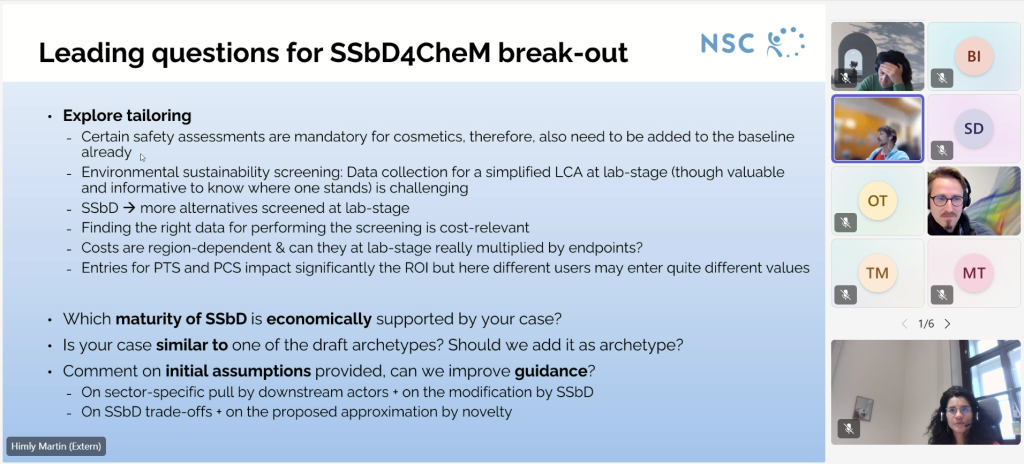
  • Recap from the SSbD Scenarios Workshop

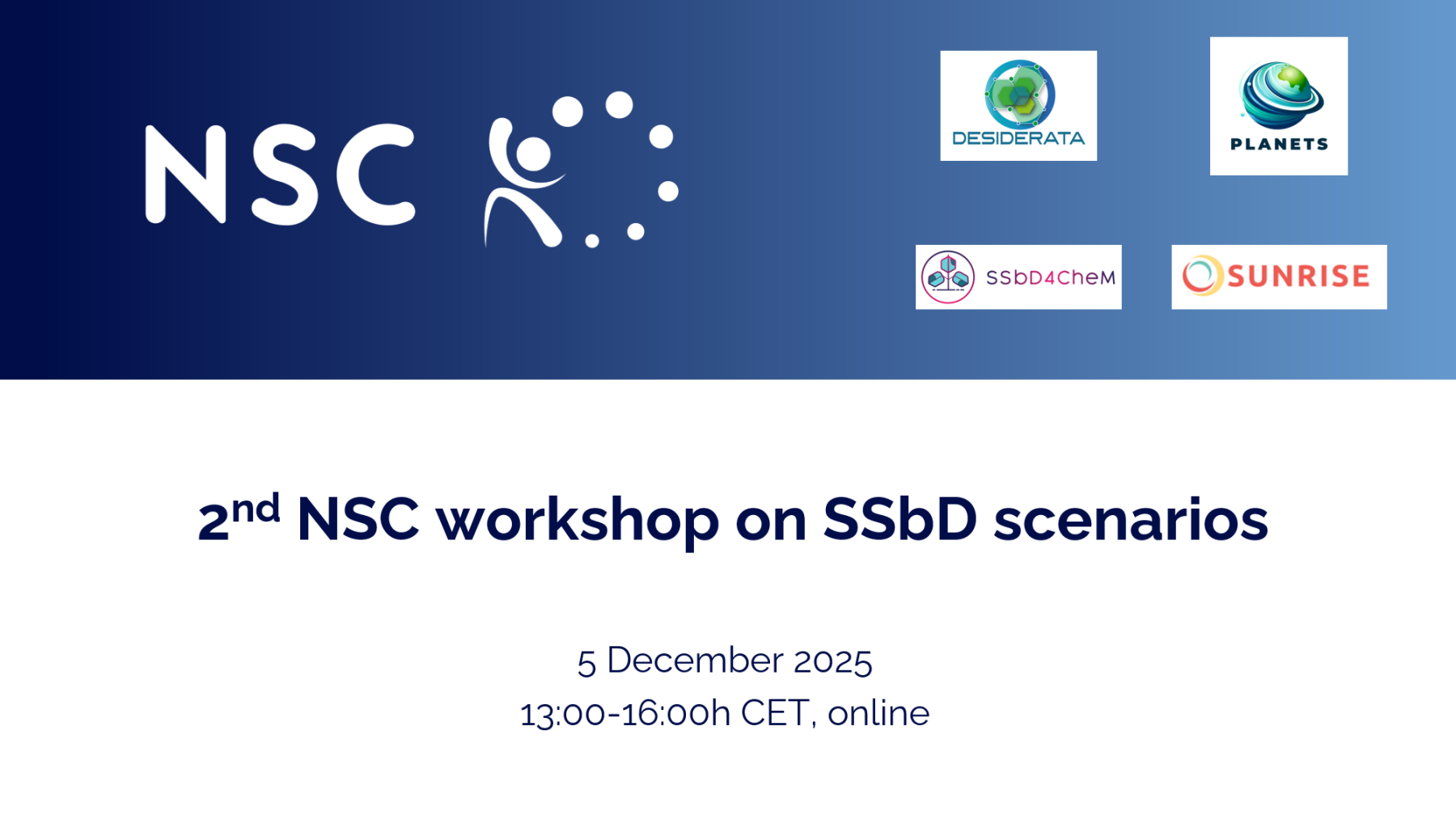
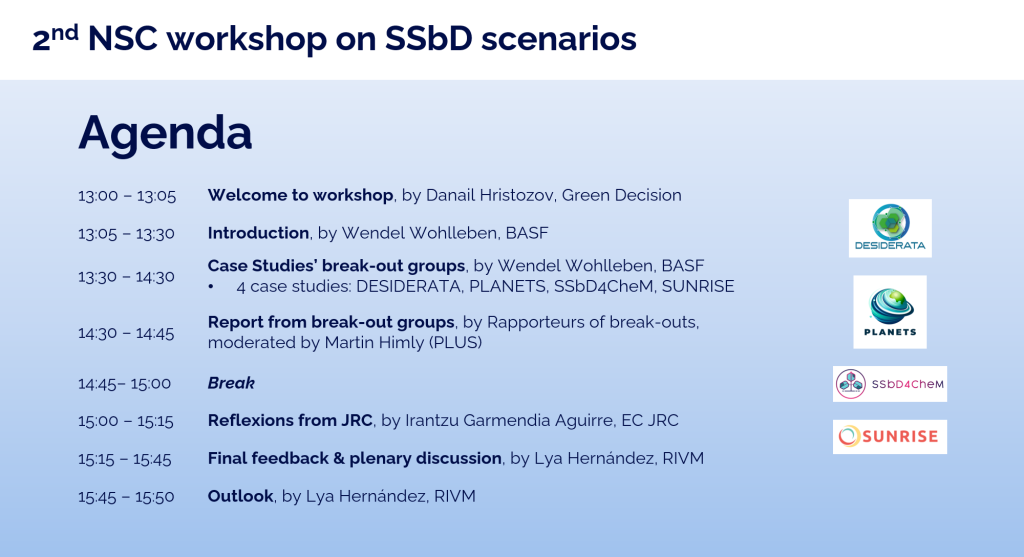
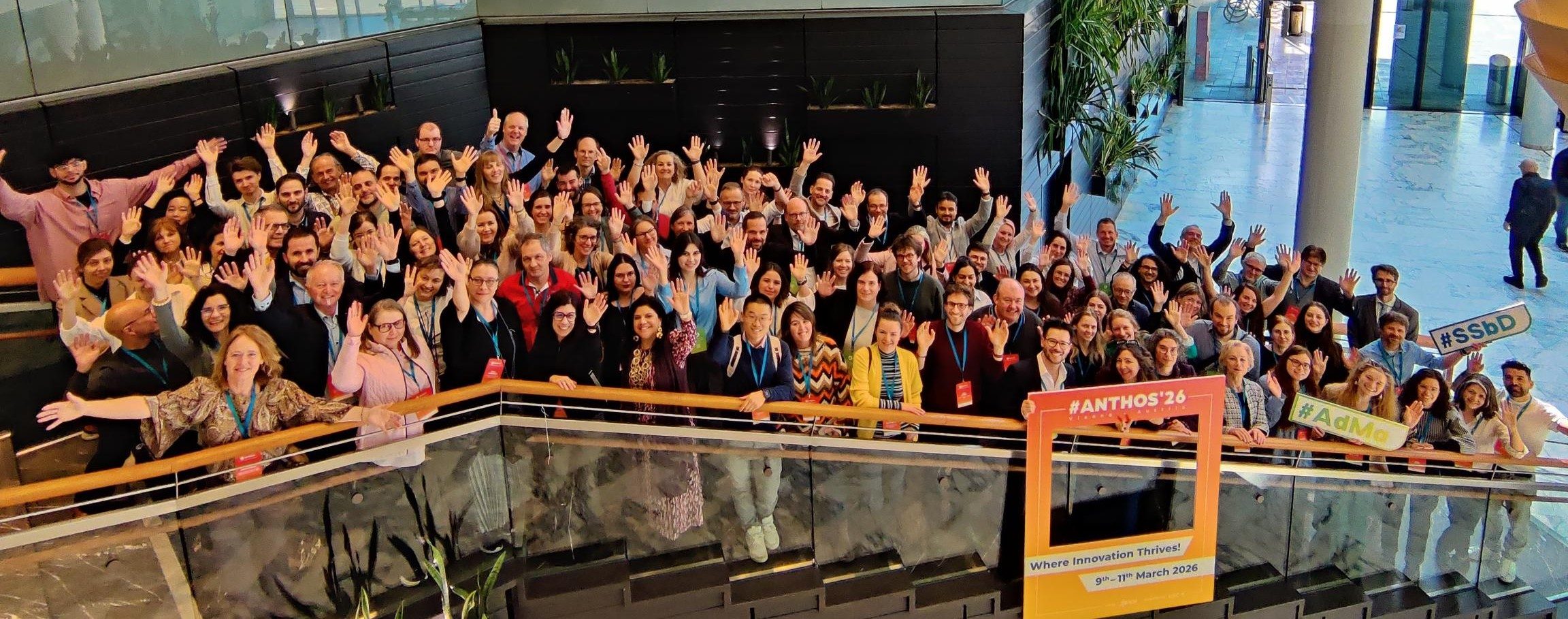
The issue also advertised the upcoming 2nd NSC/PLANETS workshop on SSbD scenarios for advanced materials, and ANTHOS’26!

Read here
Subscribe to QUARTELY
GroupPic
News
September 19, 2025

Recap of Polymer Additives Academy 2025

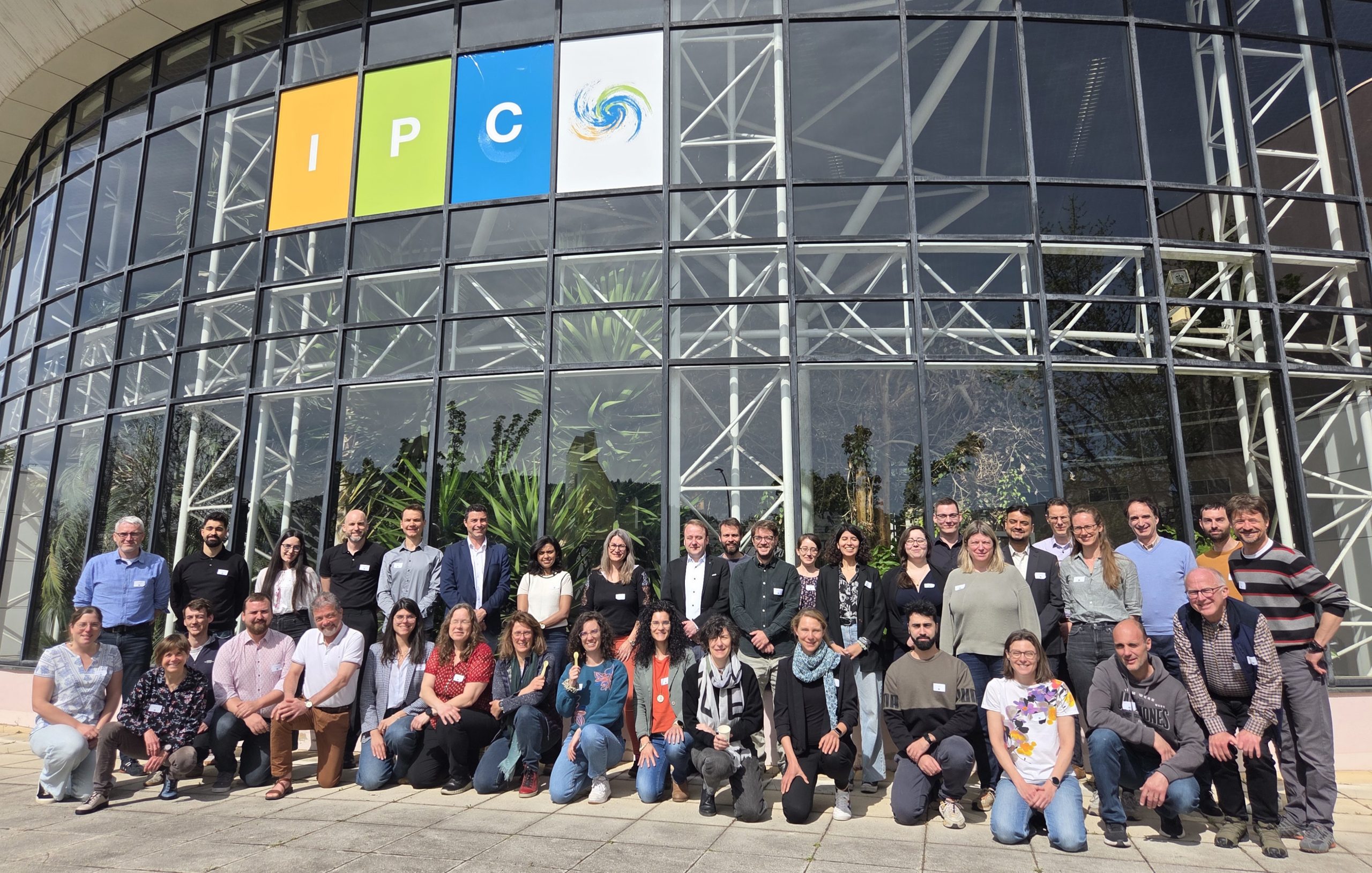
On 5 September 2025, the Polymer Additives Academy 2025 hosted its second (of four) session at the NHOW Hotel in Milan (Italy), bringing together more than 120 participants (80 on-site and 45 online). Organized by the PLANETS partner Greenchemicals, the event served as a platform for dialogue between industry experts, researchers, technicians, and university students, focusing on the latest advances in polymer additives and sustainability.

This second session was focused on styrenics polymers, concretely on insulating foams. The program day’s agenda covered a broad spectrum of topics, from the evolution of XPS foams and low-halogen flame retardants to Safe-and-Sustainable-by-Design (SSbD) approaches, recycling strategies, and CAM criteria (Minimum Environmental Criteria (CAM – Criteri Ambientali Minimi)). Contributions from academia, industry, and institutions highlighted both regulatory developments and technological solutions driving innovation in the sector.

Of course, PLANETS could not miss it and many partners attended the event: Carl-Christoph Höhne, Benedikt Bitzer (Fraunhofer ICT), Joséphine Steck, Marie Carriere, Nienke Ruijter (CEA), Laura Magnasco, Martina Riccio (RINA), Tobias Moss, Roberto Chinchilla Pardos (Budenheim), Wendel Wohlleben, Ayse Ay (BASF), Martin Himly, Sabine Hofer, Norbert Hofstätter (PLUS), Vanessa Alvear (AIMEN), Herbert Scharnagl, Leonhard Ritter (Steinbacher Dämmstoff GmbH), Thomas Hennequin (TNO), Poornima Nagesh (Radboud University), Anita Sosnowska, Szymon Zdybel (QSAR Lab), as well as the hosts of the event, Micaela Lorenzi, Sabrina Zambotti, Valentina Pelliccioli, Barbara Chinello, Sofia Luise, Davide Lecchi, Doris Lemi (Greenchemicals).

A highlight of the event was the oral presentation by Carl Christoph Höhne (Fraunhofer ICT) and Thomas Hennequin (TNO) entitled “Safe-and-Sustainable-by-Design (SSbD) Flame Retardants for Insulation Foams – the EU PLANETS Project Approach”, which provided valuable insights into how SSbD principles can be applied to flame retardants in styrenic insulation materials.

Both presentations are available in the PLANETS Community in Zenodo under DOI: 10.24406/publica-5377.

The strong interest confirmed the event’s success in reaching a highly relevant audience and showcasing collaborative European efforts in advancing sustainability in polymer additives.

Additionally, a hybrid meeting of the flame retardants case study of PLANETS was also organised, to discuss the status and next steps in the project.


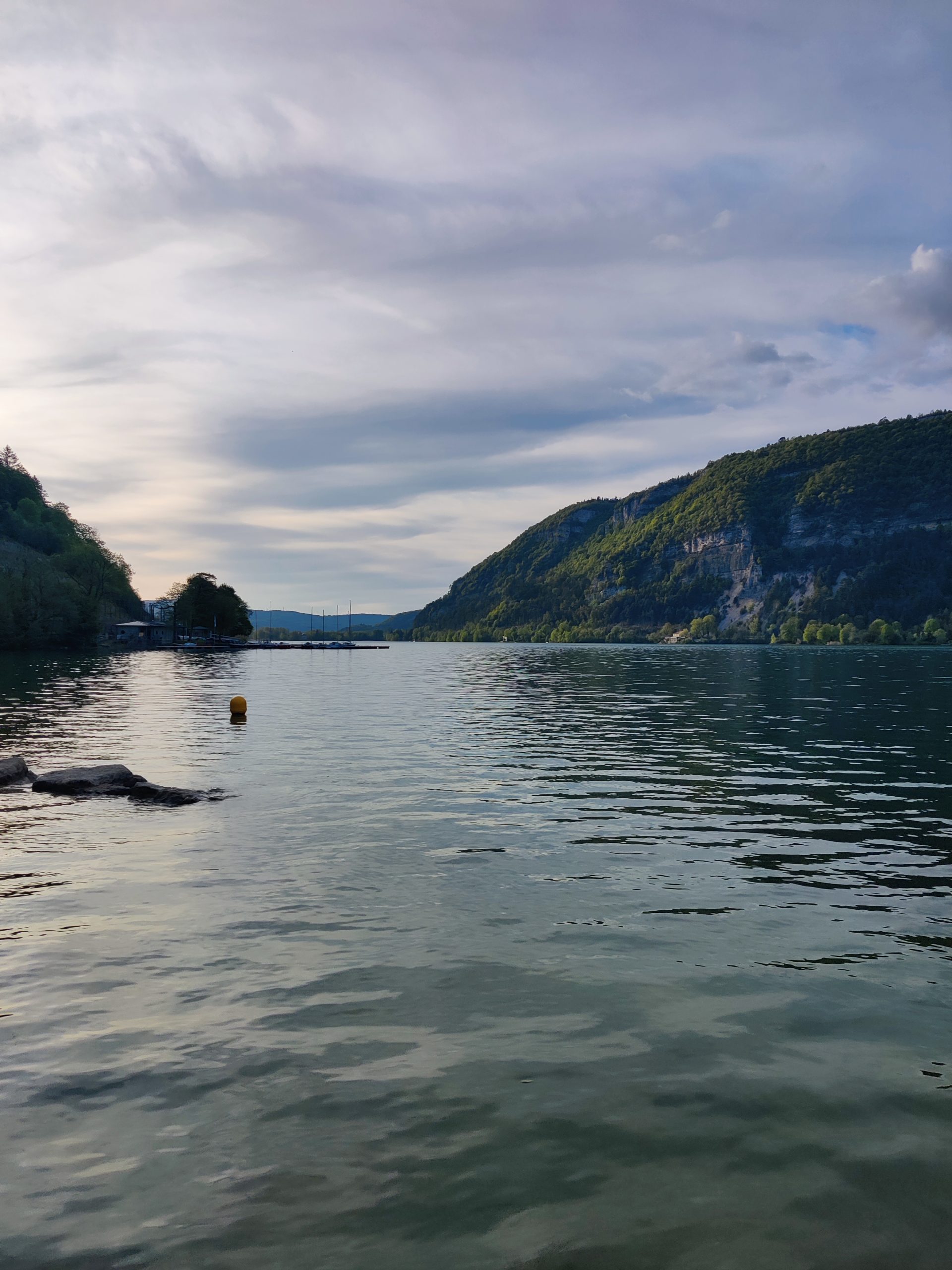
Some impressions of the Polymers Academy and the internal meeting:


PLANETS4thSSbDtraining-FAIRdata-DPP
News
September 2, 2025

PLANETS 4th SSbD Training on FAIR data & models and DPP (19.05.2025, online)

On 19 May 2025, PLANETS consortium organised an internal training on (1) FAR data & models, and (2) Digital Product Passport (DPP).

Aim and key topics of the training

FAIR data and models: The workshop provided a comprehensive overview of the FAIR data principles—Findable, Accessible, Interoperable, and Reusable—and their application in research data management. It aimed to raise awareness, provide assessment tools, and offer practical guidance for enhancing data FAIRness in research workflows.
  • Introduction to FAIR Principles: Participants were introduced to the concept of FAIR, including what the acronym stands for and why these principles are important in data sharing and reuse. The distinction between FAIR data and Open Data was also clarified.
  • Assessing FAIRness, exploring common challenges associated with non-FAIR data and introduced tools such as FAIR-Aware and the FAIR Evaluation Services to help participants assess the FAIRness of their own datasets. Real-life examples from other projects (FIPs – FAIR Implementation Profiles) were used to illustrate how organizations are implementing FAIR principles in practice.
  • FAIR in Practice, with practical implementation strategies, covering essential elements such as metadata standards, persistent identifiers, licensing and access considerations, controlled vocabularies, trusted data repositories, and approaches to improving metadata quality.
  • Internal discussion on FAIR Data and the PLANETS Project, which included a proposed data workflow tailored for the PLANETS project.

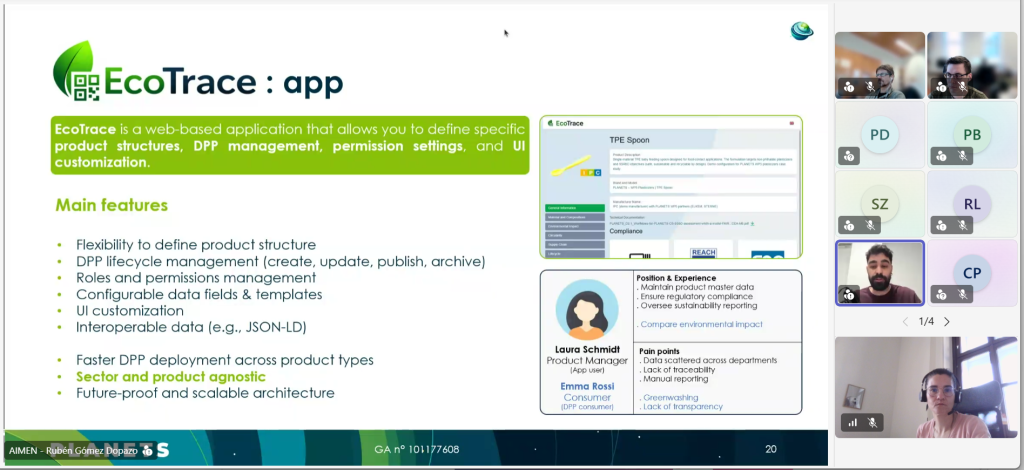
Digital Product Passport (DPP): This workshop gave an overview of the DPP concept, its relevance in supporting sustainable and circular product systems, gave policy context, and practical implications for stakeholders across the product lifecycle, preparing participants to understand and deal with upcoming regulatory and data management requirements. Key topics covered:

  • Introduction to DPP, with a definition of the Digital Product Passport, and explanation of its role in enabling better product information exchange to support sustainability, compliance, and circular economy goals, including historical and policy background of the DPP and major milestones in its development. The discussion highlighted how the DPP emerged from broader EU policy efforts.
  • Policy Context: DPP within the framework of key European Union initiatives EU Green Deal (aiming for climate neutrality), CEAP (Circular Economy Action Plan, promoting sustainable product lifecycles), and ESPR (Ecodesign for Sustainable Products Regulation, which provides the legal basis for DPP implementation).
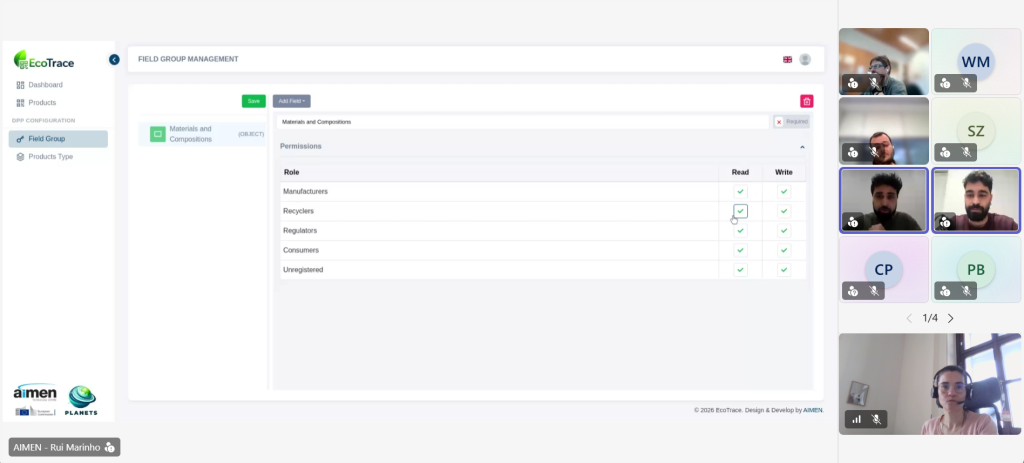
  • DPP Objectives (transparency, circularity, and traceability) and identified key stakeholders involved, including manufacturers, regulators, consumers, recyclers, and others throughout the product value chain.
  • Product groups covered by DPP as well as prioritization criteria.
  • Data requirements for DPP (such as material composition, carbon footprint, and regulatory compliance information) as well as challenges in data collection and management.
  • Practical examples of DPPs in use or in development, to help participants visualize how these passports might be applied in different sectors.
Highlights of the workshop

The session was moderated by Martin Himly (PLUS), who leads the training work package within PLANETS. He introduced the session, outlining the objectives and structure of the training.

Vanessa Alvear (AIMEN) lead the FAIR data training, supported by Benjamin Punz (PLUS). Anita Sosnowska (QSAR Lab) explained the role of QSAR in respect to FAIR and Carla Caldeira (SYENSQO) commented on data sharing versus confidentiality. The DPP training started with an interactive questionnaire (prepared by Beatriz Alfaro and Matiss Reinfelds (BNN) to get the first impressions from the participants about their concerns, potentials and limitations of DPP. The DPP training was led by Asif Mohammen (AIMEN).

 
Training Materials

Building on the insights from this internal training, PLANETS has developed external training materials as an introduction to FAIR data & models and Digital Product Passport (DPP). These materials include:

  • Presentation slides of the FAIR data & models training
  • Presentation slides of the DPP training
  • Recording of the FAIR data & models training  [YouTube video]
  • Recording of the DPP training [YouTube video]

All training materials are available in the PLANETS community on Zenodo under the Creative Commons Attribution 4.0 International licence, allowing for redistribution and reuse with proper credit to the creators. You can access them here.

Additionally, all recorded sessions can be viewed on the PLANETS YouTube channel.

Training materials
Watch Recording FAIR data & models
Watch Recording DPP
PLANETS3rdSSbDtraining-QSAR
News
September 2, 2025

PLANETS 3rd SSbD Training on Tier 2 Assessment-QSAR (08.04.2025, Gdansk, PL, & online)

On 8 April 2025 and aligned with the M6 General Assembly of the project in Gdansk (Poland), PLANETS organized a hybrid internal training for all project partners on SSbD assessment.

The aim of this workshop was the harmonisation of understanding for entire consortium, focusing on intermediate and full assessment (Tier 2-3), including hazard identification, QSAR modelling, and toxicity prediction. Participants explored existing tools for predicting physicochemical properties and biological activities of chemical substances, key elements in the Safe-and-Sustainable-by-Design (SSbD) approach.

Highlights of the workshop

The session started with a brief overview of Martin Himly (PLUS), who leads the training work package within PLANETS, about the previous internal SSbD trainings. He introduced the session, outlining the objectives and structure of the training. Thomas Hennequin (TNO) and Ayse Ay (BASF) continued with a summary of ideas for the collection of harmonised data. Afterwards, Anita Sosnowska (QSAR Lab) gave an overview on QSAR and Szymon Zdybel (QSAR Lab) performed a hands-on exercise on QSAR with all participants.

Training Materials

Building on the insights from this internal training, PLANETS has developed external training materials for conducting a SSbD Tier 2 assessment by QSAR modeling. These materials include:

  • A QSAR step-by-step guide, the presentation slides, and four VEGA reports to conduct a practical exercise. Materials available here.
  • Recording of the workshop [YouTube]


All training materials are available in the PLANETS community on Zenodo under the Creative Commons Attribution 4.0 International licence, allowing for redistribution and reuse with proper credit to the creators. You can access them here.

Additionally, all recorded sessions can be viewed on the PLANETS YouTube channel.

Training materials
Watch Recordings
  • 1
  • 2
  • 3
  • 4

Contact

Plasticizers, fLame–retardants and surfactANts: new alternatives validating the safE and susTainable by deSign approach 

  • info@project-planets.eu

Helpful links

Downloads
Legal Notice
Privacy Policy
EN_FundedbytheEU_RGB_WHITE Outline

This project received funding from the European Union’s Horizon Europe research and innovation programme under grant agreement n° 101177608. Views and opinions expressed are however those of the author(s) only and do not necessarily reflect those of the European Union. Neither the European Union nor the granting authority can be held responsible for them.


PLANETS is a member of NSC.

back to top