logotype
  • Project
    • About PLANETS
    • Objectives
  • Applications
    • Surfactants
    • Flame retardants
    • Plasticizers
  • Partners
  • Collaborations
  • Resources
  • News
  • Contact
Linkedin
logotype
  • Project
    • About PLANETS
    • Objectives
  • Applications
    • Surfactants
    • Flame retardants
    • Plasticizers
  • Partners
  • Collaborations
  • Resources
  • News
  • Contact
Linkedin
  • Project
    • About PLANETS
    • Objectives
  • Applications
    • Surfactants
    • Flame retardants
    • Plasticizers
  • Partners
  • Collaborations
  • Resources
  • News
  • Contact
logotype
  • Project
    • About PLANETS
    • Objectives
  • Applications
    • Surfactants
    • Flame retardants
    • Plasticizers
  • Partners
  • Collaborations
  • Resources
  • News
  • Contact
Dissemination TAG
HomeDisseminationPage 2

Tag: Dissemination

P_20250513_102109
News
June 6, 2025

PLANETS @ SETAC 2025

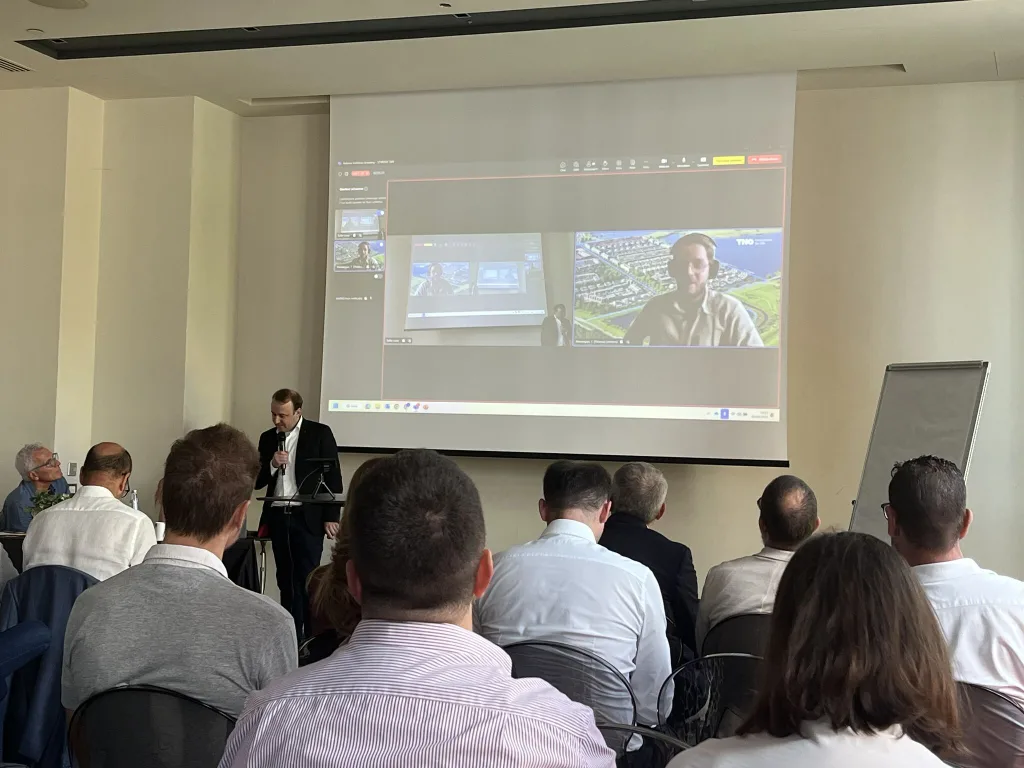
From 11-15 May 2025 took place the SETAC 2025, the 35th Annual Meeting of the Society of Environmental Toxicology and Chemistry in Europe, at the Austria Center in Vienna. 

Under the overarching theme “Innovation for Tomorrow: Progress in Safe and Sustainable Concepts”, the conference emphasized the need for integration of cutting-edge innovations with safety and sustainability considerations, through implementation and expansion of the Safe and Sustainable by Design (SSbD) thinking, as well as it application beyond the development of new molecules and products (e.g., also to cities, land use and landscapes). The conference attracted roughly 3000 people to the capital of Austria, from many various stakeholder groups, i.e., academia, industry, innovators, EU institutions, national authorities, etc. 

Several PLANETS partners participated in the conference (CEA, BASF, BNN, AIMEN, TNO, PLUS, Radboud University) and spread the word about PLANETS in their three oral and three poster presentations: 

On Monday, May 12th there were several sessions on SSbD:  

  • Joséphine Steck (CEA) gave an oral presentation in session 6.05 “Implementing Holistic SSbD Approaches to Chemicals and Materials: What Do Academia, Industry, Regulators and Policymakers Propose?”. Under the title “An auto-diagnostic SSbD tool to facilitate the integration of Safe and Sustainable by Design approach in the innovative stage”, Joséphine presented a simplified SSbD evaluation to reduce data needs, time, and expertise, making SSbD more accessible while maintaining its core goals. A three-tiered approach was introduced, and the presentation focused then on the first tier. A questionnaire was developed to compare options across four SSbD dimensions: safety, environment, economy, and social. Users answered simple questions for each dimension, with results providing an overall percentage score, highlighting gaps, and guiding further assessments. This assessment has been tested on molecules, products, and processes within the CLEANHYPRO and PLANETS projects, showing its flexibility as a quick pre-assessment tool. Its main benefit is boosting the agility of research strategies by identifying SSbD gaps and next steps. In higher tiers, expert-driven assessments will dive deeper into each dimension. As outlook, the PLANETS project is refining the tool to better comply with industrial needs. DOI: 10.5281/zenodo.15463692
  • Wendel Wohlleben (BASF) gave an oral presentation also in session 6.05. In his talk entitled “Value creation and tiering: incentives of SSbD integration into industrial innovation projects with LCA and measured safety screenings”, Wendel explored how to convince companies to take up more quantitative SSbD approaches, and how to generate incentives by strong tiering and tailoring the SSbD approach to the specific scenario. The topic will be followed up with the entire community in the NSC online workshop on June 23rd. 

On Tuesday, May 13th: 

  • Ayse Ay (BASF) had a poster in the session 6.11 “Flame Retardants Regulatory and Circular Economy Challenges”. Under the title “Safe and Sustainable by Design, Scoping, and Simplified Assessment of Alternative Flame Retardants for Use in Polymer Insulation Foams”, Ayse provided insights into the implementation of SSbD at the molecular formulation level for over 70 flame retardants. She shared results from the Simplified Assessment Questionnaire for key alternative flame retardants in each insulation foam class, highlighting the questionnaire’s discriminatory power and limitations. 
  • Matiss Reinfelds (BNN) had a poster in the Session 6.05 “Implementing Holistic SSbD Approaches to Chemicals and Materials: What Do Academia, Industry, Regulators and Policymakers Propose?” on “Redesigning for the Future: Applying Safe and Sustainable by Design (SSbD) Principles in High-Impact Chemical Industries” with results from our project PLANETS. The poster served as basis for the discussion on SSbD implementation in an industrial setting. The poster is publicly available under DOI: 10.5281/zenodo.15463912. 

On Wednesday, May 14th, the focus turned to science communication in the session 6.06  “Communication for Tomorrow: From Experimental Design Towards Societal Impact” with an oral presentation from BNN’s Caitlin Ahern. Under the title “Getting Beyond the Bubble: Measuring Effectiveness of Outreach Activities for SSbD-Related EU Projects”, Caitlin assessed social media activities to reach out to a wider community, presenting PLANETS as an example of successful practices. DOI: 10.5281/zenodo.17619612.

On Thursday May 15th, Asif Pasha Mohammed (AIMEN) had a poster entitled “Digital Product Passports for Improved Consumer Transparency and Health Impact Awareness”, in the session 1.06 “Data-Driven Toxicology: Practical Applications and Insights into Using Existing and Emerging Data in Support of Human and Environmental Health”. In his poster, Asif highlighted how Digital Product Passports improve consumer engagement through transparent, health-focused data. It emphasizes the importance of standardized, interoperable systems for real-time decision-making. Integrating trusted sources like ECHA/REACH builds consumer confidence and supports safer product choices. 

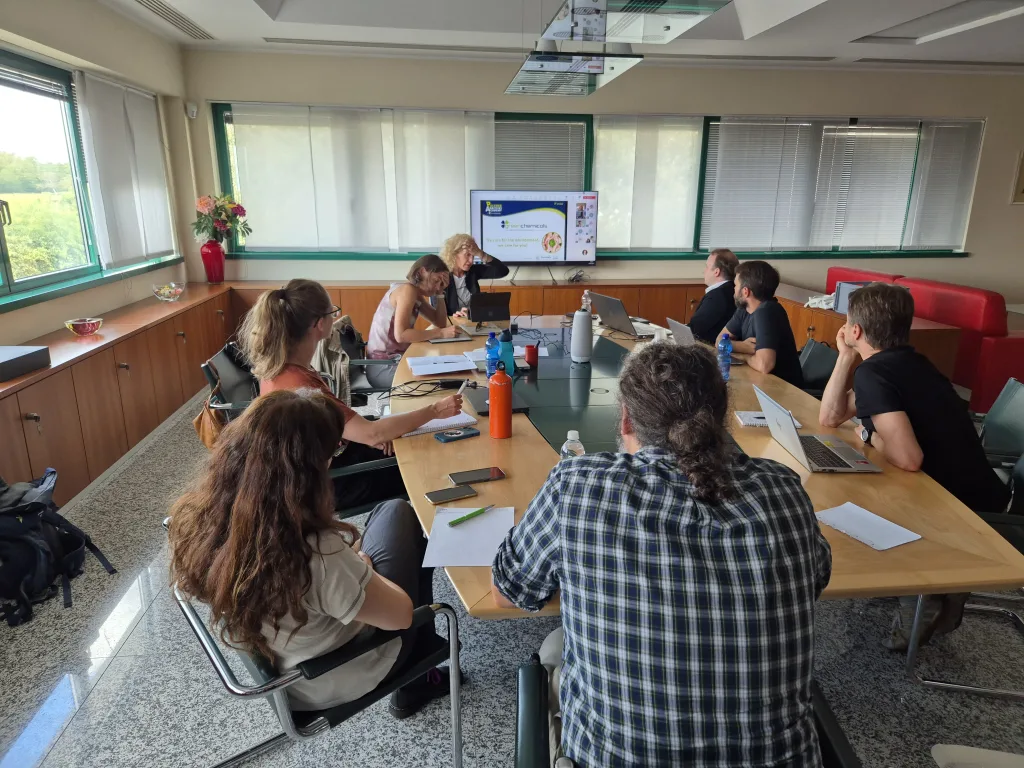
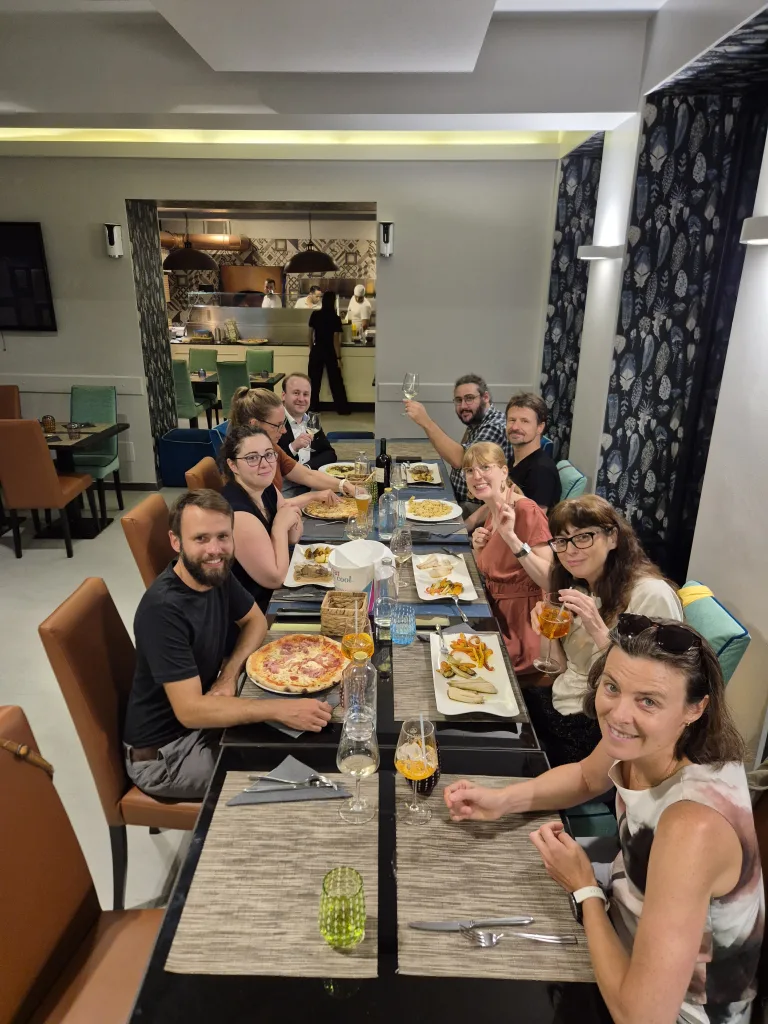
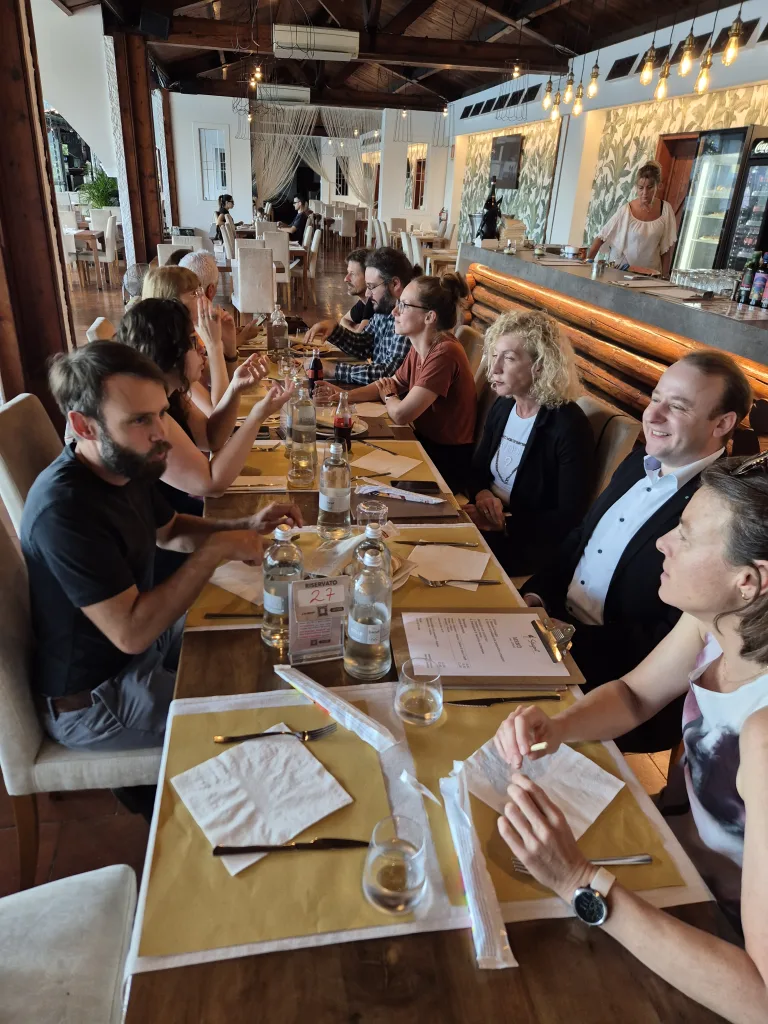
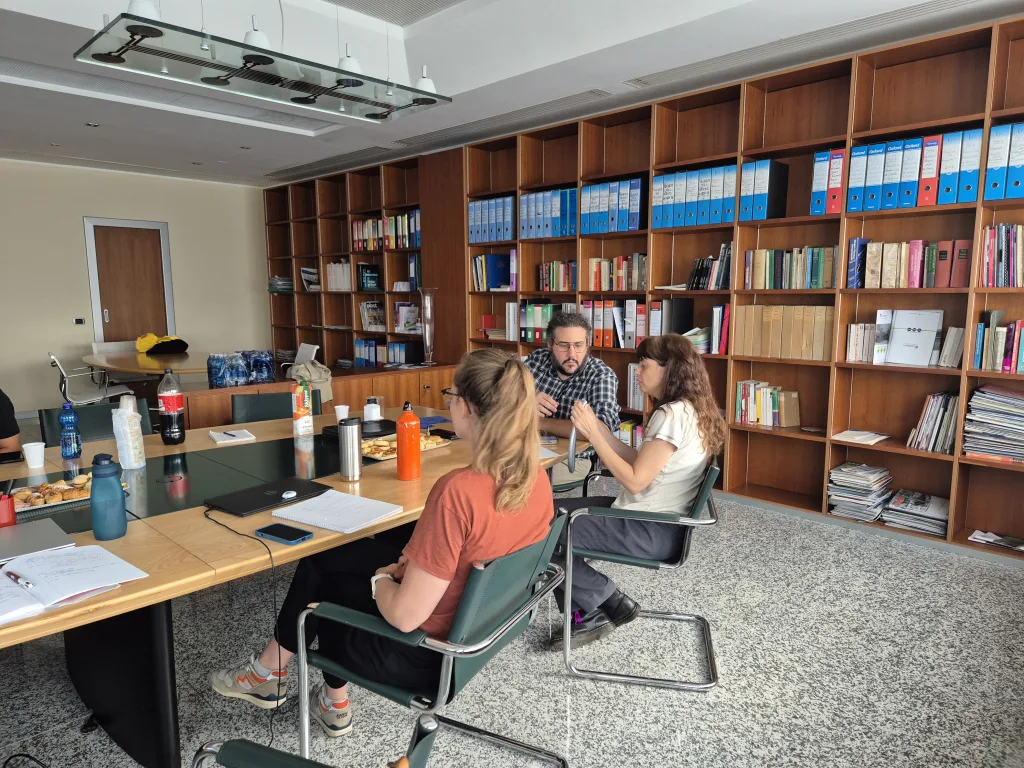
Additionally, task 2.3 was kicked-off in Vienna, having the Prater as an inspiring location for great discussions in the internal meeting! 

Below some impressions of the SETAC25 including a video! 

You are currently viewing a placeholder content from YouTube. To access the actual content, click the button below. Please note that doing so will share data with third-party providers.

More Information
Unblock content Accept required service and unblock content
IMG_20250522_102249
News
June 2, 2025

PLANETS @ Foam Technology Days 2025

The 2nd edition of the Foam Technology Days took place from 21 to 22 May 2025 in Pfinztal, Germany, focusing on particle and extrusion foam technologies with a special emphasis on recycling. Organised by our colleagues from Fraunhofer ICT, the event gathered around 60 participants from across the international foam industry — including material producers, machine manufacturers, processors, and end users — as well as academics.

Experts from Borealis, KraussMaffei Extrusion, BEWI, Ruch Novaplast, Steinbacher Dämmstoff, Fraunhofer ICT and other companies reported on their professional practice and shared their experiences in the industrial application of foam technology. Their contributions highlighted the sector’s shift towards sustainability and circularity.

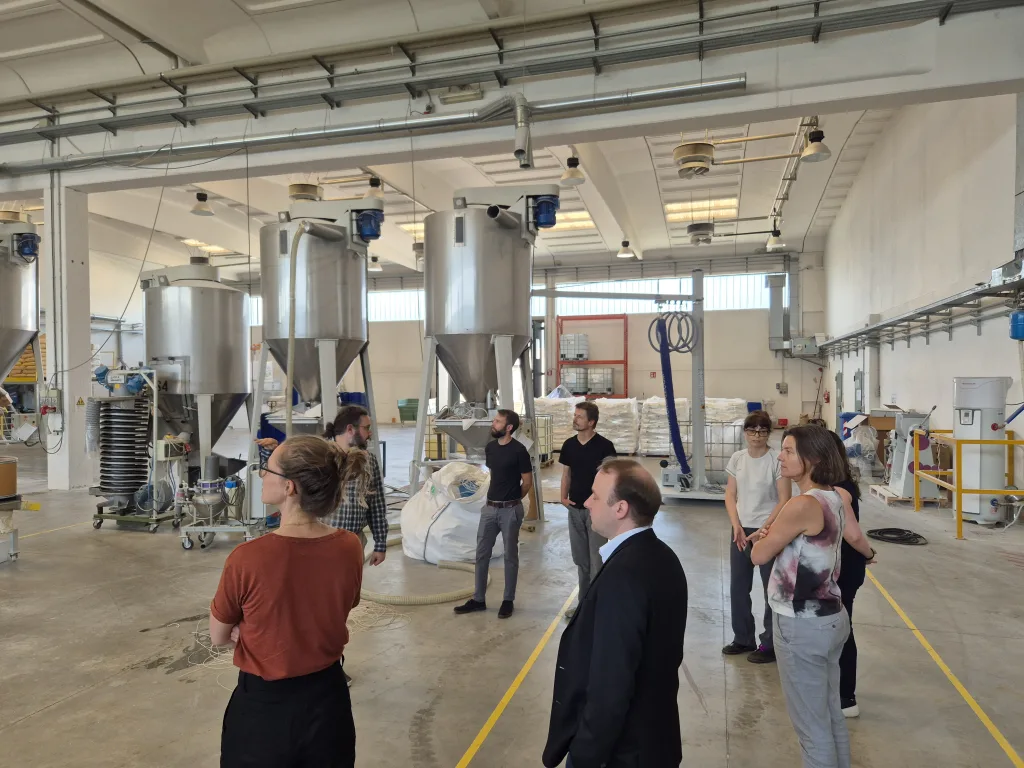
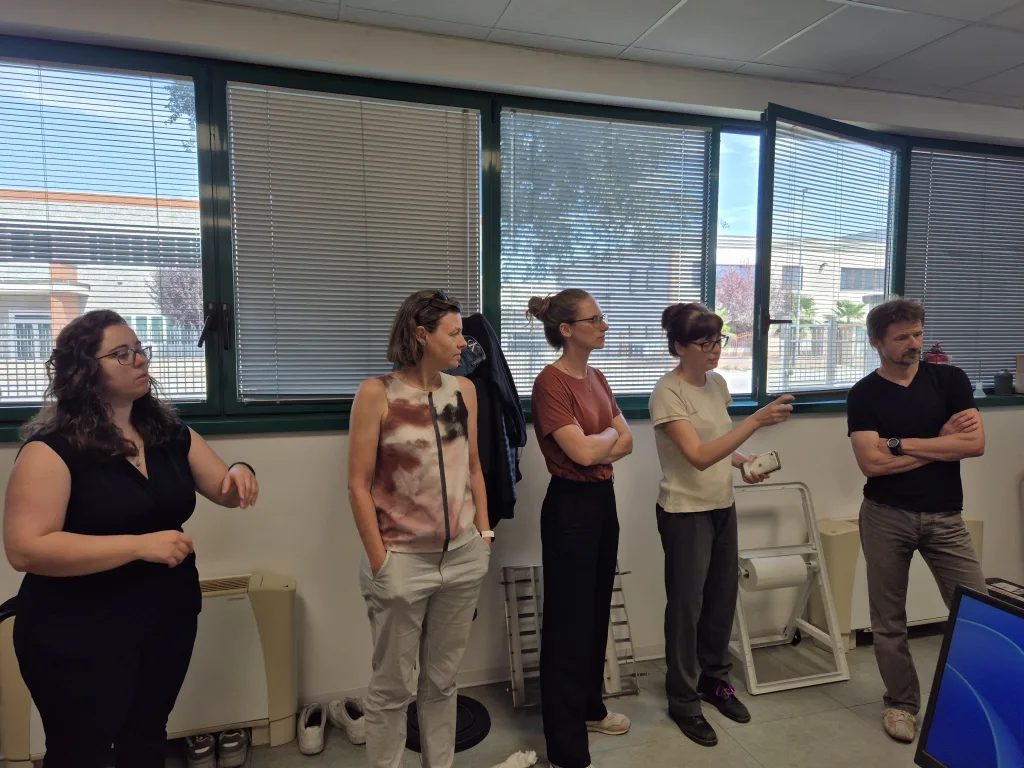
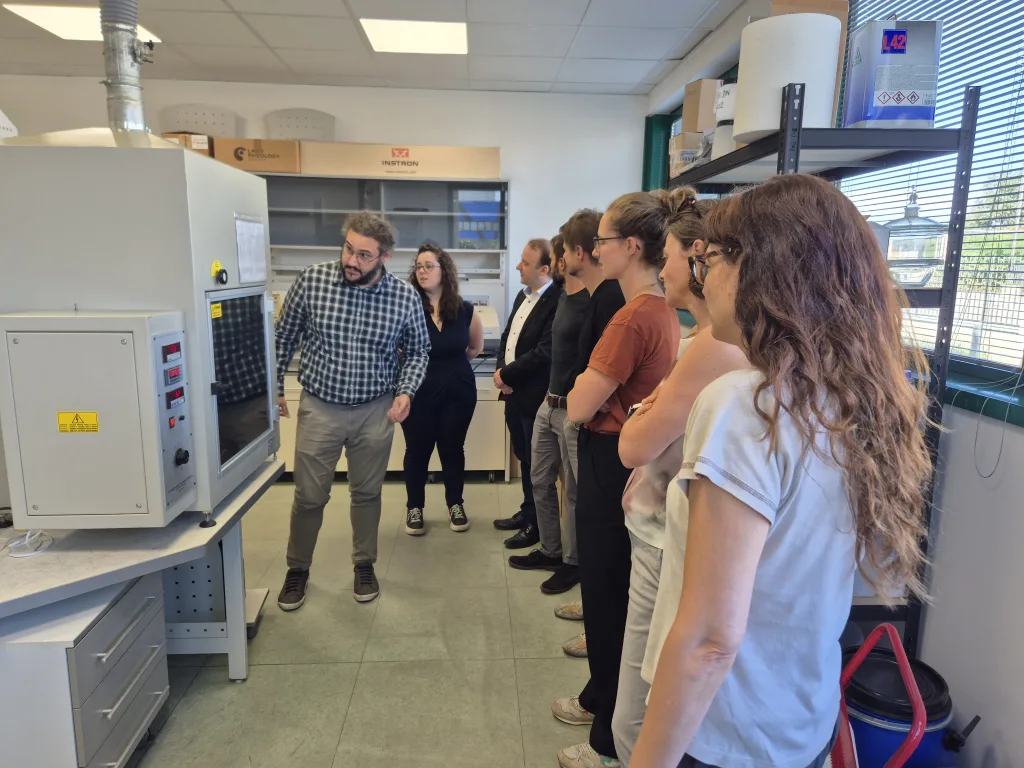
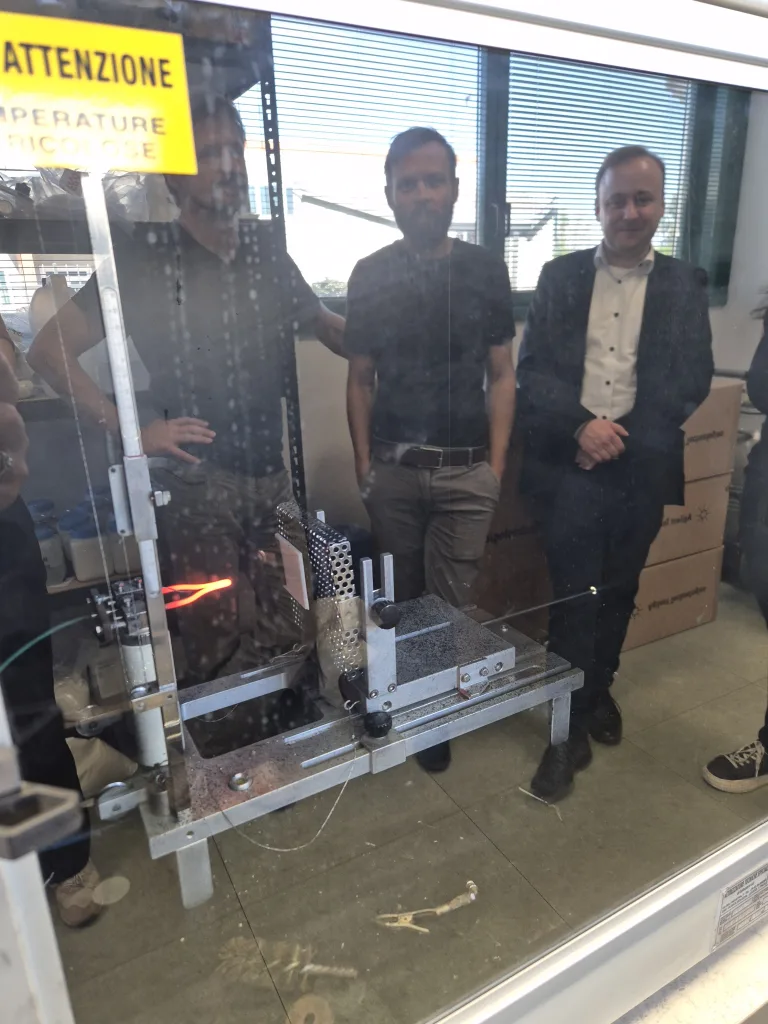
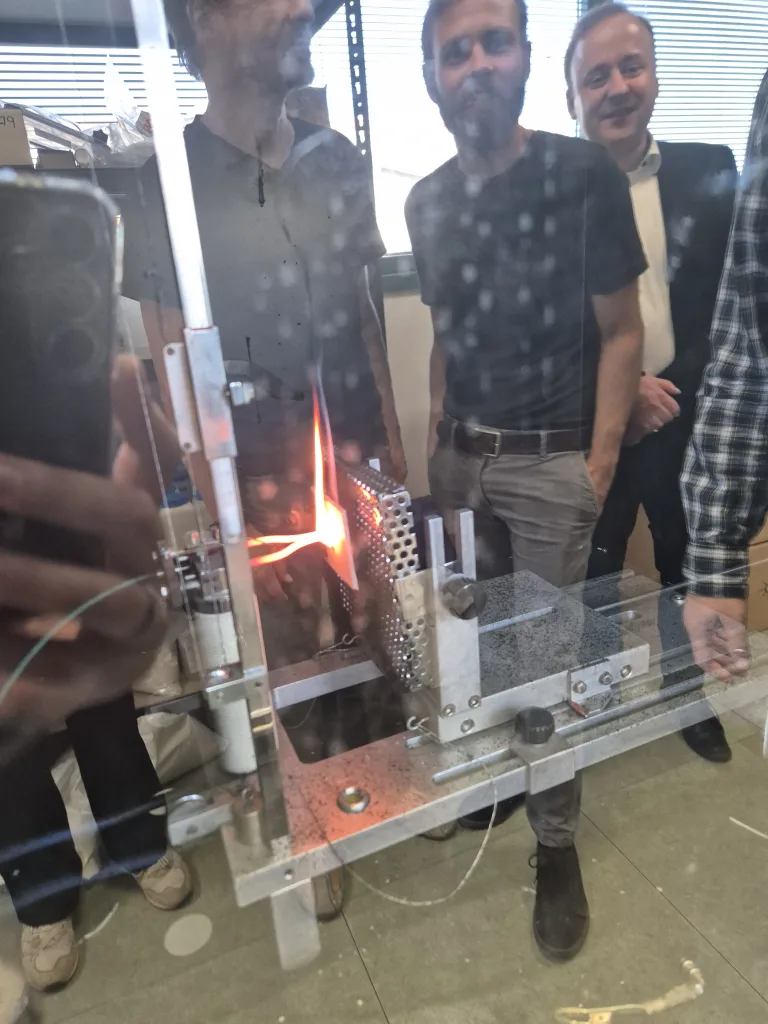
Participants also had the opportunity to explore the Fraunhofer ICT labs and pilot plants during an on-site tour, getting insight into their ongoing research, including efforts to map the entire recycling chain from rePS (recycled polystyrene) to rEPS (recycled expanded polystyrene) and rXPS (recycled extruded polystyrene).

PLANETS was also present at the event, with an oral presentation by Herbert Scharnagl from Steinbacher Dämmstoff GmbH, titled “From Waste to Value: The Path to Greener LDPE Insulation”, presenting among others the project and their involvement in the flame retardants case study.

The Foam Technology Days once again proved to be an invaluable platform for knowledge exchange, showcasing innovations that are shaping a more sustainable future for foam materials.

  • 1
  • 2

Contact

Plasticizers, fLame–retardants and surfactANts: new alternatives validating the safE and susTainable by deSign approach 

  • info@project-planets.eu

Helpful links

Downloads
Legal Notice
Privacy Policy
EN_FundedbytheEU_RGB_WHITE Outline

This project received funding from the European Union’s Horizon Europe research and innovation programme under grant agreement n° 101177608. Views and opinions expressed are however those of the author(s) only and do not necessarily reflect those of the European Union. Neither the European Union nor the granting authority can be held responsible for them.


PLANETS is a member of NSC.

back to top