logotype
  • Project
    • About PLANETS
    • Objectives
  • Applications
    • Surfactants
    • Flame retardants
    • Plasticizers
  • Partners
  • Collaborations
  • Resources
  • News
  • Contact
Linkedin
logotype
  • Project
    • About PLANETS
    • Objectives
  • Applications
    • Surfactants
    • Flame retardants
    • Plasticizers
  • Partners
  • Collaborations
  • Resources
  • News
  • Contact
Linkedin
  • Project
    • About PLANETS
    • Objectives
  • Applications
    • Surfactants
    • Flame retardants
    • Plasticizers
  • Partners
  • Collaborations
  • Resources
  • News
  • Contact
logotype
  • Project
    • About PLANETS
    • Objectives
  • Applications
    • Surfactants
    • Flame retardants
    • Plasticizers
  • Partners
  • Collaborations
  • Resources
  • News
  • Contact
Dissemination TAG
HomePosts Tagged "Dissemination"

Tag: Dissemination

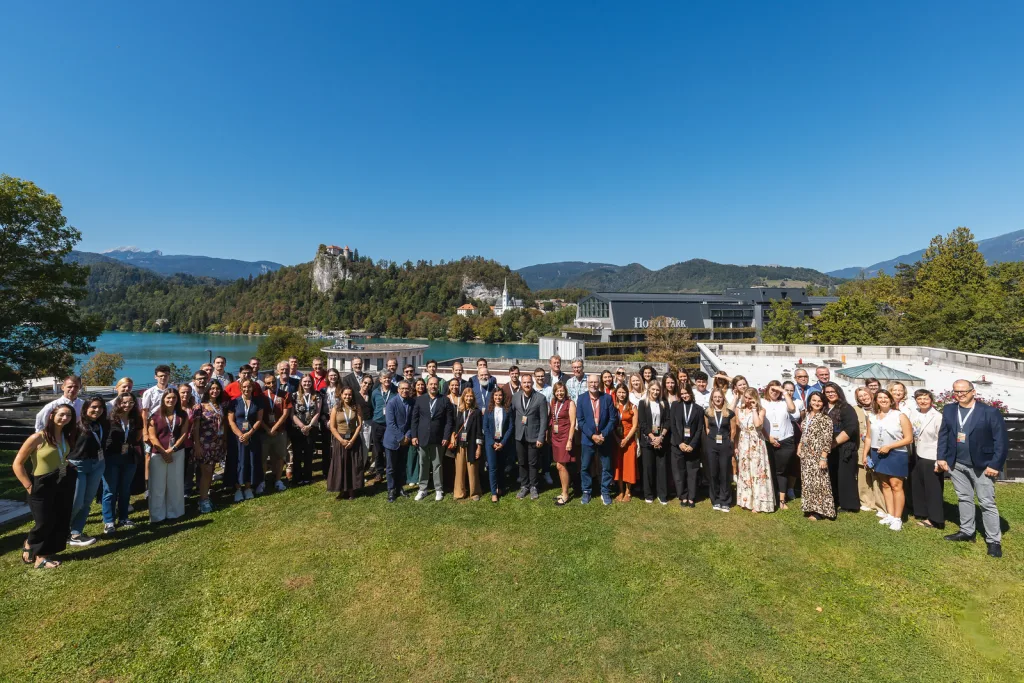
BPP2026_Conference_GroupPic
News
September 16, 2026

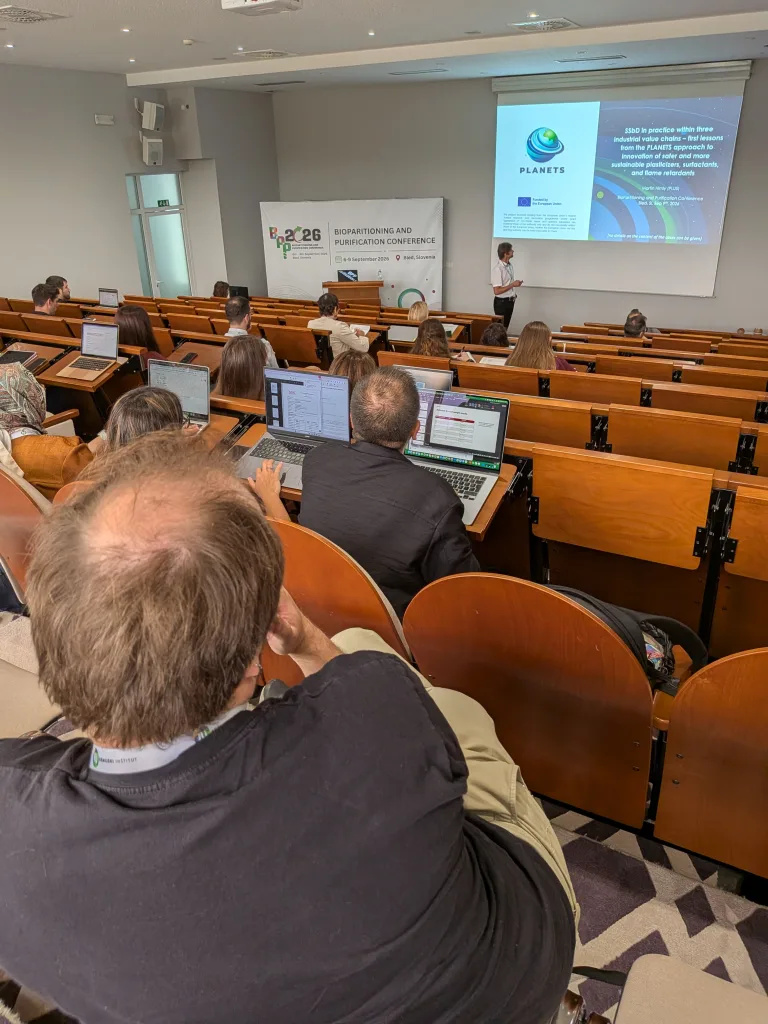
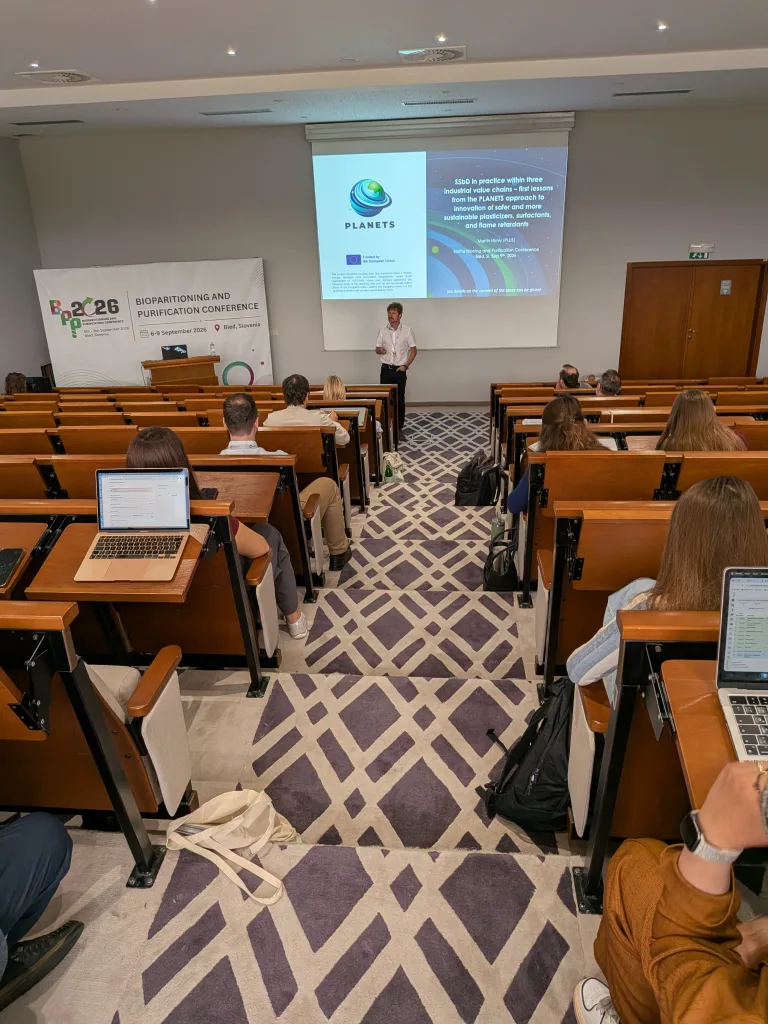
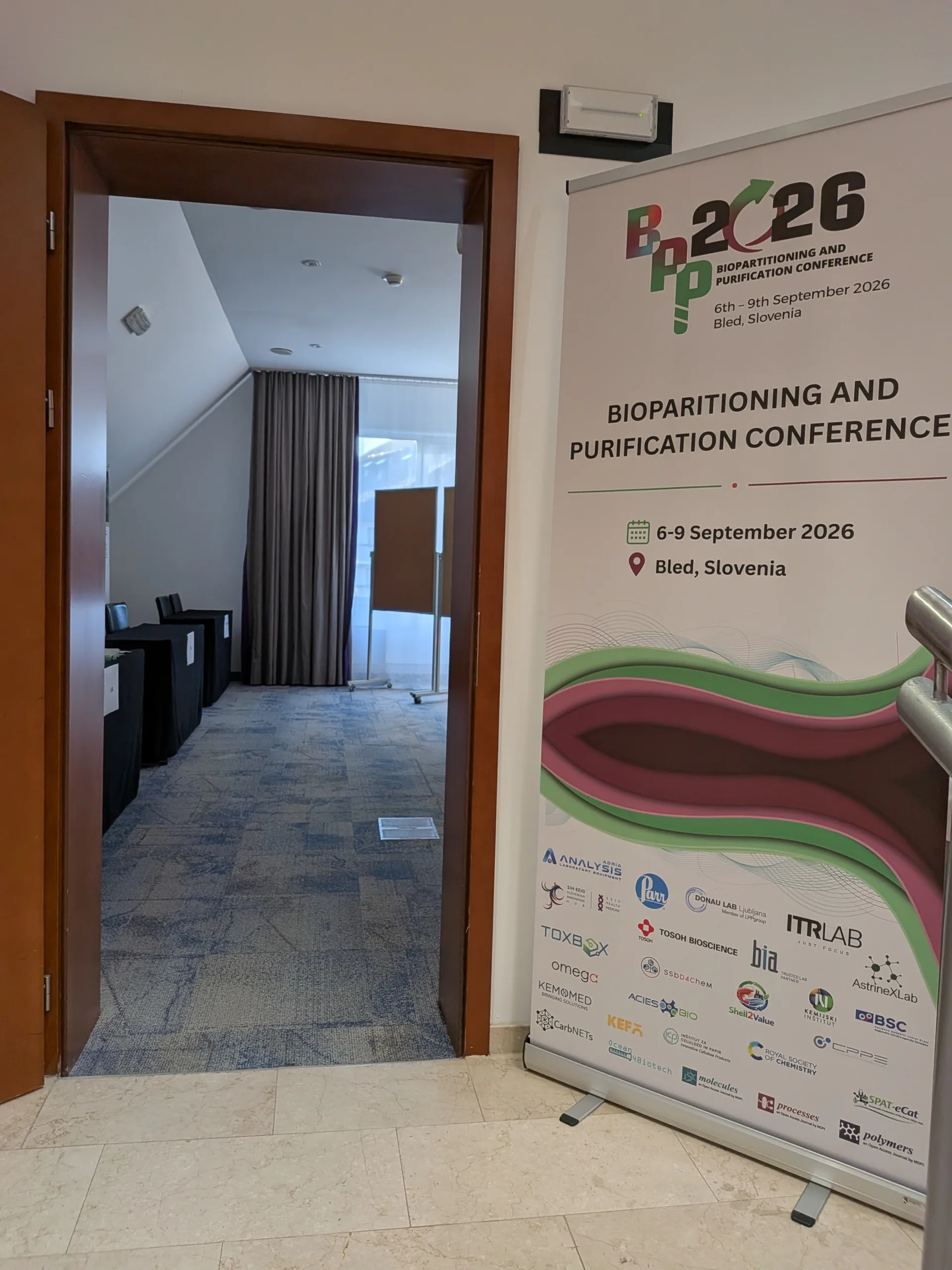
PLANETS @ BPP2026 (6-9.09.2026, Bled, Slovenia)

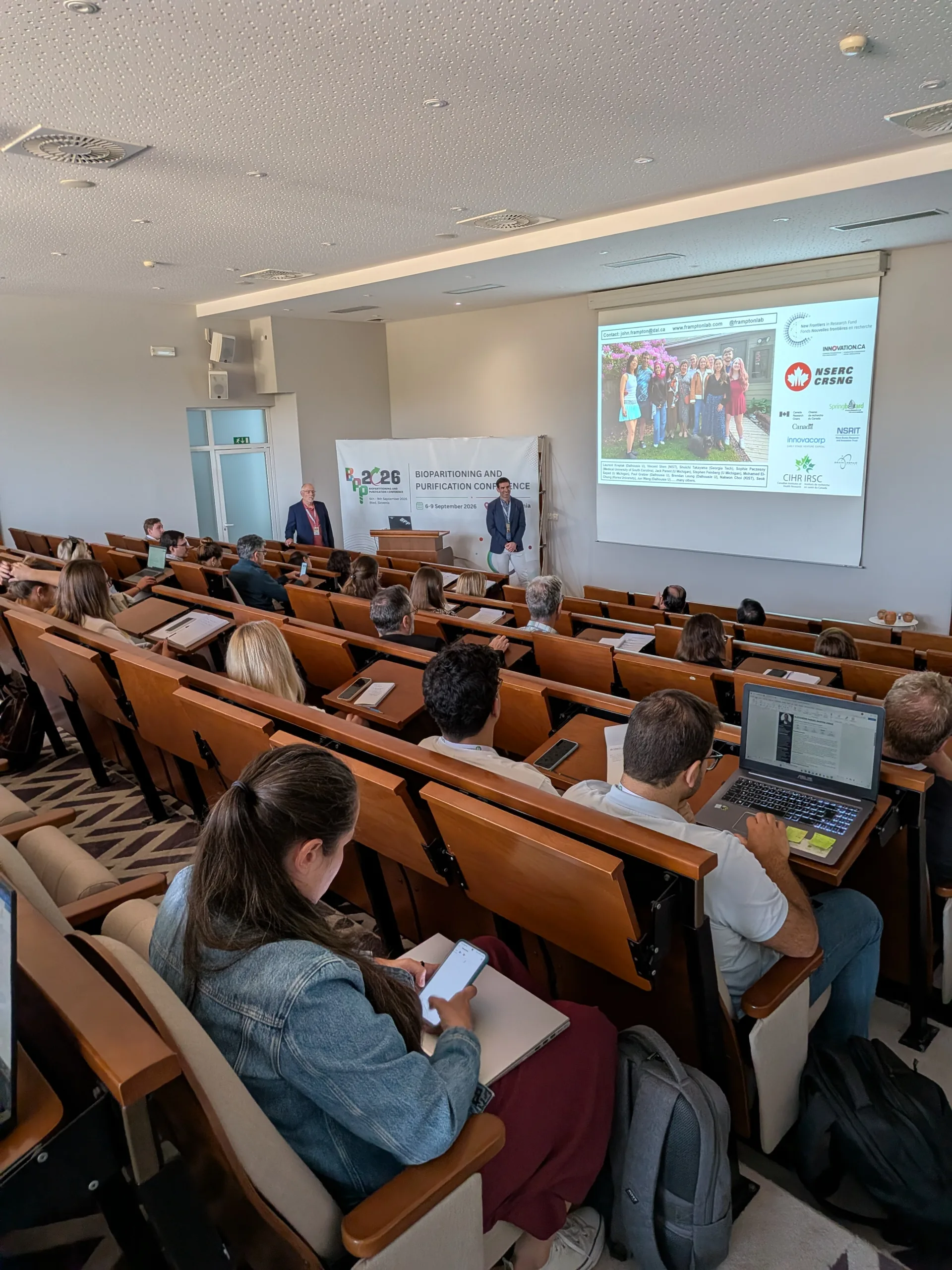
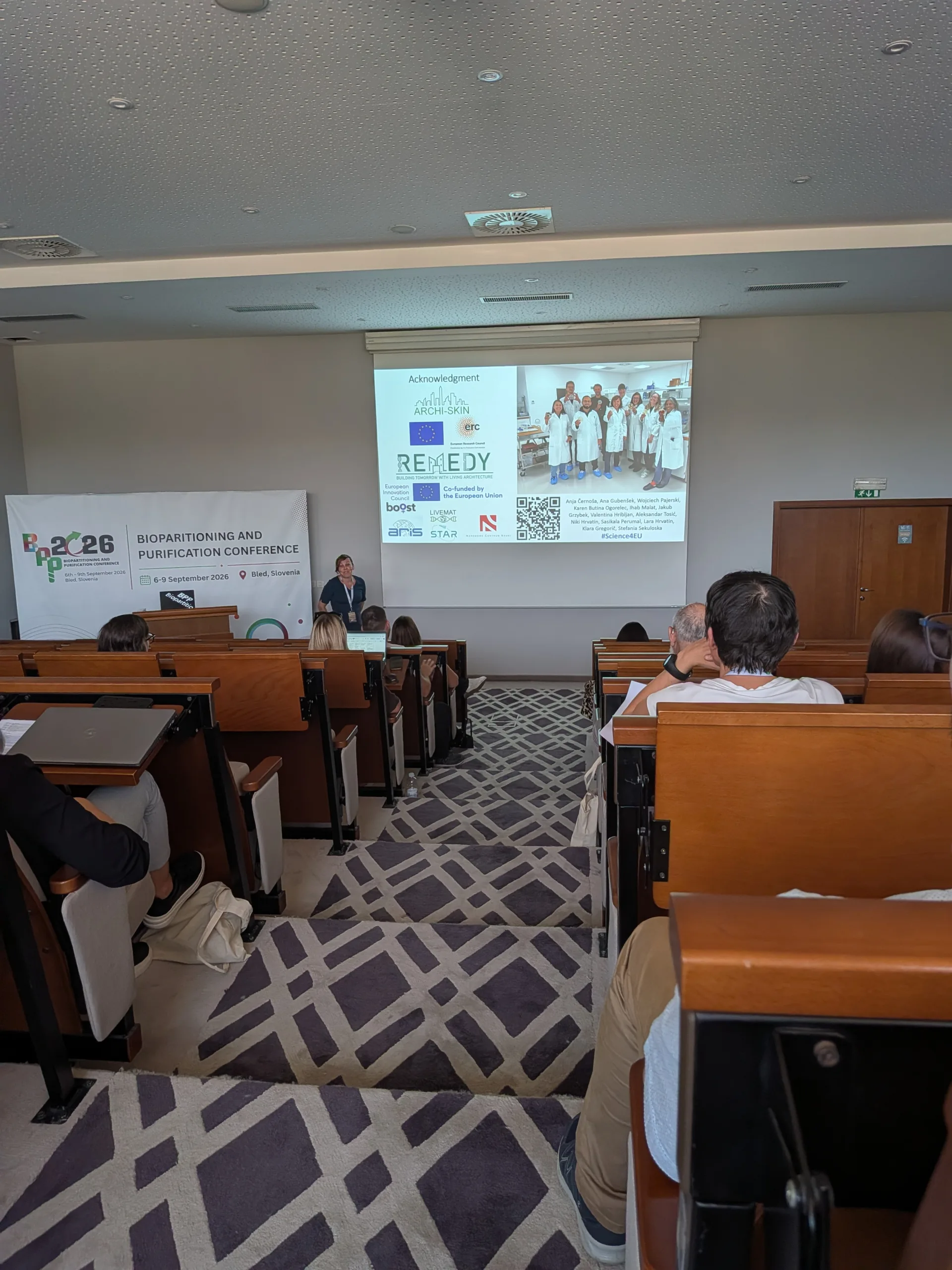
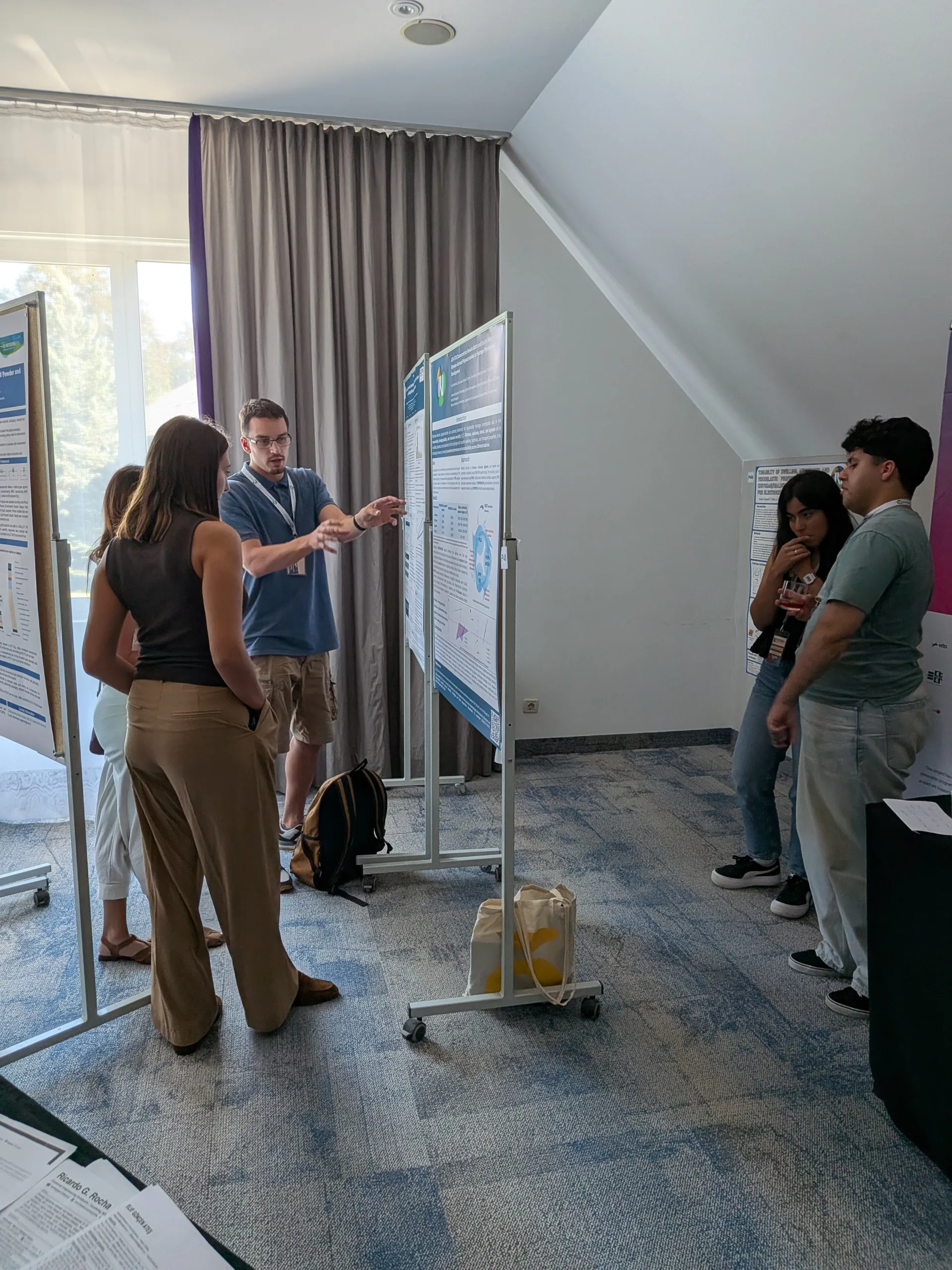
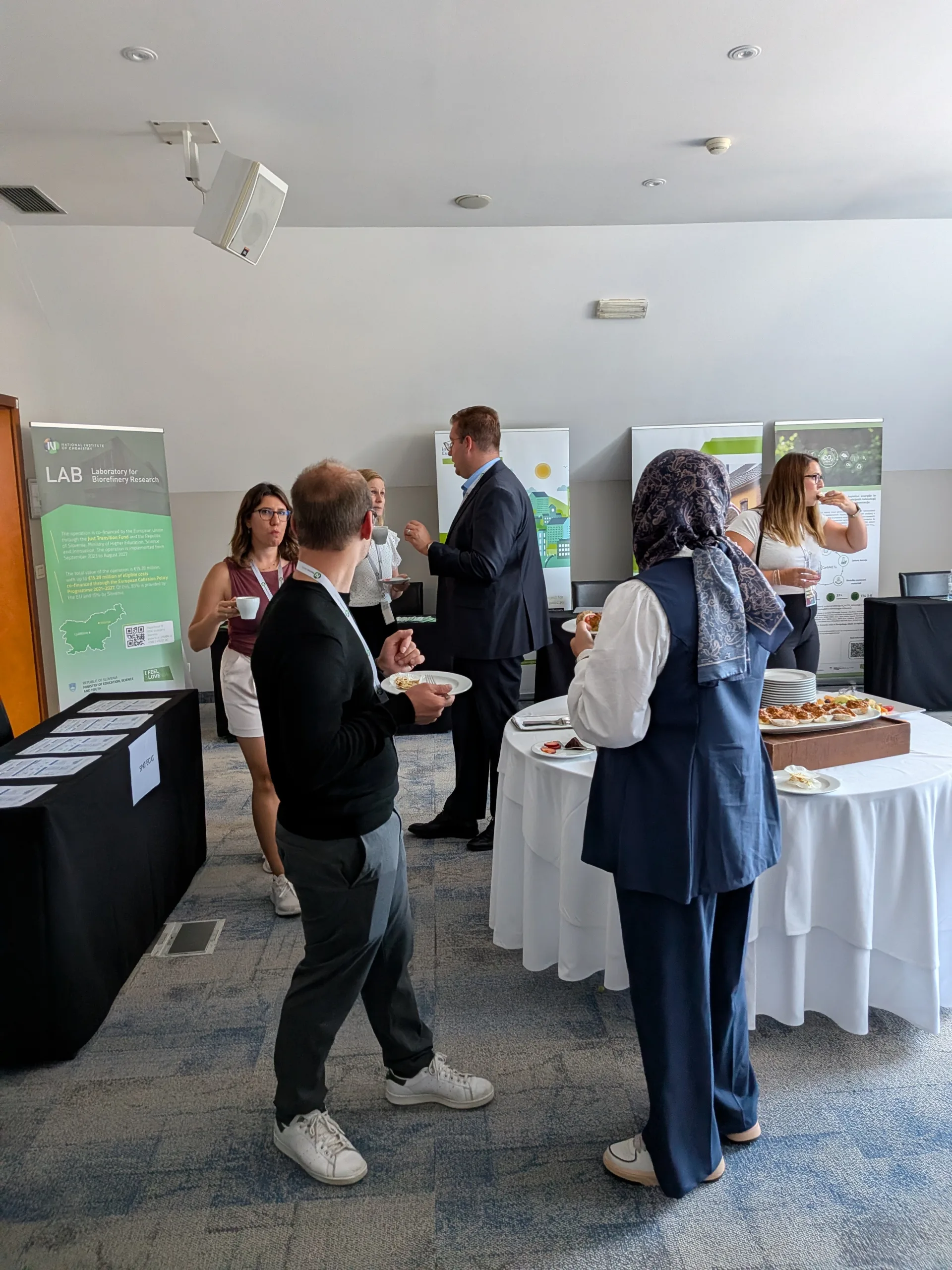
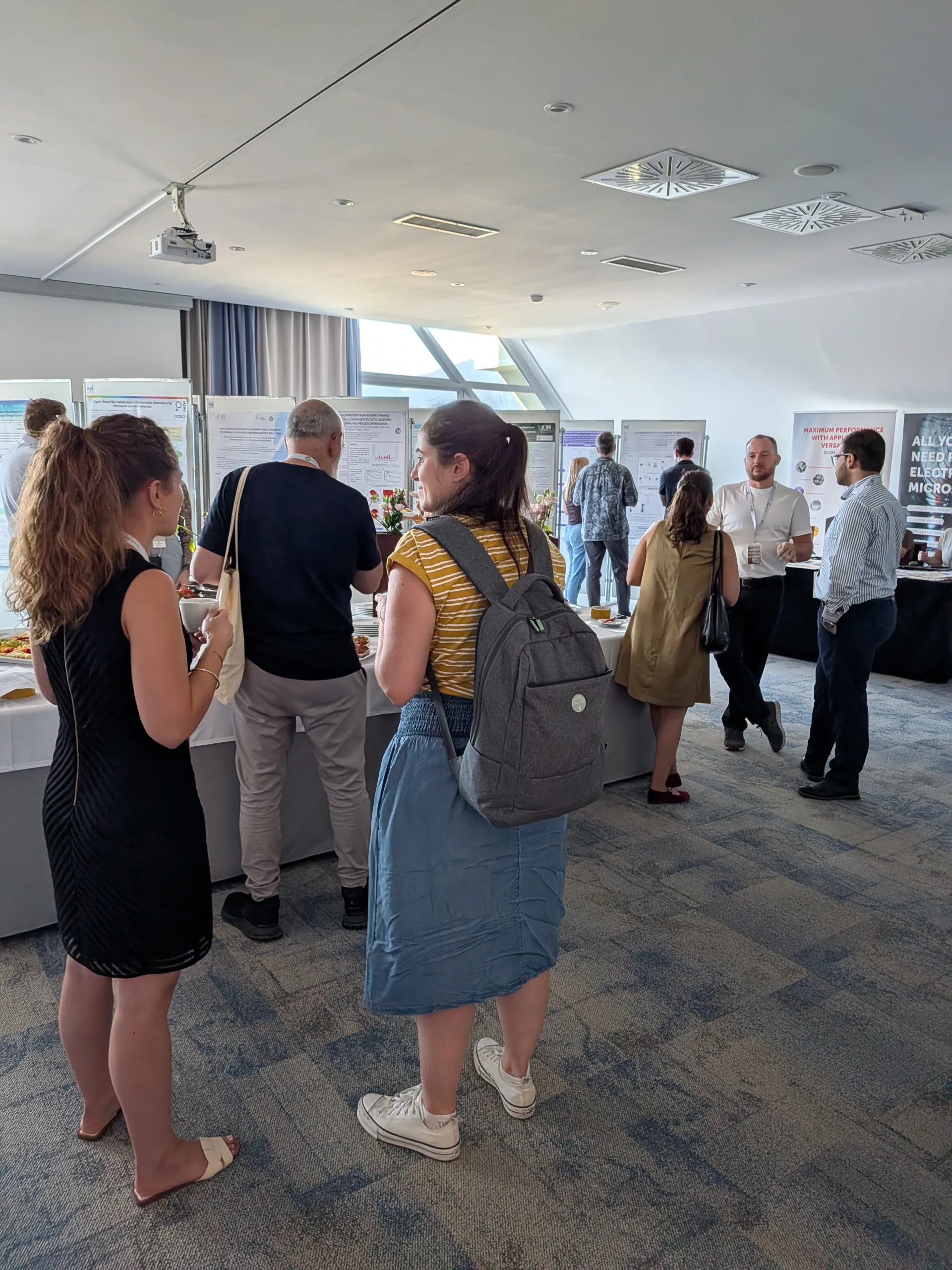
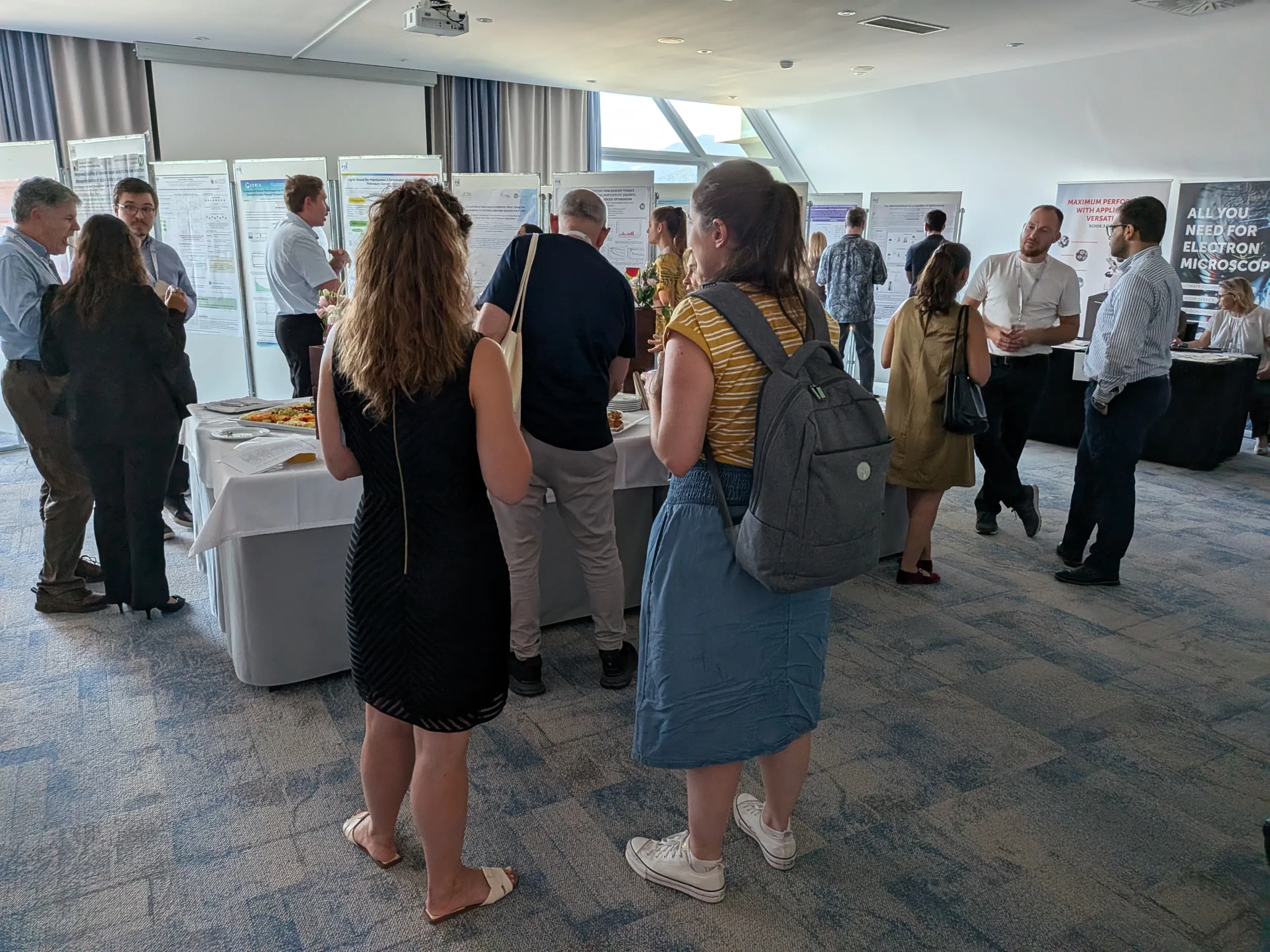
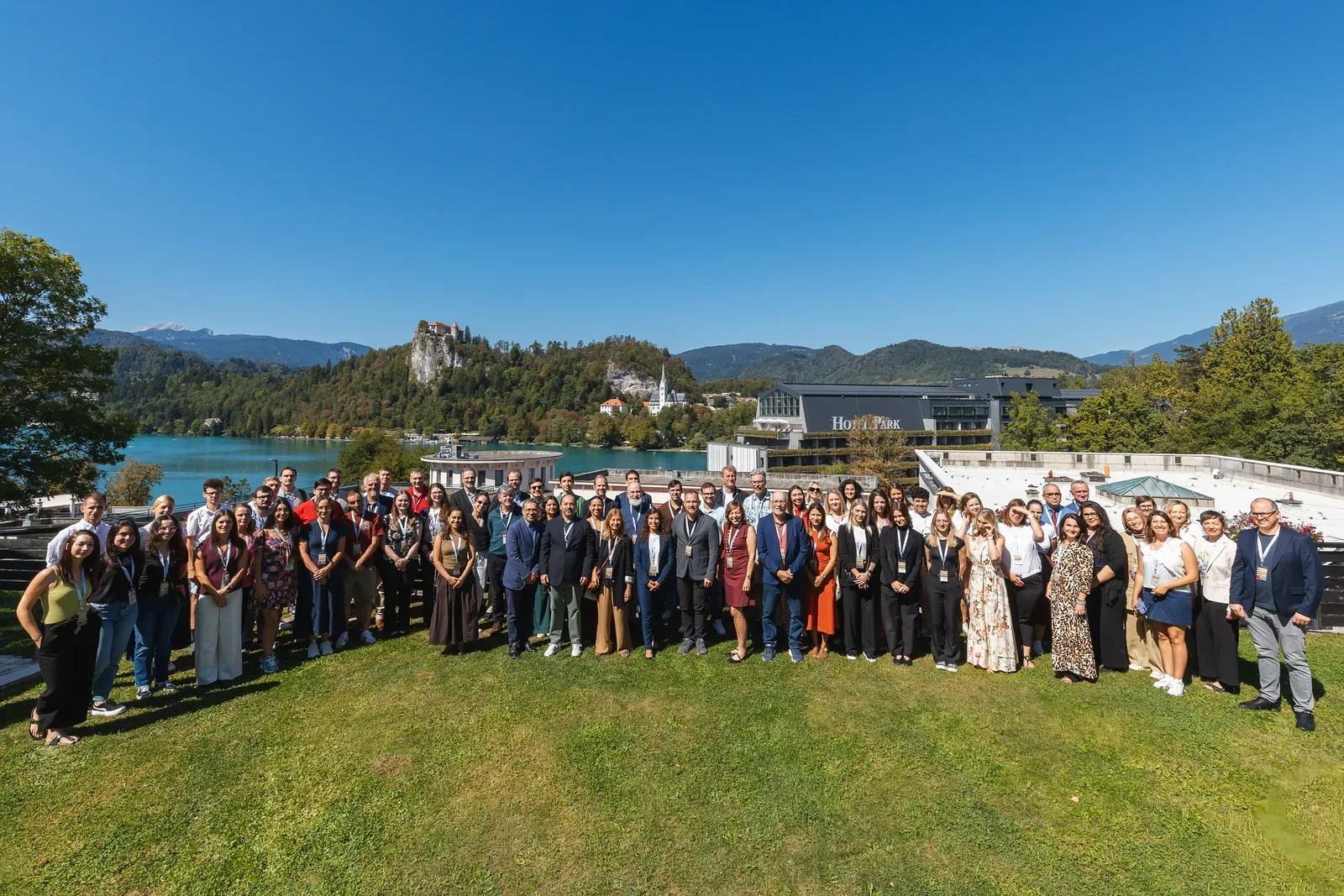
From 6 to 9 September 2026, the Biopartitioning and Purification Conference (BPP 2026) brought together in Bled (Slovenia) experts from academia and industry to exchange insights on the latest advances in bioseparation, purification, and sustainable bioprocessing.
The conference explored emerging topics including AI-driven process optimisation, biomass processing and waste valorisation, novel bioproducts, life cycle assessment, and regulatory frameworks. Through keynote lectures, presentations, posters, round-table discussion, and networking, the BPP 2026 provided a good platform for sharing knowledge, showcasing innovations, and building new collaborations for the future of sustainable bioprocessing.

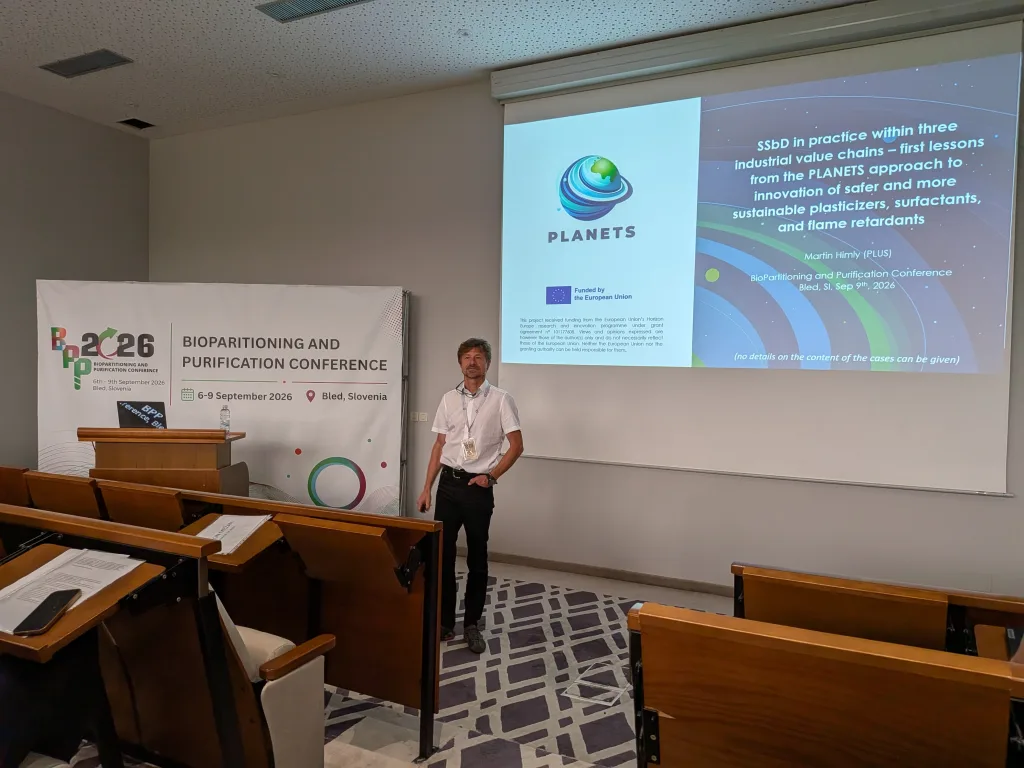
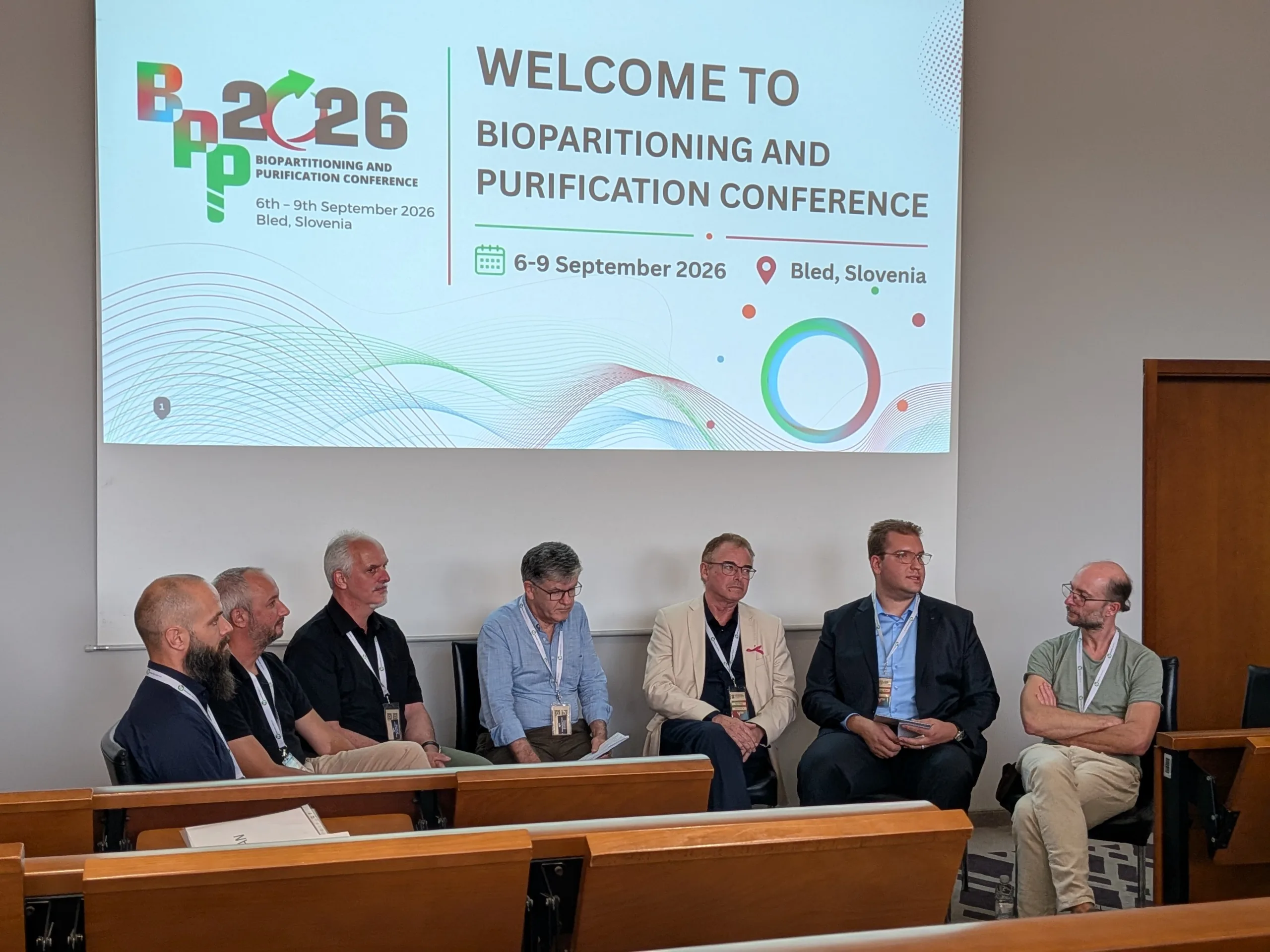
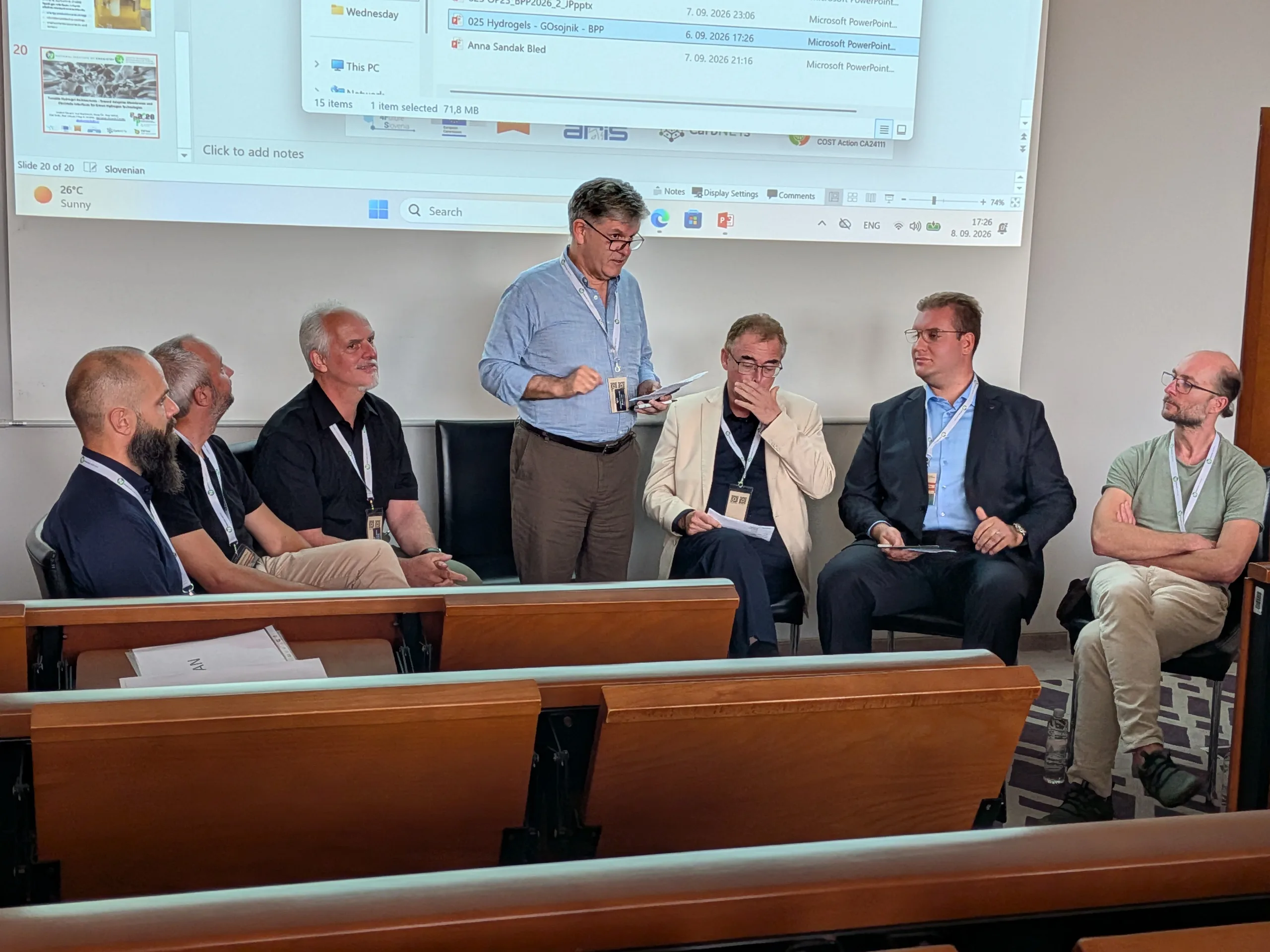
On the last day of the conference, 9 September, Martin Himly (PLUS) gave an oral presentation within the SSbD workshop entitled ‘Regulatory and Sustainability Considerations. In his presentation, Martin reported on the first lessons from putting Safe-and-Sustainable-by-Design (SSbD) into practice across the project’s three industrial value chains: flame retardants, surfactants, and plasticizers. He also covered learnings from the scoping, Tier 1/simplified, and Tier 2/intermediate assessments phases, and experiences with data confidentiality in regards to Digital Product Passport (DPP) development.
Thank you to the organisers of the conference for giving us the opportunity of being part of the conference, and specially of the SSbD session, jointly organised by the sister projects TOXBOX and SSbD4CheM.

Relevant links:

  • Event website
  • Agenda
  • Book of abstracts

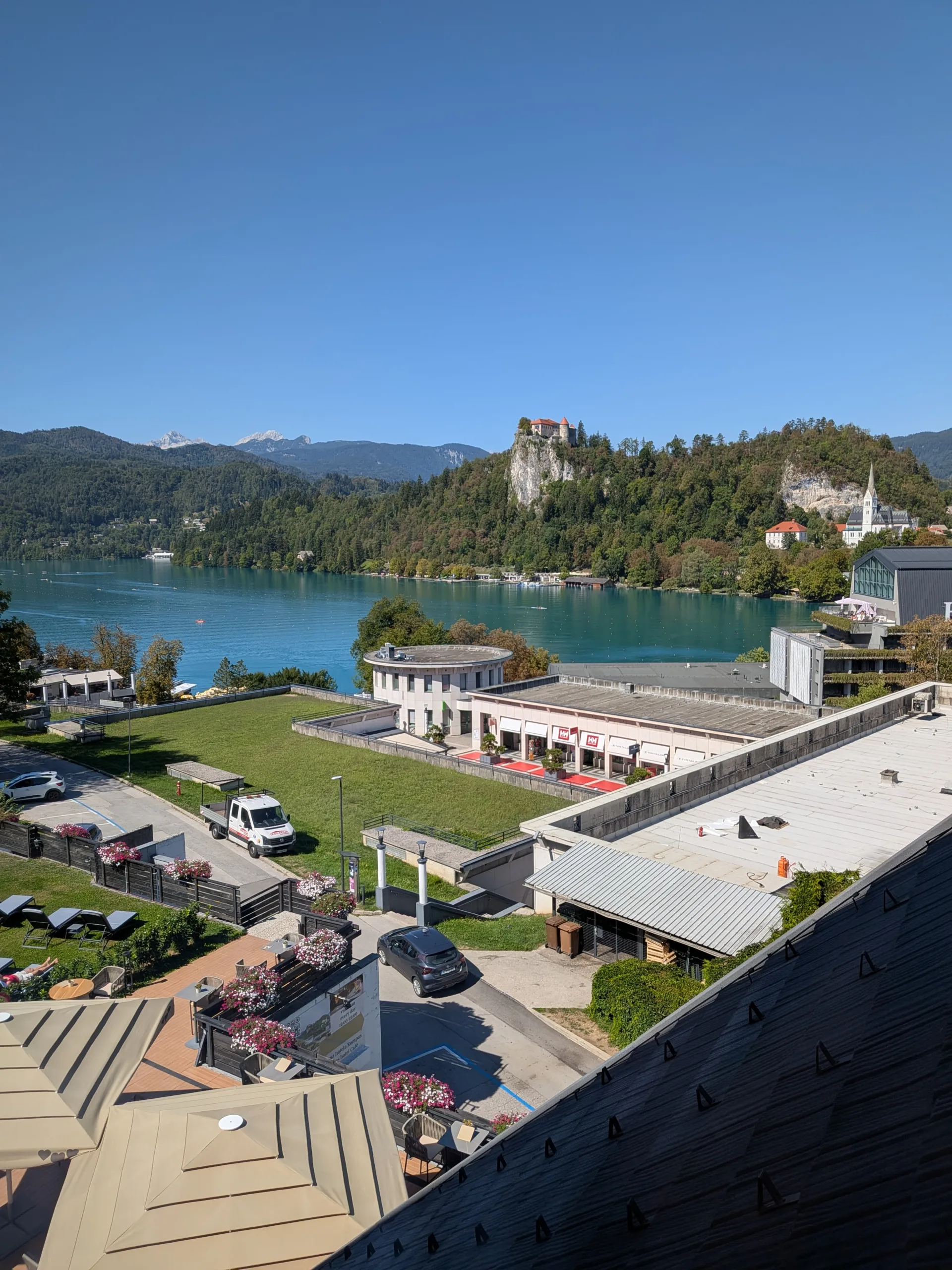
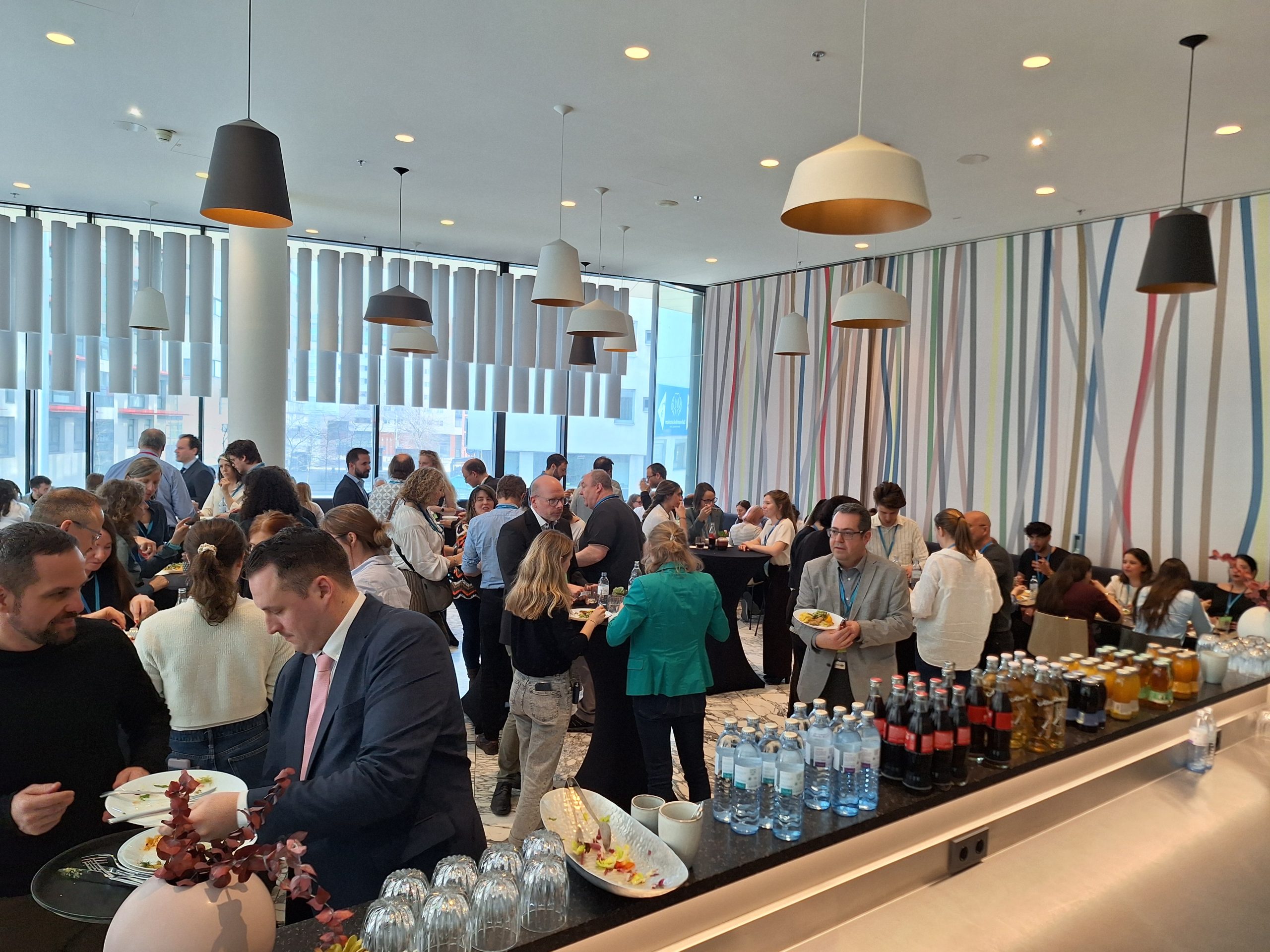
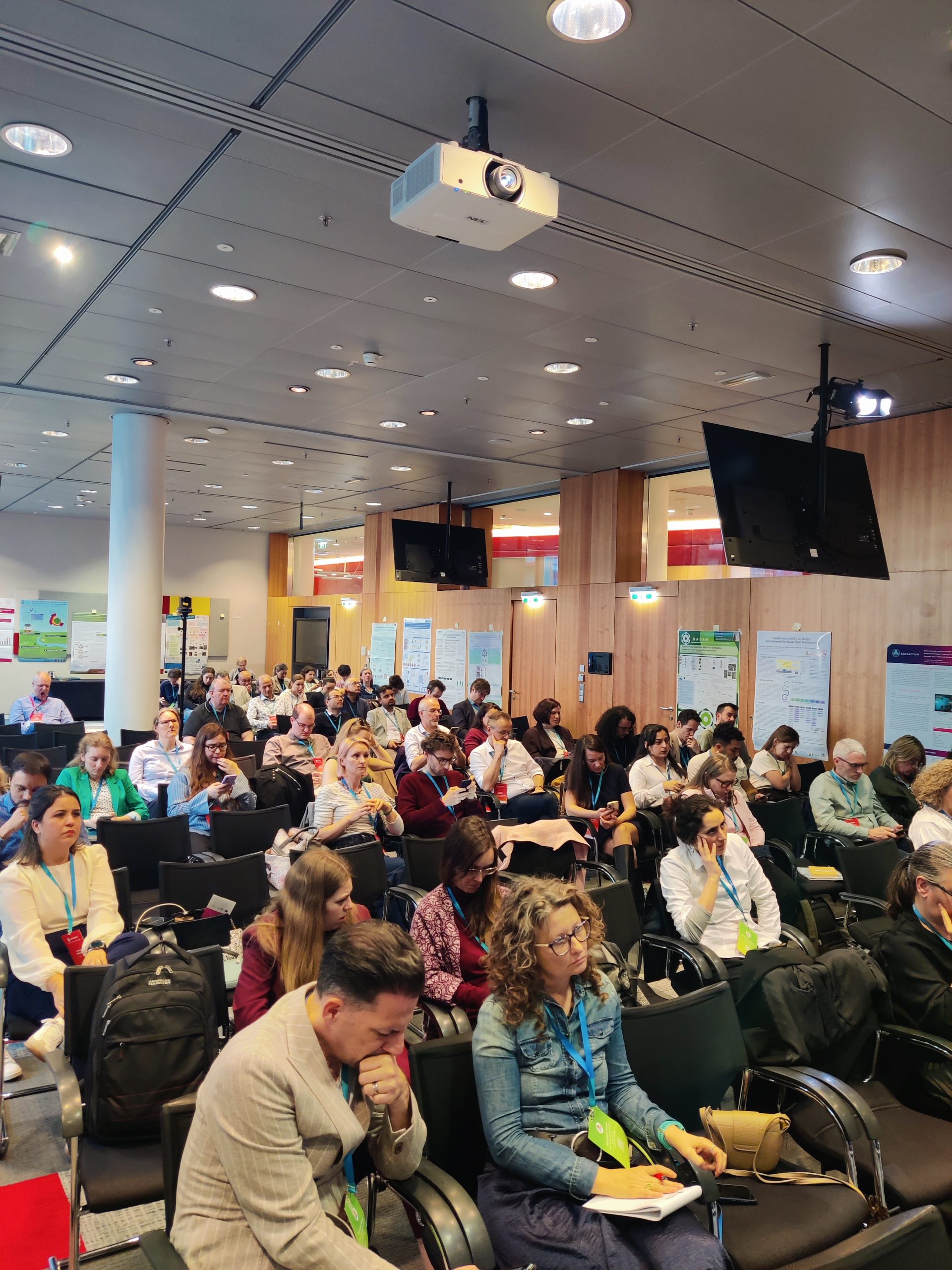
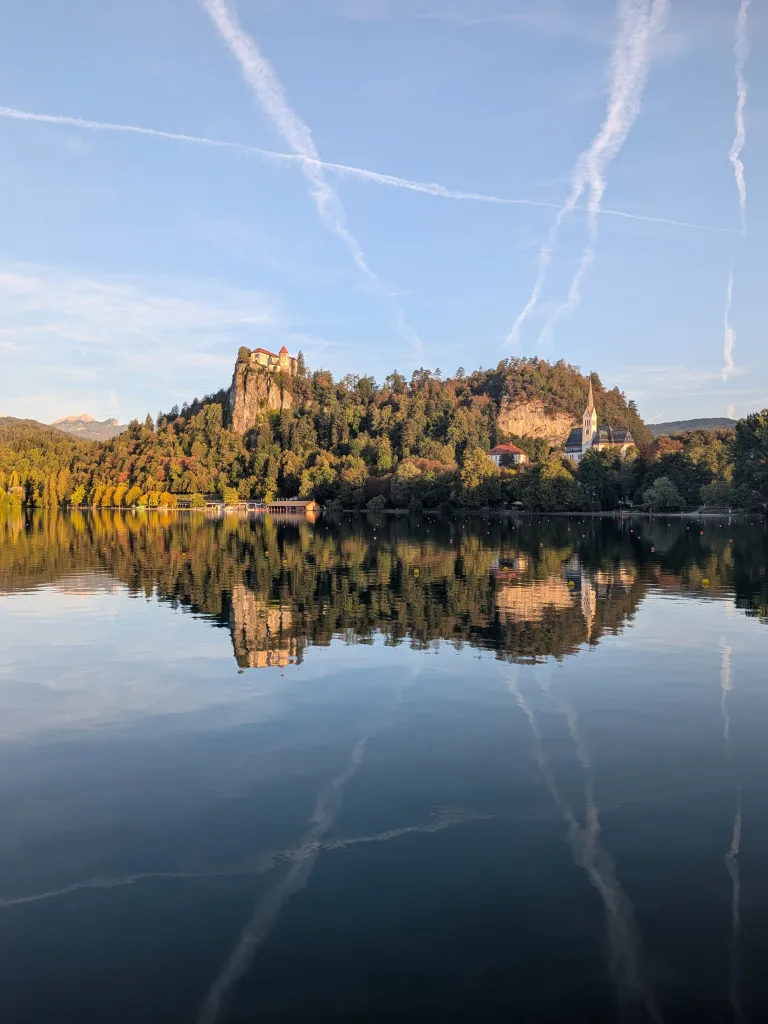
See below for insights into the conference. More pictures are available here. Photo credits go to Beatriz Alfaro and Boris Pretnar.

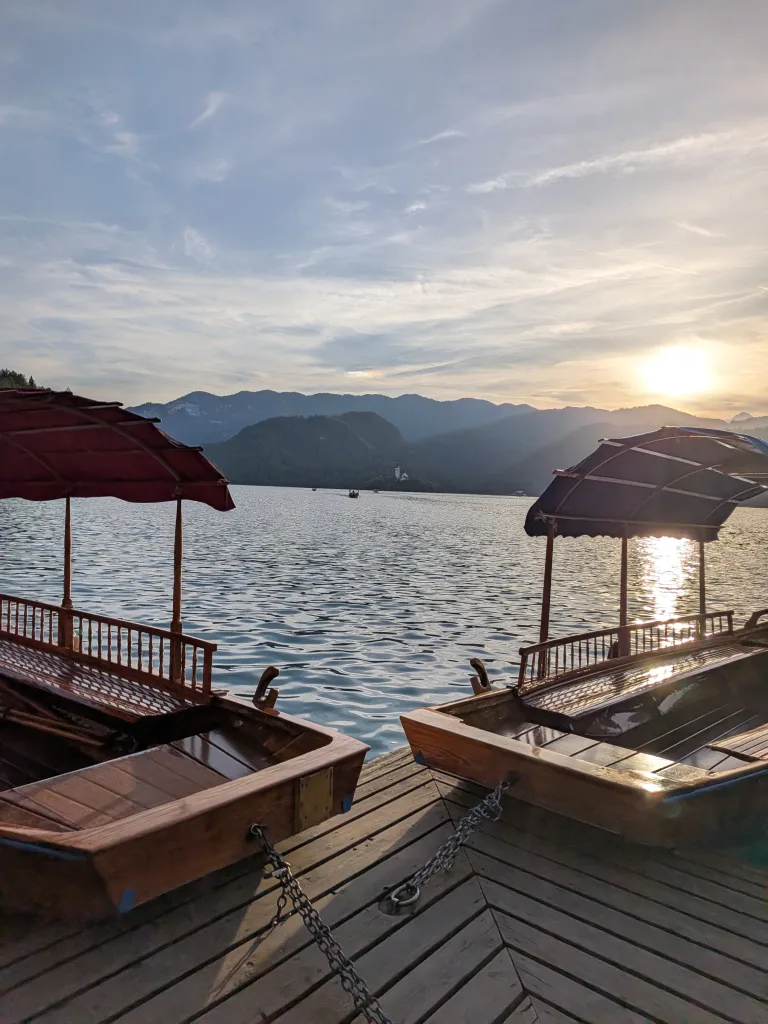
Bled and its surroundings:

The SSbD workshop:

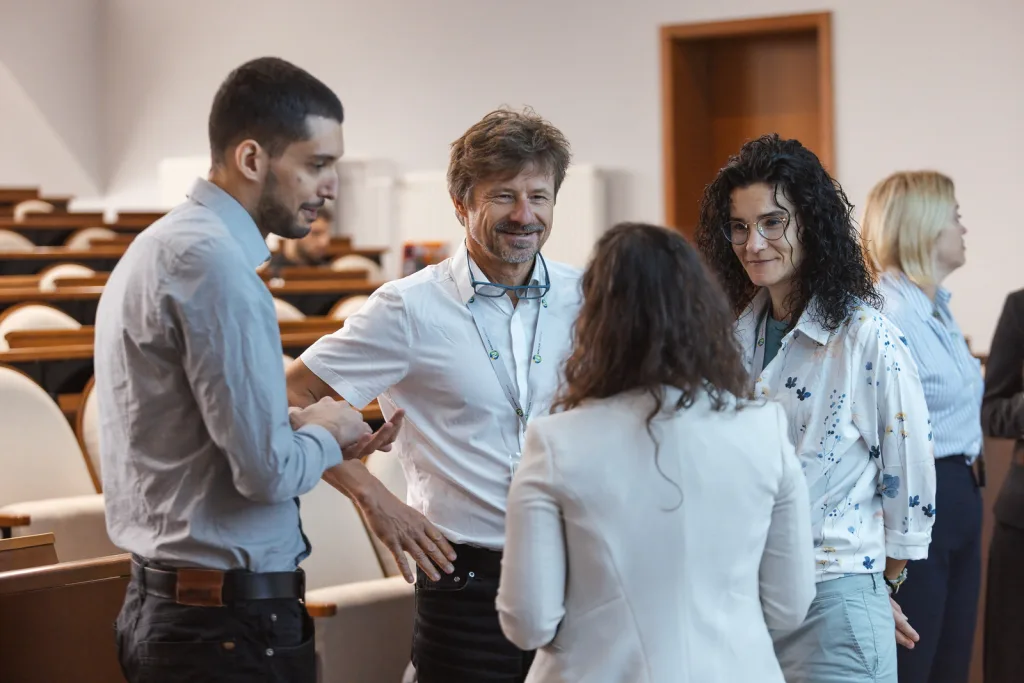
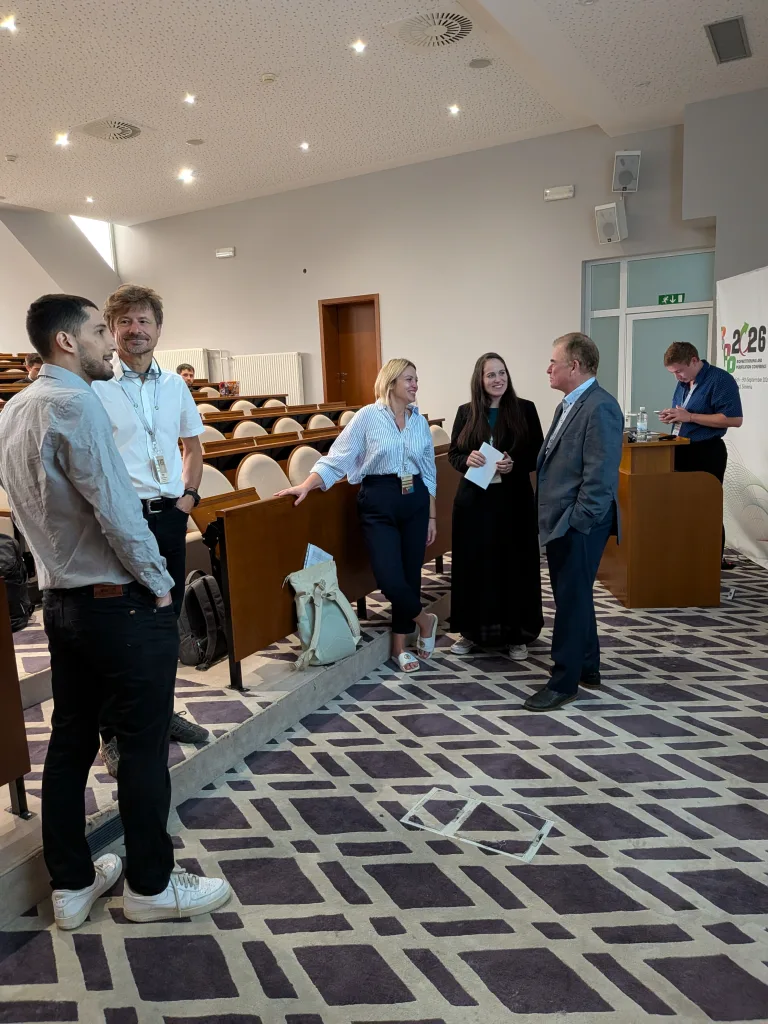
The conference:

BPP2026_Conference_GroupPic
PLANETS_CheMatSustain_StkhlEvent_June2026_1
News
September 5, 2026

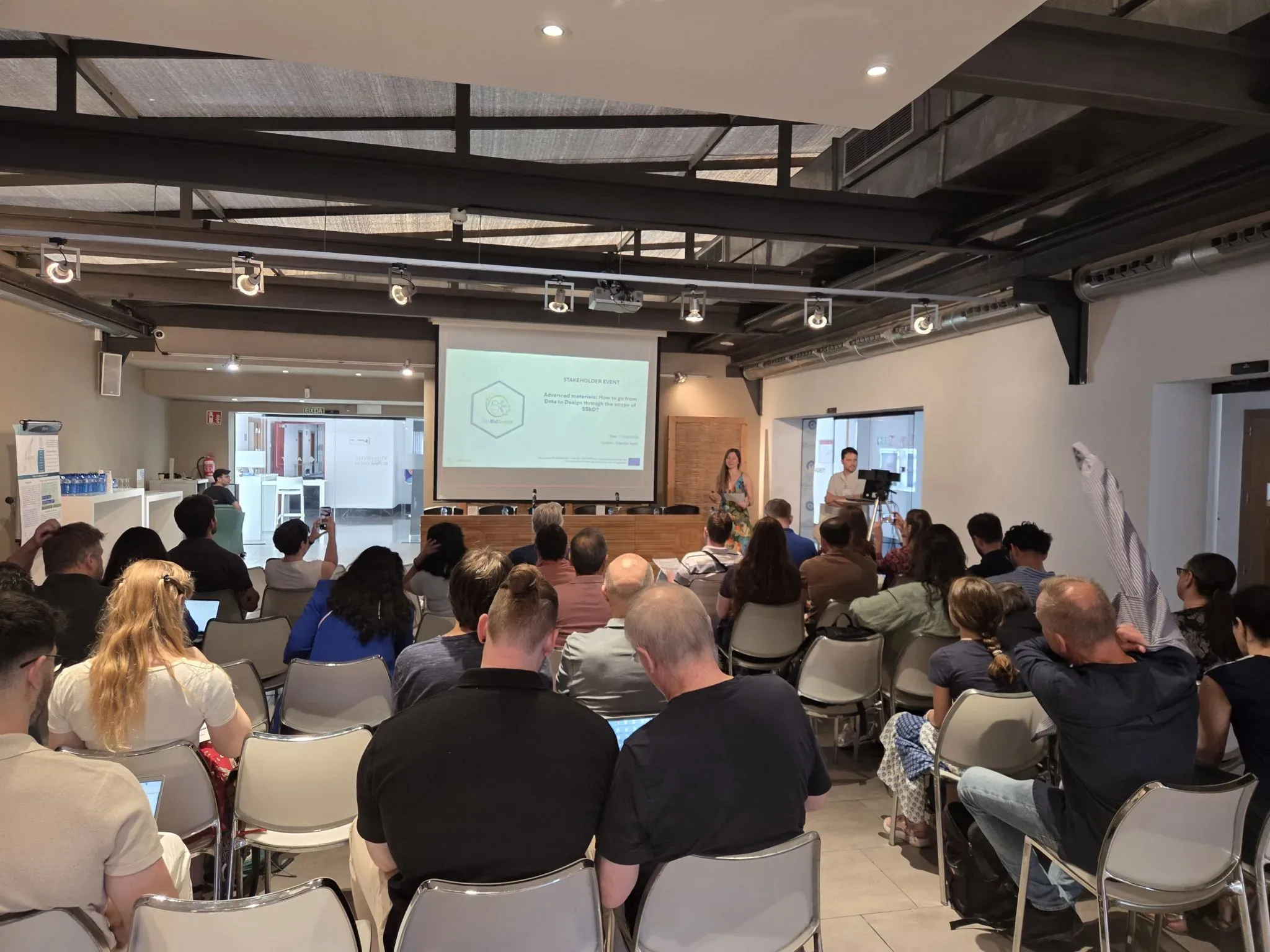
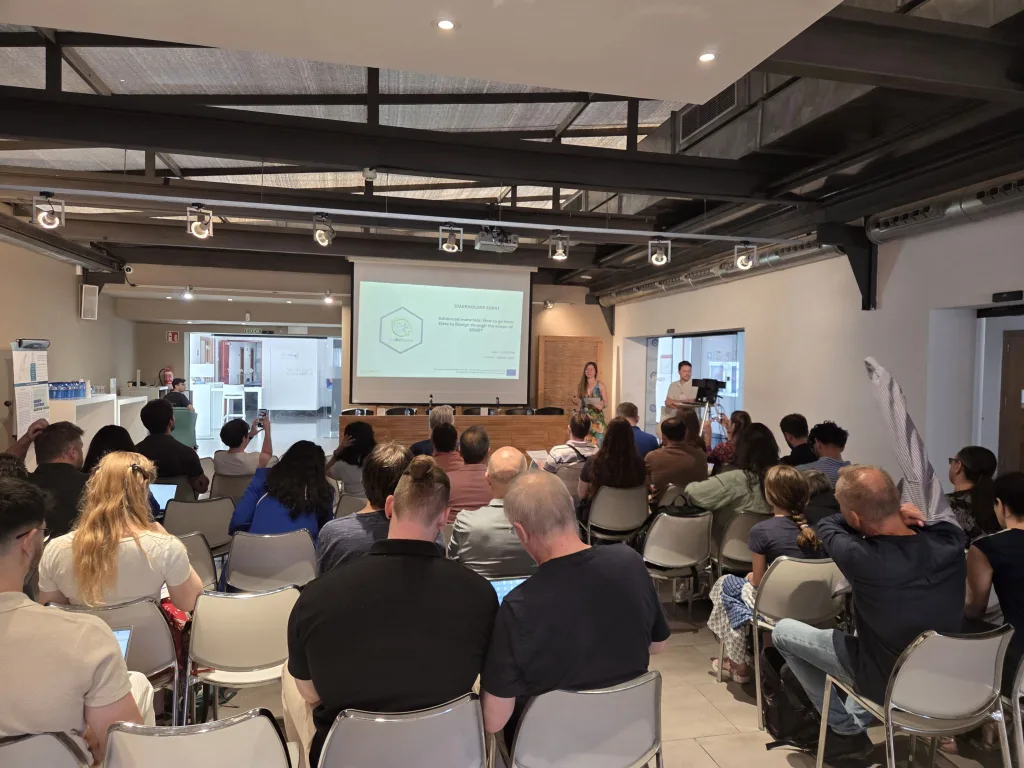
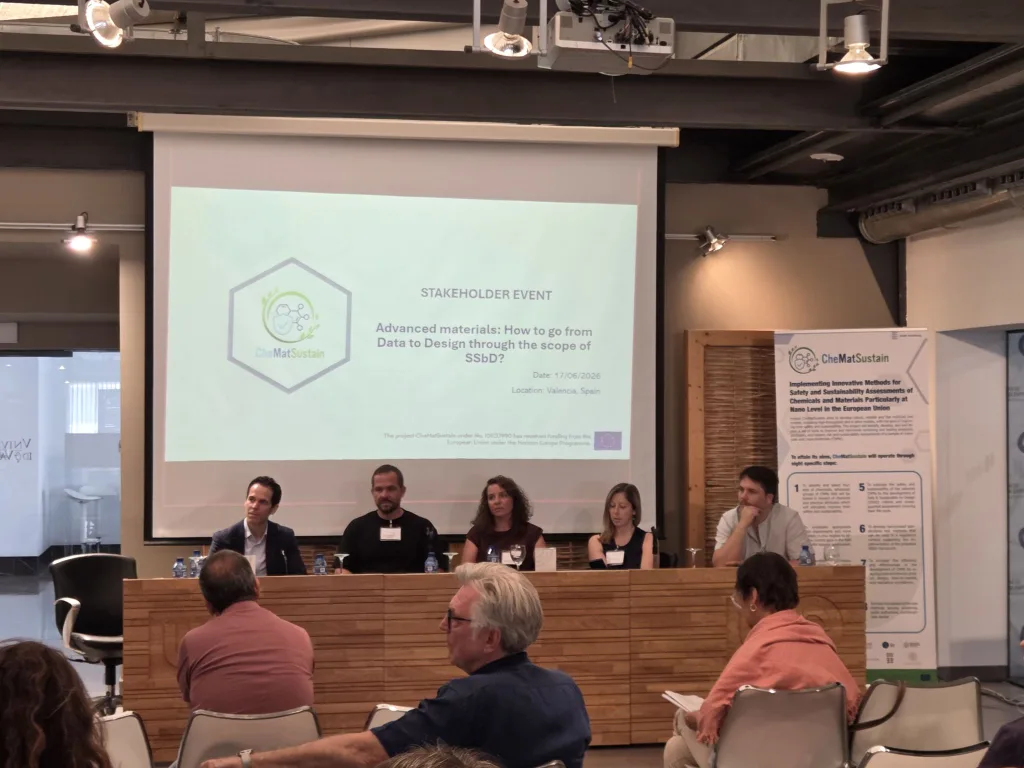
PLANETS @ CheMatSustain Stakeholder event (17.06.2026, Valencia, Spain)

On 17th June 2026, the PLANETS project contributed to the stakeholder dialogue on data-driven Safe-and-Sustainable-by-Design (SSbD)-driven materials development with its active participation in the session “Advanced Materials: How to Go from Data to Design through the Scope of SSbD?”, organized by the CheMatSustain project following its 5th General Assembly in Valencia. The event brought together experts from EU research projects, industry, and academia to explore how data, databases, artificial intelligence (AI), and Safe-and-Sustainable-by-Design (SSbD) principles can accelerate innovation in advanced materials.
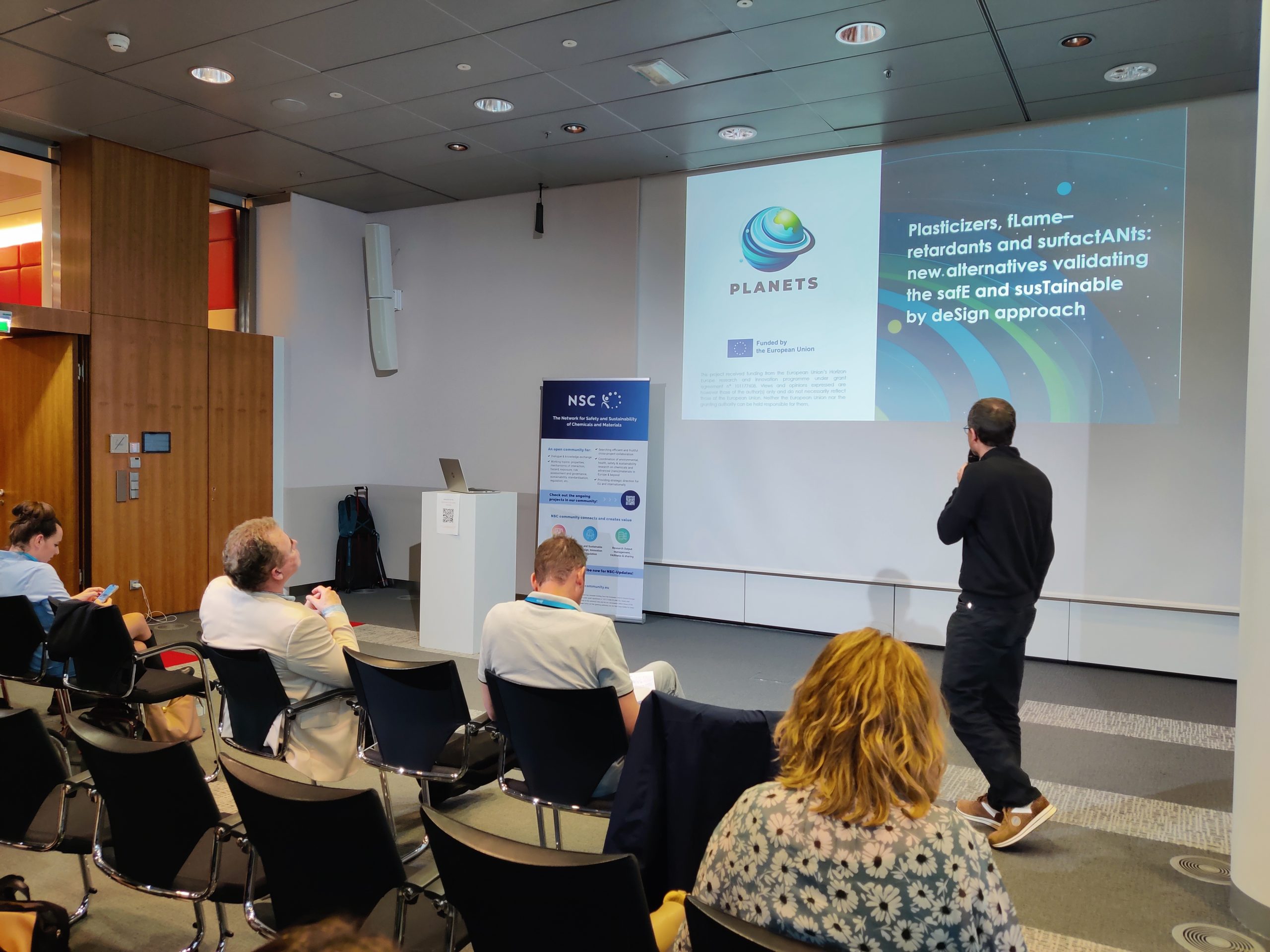
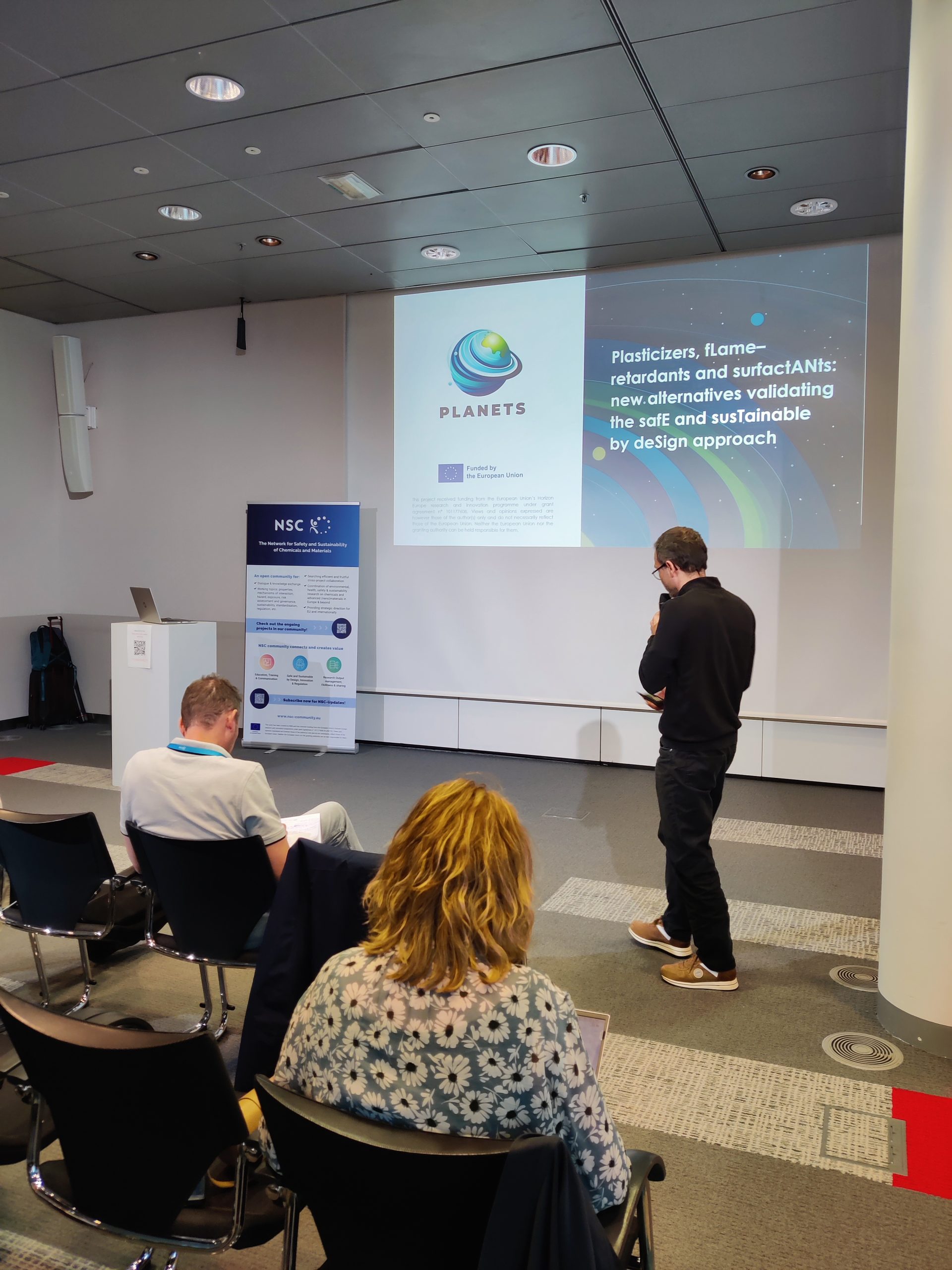
The event joint representatives from several EU project, including AlChemiSSts, INTEGRANO, PLANETS, SSbD4CheM, SUNRISE, and TOXBOX, creating a valuable platform for clustering on SSbD-related aspects relevant for its implementation and operationalisation, exchanging knowledge and identifying opportunities for collaboration across the SSbD community.

Martin Himly (PLUS) contributed to the session “SSbD through Databases and AI Toolboxes” with an insight into the PLANETS project, on the implementation of the SSbD scoping method in Tier 1 and Tier 2 assessments within the 3 industrial value chains of the project. He further presented lessons learned and hinted on assets for amendment in the specific SSbD conduct from the perspective of the PLANETS innovation cases. A strong focus was put on data-related issues, and their complications in terms of confidentiality limiting the hand-over of SSbD results within value chains as the current activity within PLANETS is to identify the minimal data sets deriving from SSbD conduct on the three innovation cases with relevance for reporting in potential future Digital Product Passports (DPP), which will build another deliverable of the project. These topics raised lots of attention in the Data-2-Design Workshop and initiated a vigorous discussion with the audience.

PLANETS herewith generated a timely contribution to the scientific discourse with a strong link to industrial implementation. Overall, the event demonstrated how all these projects contribute to the development of practical solutions that help researchers, innovators, and industry stakeholders make better-informed decisions throughout the materials innovation lifecycle and deepen the efforts towards creating a FAIR (Findable, Accessible, Interoperable, Reusable) and well quality-assured European joint “(Meta)data for SSbD” platform.

Relevant links:

  • Agenda
  • Details about the workshop
  • Recap of the event on the CheMatSustain website
PLANETS_CheMatSustain_StkhlEvent_June2026_1
PLANETS_CheMatSustain_StkhlEvent_June2026_2
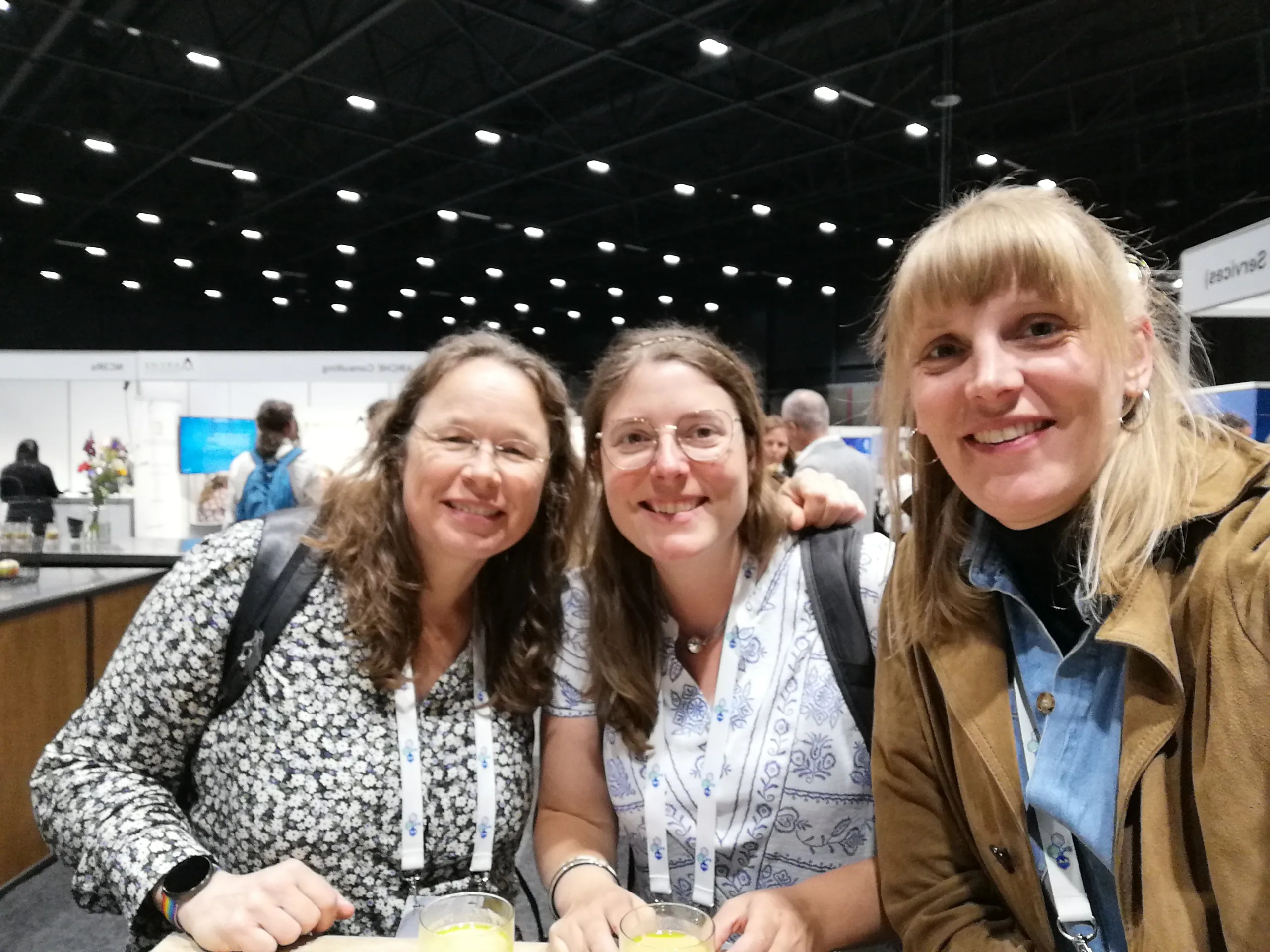
SETAC_Ladies
News
September 3, 2026

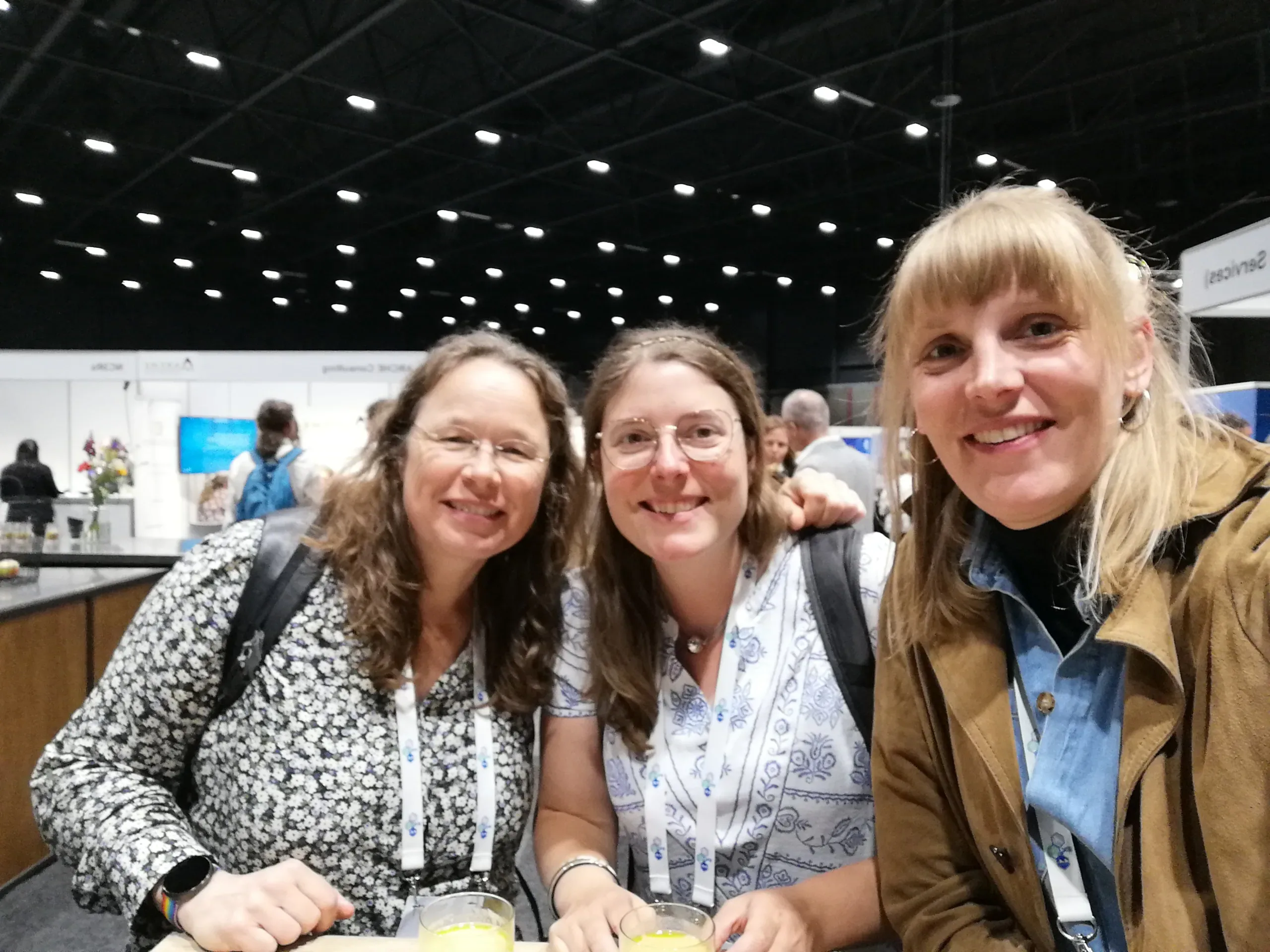
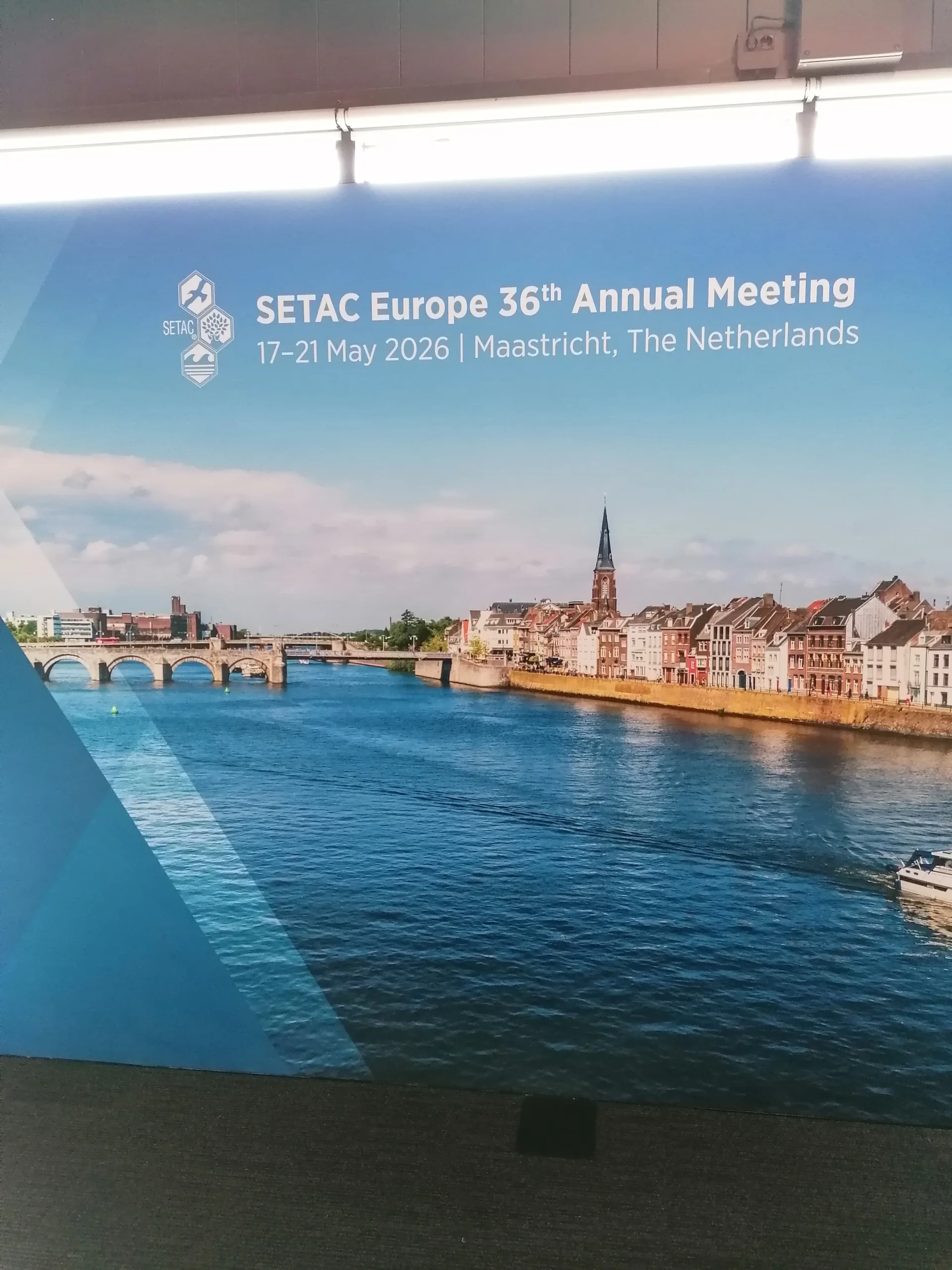
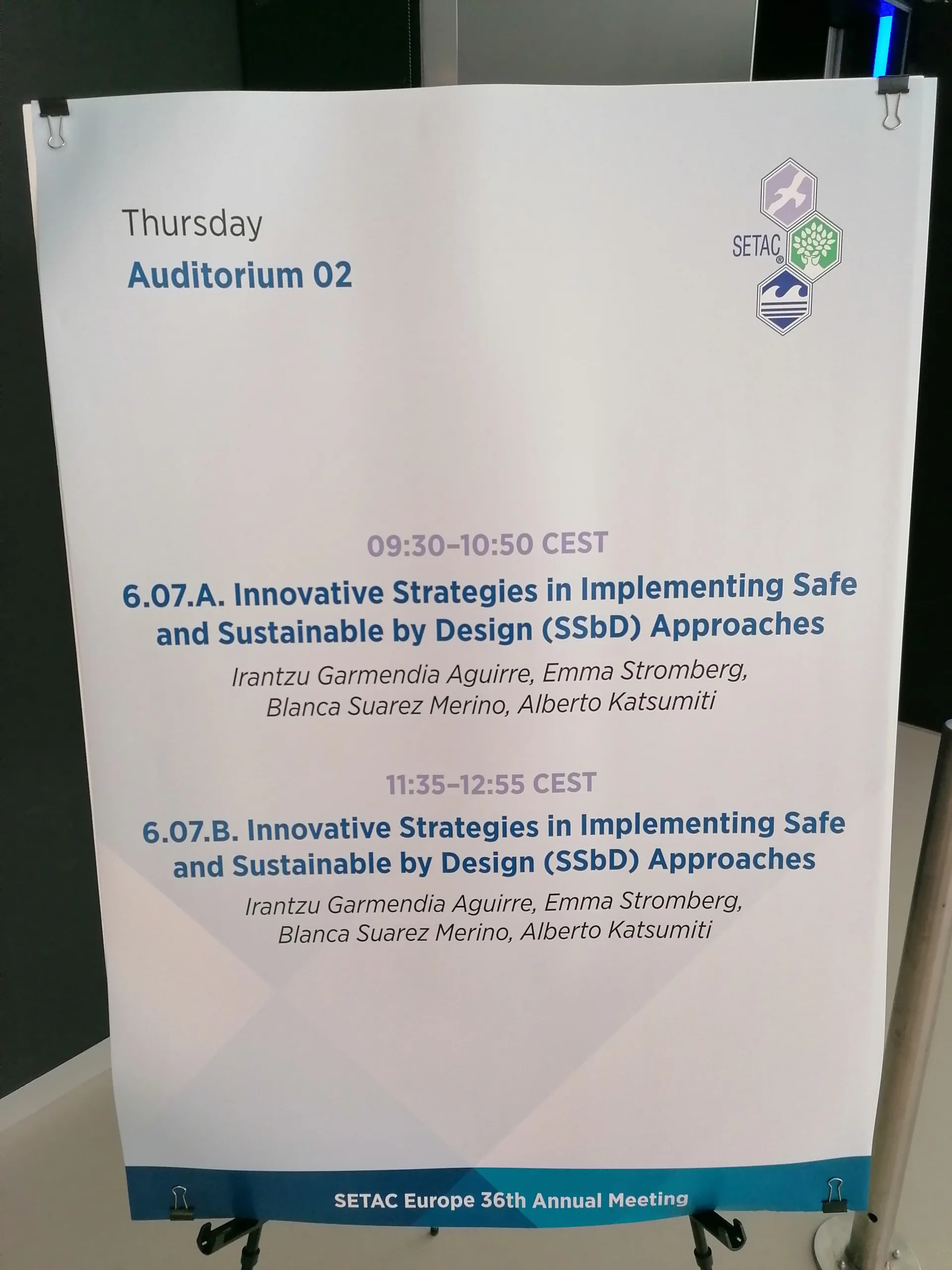
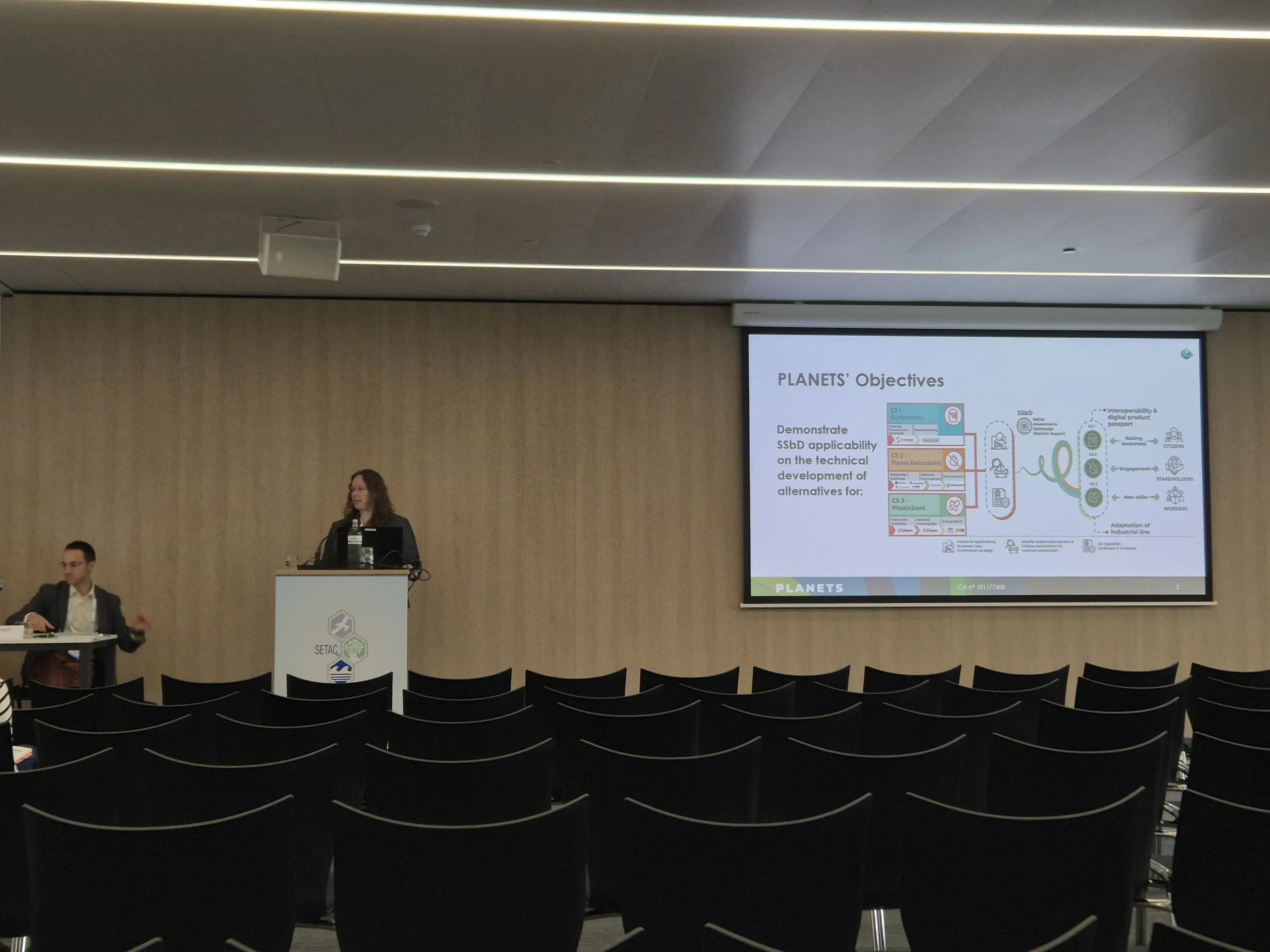
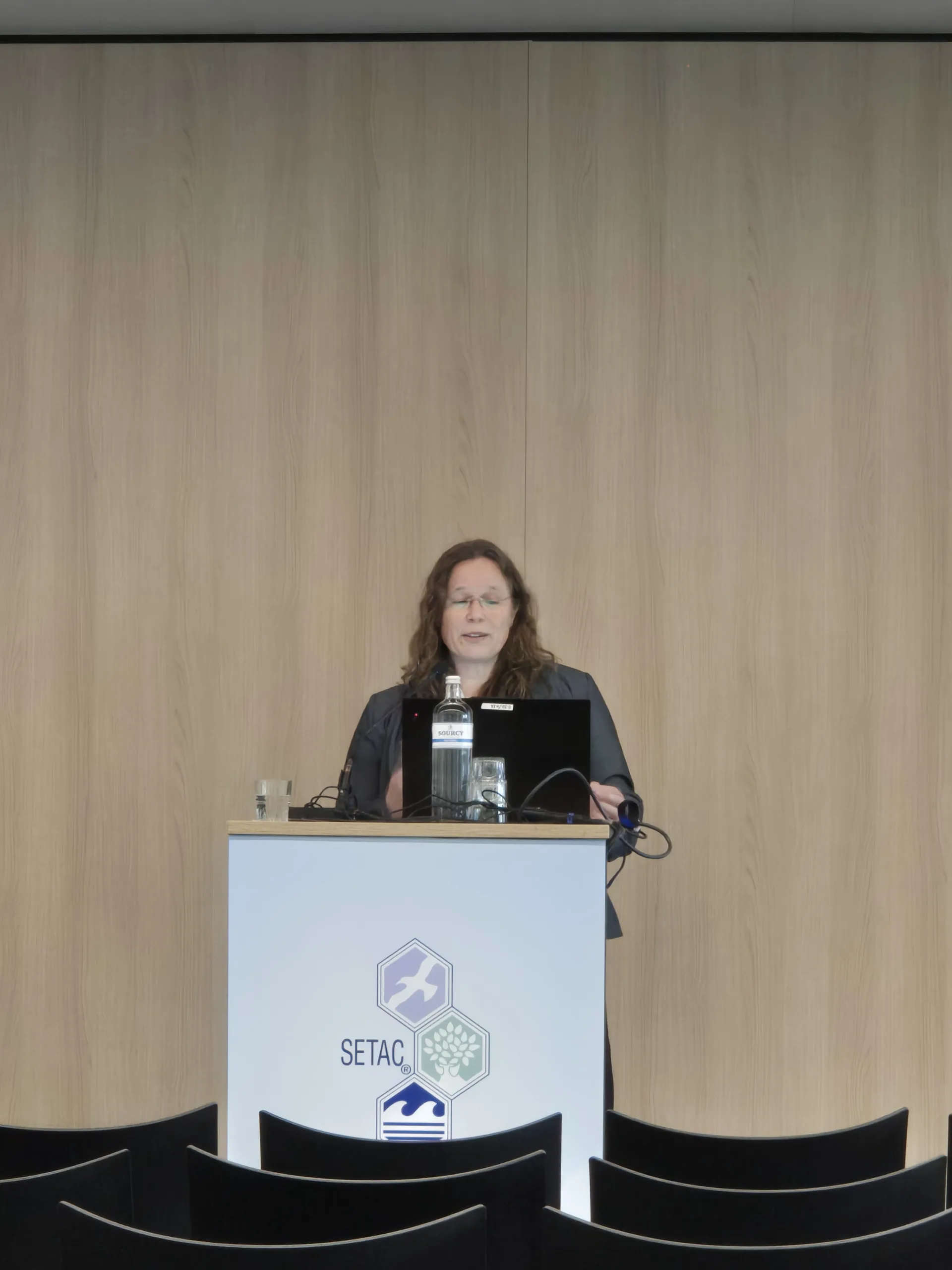
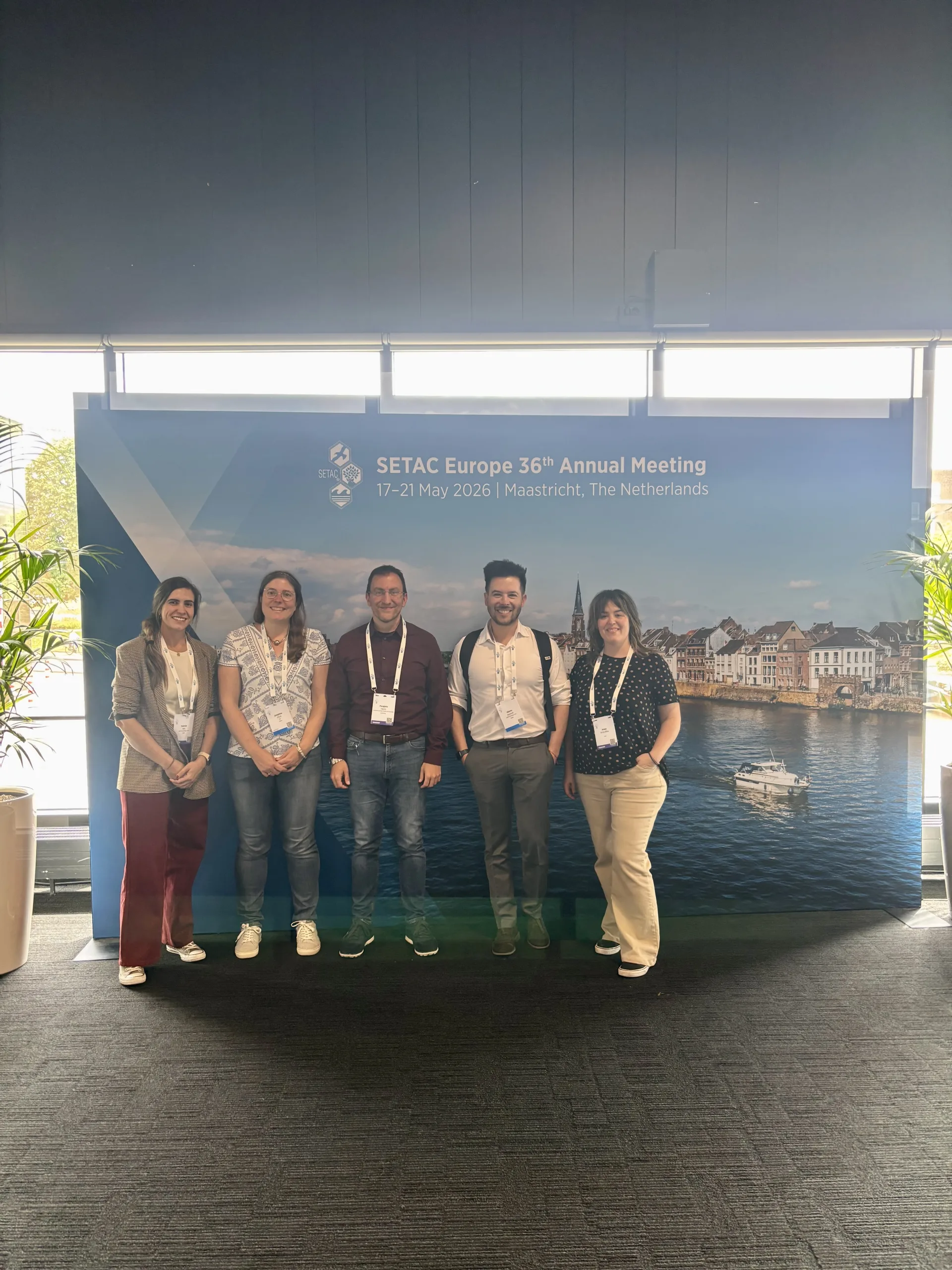
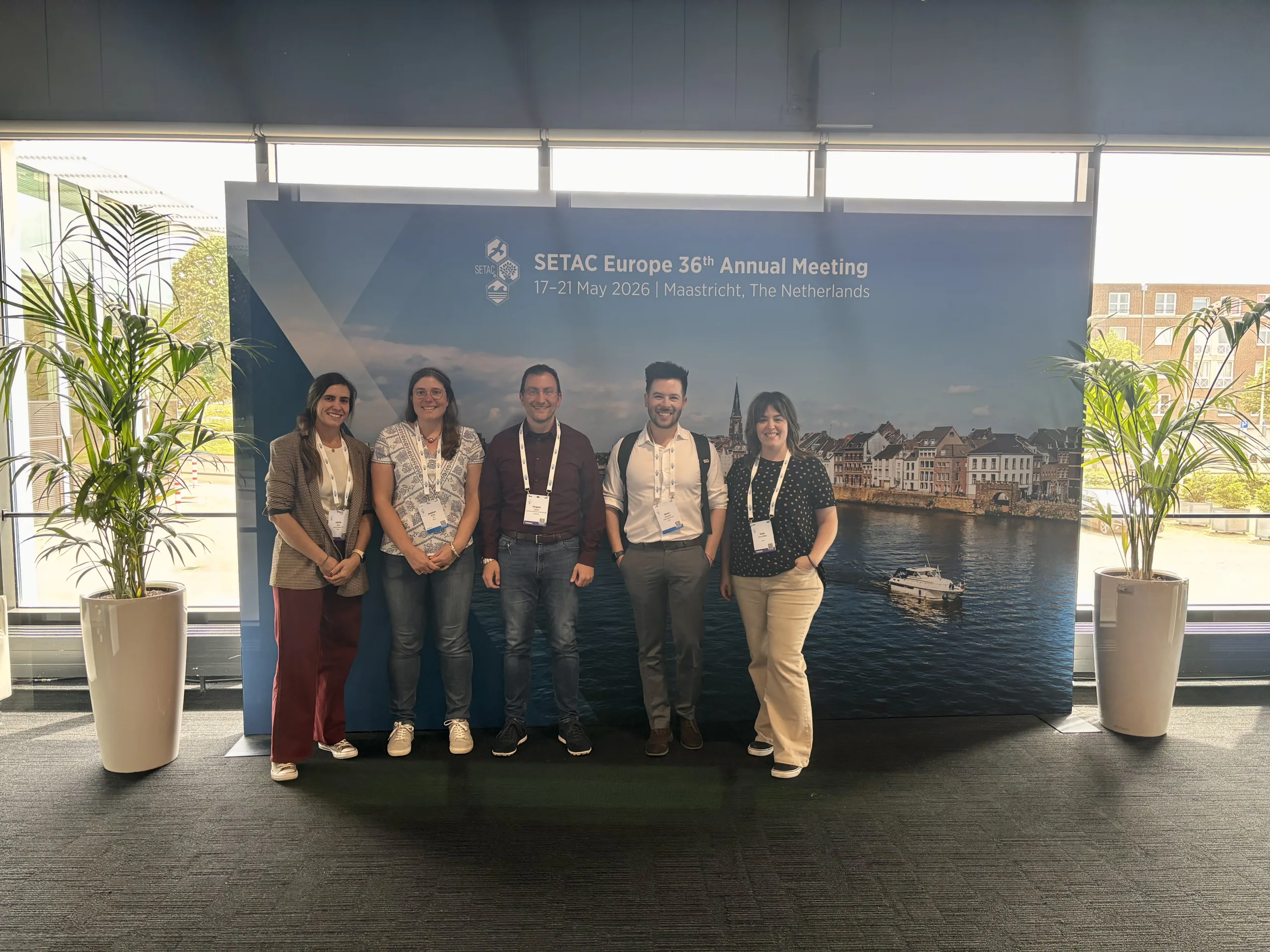
PLANETS @ SETAC 2026 (17-21.05.2026, Maastricht)

The SETAC Europe 36th Annual Meeting took place from 17–21 May 2026 in Maastricht, the Netherlands, bringing together around 2,500 participants from academia, industry, EU institutions, and regulatory bodies interested in the programme, which included keynote lectures, oral and poster presentations, workshops, and networking events. This year, the event’s theme was ‘Embrace the outlier: in science, regulations, and networks’, bringing together diverse perspectives to advance environmental sciences and their adoption in policy making, and serving as a major platform for discussing the latest scientific and regulatory developments in environmental toxicology, environmental chemistry, sustainability, life cycle assessment (LCA), risk assessment, Safe and Sustainable by Design (SSbD), as well as including industrial ecology, material science, pharmaceutical sciences, governance studies, agricultural studies, etc.

PLANETS partners from CEA, TNO, BASF, and BNN actively contributed to the conference by presenting research related to the project, as well as best practices in scientific communication.

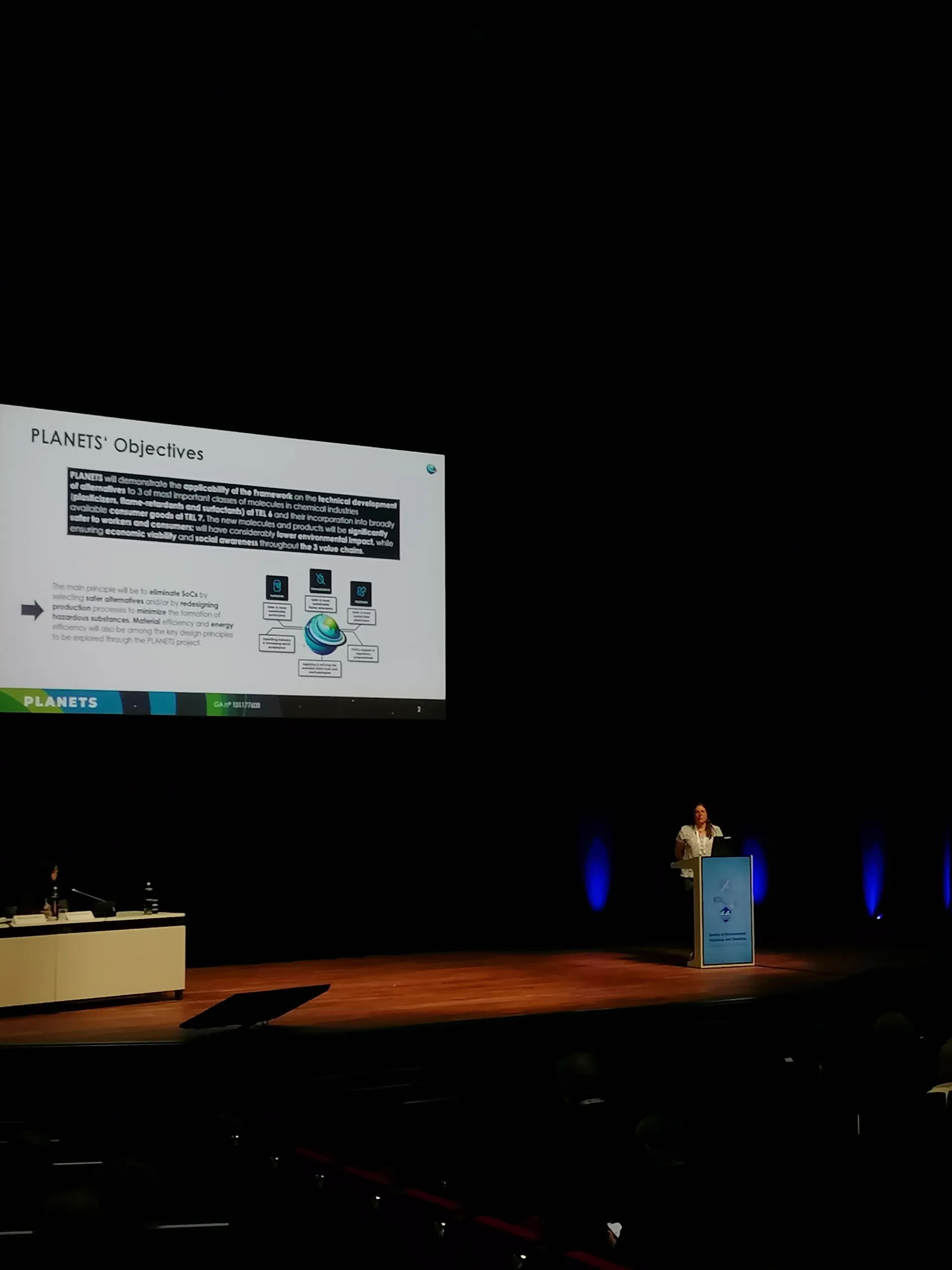
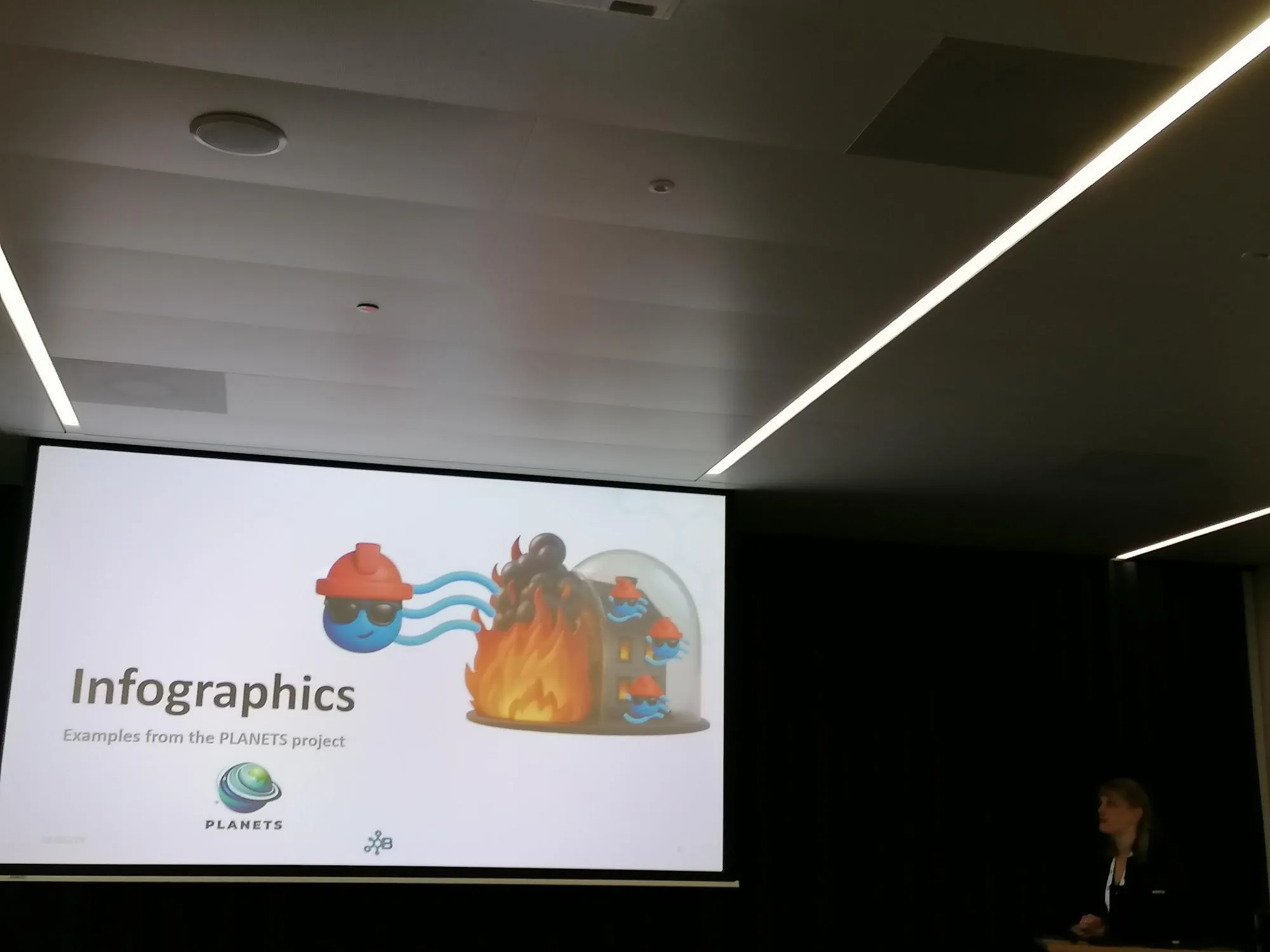
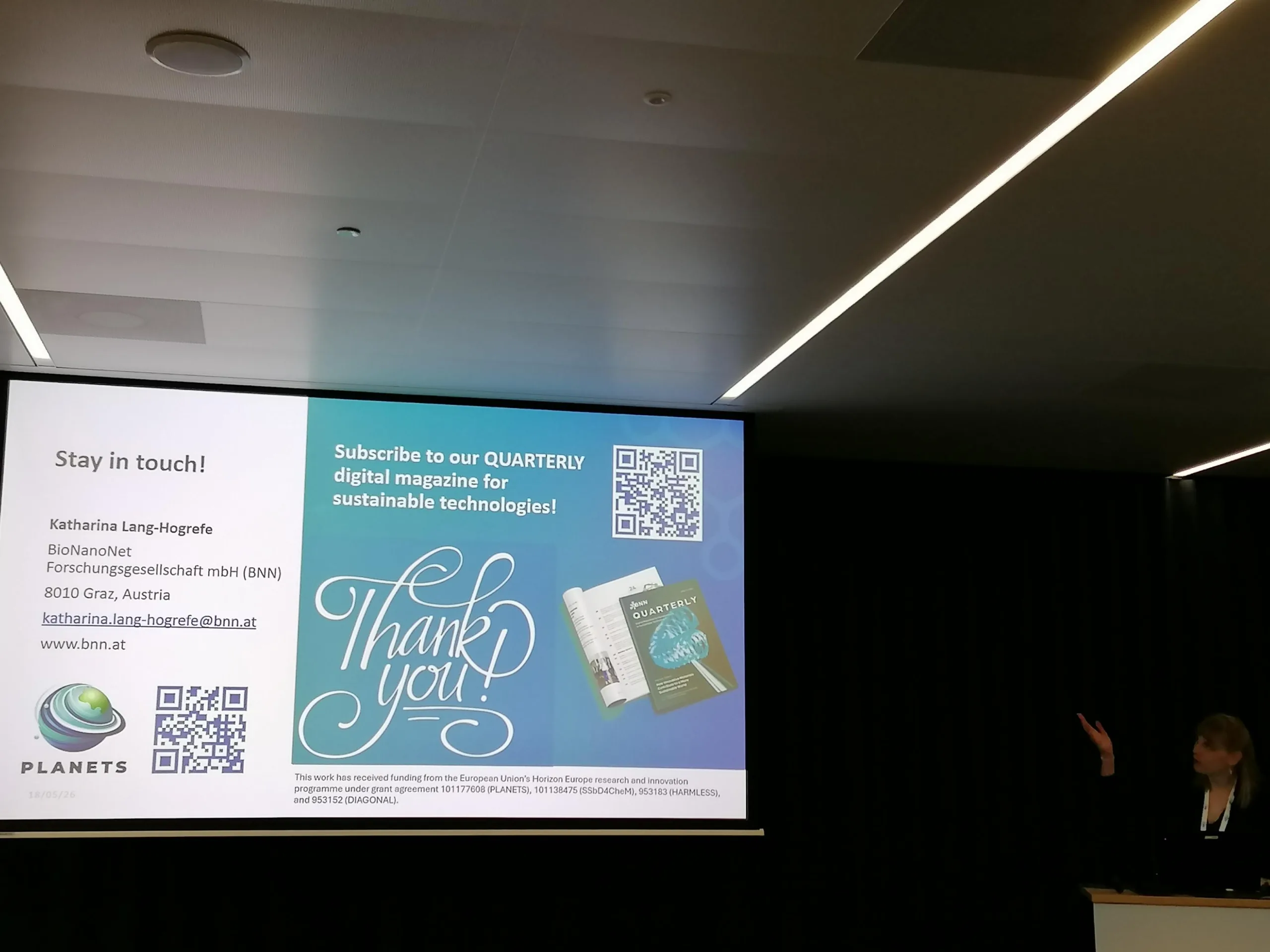
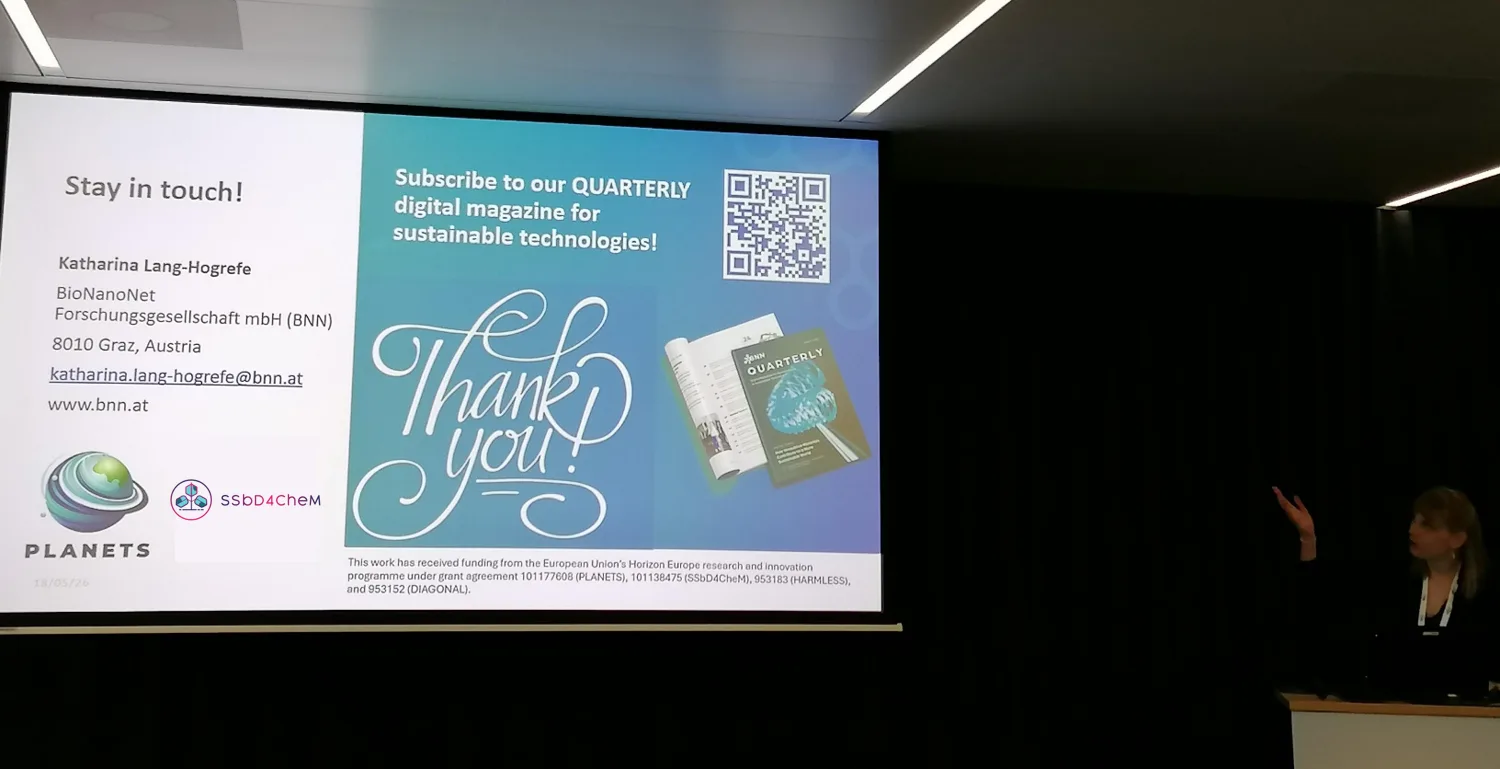
  • Katharina Lang-Hogrefe (BNN) gave an oral presentation on importance of scientific communication to ensure a high level of engagement, entitled “Clear, Concise, and Complete: Finding the Sweet Spot for Detail and Simplification in Science Communication“, on 18 May in the Session “6.10 – Translating Complexity – The Role Science Communication Plays in Generating Lasting Societal Impact“. DOI: 10.5281/zenodo.20345940. 
  • Susan Dekkers (TNO) gave an oral presentation, entitled “Integrated Methodology and Decision Support System for Safe and Sustainable Substitution“, on 20 May.
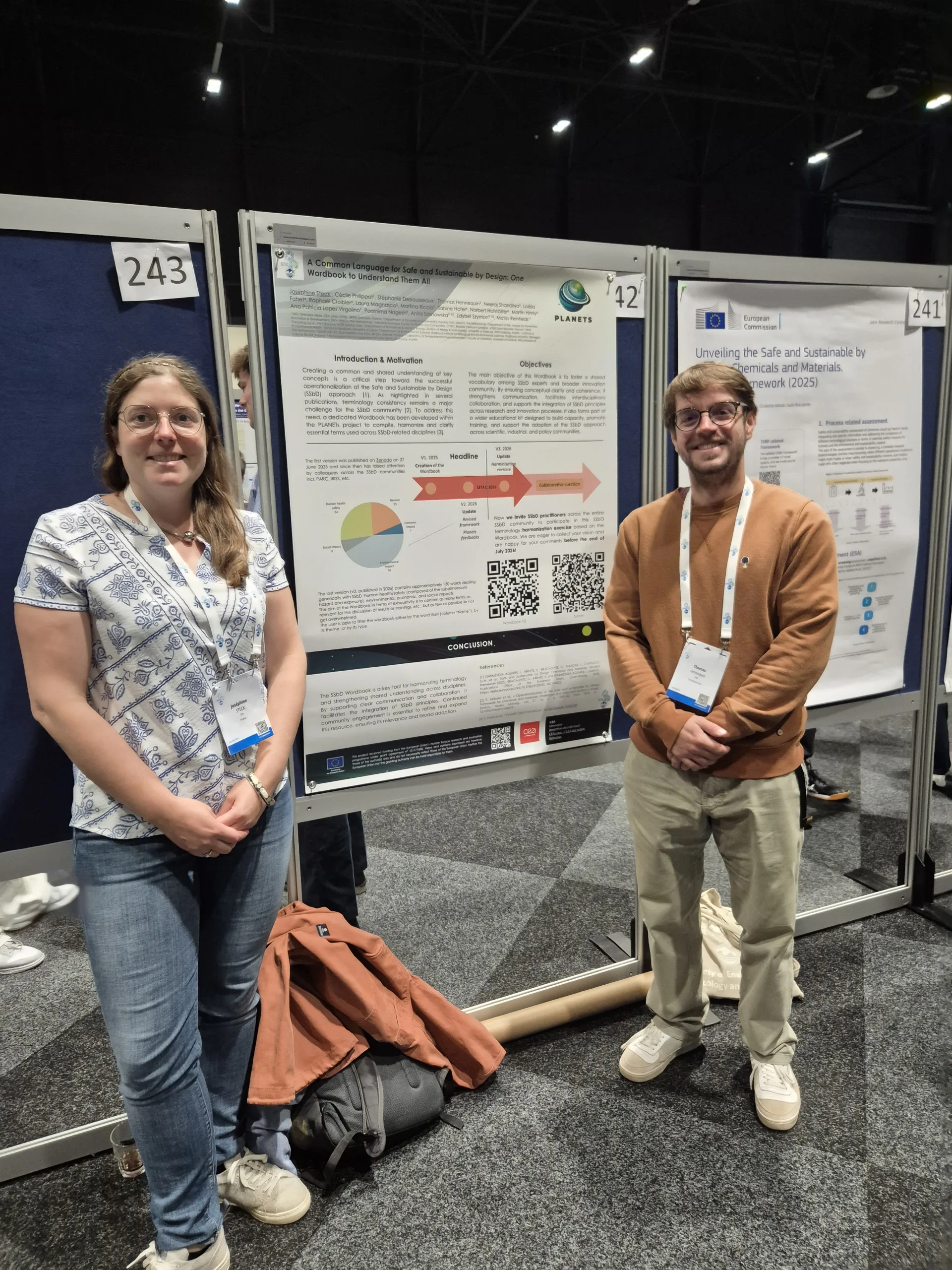
  • Joséphine Steck (CEA) presented a poster about PLANETS’ SSbD Wordbook, entitled “Common Language for Safe and Sustainable by Design: One Wordbook to Understand Them All”, on 21 May. She explained that it is a carefully selection of terms and definitions covering safety, sustainability, methodological tools, indicators, and regulatory aspects relevant to SSbD which aims to create a common understanding of key concepts for the successful implementation of the SSbD approach.
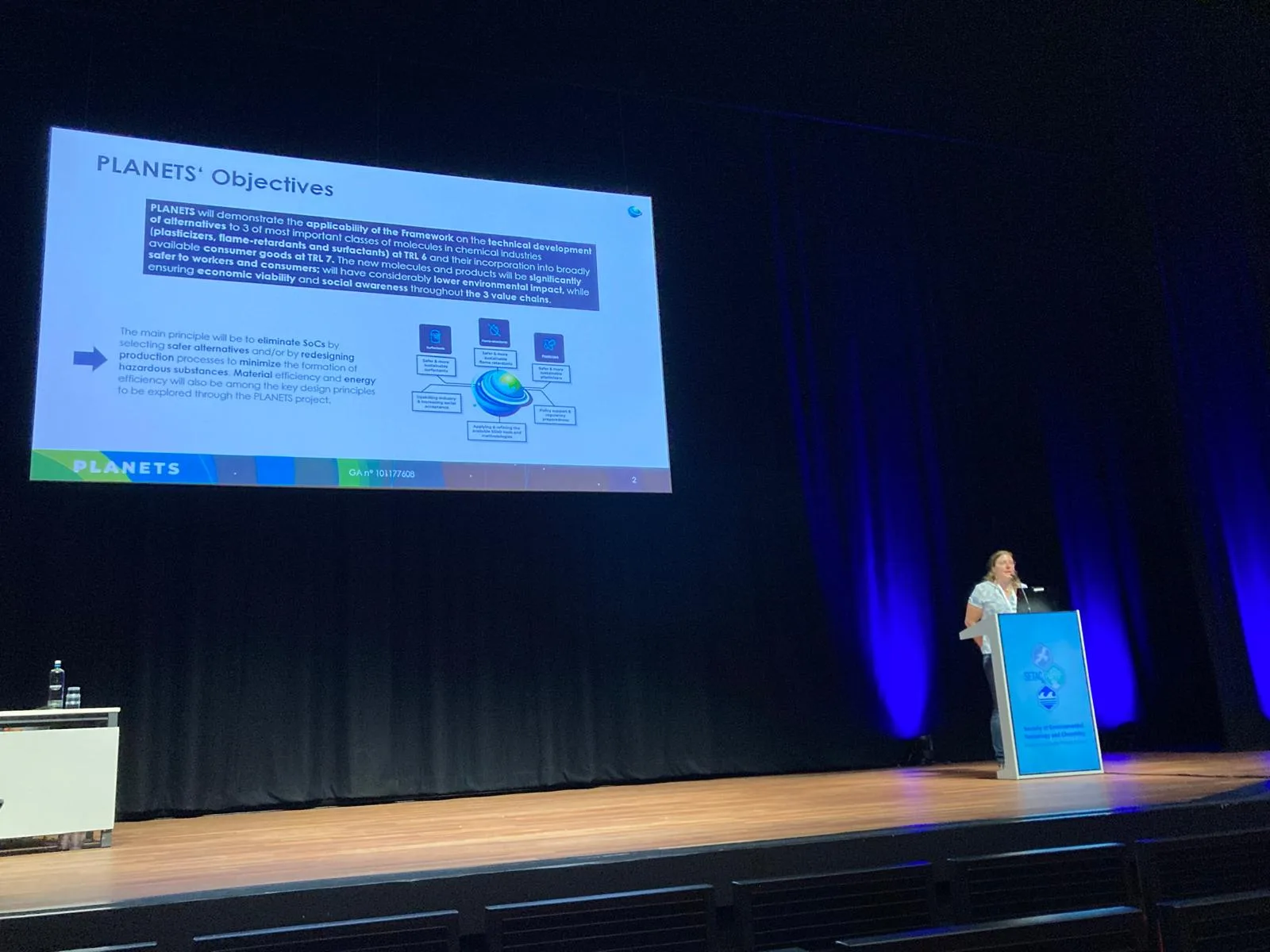
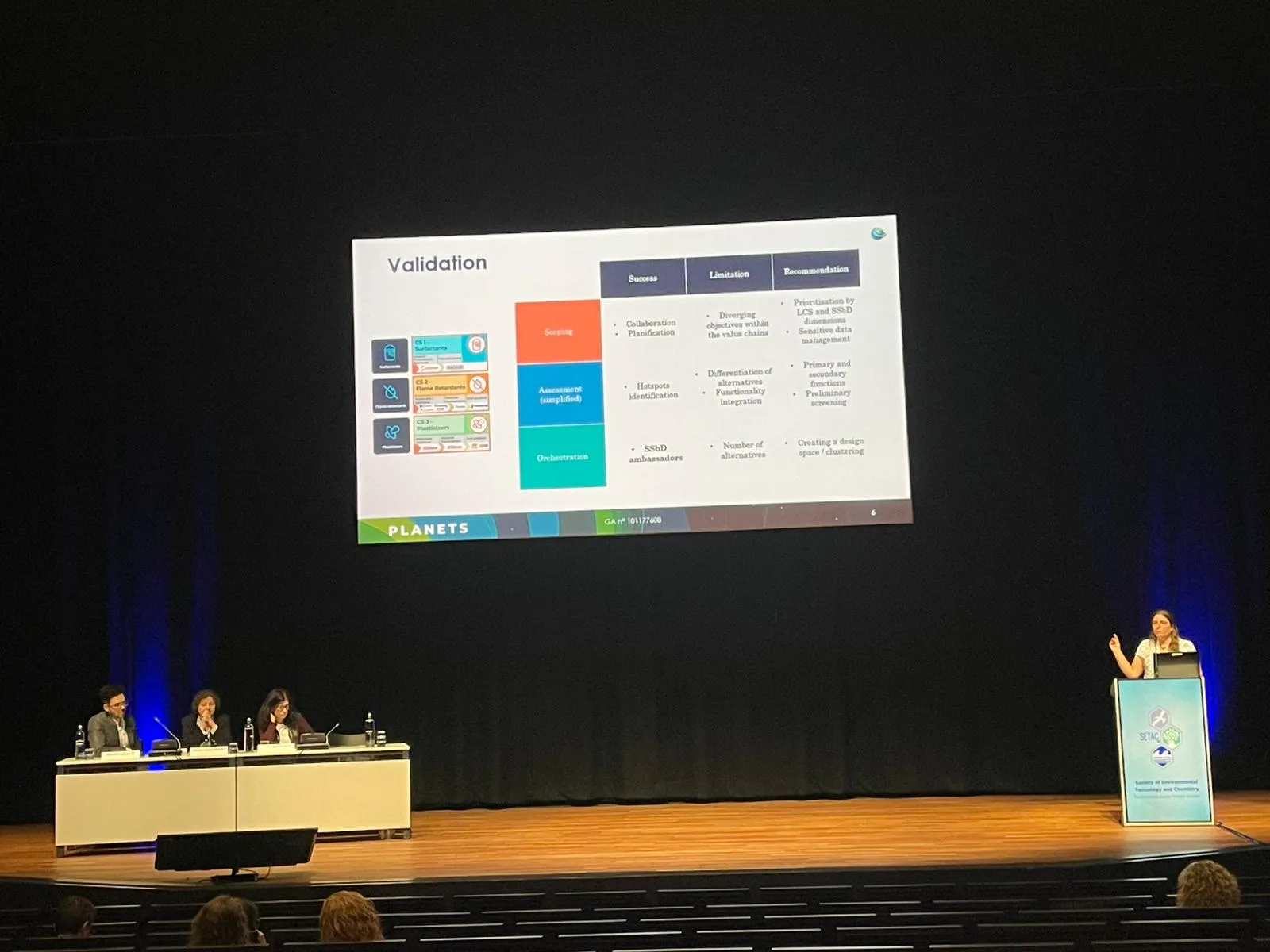
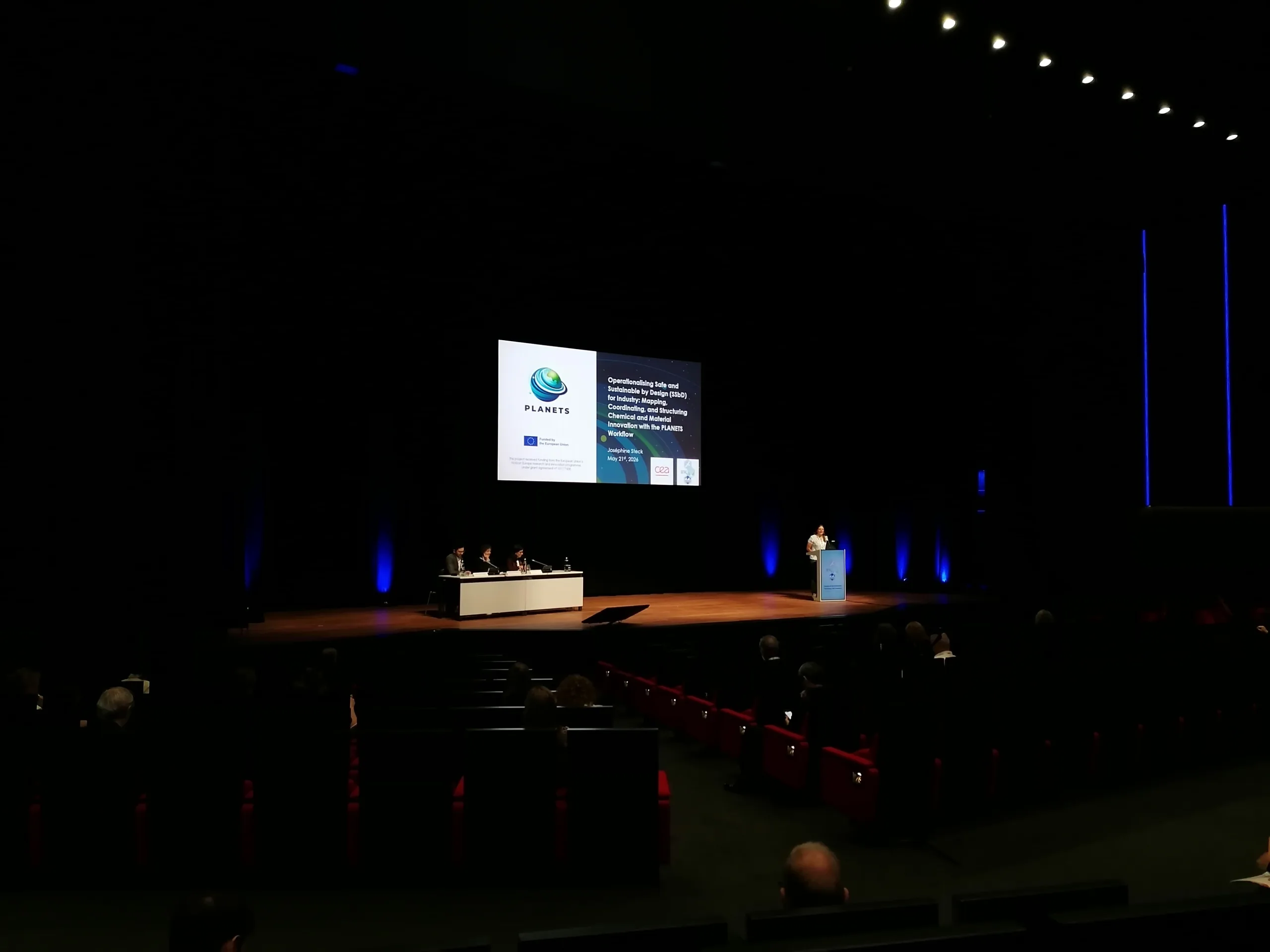
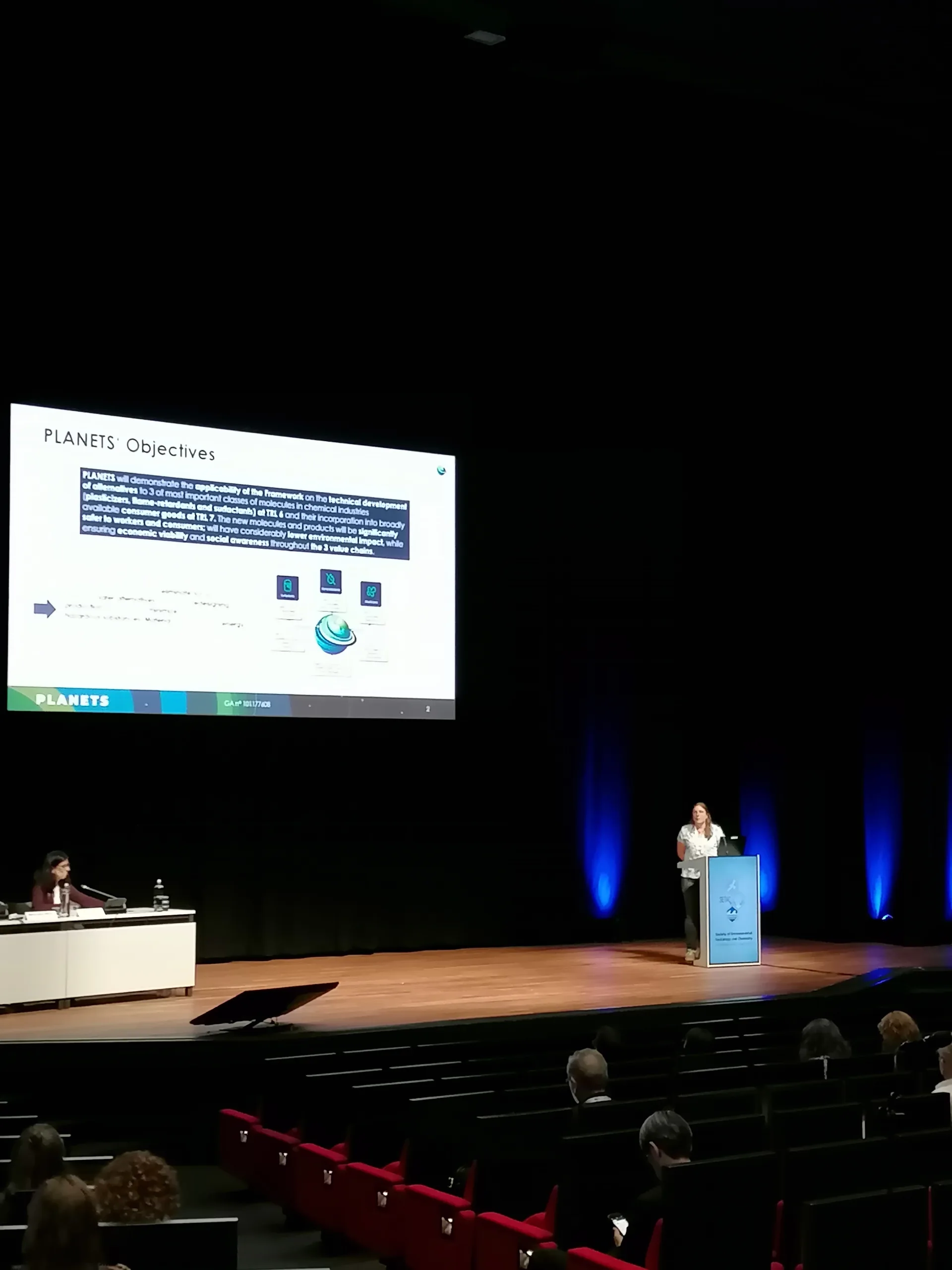
  • Joséphine Steck (CEA) delivered an oral presentation about the PLANETS’s Workflow on 21 May. Under the title “Operationalising Safe and Sustainable by Design for Industry: Mapping, Coordinating, and Structuring Chemical and Material Innovation with the PLANETS Workflow”, she explained that the PLANETS’ Workflow is co-developed by a multidisciplinary team through iterative cycles, tackling key SSbD challenges. Drawing on insights from the literature, the resulting structure includes two main phases (scoping and assessment) supported by an educational kit.  The assessment phase is further subdivided into simplified, intermediate, and full tiers, enabling a progressive and adaptable evaluation process. The overall process requires adapting to varying numbers of alternatives, potentially clustering similar options for feasibility. SSbD ambassadors to each CS supported coordination, stakeholder engagement facilitation, and integration of safety and sustainability from the start.
  • Wendel Wohlleben (former BASF) presented, on 21 May a poster about the NSC workshops on SSbD scenarios organised in 2025. Title of the poster: “Tailoring, Tiering and Archetypal Scenarios: Outcome of two Workshops on SSbD Scenarios in the Network for Safe and Sustainable Chemicals & Materials (NSC)” .

Additionally, PLANETS coordinator organised an informal meeting with the RESILIENCE-24 sister projects to discuss “day-by-day” activities in the projects and how to increase collaboration in selected topics.

The participation in SETAC Europe 2026 provided an important opportunity for PLANETS partners to disseminate research outcomes, engage with experts, and strengthen collaboration. The posters and oral presentations generated valuable scientific discussions around SSbD and scientific communication. The event also contributed to increasing the visibility of the project and fostering future networking and collaboration opportunities.

Relevant links:

  • Event website
  • Programme
  • Book of abstracts
C4R_03_GroupPic1
News
May 22, 2026

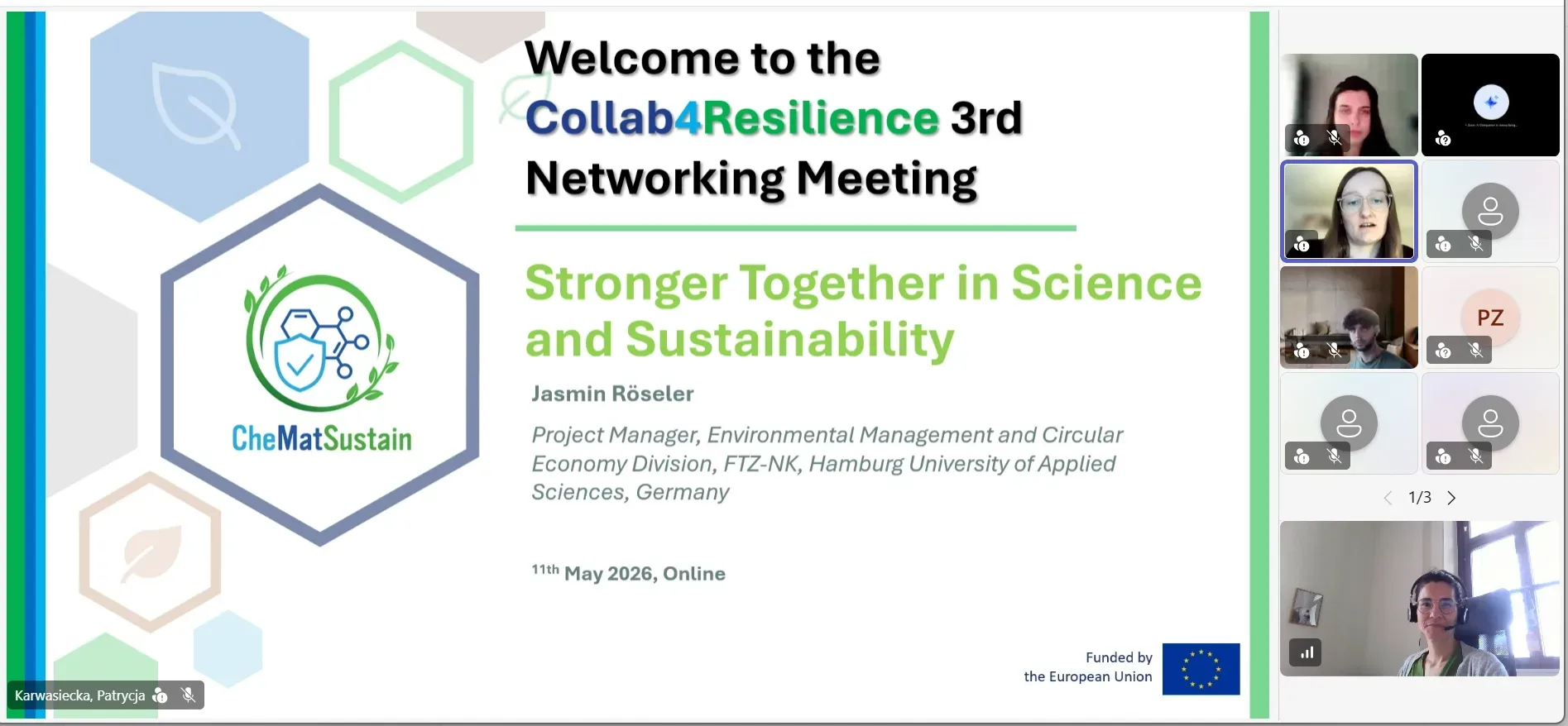
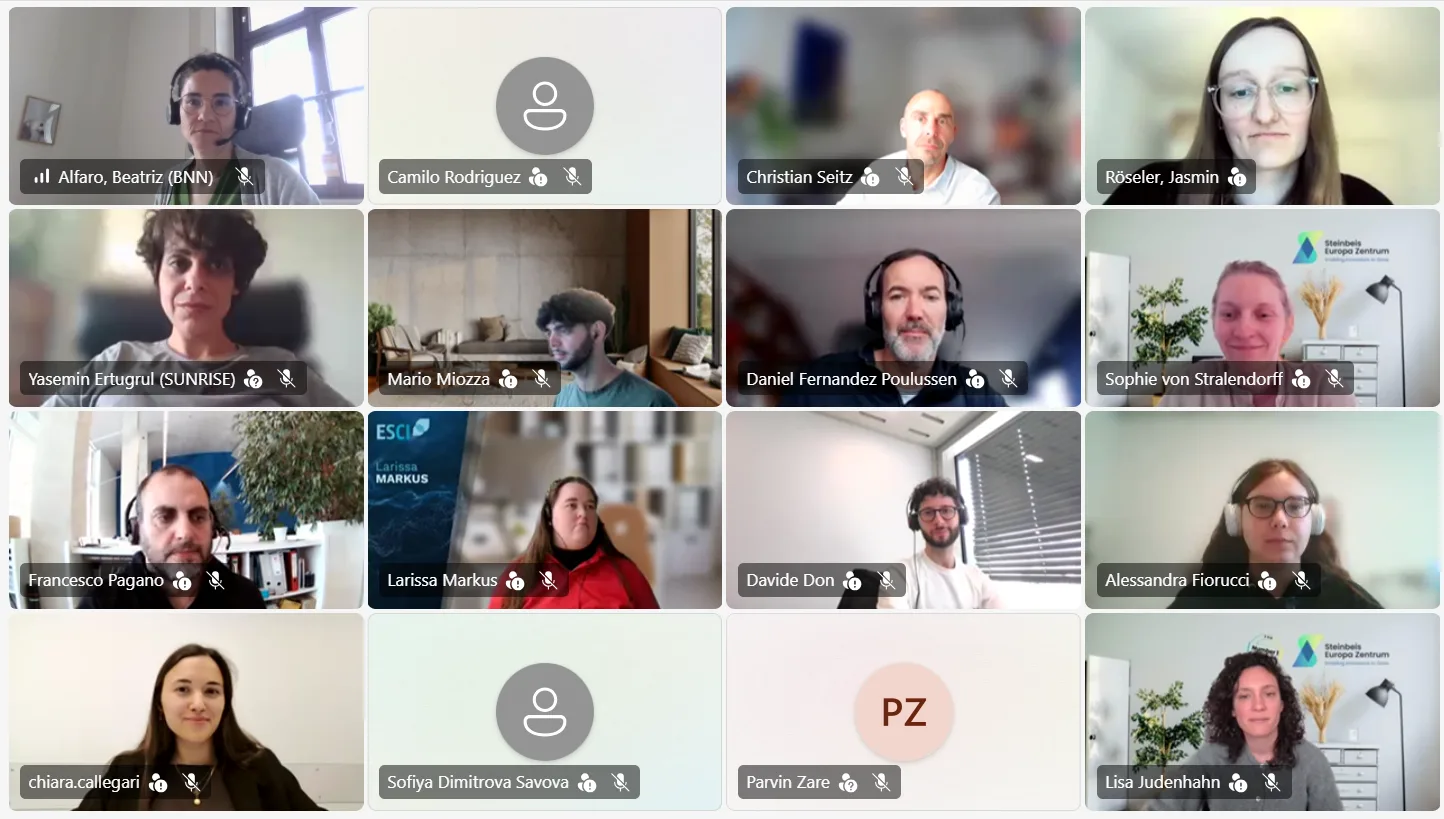
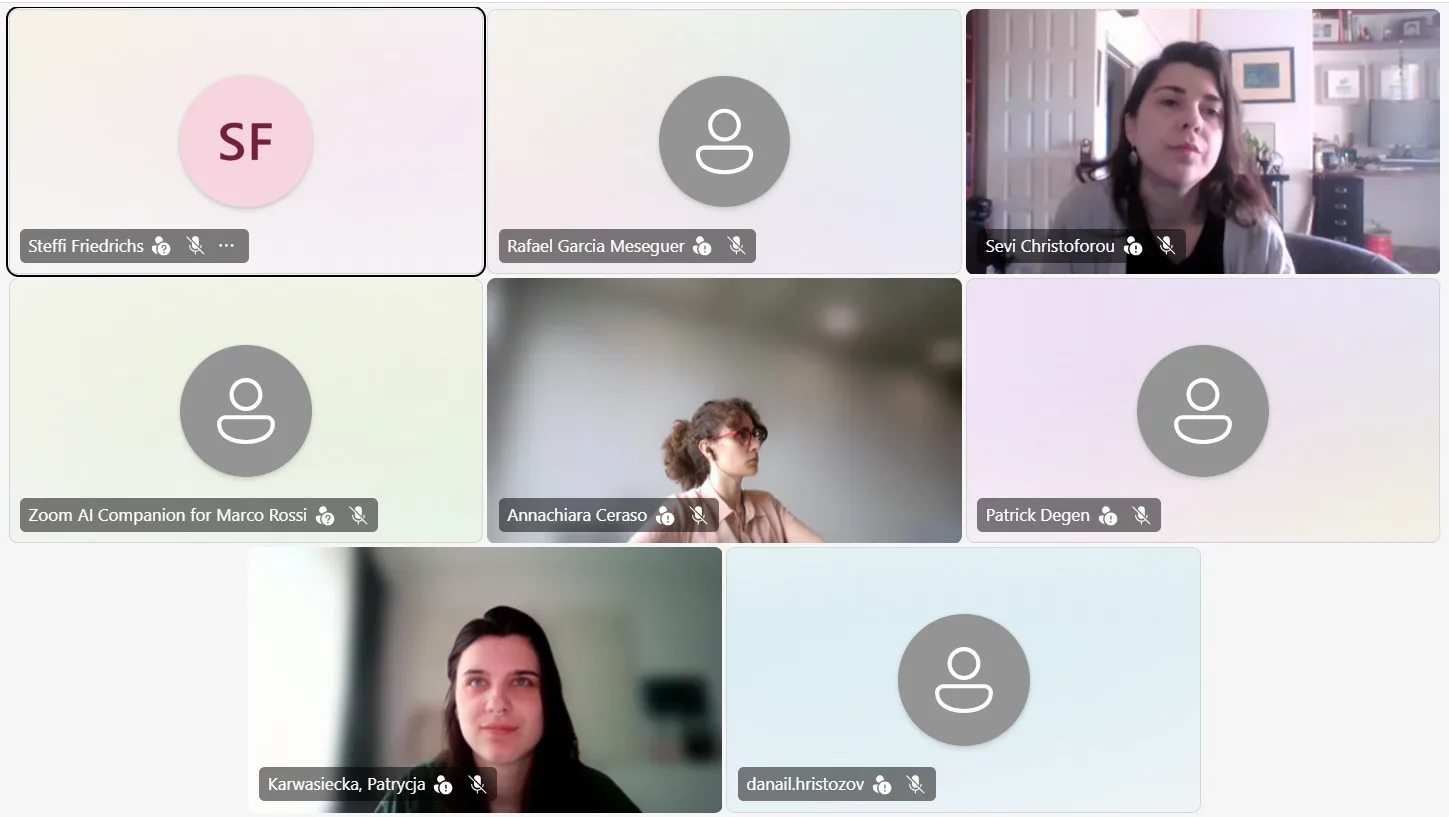
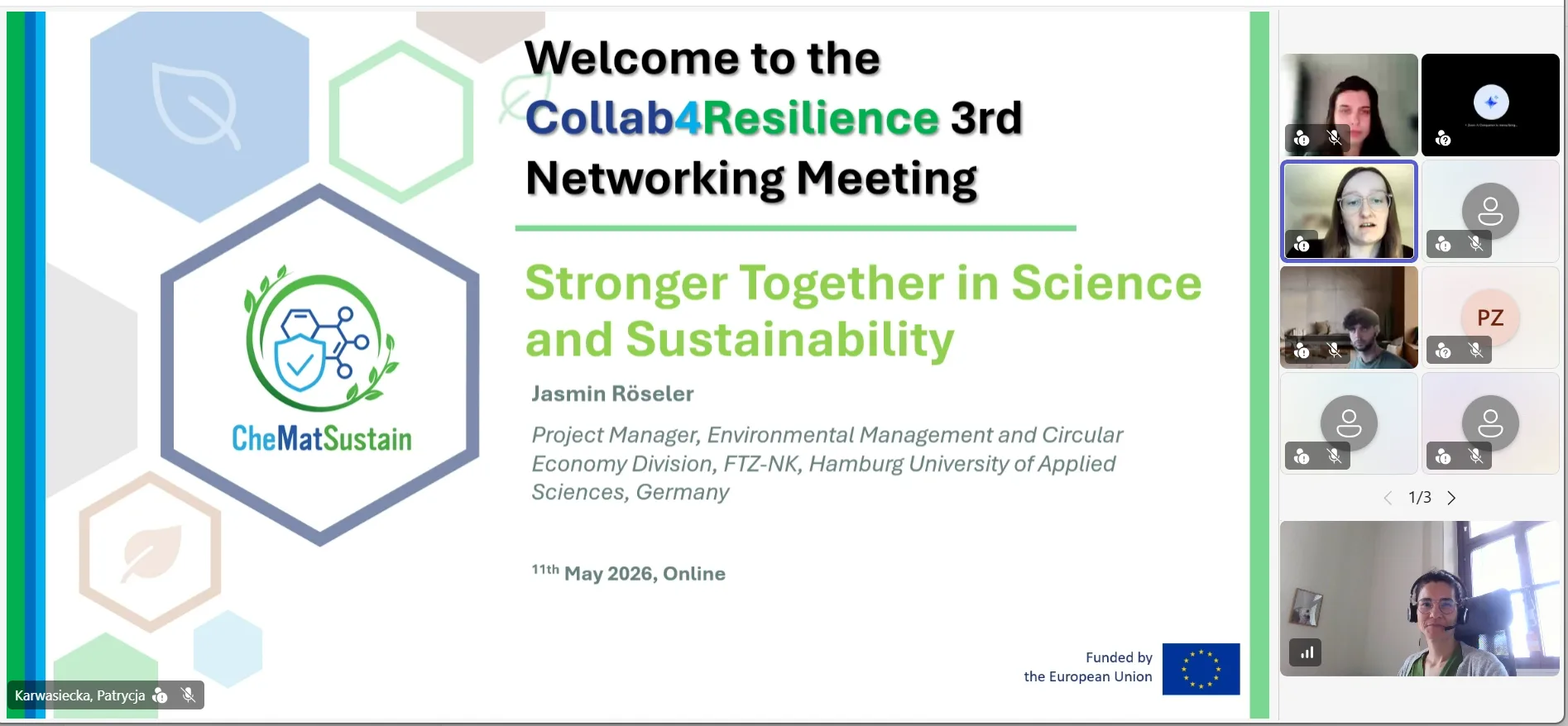
PLANETS @ 3rd Collab4Resilience (C4R) meeting

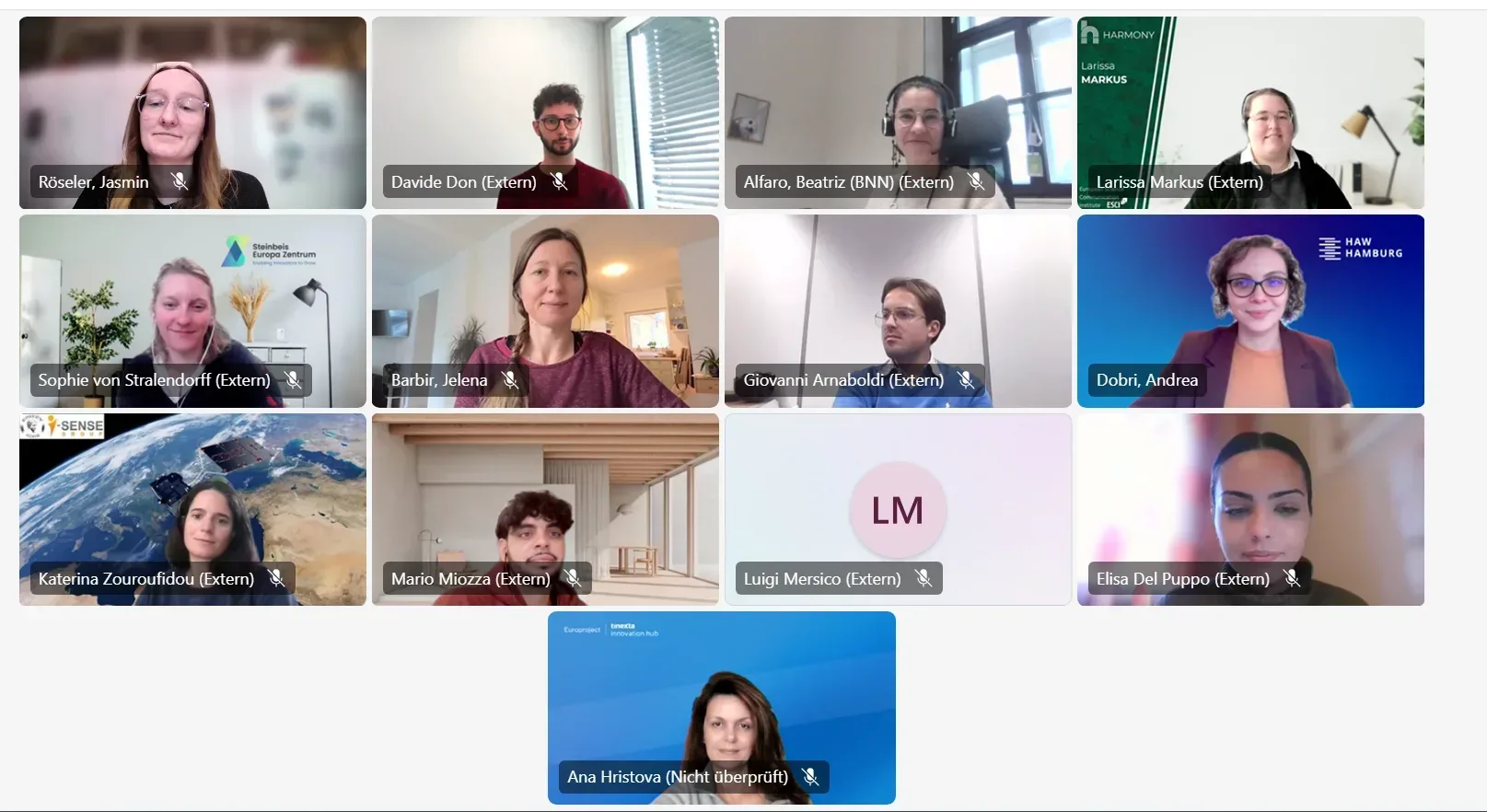
On 11th May 2026, PLANETS partners (Beatriz Alfaro, BNN) part in the third networking workshop of the Collab4Resilience (C4R) initiative, organised by the CheMatSustain communication team. The initiative brings together projects working on safe and sustainable chemicals and nanomaterials, with the goal of strengthening collaboration and amplifying the impact of communication and dissemination activities across the community.

The workshop gathered 25 participants, including both long-standing members and new contributors, creating a dynamic and engaging environment for exchange. PLANETS colleagues actively participated in the discussions, contributing to reflections on the key highlights and achievements since the previous meeting. The session highlighted the significant progress made across the network, as well as several important milestones reached by participating projects.

A central focus of the workshop was on identifying new opportunities for collaboration. Participants explored upcoming joint actions, including events, publications, and coordinated communication activities designed to maximise outreach and visibility. These exchanges provided valuable insights into how projects like PLANETS can further align efforts with other initiatives in the field and contribute to a stronger, more connected research and innovation landscape.

PLANETS colleagues look forward to building on these discussions and contributing to future joint activities that support the transition towards safe and sustainable chemicals and materials.

A big thank you to the CheMatSustain team for organising this productive exchange, and to all participants for their valuable contributions.

The agenda of the meeting is avalable here.

Some impressions of the meeting:

C4R_03_GroupPic1
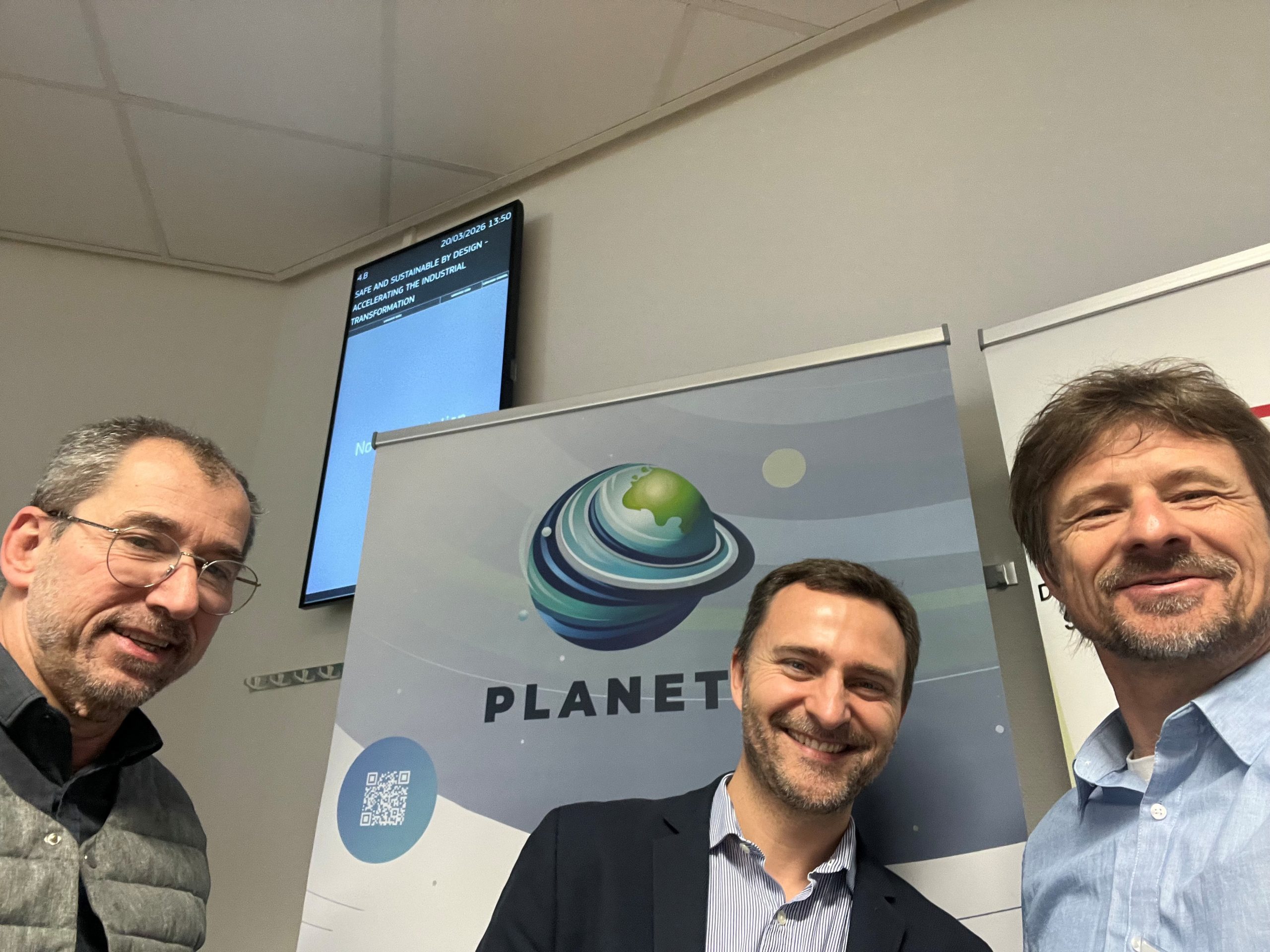
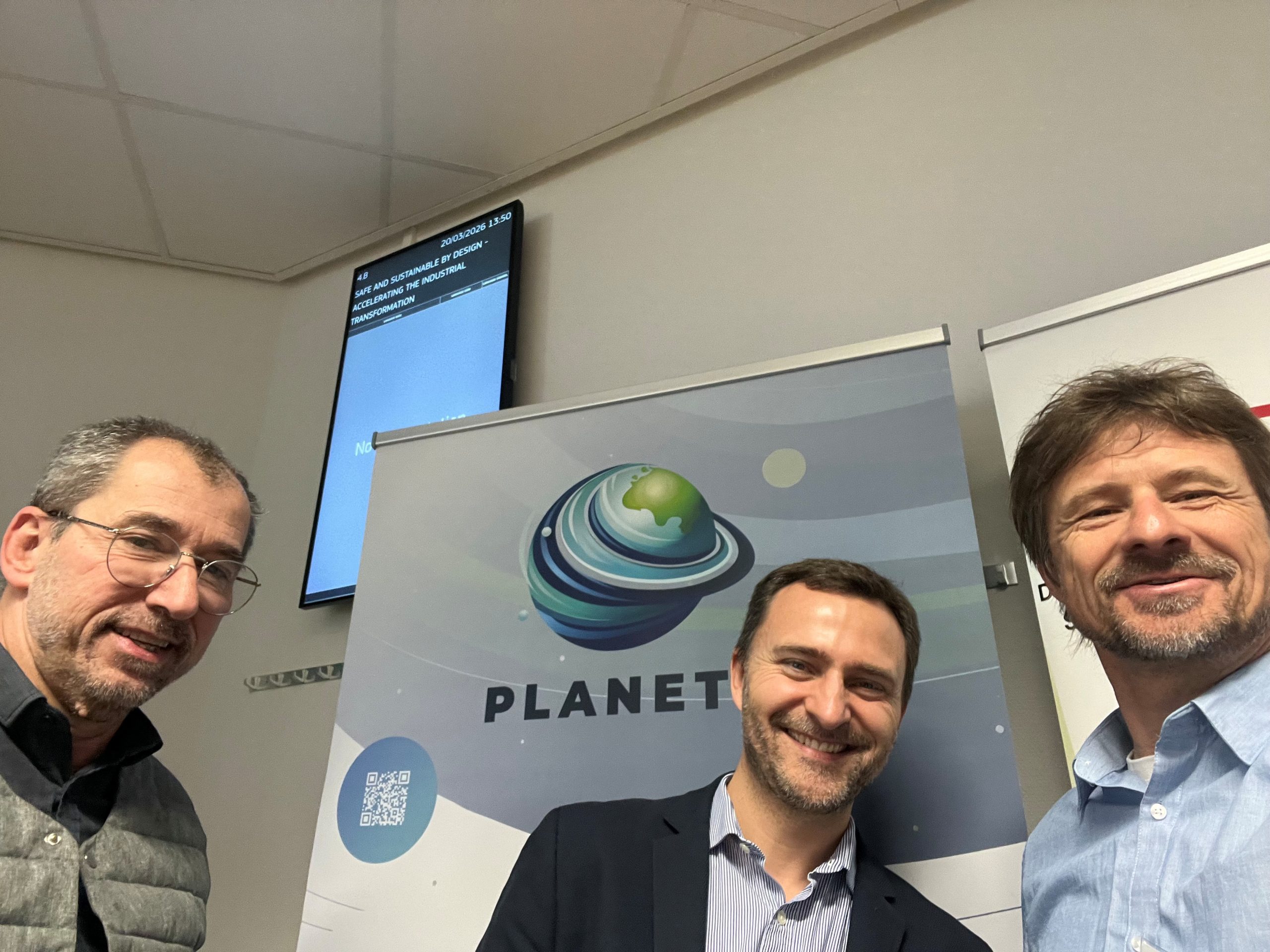
PLANETS_SSbDnetworking_EC_Martin
News
May 7, 2026

PLANETS at key EU events on SSbD in Brussels (19-20.03.2026)

In March 2026, the PLANETS project actively contributed to two major European events dedicated to advancing the Safe and Sustainable by Design (SSbD) framework, both held in Brussels.

The project participated in the 6th EC SSbD Stakeholder Event: ‘Safe and Sustainable by Design: Accelerating the Industrial Transition’ on 19 March 2026, followed by the SSbD Horizon Europe Projects Networking Event on 20 March 2026. Together, these events brought around 60 participants from a broad range of stakeholder groups, including EU institutions, industry, innovators, and representatives from research and policy communities.

The discussions highlighted the critical role of collaboration between research projects, industry, and policymakers in maximising the impact of SSbD approaches. Taking place shortly after the adoption of the revised SSbD framework, the events highlighted the European Union’s strong commitment to fostering the development of chemicals and materials that are safe and sustainable by design, addressing potential risks early in the innovation process.

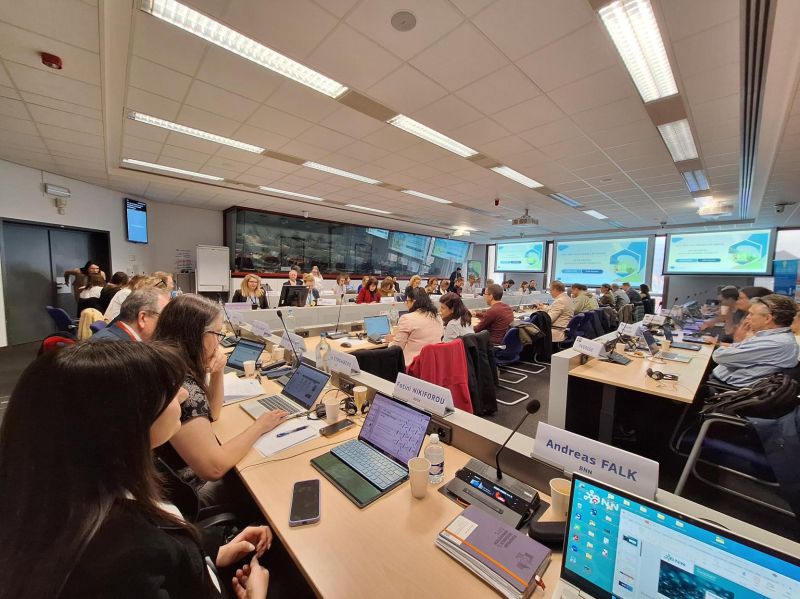
PLANETS was represented by Simon Clavaguera, Denilson Da Silva Perez (CEA, as deputies of Joséphine Steck), Catherine Colin (IPC), Martin Himly (PLUS), and Andreas Falk (BNN, and also in his role as part of the NSC coordination team). During the networking event, Denilson delivered an oral presentation showcasing the PLANETS project, as part of a cluster of projects (including the RES-24 sister projects RADAR and AlChemiSSt) focused on substituting hazardous substances with safer alternatives, one of the key objectives of the EU chemicals policy framework, while representatives from PARC pointed out the PLANETS project’s leading role in educating the field in SSbD.

The participation in both events provided valuable opportunities to strengthen connections with other Horizon Europe projects (more than 30 SSbD-related HE projects attended the event) and key stakeholders. In particular, the networking event fostered discussions on future collaboration and contributed to building a stronger, better connected SSbD ecosystem across Europe.

PLANETS remains committed to supporting the implementation of the SSbD framework and to contributing to a safer and more sustainable chemicals and materials landscape, in particular through its strong involvement with industry.

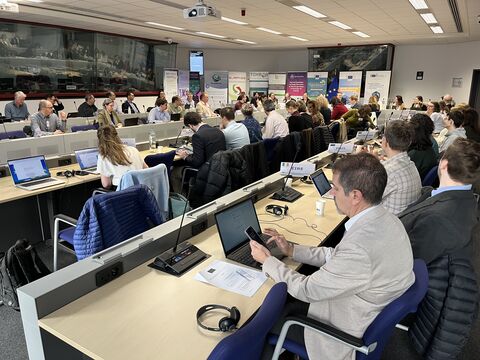
Some impressions of the meeting:

2ndNSCworkshopSSbDscenarios_Cover
News
April 13, 2026

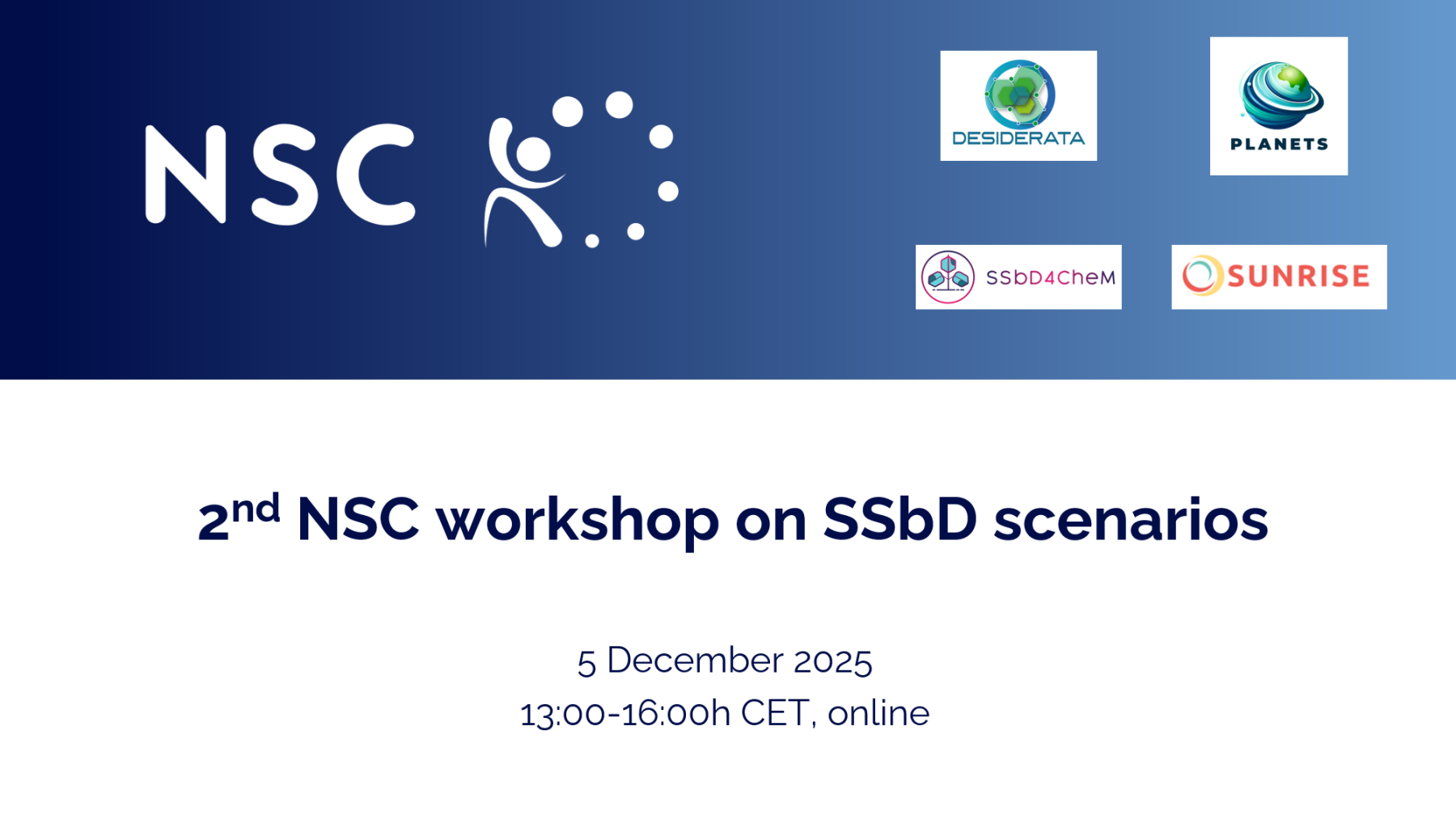
Recap of the 2nd NSC workshop on “SSbD scenarios” on 5 December 2025

Following up from the 1st NSC workshop on “SSbD scenarios for advanced and incremental innovations” (23 June 2025), the NSC Working Group on Safe and Sustainable by Design (SSbD), Innovation & Regulation organised a virtual 2nd NSC workshop on SSbD Scenarios on 5th December 2025. Similarly as the first workshop, this second one was prepared as a collaborative effort among several EU-funded projects: DESIDERATA,  PLANETS, SSbD4CheM, and SUNRISE.

The 1st NSC scenarios workshop laid the basis by the description of a scenario by aspects of novelty, exposure, severity, (environmental) sustainability, (economic) scope and immediacy. Case studies enabled a refinement of the scenario description (Wohlleben et al. 2025). The concept of a scenario was integrated by JRC into the revised SSbD Framework, where it serves as a bridge between the SSbD scoping and a tailored safety and sustainability assessment (reproduced in lower figure). It was described as “a specific and real set of conditions (scoping analysis elements) that define the context in which the SSbD assessment is carried out.”(Garmendia Aguirre et al. 2025). 

This 2nd NSC scenarios workshop explored how to describe an SSbD scenario, the tailoring rules related, as well as how to select which tailored approach fits best a specific innovation case. Examples of real-world cases were provided by innovators from the projects DESIDERATA, PLANETS, SSbD4CheM, and SUNRISE. In breakout sessions moderated teams went through the respective cases to define the SSbD maturity, pull and push, expected commercial value, probability of success (technical and commercial) and ultimately the return on investment that additional SSbD would expect. Obtained results were compared to six proposedly archetypal SSbD scenarios. This business-focussed algorithm enables defining a tailored SSbD in a more straight-forward manner. Such an approach, based on specifications collected during scoping, could argue for more or less extensive SSbD assessment to be implemented for different innovation cases, providing arguments for innovators in their discussion with management. 

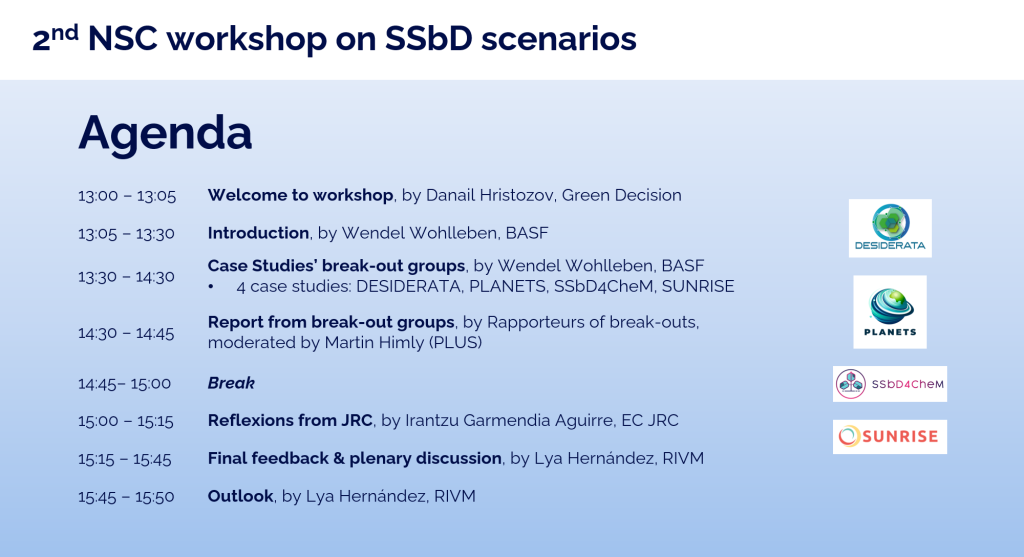
2ndNSCworkshopSSbDscenarios_Agenda
Agenda of the NSC workshop on SSbD scenarios on 5 December 2025

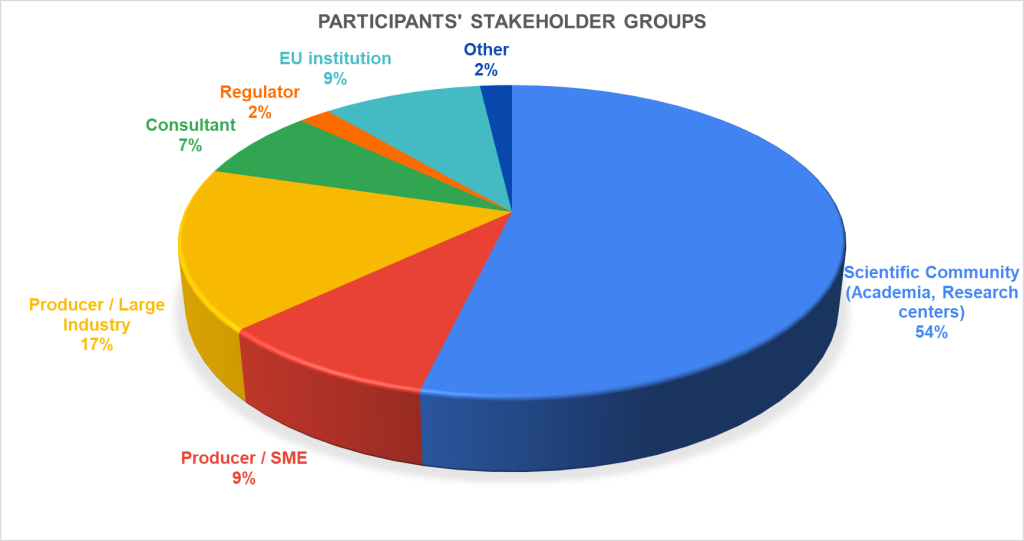
Danail Hristozov (GreenDecision, and chair of the NSC WG on SSbD) opened the workshop and welcomed the more than 50 international participants from academia (54%), large industry (17%), SME (9%), consultants (7%), regulators (2%) and EU institutions (9%). 

2ndNSCworkshopSSbDscenarios_StakeholderGroups
Overview of the participants’ stakeholder groups

Wendel Wohlleben (BAuA, formerly BASF, and co-chair of the NSC WG on SSbD) presented how to tailor the SSbD implementation by using the scenarios. He explained how the most relevant aspects describing the scenario were selected after the 1st workshop, and how the newly developed spreadsheet “SSbD-ified ECV calculator” estimates the impact of implementing SSbD into an innovation project plan. The standardised business metric of the “Expected Commercial Value (ECV)” was used as the basis for the tool, which had been made available to all workshop participants, and feedback was gathered during the break-out groups. 

Workshop participants split up into the break-out groups, where the tailoring and other aspects in the different innovation case were explored and discussed: 

  • DESIDERATA case study: Olga Thoda, from MONOLITHOS, on geopolymers originating from mining waste as replacement of Aluminum in construction, moderated by Lya Hernandez, RIVM.
  • PLANETS case study: Tobias Moss, from Budenheim, on flame retardants in construction, moderated by Carla Caldeira, SYENSQO.
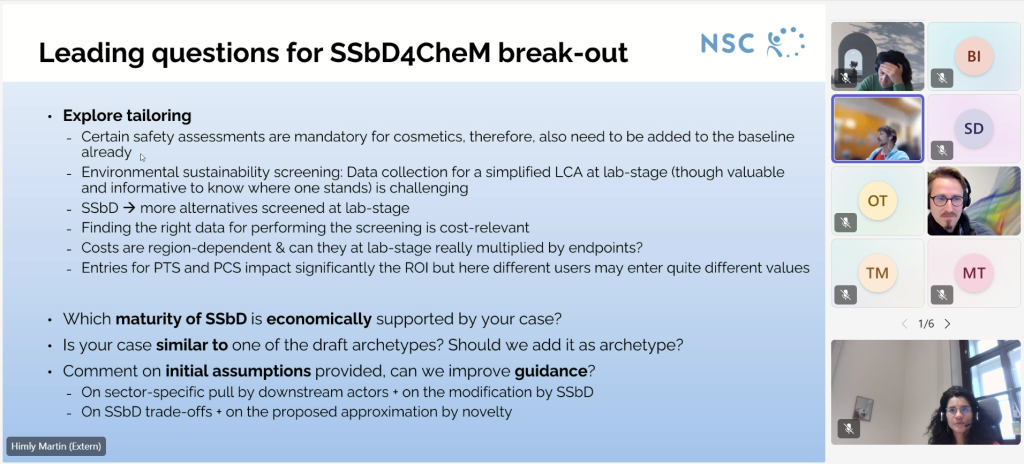
  • SSbD4CheM case study: Ondej Panak, from the Slovenian National Institute of Chemistry, on cosmetics (assisted by Assaf Assis, David Barak, and Dror Cohen, from AHAVA Dead Sea Laboratories, moderated by Martin Himly, PLUS.
  • SUNRISE case study: María José López Tendero, from Laurentia Technologies, on post-harvest fruit treatment based on safer microencapsulated oil, moderated by Danail Hristozov, GreenDecision.

Martin Himly (PLUS and chair of the NSC WG on ETC) moderated the joint reporting session of the different breakouts, where the discussions in each of the groups were briefly summarised and discussed in the plenary. 

Irantzu Garmendia Aguirre from the European Commission’s Joint Research Centre (JRC) contributed key insights to the workshop, sharing the JRC’s perspectives on the current adaptations within the SSbD framework. Her intervention addressed the core SSbD principles, the scoping analysis, and the development of SSbD scenarios, highlighting their relevance for advancing safe and sustainable innovation.

The workshop ended with a final round of feedback and plenary discussion, moderated by Lya Hernández (RIVM), where workshop participants dived into vivid discussions, which will be picked up in the 3rd NSC scenarios workshop anticipated for late spring 2026.

Two main activities are planned as follow-ups of this 2nd workshop: A third workshop (planned for 2026) to discuss the process from archetypal scenarios to tiered SSbD assessment, and a joint peer-reviewed NSC publication about the tailored SSbD approaches followed by the different case studies presented in the workshop.

Workshop materials:

Workshop materials are publicly available in Zenodo, under DOI: 10.5281/zenodo.19554509. 

The recording of the workshop is available in the NSC YouTube channel.

References:
  • Garmendia Aguirre, I., E. Abbate, G. Bracalente, L. Mancini, G. Cappucci, D. Tosches, K. Rasmussen, B. Sokull-Klüttgen, H. Rauscher and S. Sala (2025). “Safe and Sustainable by Design Chemicals and Materials. Revised framework”. Draft for consultation, can be accessed here.
  • Wohlleben, W., C. Caldeira, M. Himly, L. G. Soeteman-Hernández, D. Hristozov and B. Serrano Alfaro (2025). Materials of the NSC workshop on “SSbD scenarios for advanced and incremental innovations” on 23 June 2025. Zenodo. DOI: 10.5281/zenodo.15756156.
  • European Commission SSbD Framework
Impression of the workshop:
Screenshot_ReportBreakOuts
ANTHOS26_GroupPic_cut
News
March 31, 2026

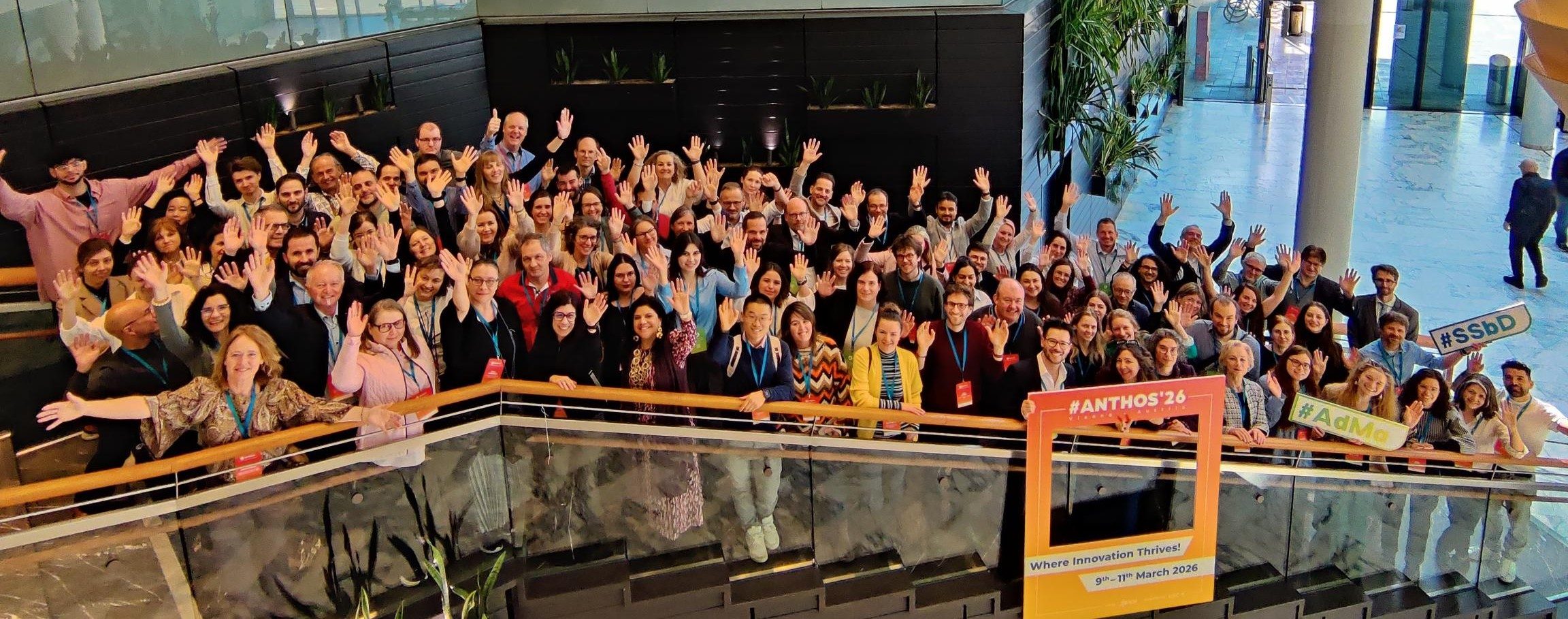
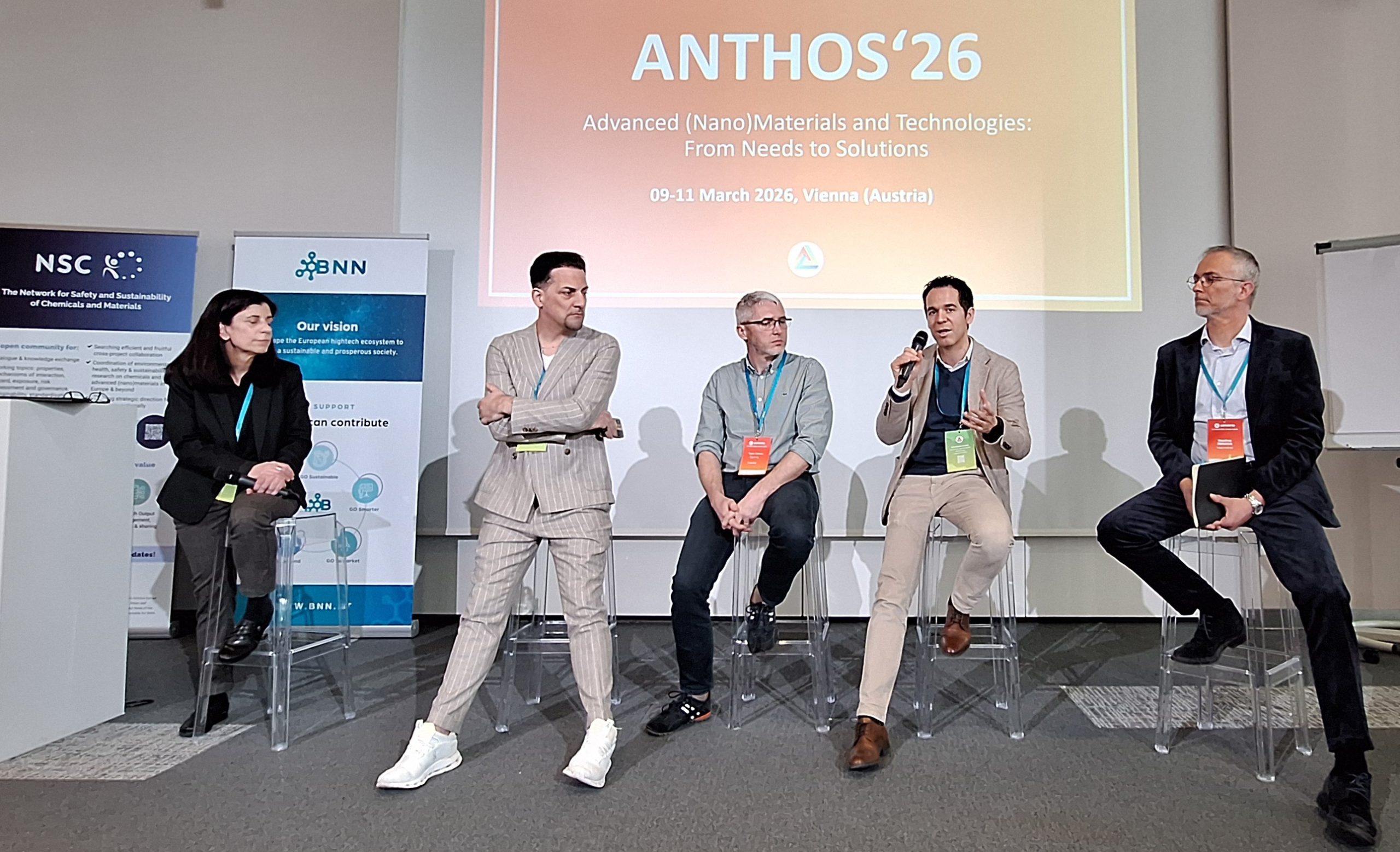
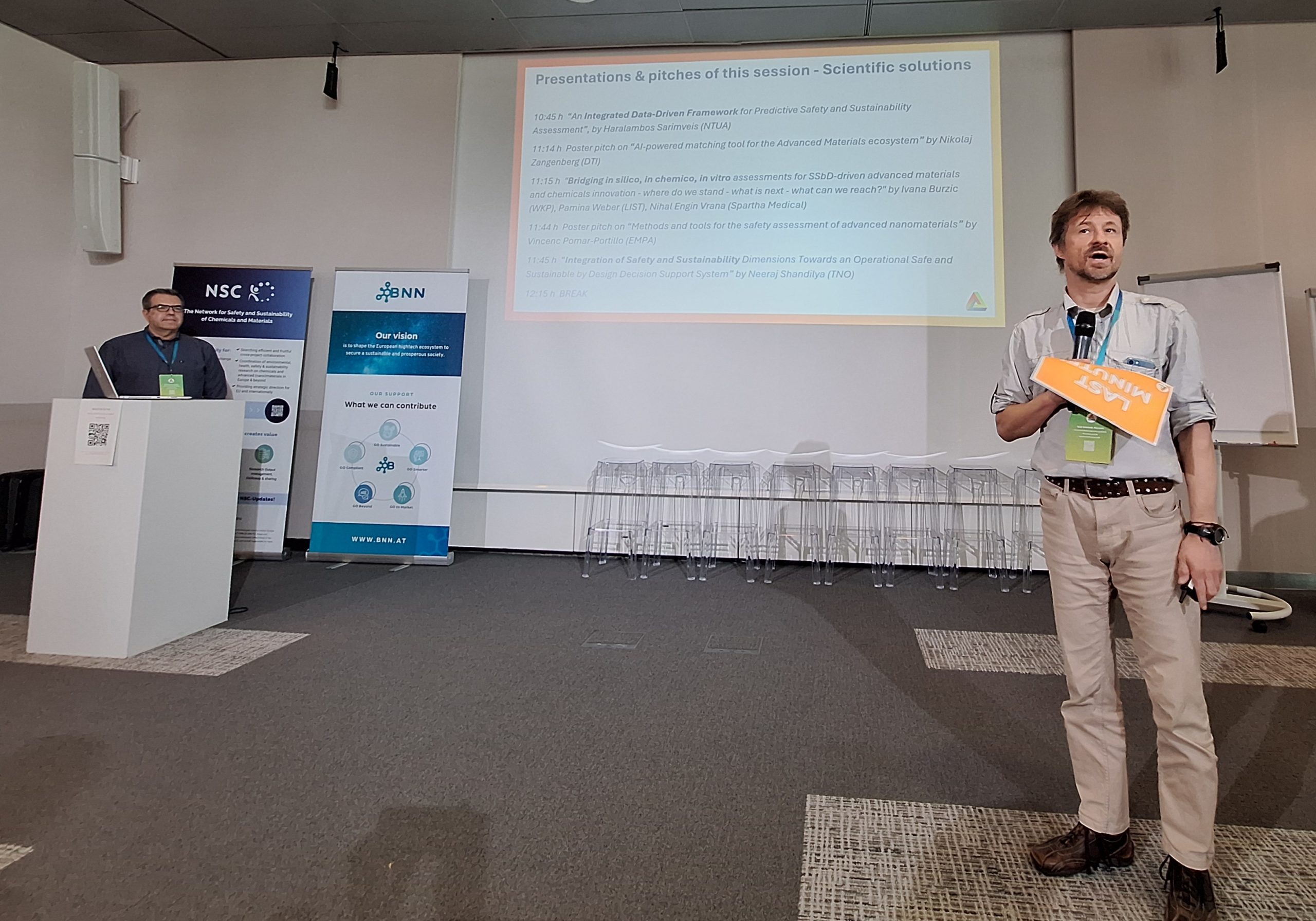
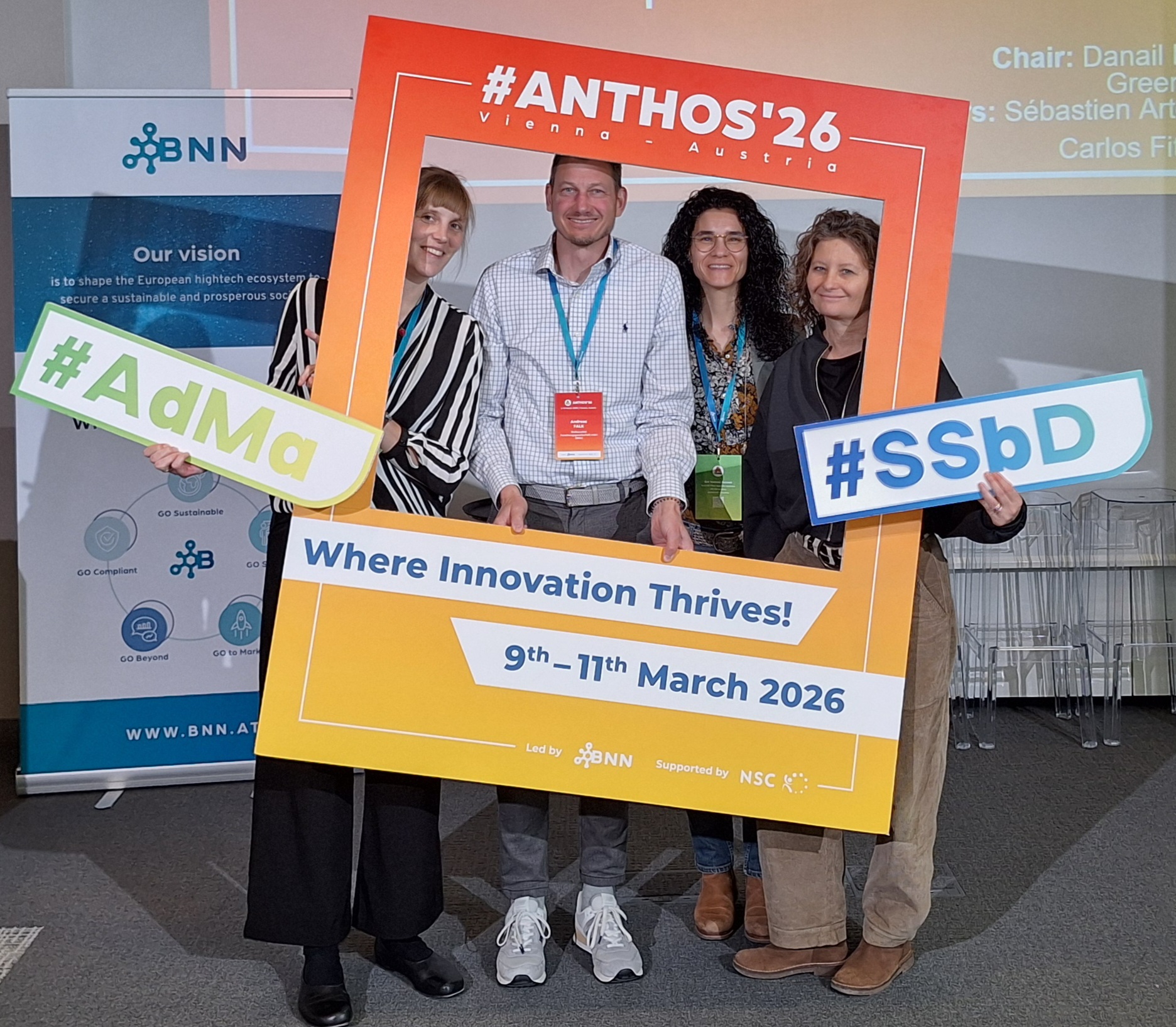
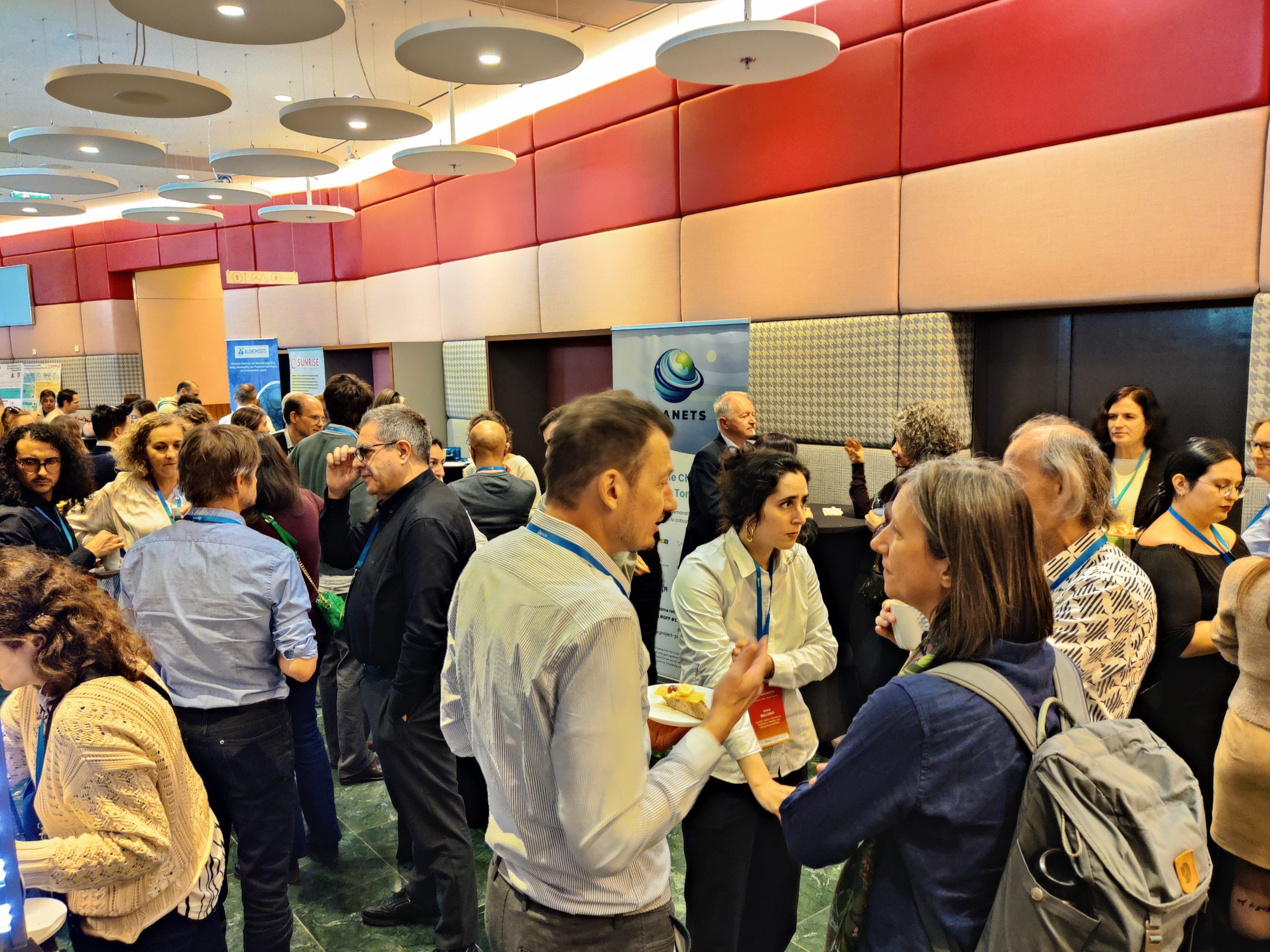
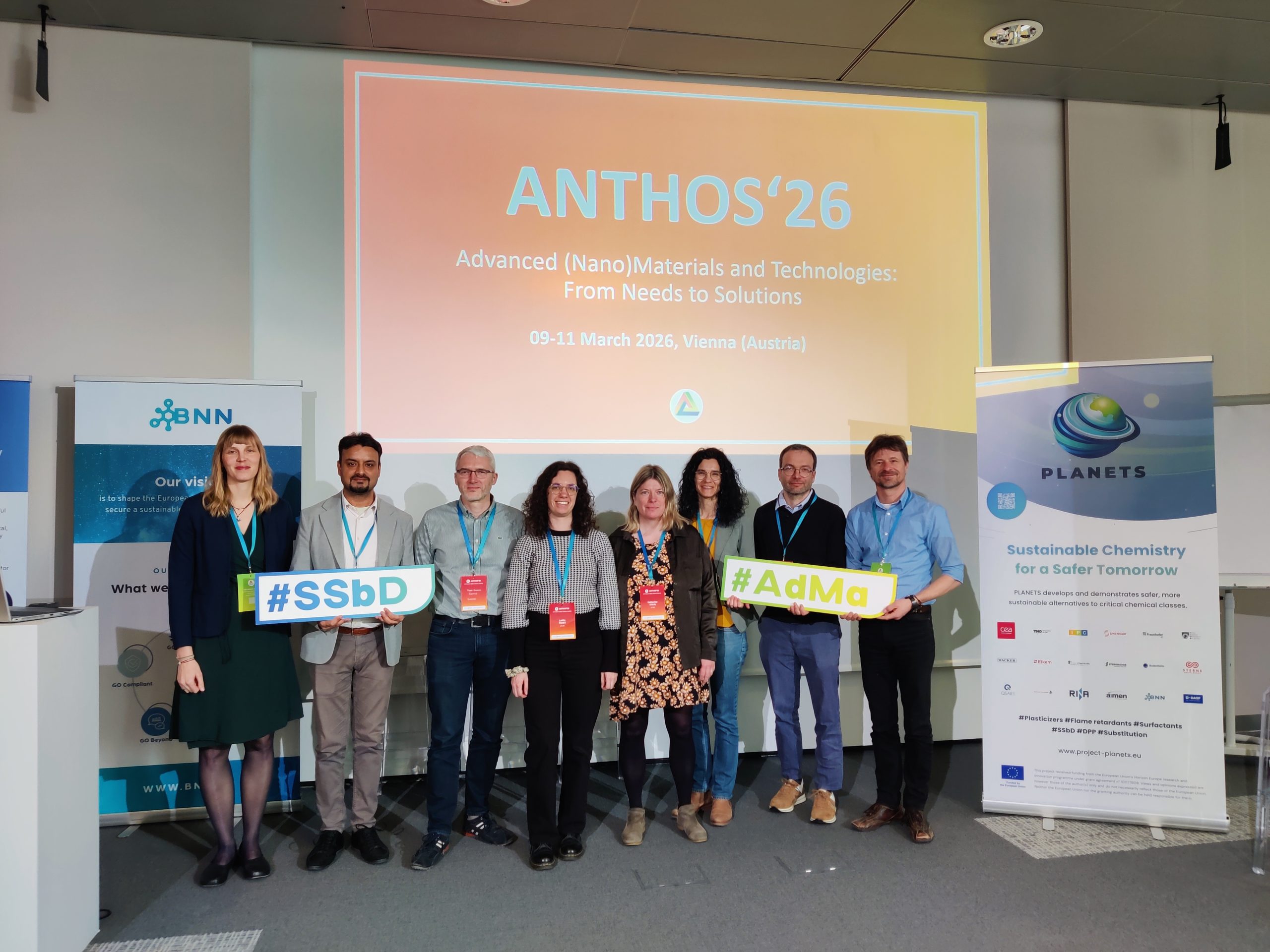
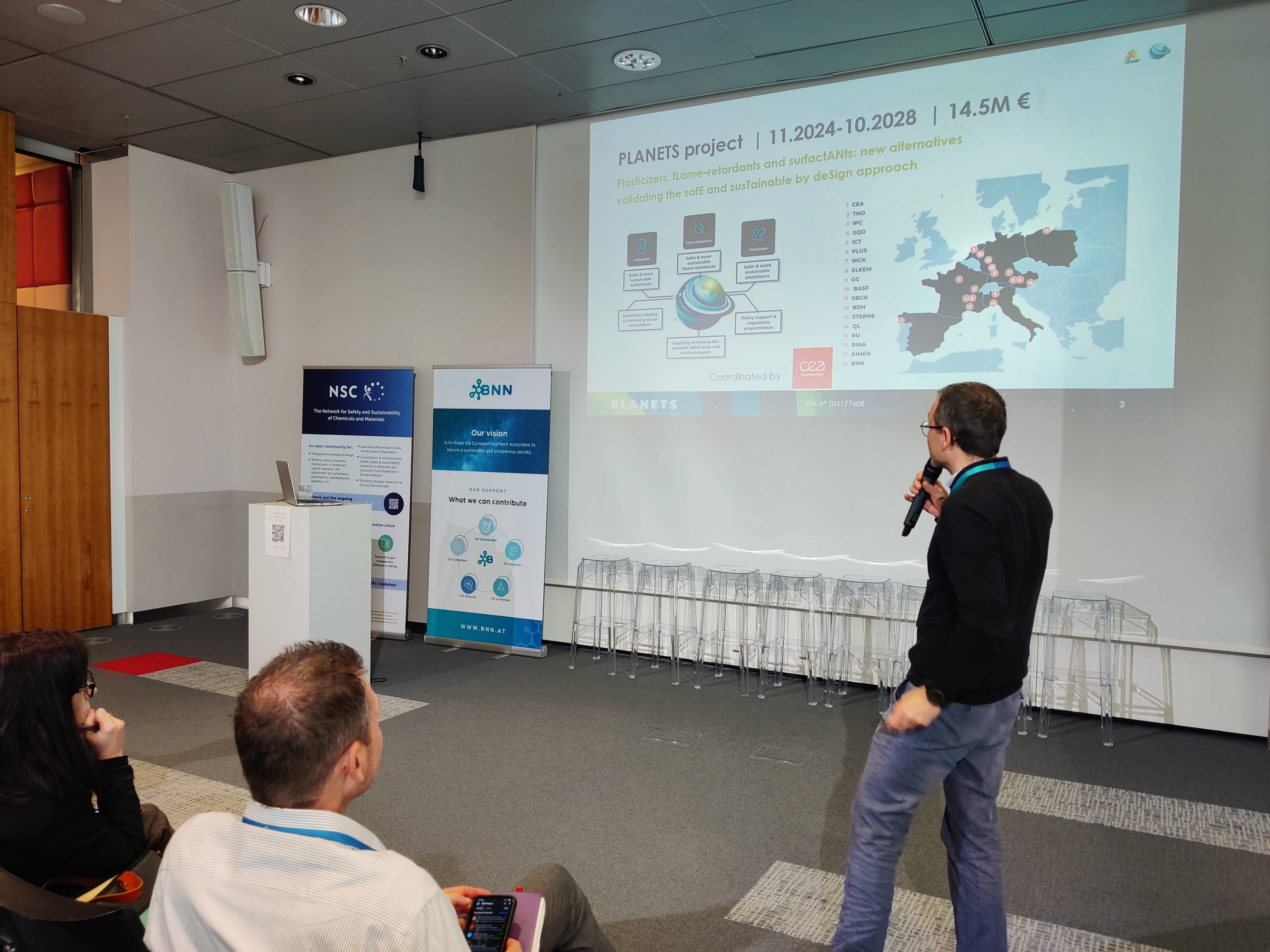
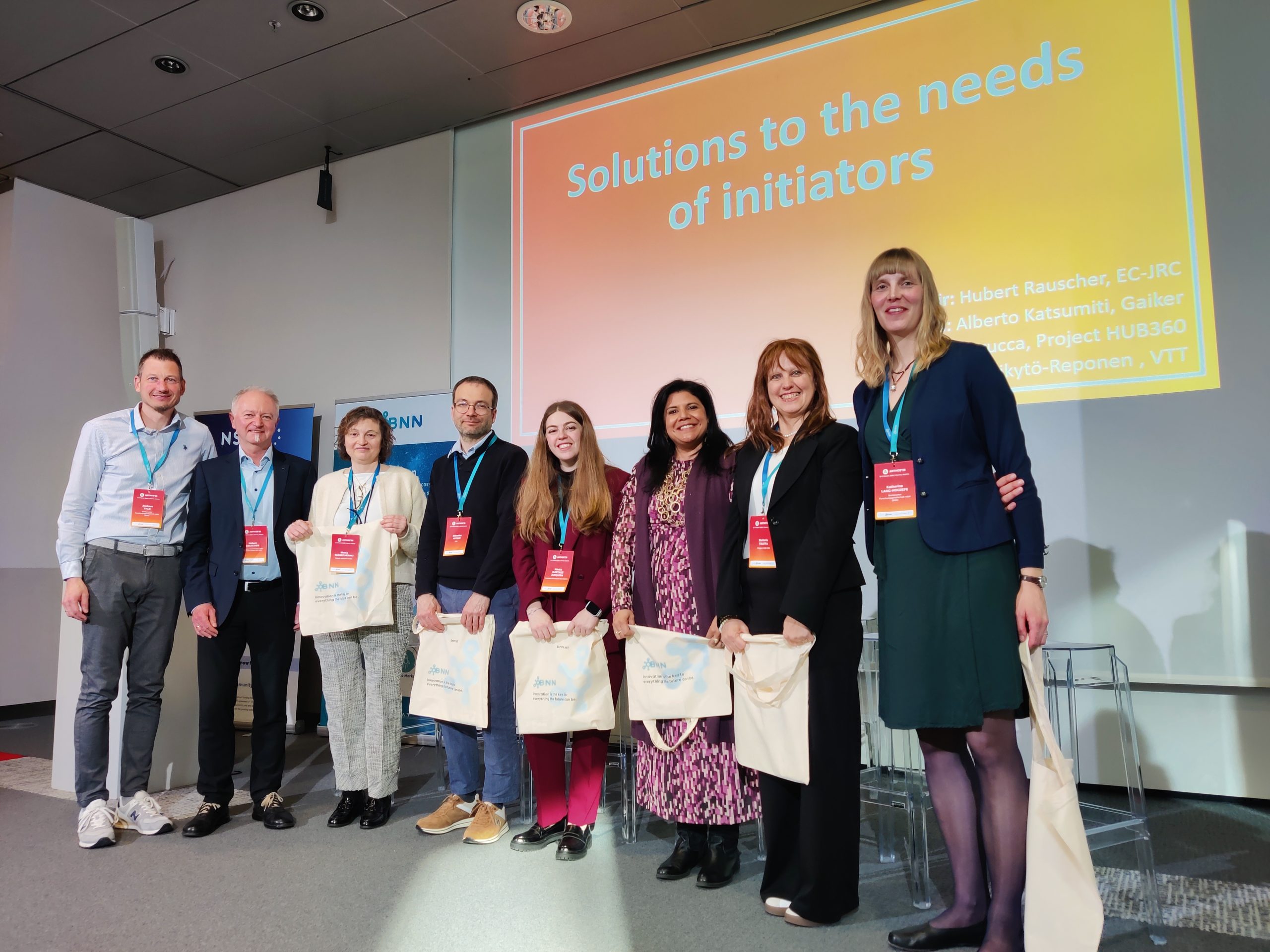
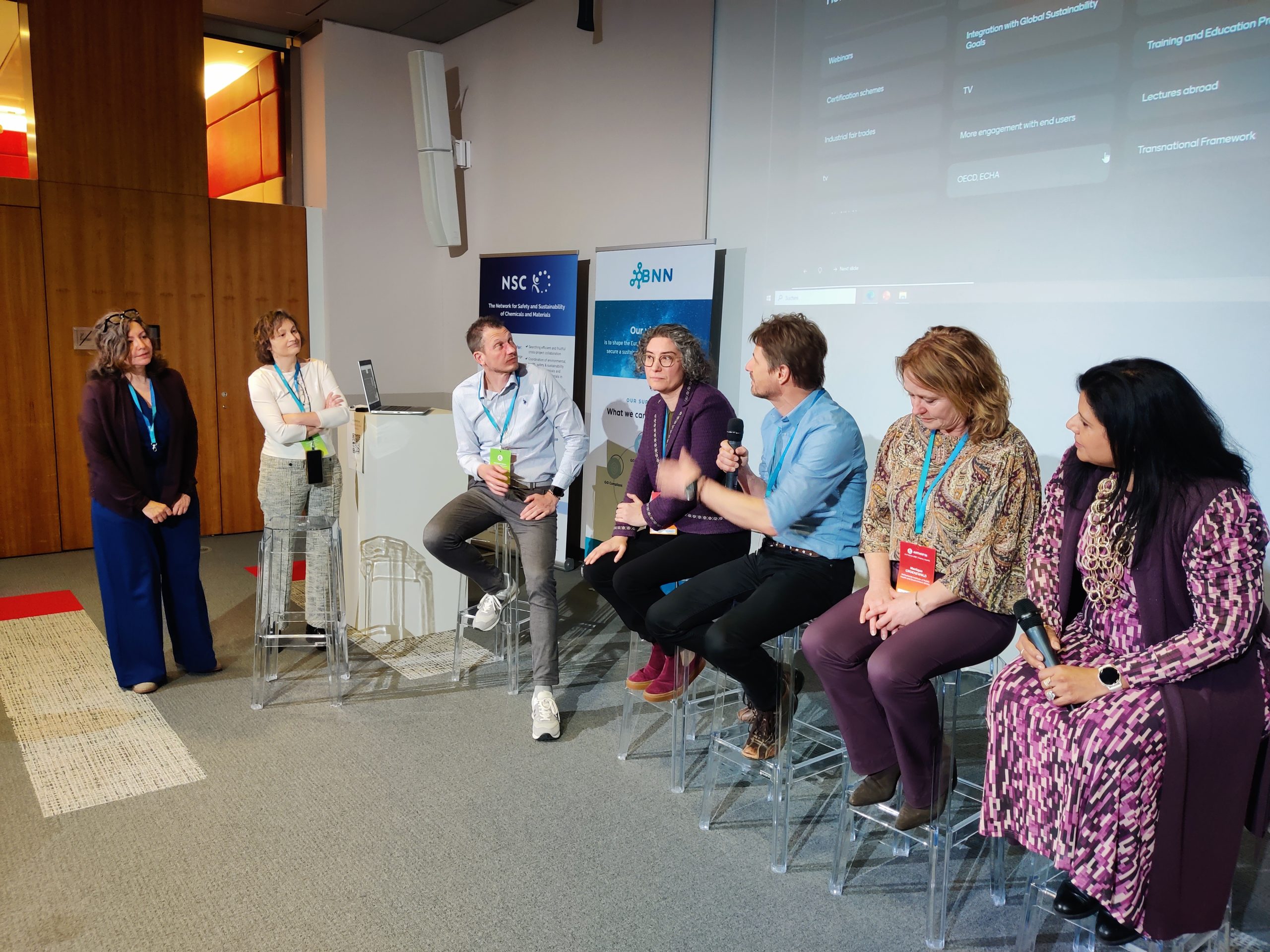
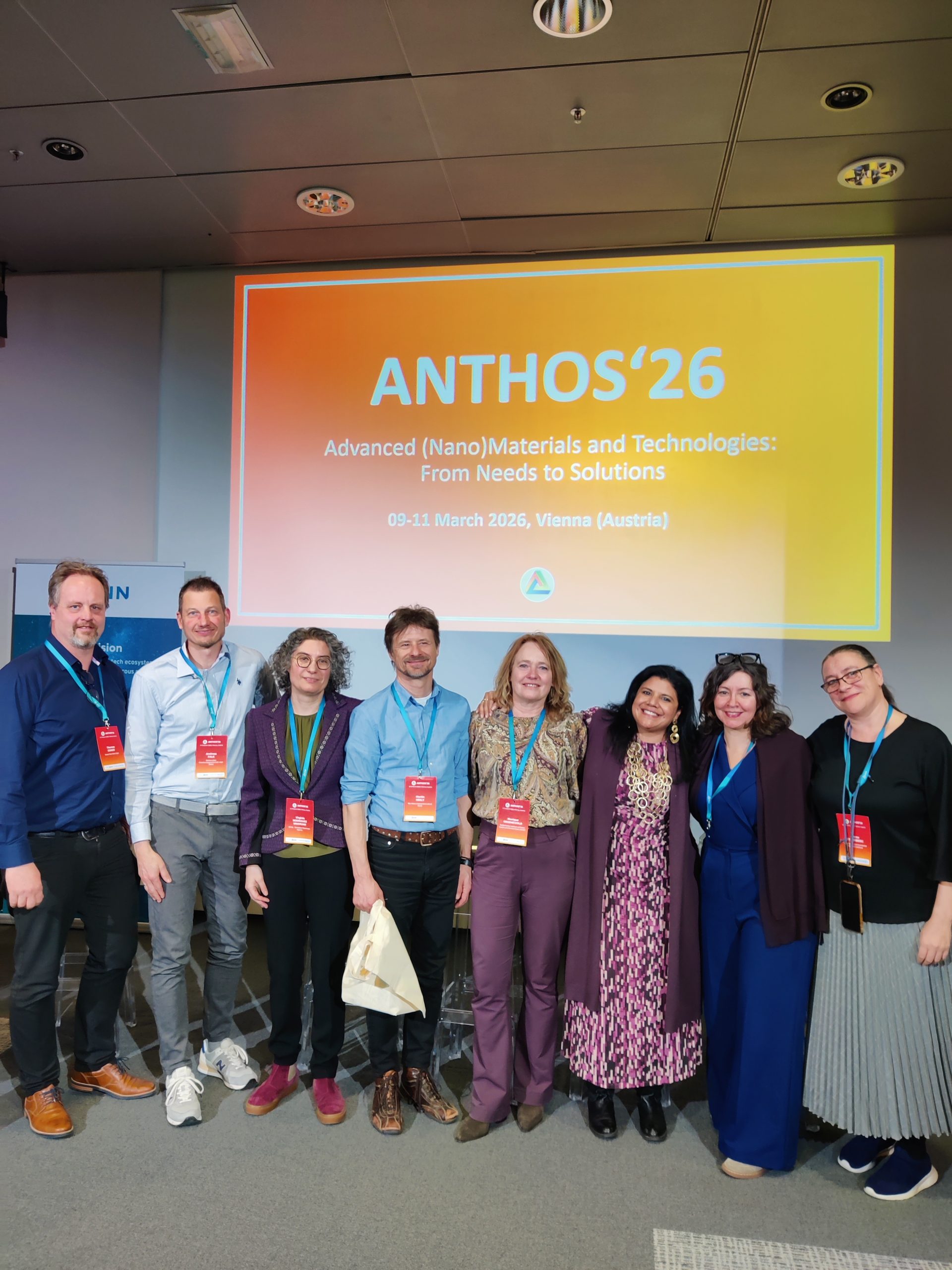
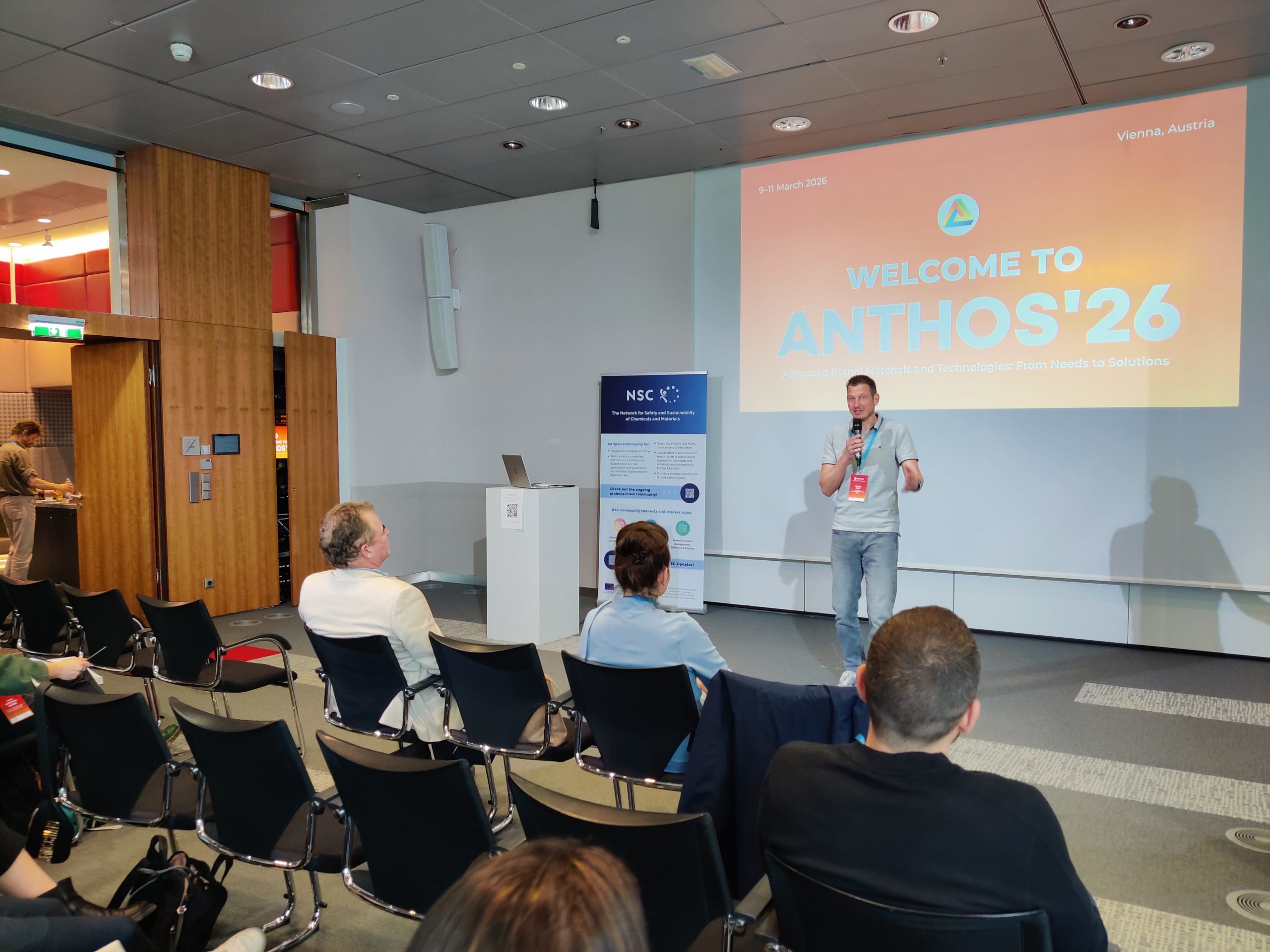
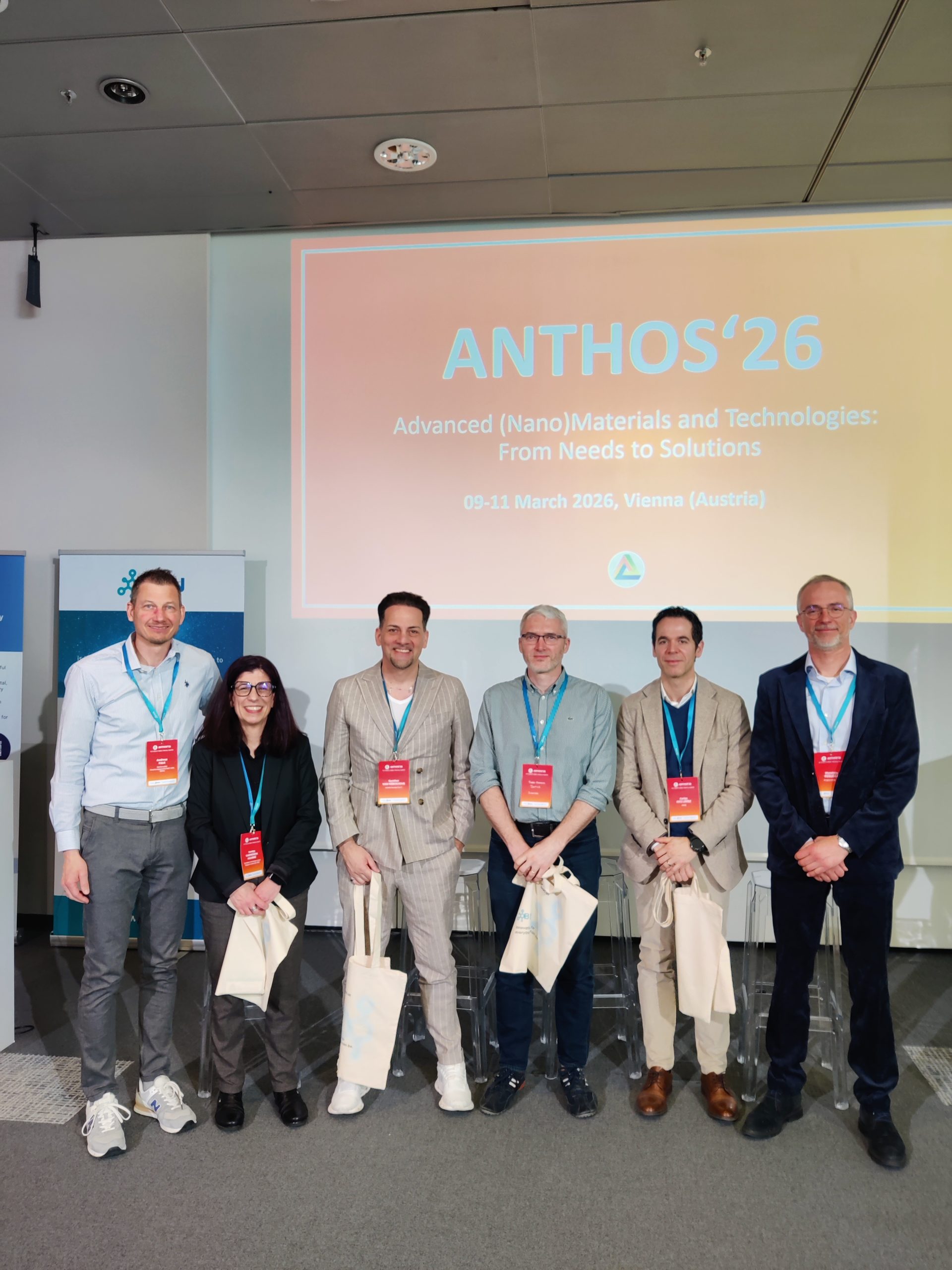
PLANETS @ANTHOS’26 (09-11.03.2026, Vienna)

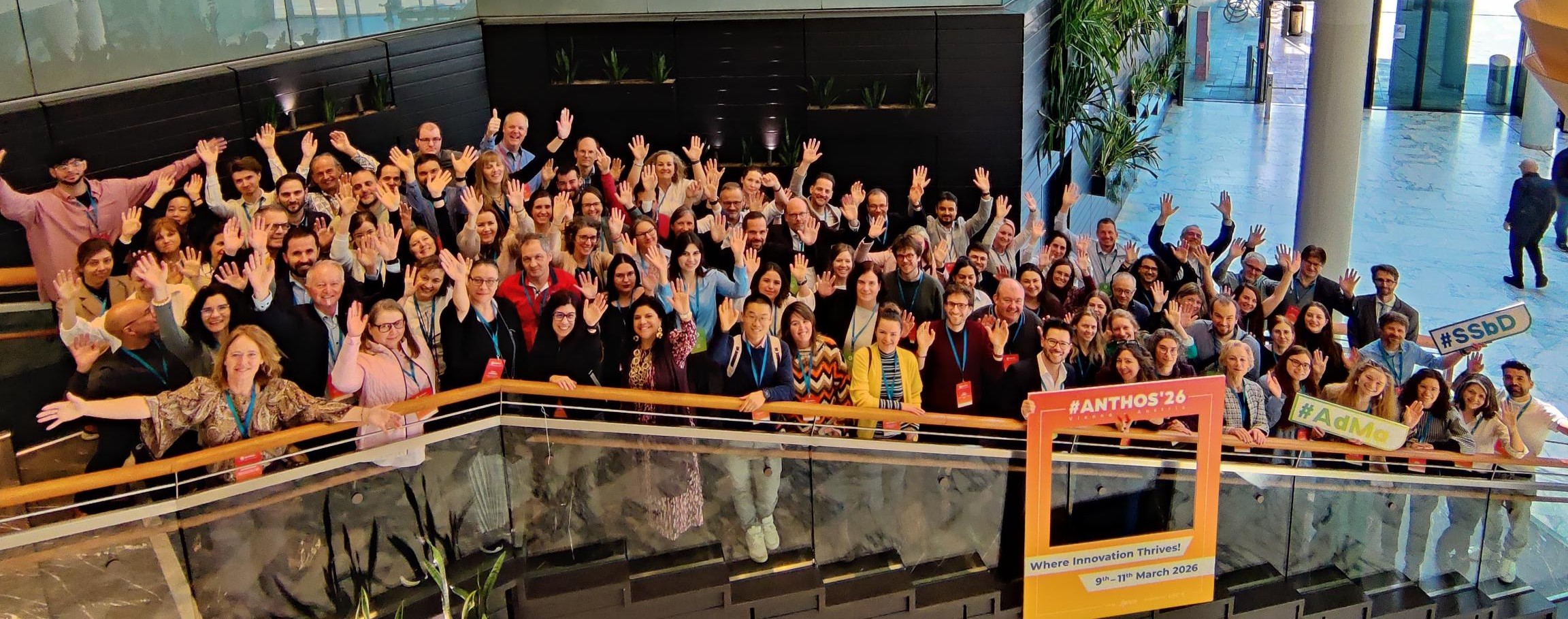
Held from 09-11 March 2026 in Vienna, ANTHOS’26 gathered over 120 experts to advance dialogue on Safe-and-Sustainable-by-Design (SSbD) for Advanced Materials (AdMa). Participants from academia, industry, policy, and regulatory bodies explored ways to align stakeholder needs (i.e., the initiators, the legislators, regulators and implementors) with the solutions that SSbD provides. Key discussions highlighted challenges such as data gaps, complexity, and limited SME uptake. EU-funded projects presented tools, AI approaches, and tiered assessments to support decisions at early-stages. A strong focus was placed on collaboration, regulatory readiness, and pragmatic tools, reinforcing SSbD as a driver for innovation, sustainability, and competitive advantage in Europe.
 
The event was organised by BNN, and supported by the NSC and 12 EU- and national-funded projects (AI-TranspWood, AlChemiSSts, ATIMA, BIOSAFIRE, CheMatSustain, InnoMatSyn, INTEGRANO, PINK, PLANETS, SSbD4CheM, SUNRISE, TOXBOX), as well as two Austrian Ministries (BMIMI and BMLUK).
 

Across three days, the summit created a collaborative platform to exchange knowledge and showcase tools, methodologies, and case studies; discussions highlighted key challenges for SSbD implementation, including limited awareness—particularly among SMEs—data gaps, methodological complexity, and unclear economic incentives. Stakeholders emphasized the need for pragmatic, user-friendly tools, improved data sharing, and stronger links between research, regulation, and industry.

Sessions and roundtables addressed the perspectives of initiators, legislators, regulators, and implementors. A recurring message was the importance of shifting from reactive compliance to proactive, design-led innovation. Solutions presented by EU projects demonstrated how digital tools, AI, tiered assessment strategies, and life-cycle thinking can support early-stage decision-making and reduce risks and costs.

The summit also underlined the importance of regulatory preparedness, trusted environments, and cross-sector collaboration. Concepts such as regulatory sandboxes, standardized data formats, and the role of SSbD ambassadors emerged as key enablers for wider adoption.

ANTHOS’26 concluded with a forward-looking discussion stressing the need for incentives, education, and coordinated action to scale SSbD. The event successfully strengthened collaboration across the community and set the stage for future innovation in safe and sustainable materials.

ANTHOS26_GroupPic_cut

PLANETS had a very active role in the conference:

  • Several partners were involved in the Organising Committee (Andreas Falk, Beatriz Alfaro (BNN), Sébastien Artous (CEA), Martin Himly (PLUS)),
  • and in the Scientific Committee (Andreas Falk, Sébastien Artous, Martin Himly).
  • Andreas Falk, Sébastien Artous, Martin Himly reviewed the poster abstracts.
  • BNN (Andreas Falk) was the main moderator of the conference. 
  • Andreas Falk was speaker and panellist in in the Solutions Session 2 (Legislators) representing the NSC. Martin Himly was also panellist in the same round table – He promoted the PLANETS SSbD Wordbook.
  • Sébastien Artous was Co-chair of  the Solutions Session 5 (Corporate Implementators).
  • The project roll up was exposed all throught the conference in the projects area.
  • Pierre Emmanuel Dufils (SYENSQO) was panellists in the Needs Round Table, as representative of industry.
  • Oral presentations:
    • Sébastien Artous, on behalf of Joséphine Steck (CEA), presented the project in the BioNanoNet Networking event
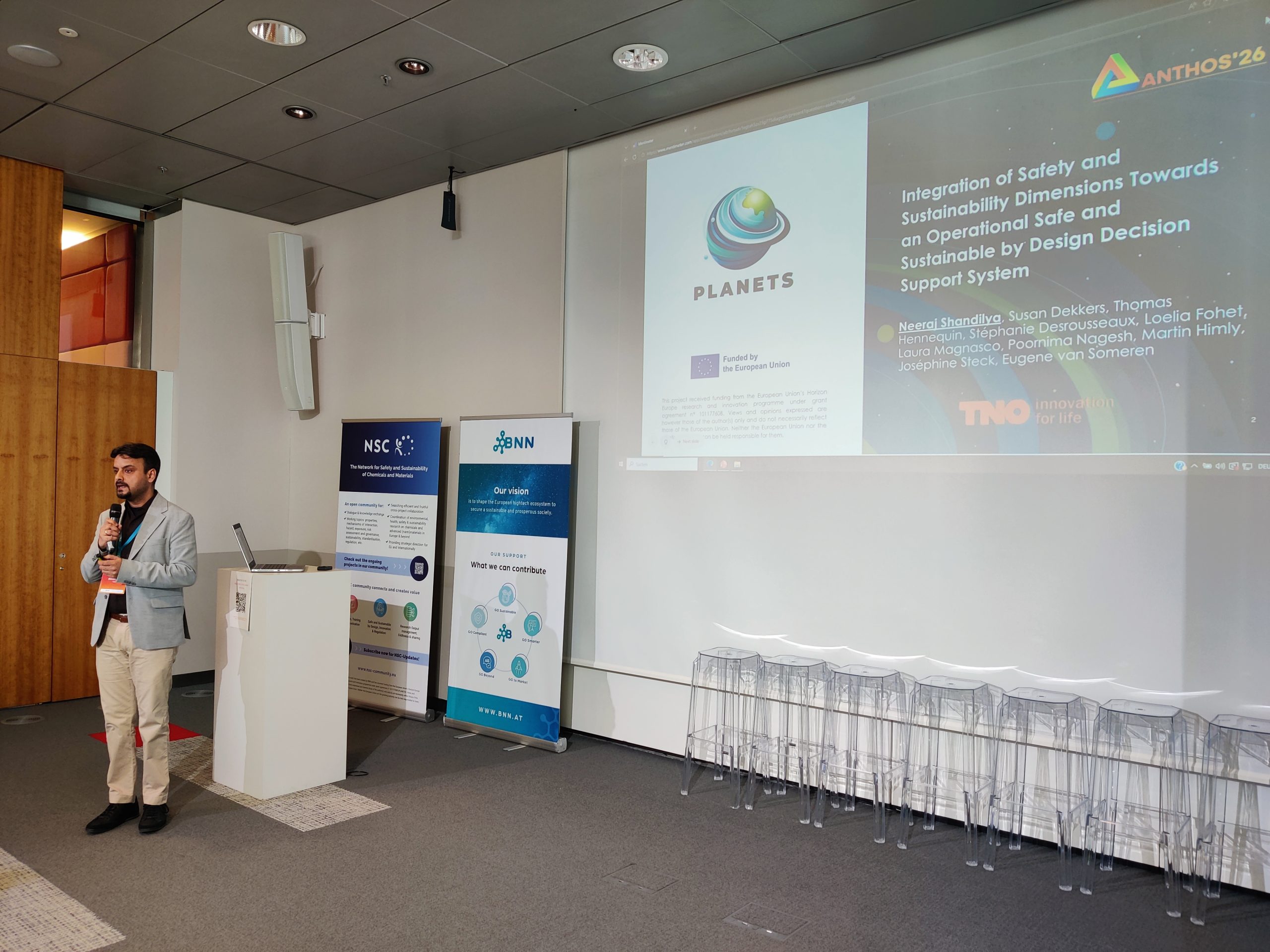
    • Neeraj Shandilya (TNO) gave an oral presentation in the Solitions Session 4 (Scientific Implementors) entitled “Integration of Safety and Sustainability Dimensions Towards an Operational Safe and Sustainable by Design Decision Support System“
  • Posters:
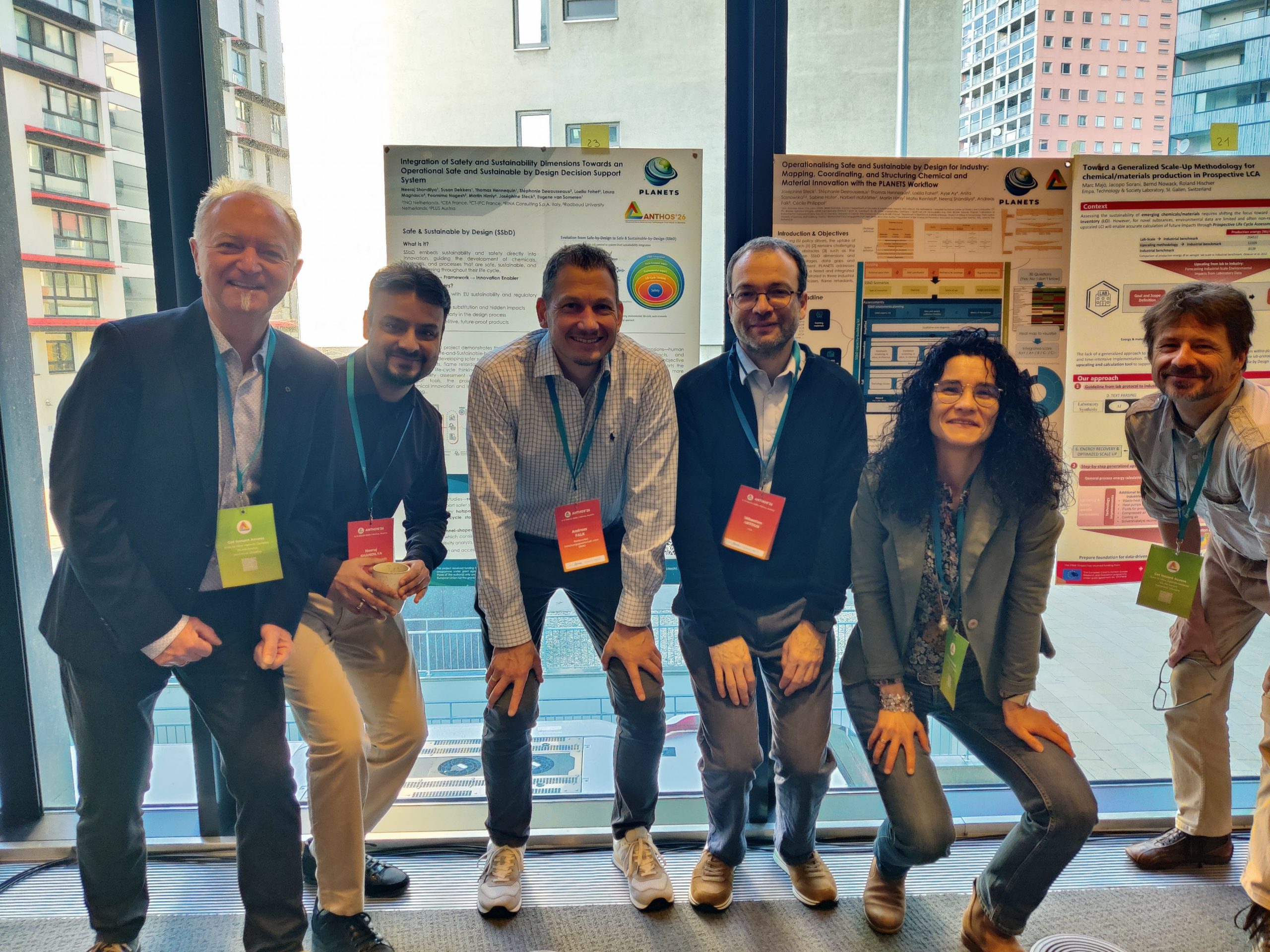
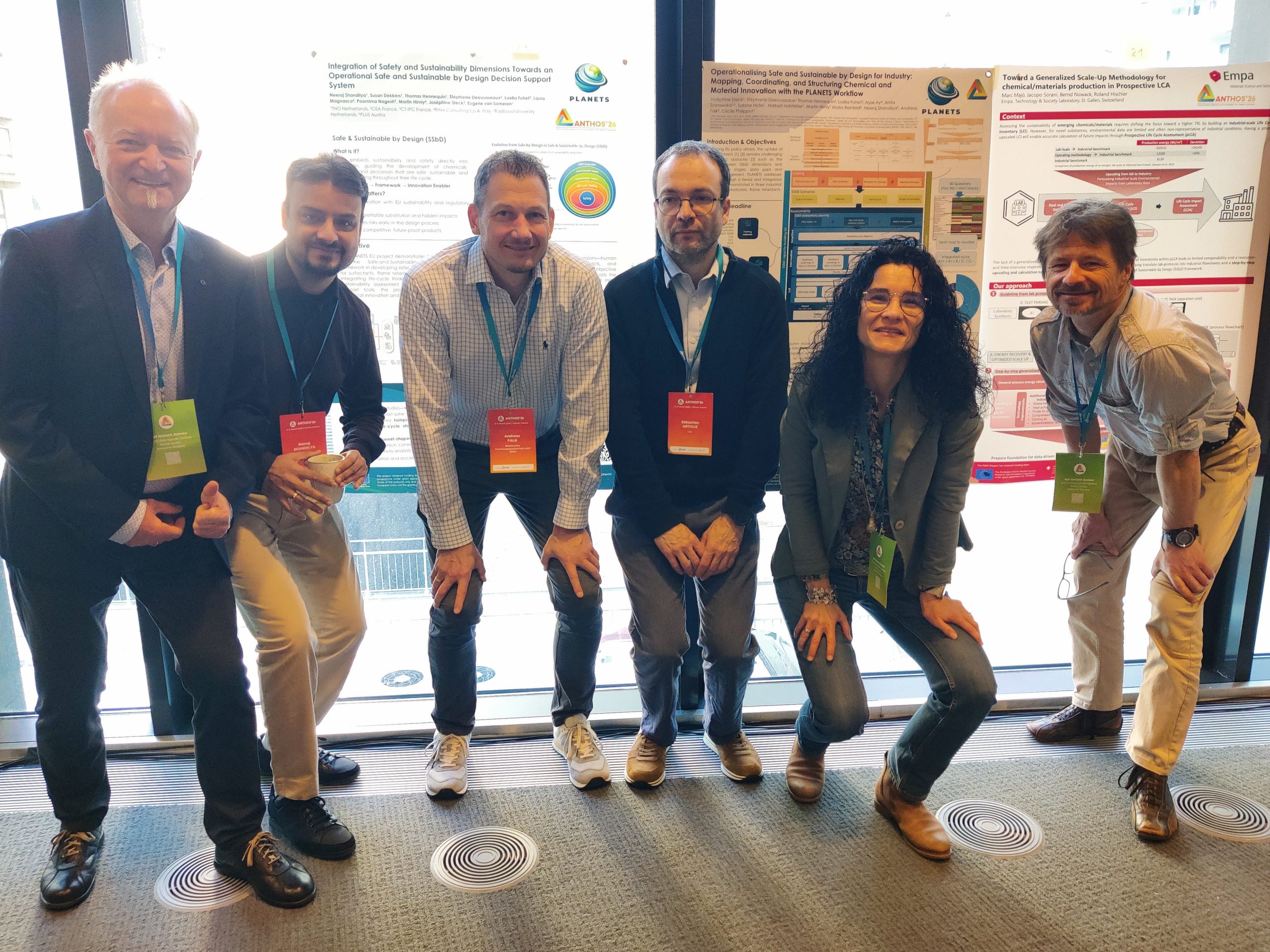
    • Neeraj Shandilya (TNO) had a poster entitled “Integration of Safety and Sustainability Dimensions Towards an Operational Safe and Sustainable by Design Decision Support System“. DOI: 10.5281/zenodo.19370553
    • Joséphine Steck (CEA) prepared a poster dealing with the PLANETS SSbD workflow, and entitled “Operationalising Safe and Sustainable by Design for Industry: Mapping, Coordinating, and Structuring Chemical and Material Innovation with the PLANETS Workflow“. The poster was presented by Sébastien Artous. DOI: 10.5281/zenodo.18997704
    • Joint poster of the RES-24 projects,  prepared by Beatriz Alfaro and Joséphine Steck, publicly available in Zenodo under DOI: 10.5281/zenodo.19064881
Read a full recap of the three impactful days here.
 
Some insight into the 3 days – Have a look at the pictures!
20251125_C4R_2ndMeeting_GroupPic
News
December 2, 2025

PLANETS @ 2nd Collab4Resilience (C&R) meeting

On 25 November 2025, the Collab4Resilience (C4R) network met for its second online networking workshop. 17 participants representing 9 EU-funded projects gather to further build on the KOM from April 2025, and aiming to strengthen collaboration between projects and enhance their visibility and outreach activities.

The meeting was opened by the Hamburg University of Applied Sciences, coordinator of the CheMatSustain project and leader of the initiative. They provided a brief overview of the network’s progress to date and recent developments within CheMatSustain. This was followed by a short presentation from the University of Bologna introducing the CheMatSustain Facility, the project’s key output, launched in 2025.

One of the highlights of the meeting was the “What We’re Proud Of” round, during which each project highlighted recent developments and achievements. Afterthat, we dive into a more interactive session with a digital mural to gather ideas for future communication activities—ranging from social media initiatives to joint events—as well as a knowledge-sharing activity to identify tangible collaboration opportunities.

The workshop concluded with a forward-looking discussion on plans for 2026, setting out practical next steps to strengthen communication, share resources, and foster mutual support.

Overall, the event demonstrated strong interest in further developing the community. 

Agenda of the meeting.

PLANETS_SSbD25_GroupPic1
News
November 12, 2025

PLANETS @ SSbD25

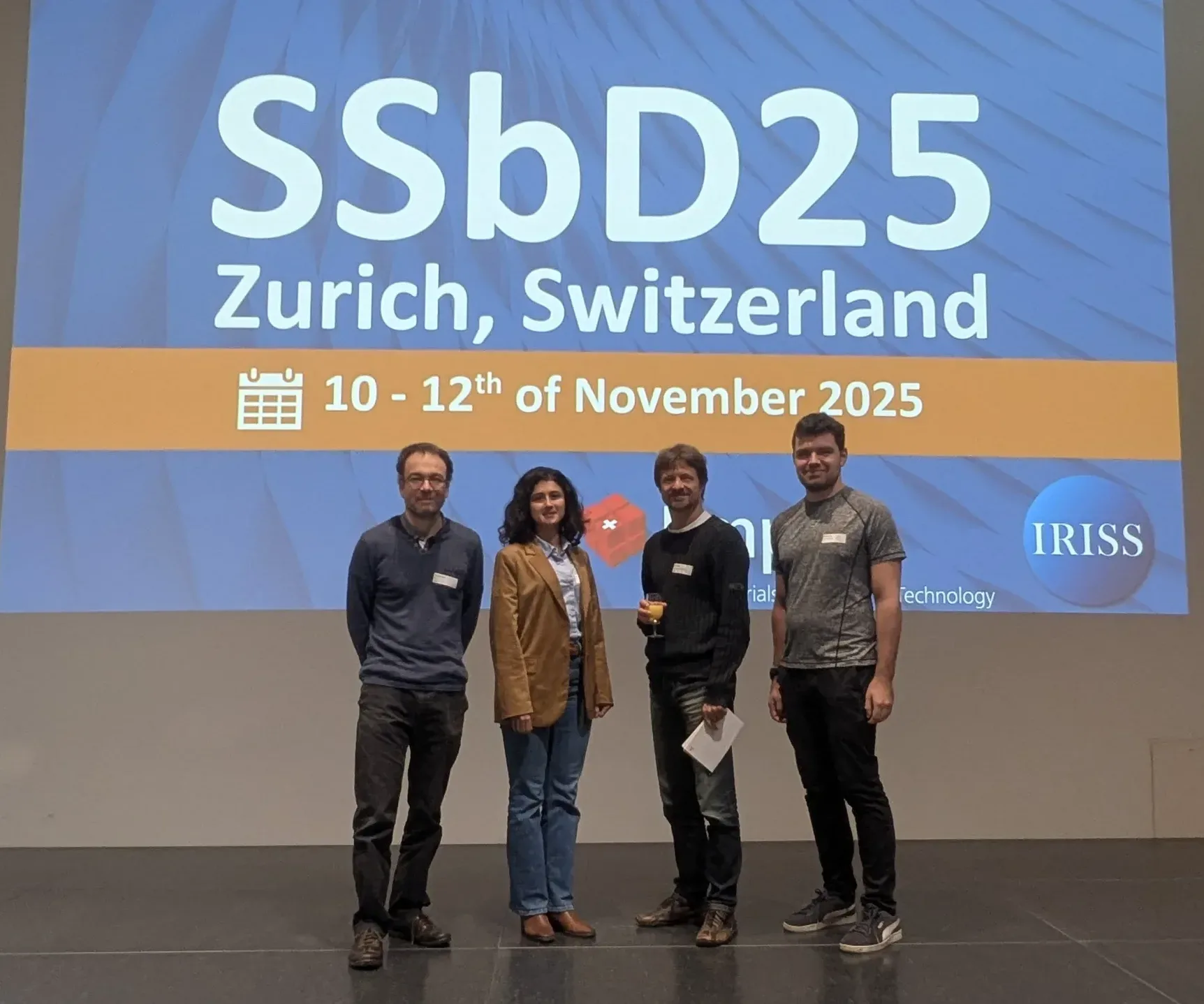
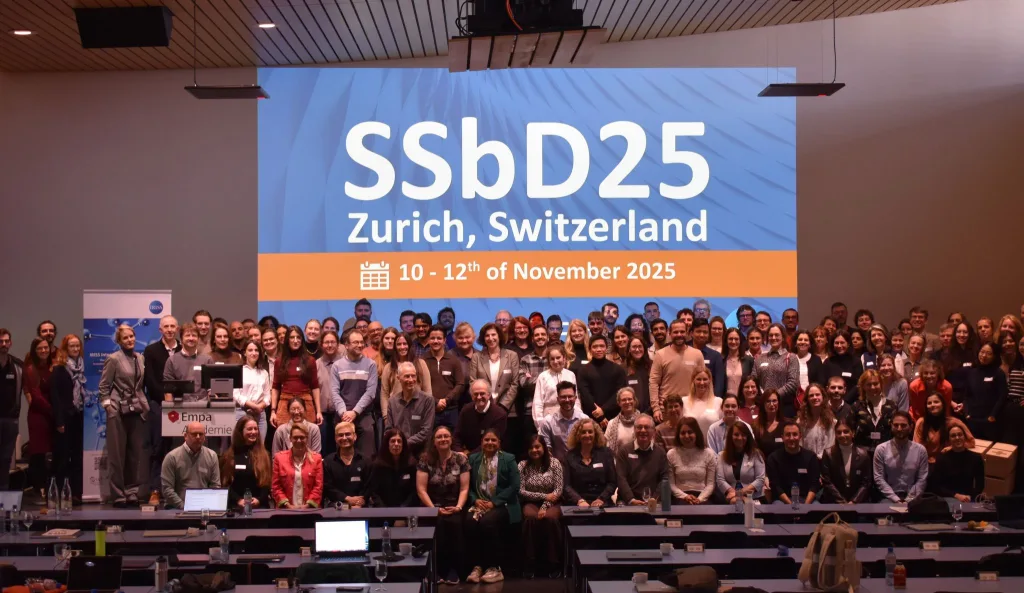
From 10-12 November 2025, PLANETS’ partners took part in the 2nd Safe-and-Sustainable-by-Design (SSbD) Conference – SSbD25, held in Zurich, Switzerland. The event, organised by IRISS project – the International SSbD Community – and Empa, brought together researchers, industry representatives, and policymakers to exchange knowledge and advance the implementation of SSbD principles across sectors.

The PLANETS consortium was well represented, with partners including Sébastien Artous (CEA), Ayse Ay and Wendel Wohlleben (BASF), as well as Benjamin Punz and Martin Himly (PLUS).

During the conference, Ayse Ay presented a poster on the SSbD assessment of alternative flame retardants for use in plastic insulation foams, showcasing PLANETS’ contribution to developing safer and more sustainable materials. DOI: 10.5281/zenodo.17593867.

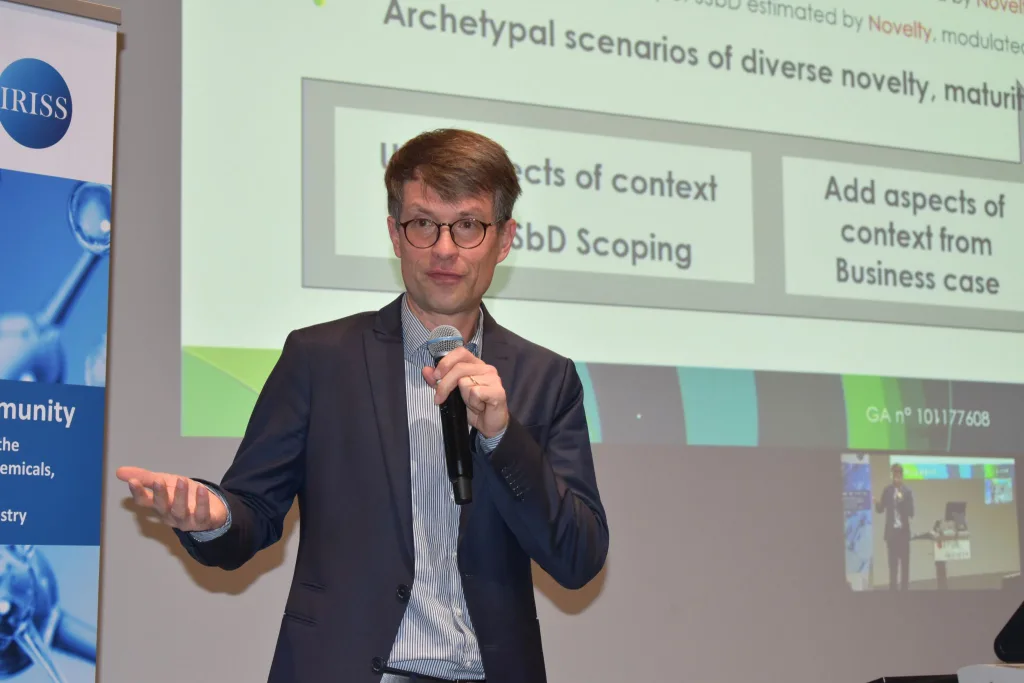
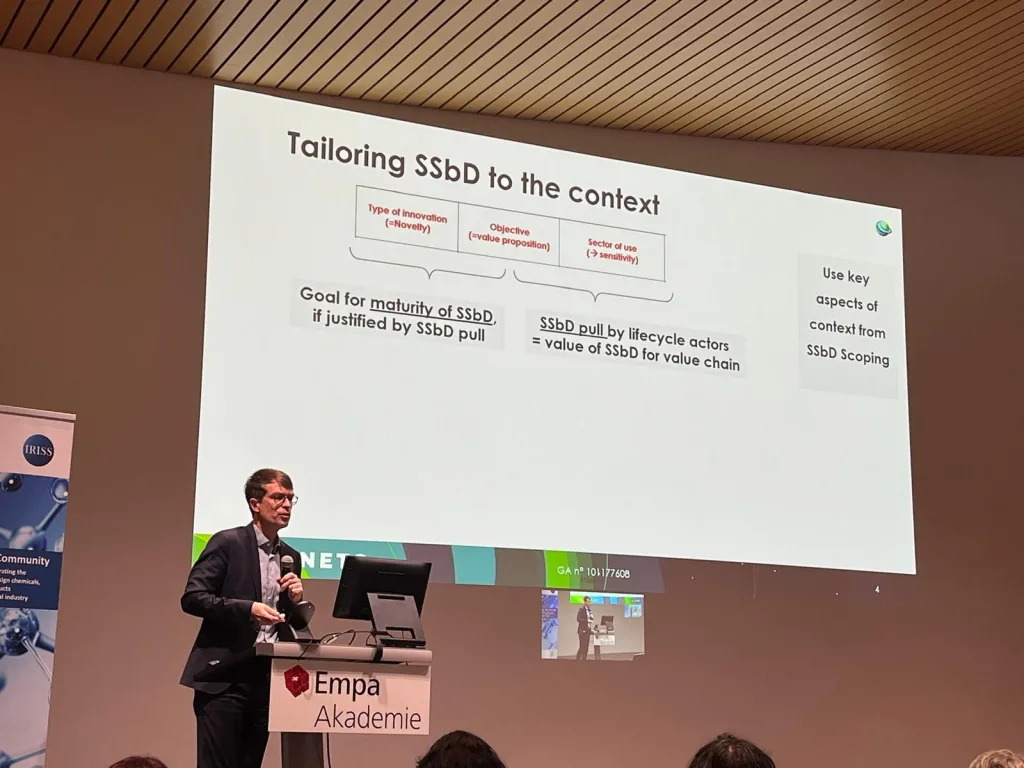
Wendel gave an oral presentation entitled “Innovators tailor the SSbD implementation via SSbD scenarios“. In his presentation, Wendel explained how innovators can adapt SSbD to their specific context. It introduces rules for tailoring SSbD based on key scoping factors—novelty, sector, and innovation goals—and economic aspects such as R&D budget, maturity, and expected value. From these, archetypal scenarios arederived that reveal where economic incentives support tailored SSbD approaches, offering clear guidance for innovators.

It was a great opportunity to reconnect with the broader SSbD community, share insights, and discuss the path forward towards sustainable innovation.

A big thank you to the organisers for an inspiring event – we’re already looking forward to next year’s edition!

Conference programm available here.

PLANETS_SSbD25_Ayse_Poster_1
PLANETS_SSbD25_GroupPic1
SSbD25_WendelPresentation2
SSbD25_WendelPresentation
SSbD25_GrouPictureAll
GroupPic
News
October 9, 2025

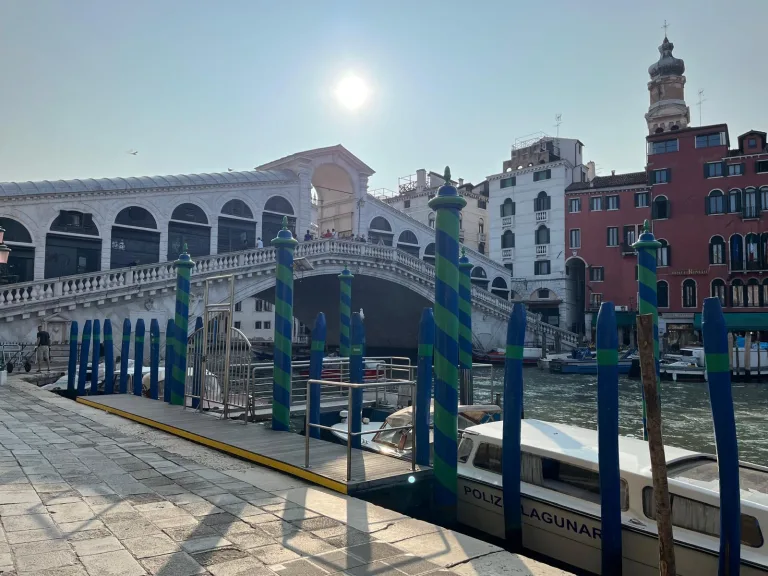
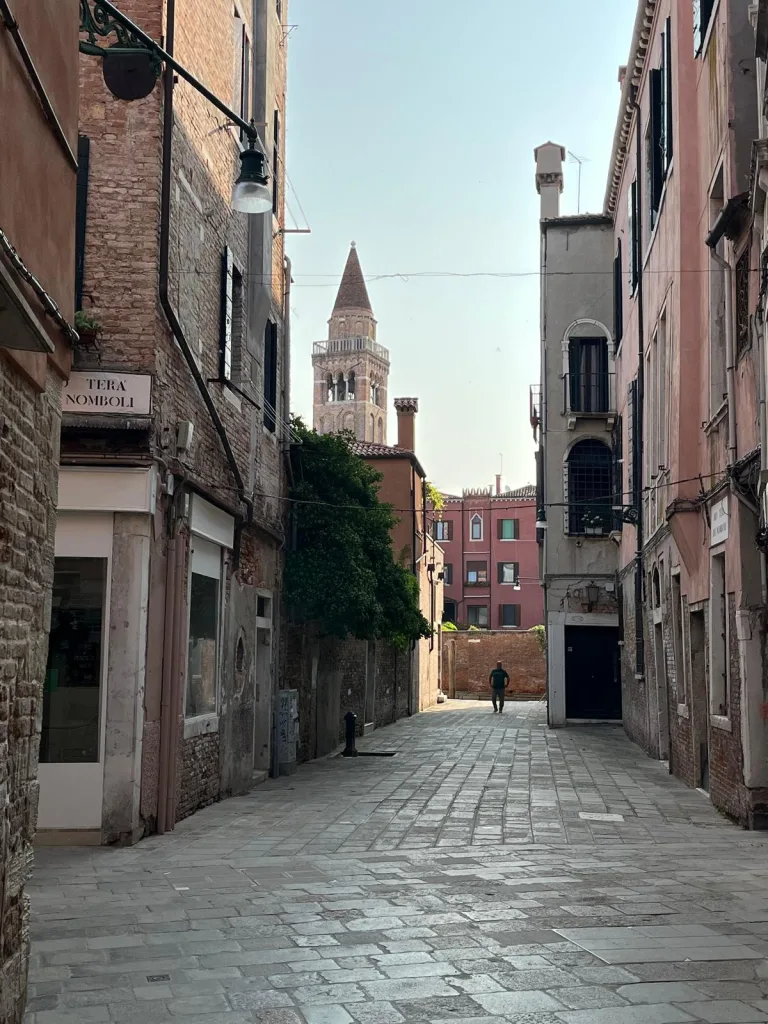
Recap Venice Training School 2025

Innovating with Purpose: A Hands-on Journey into Functional, Safe and Sustainable Advanced Materials

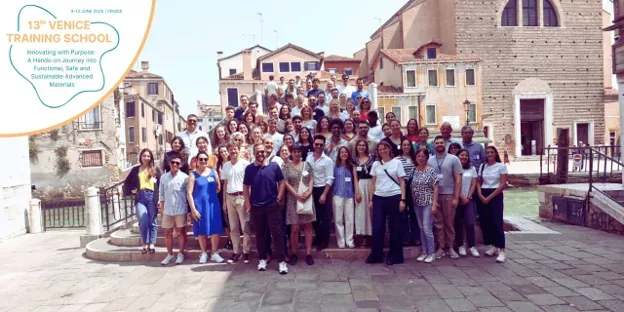
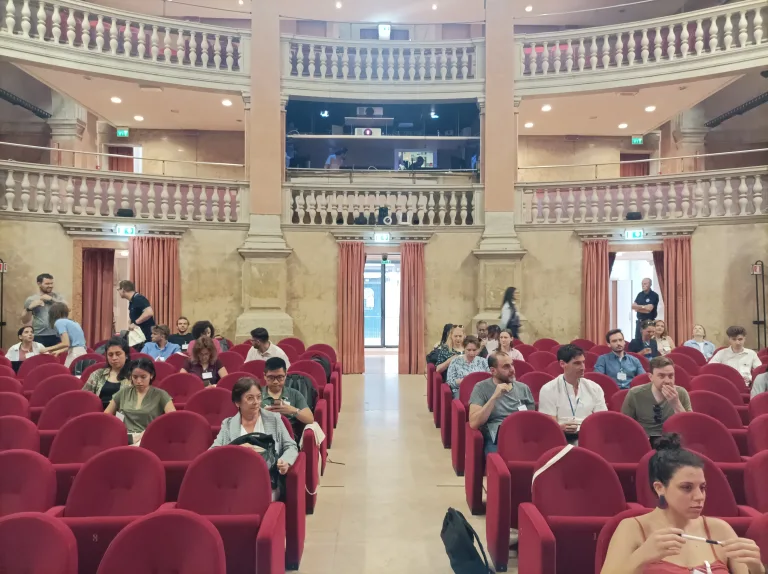
Every year, usually, a vibrant community of young researchers and seasoned experts convenes in the historic centre of Venice for the Venice School. The 13th edition of the Venice Training School took place from 9th to 13th June 2025 to focus on advancing knowledge and practice in Safe-and-Sustainable-by-Design (SSbD) assessment and decision-making for advanced materials (AdMa) and chemicals, and explore cutting-edge methodologies for ensuring the safety, functionality, and sustainability of innovative materials.

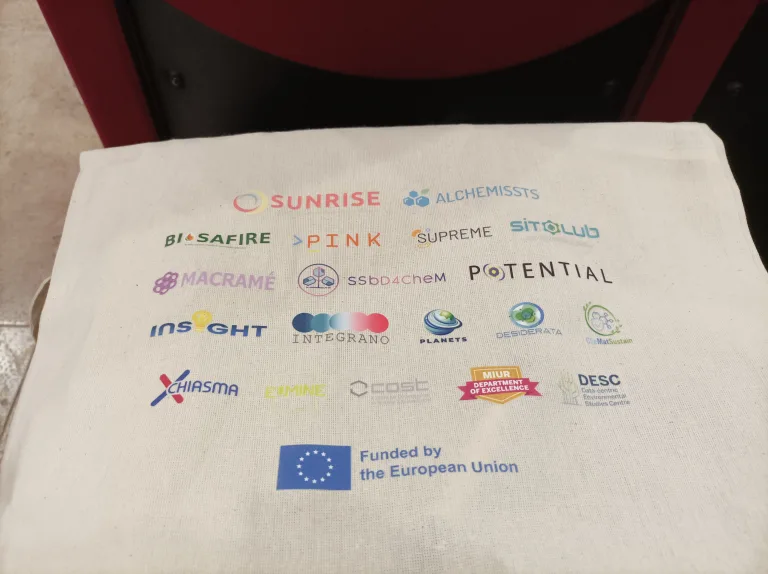
Jointly organised by the EU funded projects AlChemiSSts, BIOSAFIRE, CheMatSustain, CHIASMA, DESIDERATA, EuMINe Cost Action, INSIGHT, INTEGRANO, MACRAMÉ, PINK, PLANETS, POTENTIAL, REPOXYBLE, SiToLub, SSbD4CheM, SUNRISE, SUPREME, SURPASS, supported by the Ca’ Foscari University Venice, and having the NSC as a special partner, this edition of the school brought in international perspectives on a number of topics, including:

  • Setting the scene: SSbD policy context in the EU
  • Environmental, health and safety assessment (Steps 1-3 of EC-SSbD framework), including Intrinsic hazard properties, New Approach Methodologies (NAMs), and Relevance of in vivo studies (invertebrate and vertebrate models)
  • Integrated Life Cycle Sustainability Assessment (ILCSA) (Steps 4-5 of the EC-JRC SSbD framework), including Environmental Life cycle assessment (LCA), Social LCA, and Lifecycle Costing 
  • Integrating functionality considerations into SSbD workflows: the role of material characterization and the assessment of functional performance
  • Addressing the complexity of advanced materials and their interactions: Multiscale modelling and multidimensional analysis 
  • Enhancing the uptake of SSbD by industry, especially SMEs: user-friendly decision support tools

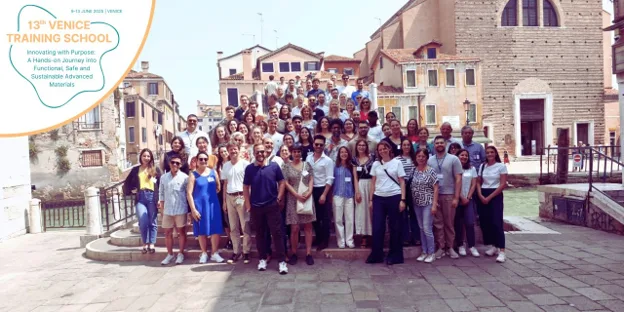
Over 100 participants from 30 countries across Europe, Asia, and America joined the event, which featured interesting lectures and practical hands-on sessions prepared by 44 lecturers and instructors from 35 organisations in 14 European countries. The sessions aimed to foster an integrative understanding of the school’s topics, providing an interactive learning environment and direct access to key experts.

Here are some numbers about the background of the participants: 32% postdoctoral and senior researchers, 17% PhD students, 3% master students, 13% consultants, 13% SME CEOs & managers, 3% technical staff, 5% University professors, 3% R&D specialists, 2% laboratory heads, and others from academia, policy, and industry, as well as representatives of the European Commission.

During the four days, participants were able to gain in-depth interdisciplinary understanding of key topics about the safety and sustainability of advanced materials, engage in dialogue with peers and experts on a variety of cutting-edge topics, gain needed skills to drive responsible innovation, as well as benefit from networking opportunities in a relaxed atmosphere. The hands-on training sessions provided a unique opportunity to bridge the gap between theory and real-world applications.

This edition featured contributions from representatives of the JRC and the European Commission, who shared insights on the latest advancements in SSbD.

Special thanks go to Susanne Resch and Beatriz Alfaro (BNN), Paola Basso, Marilena Uliana and Danail Hristozov (Greendecision), Yasemin Ertugrul and Judith Friesl (YORDAS), Stefania Melandri & Giulia Mora (Warrant Hub), Martin Himly (PLUS) and all the members of the organising and scientific committees for making this edition of the school such a huge success!

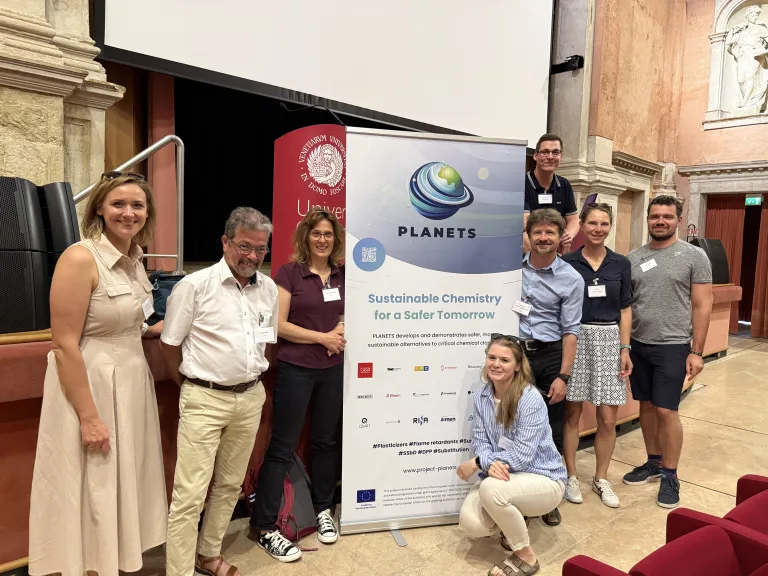
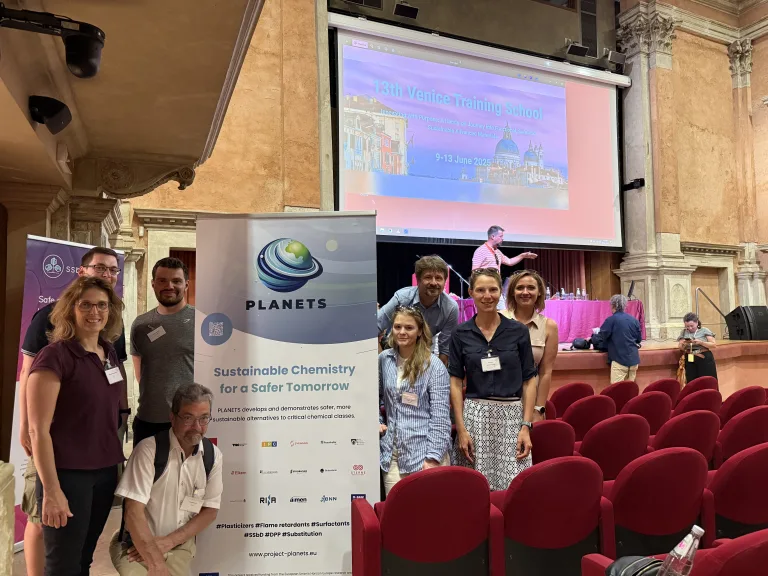
The PLANETS project was heavily involved in the organisation of the School, with Beatriz Alfaro, Susanne Reach (BNN) and CEA in the Organising Committee, and Susanne Reach (BNN) and Martin Himly (PLUS) in the Scientific Committee.

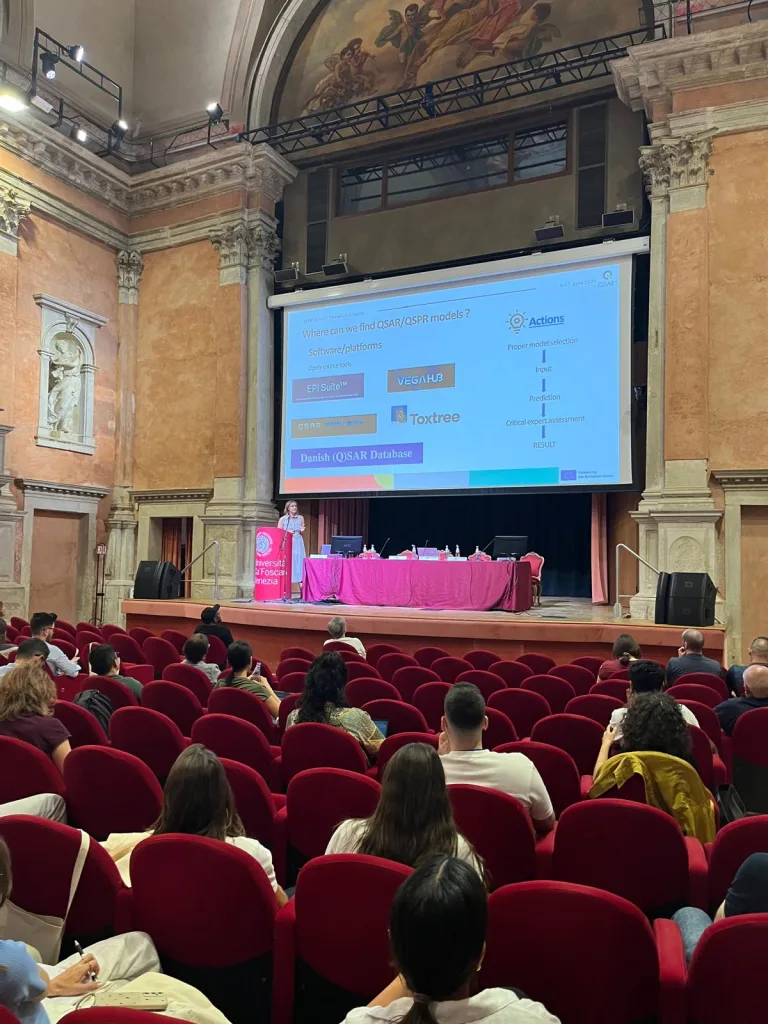
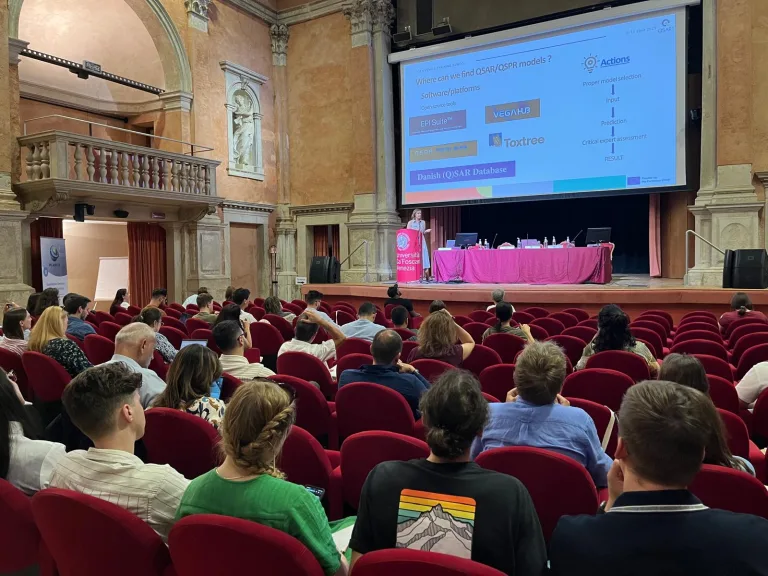
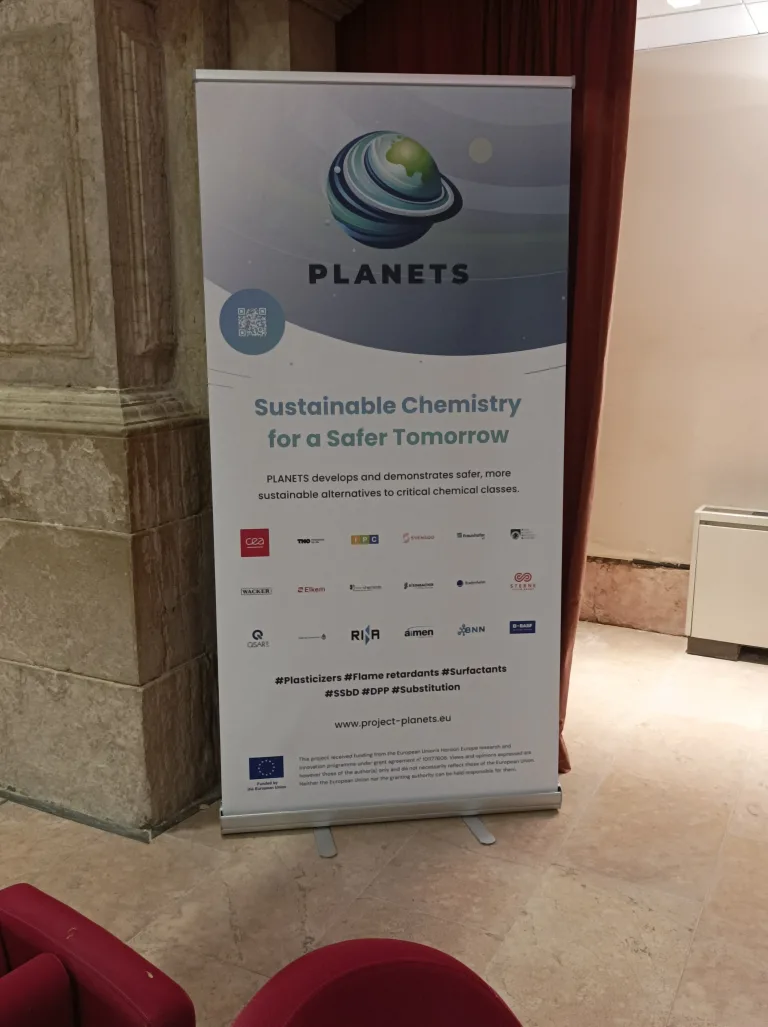
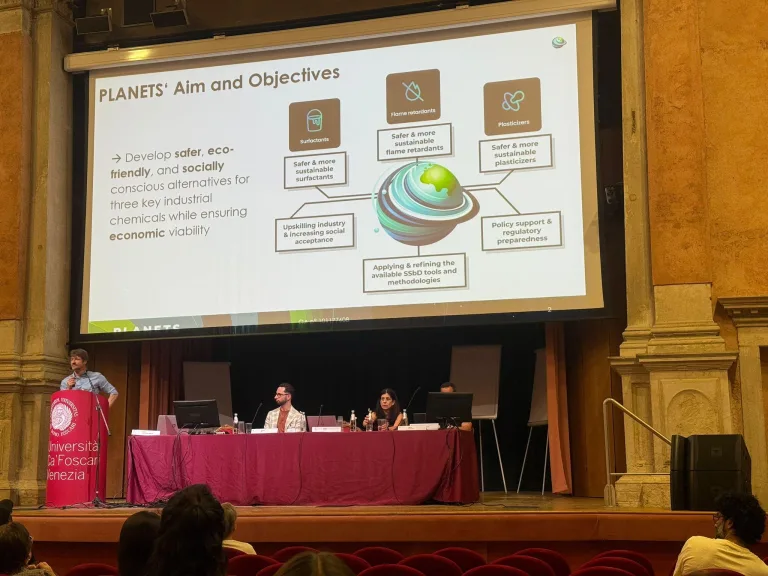
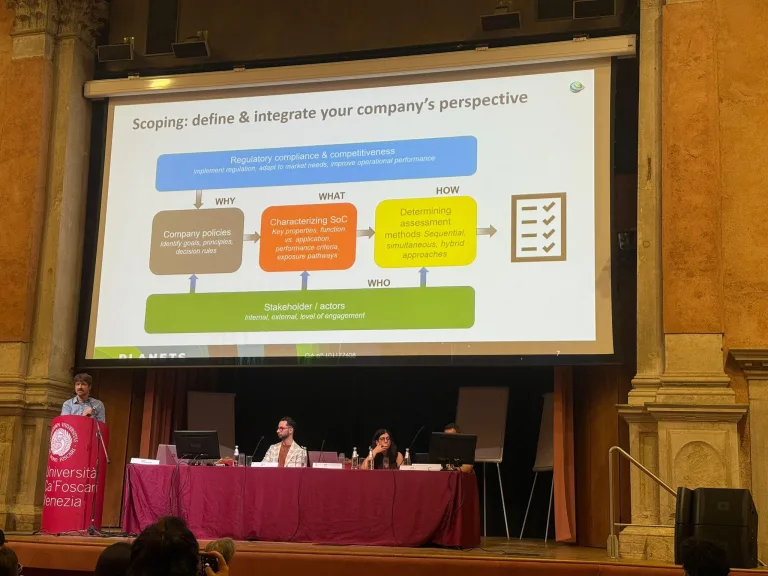
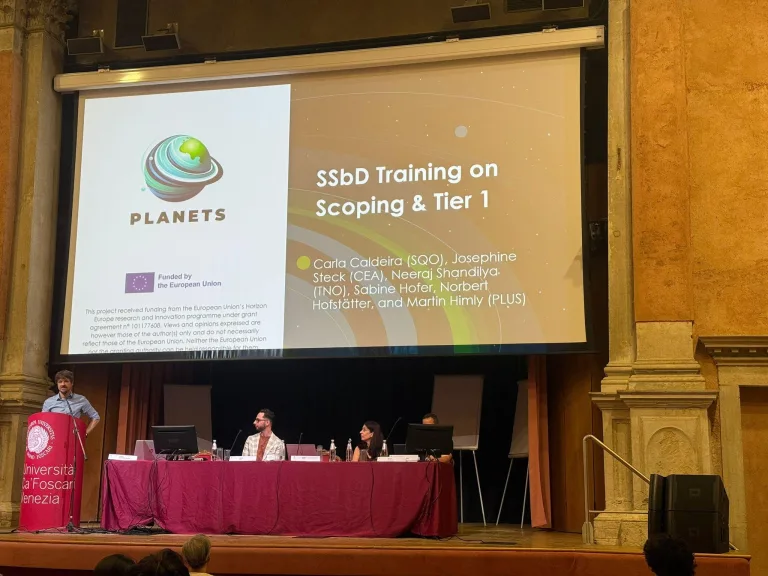
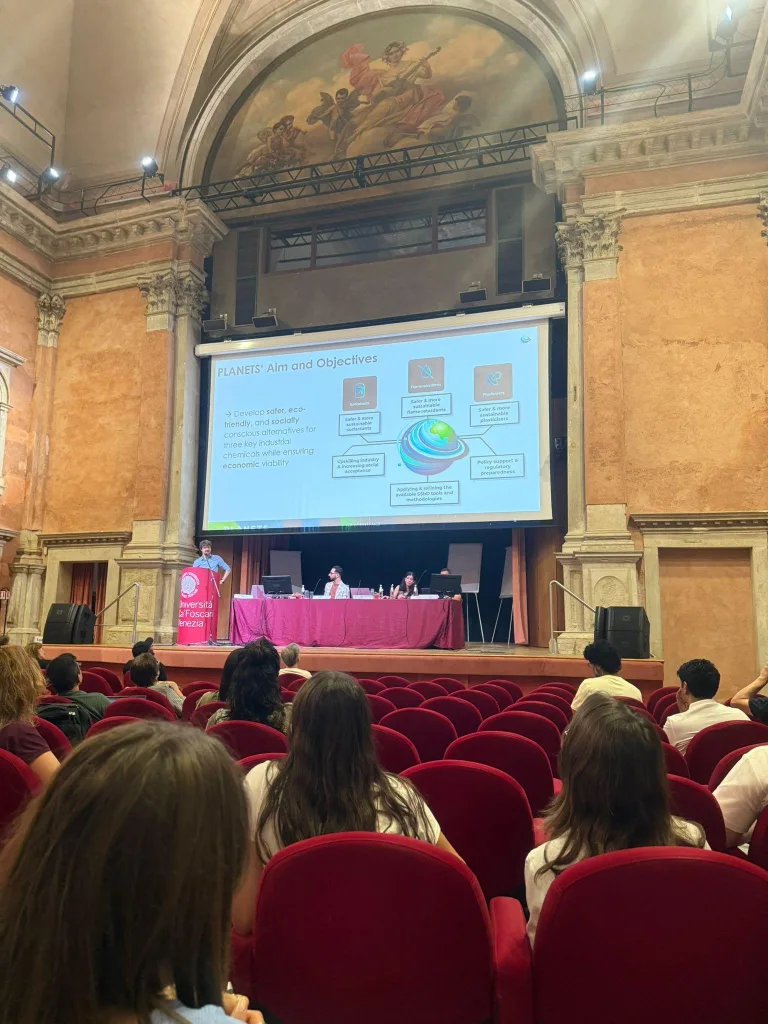
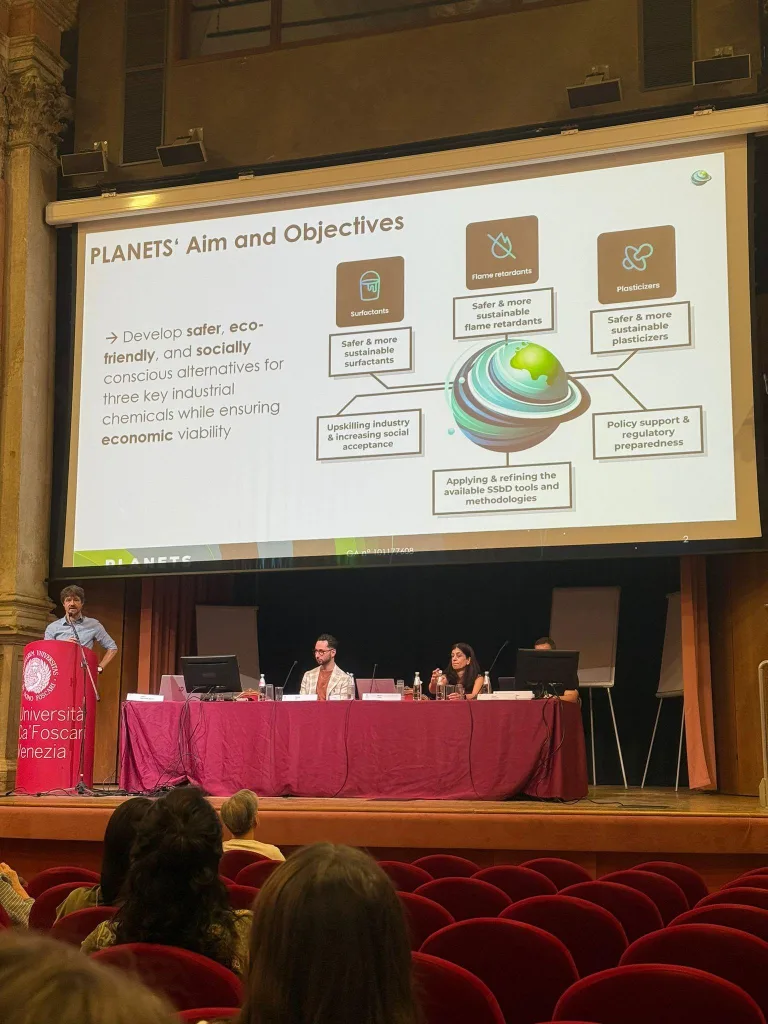
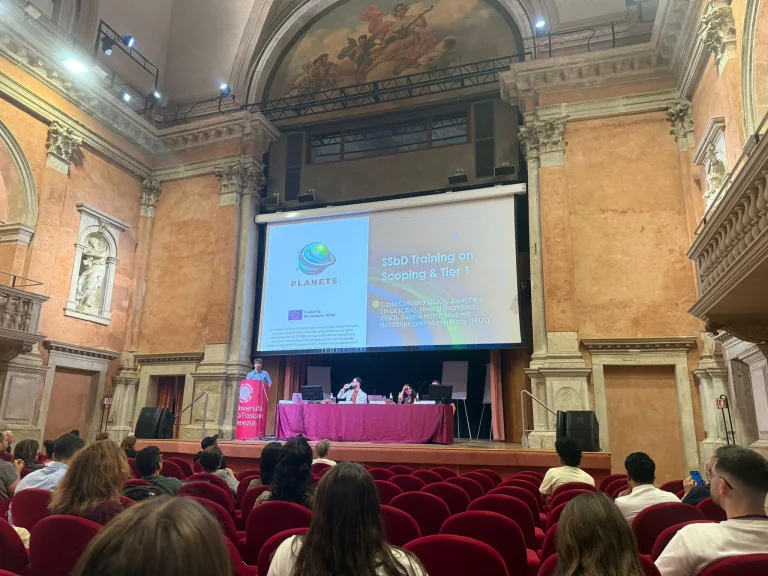
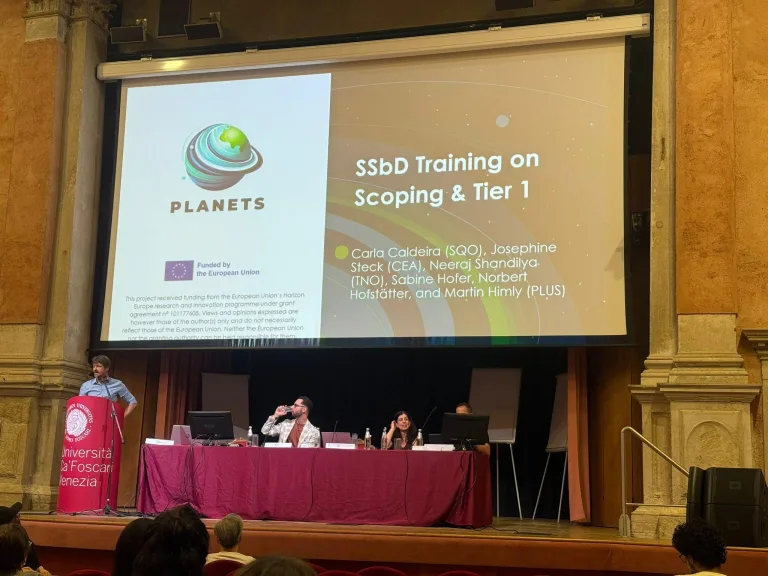
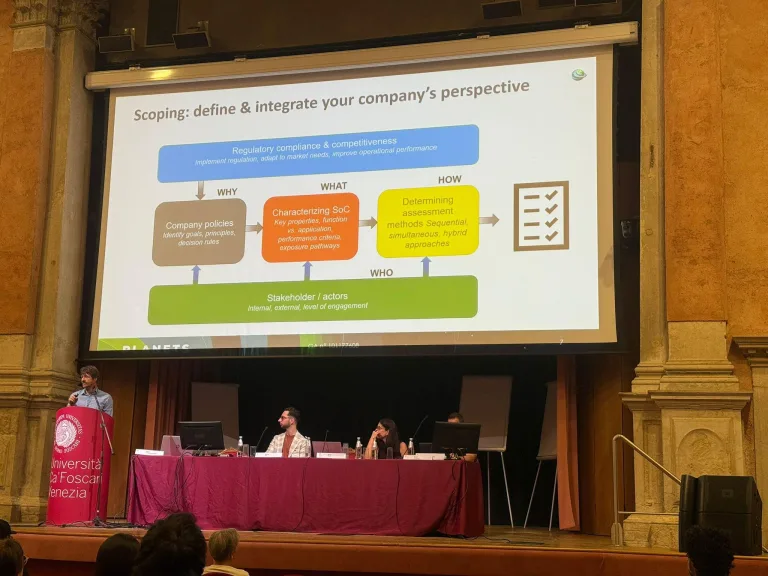
Furthermore, Martin Himly (PLUS) presented the training on scoping/Tier 1 exercise on PLANETS workflow, Anita Sosnowska and Natalia Buławska (QSAR Lab) had an oral presentation on the in silico modelling approaches, as well as a hands-on session. Additionally several partners chaired sessions and Beatriz Alfaro (BNN) prepared and moderatd the Feedback session.
 
Training materials:
  • Agenda is available here
  • Recordings are available on the NSC YouTube channel – Playlist Venice School 2025
  • Book of abstracts and all teaching materials are publicly available under a Creative Commons Attribution 4.0 International license – DOI: 10.5281/zenodo.17305646

Some highlights of the 4 days of the Training School are available here.

SchoolBag
SchoolRoom
VeniceImpressions (1)
VeniceImpressions (2)
VeniceImpressions (3)
VeniceImpressions (4)
AnitaPresentation (1)
AnitaPresentation (2)
PLANETS_Rollup
MartinPresentation (9)
MartinPresentation (8)
MartinPresentation (7)
MartinPresentation (6)
MartinPresentation (5)
MartinPresentation (4)
MartinPresentation (3)
MartinPresentation (1)
IMG_0632
IMG_0627
GroupPic
Teaching materials
  • 1
  • 2

Contact

Plasticizers, fLame–retardants and surfactANts: new alternatives validating the safE and susTainable by deSign approach 

  • info@project-planets.eu

Helpful links

Downloads
Legal Notice
Privacy Policy
EN_FundedbytheEU_RGB_WHITE Outline

This project received funding from the European Union’s Horizon Europe research and innovation programme under grant agreement n° 101177608. Views and opinions expressed are however those of the author(s) only and do not necessarily reflect those of the European Union. Neither the European Union nor the granting authority can be held responsible for them.


PLANETS is a member of NSC.

back to top