logotype
  • Project
    • About PLANETS
    • Objectives
  • Applications
    • Surfactants
    • Flame retardants
    • Plasticizers
  • Partners
  • Collaborations
  • Resources
  • News
  • Contact
Linkedin
logotype
  • Project
    • About PLANETS
    • Objectives
  • Applications
    • Surfactants
    • Flame retardants
    • Plasticizers
  • Partners
  • Collaborations
  • Resources
  • News
  • Contact
Linkedin
  • Project
    • About PLANETS
    • Objectives
  • Applications
    • Surfactants
    • Flame retardants
    • Plasticizers
  • Partners
  • Collaborations
  • Resources
  • News
  • Contact
logotype
  • Project
    • About PLANETS
    • Objectives
  • Applications
    • Surfactants
    • Flame retardants
    • Plasticizers
  • Partners
  • Collaborations
  • Resources
  • News
  • Contact
Author: support
HomesupportPage 3
ANTHOS'26_Image
Events
October 4, 2025

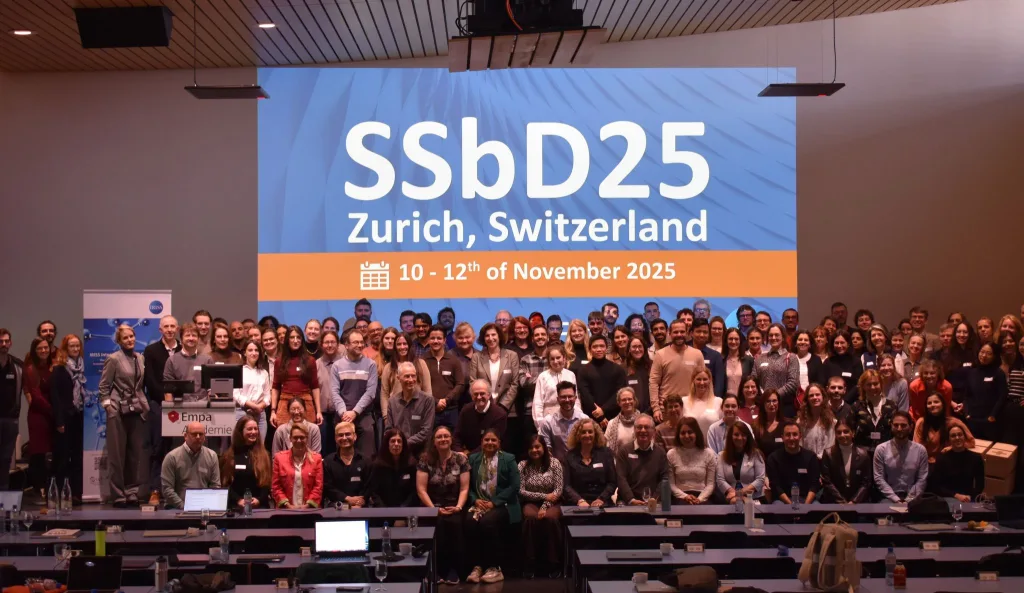
ANTHOS’26

ANTHOS’26 – Advanced (Nano)Materials and Technologies: From Needs to Solutions

 
Following on from ANTHOS’24 in March 2024, we are organising the second edition of this EU-funded-projects driven event in 2026.
 
 
Draf agenda:
  • 9th March – BNN Networking event & NSC Steering Board meeting (tbc)
  • 10th March – ANTHOS’26 day 1
  • 11th March – ANTHOS’26 day 2
 
Special thanks to all the engaged and collaborative projects co-organising this impactful event: AI-TranspWood, Alchemissts, BIOSAFIRE, CheMatSustain, InnoMatSyn, INTEGRANO, PINK, PLANETS, SSbD4CheM, SUNRISE, TOXBOX!
 
 
Save-the-date, block your calendars and stay tuned for more information soon!

Agenda and more information comming soon.

More Information
ContributingProjects_Logos3
Contributing projects
2ndNSCworkshop-AVISO
Events
September 29, 2025

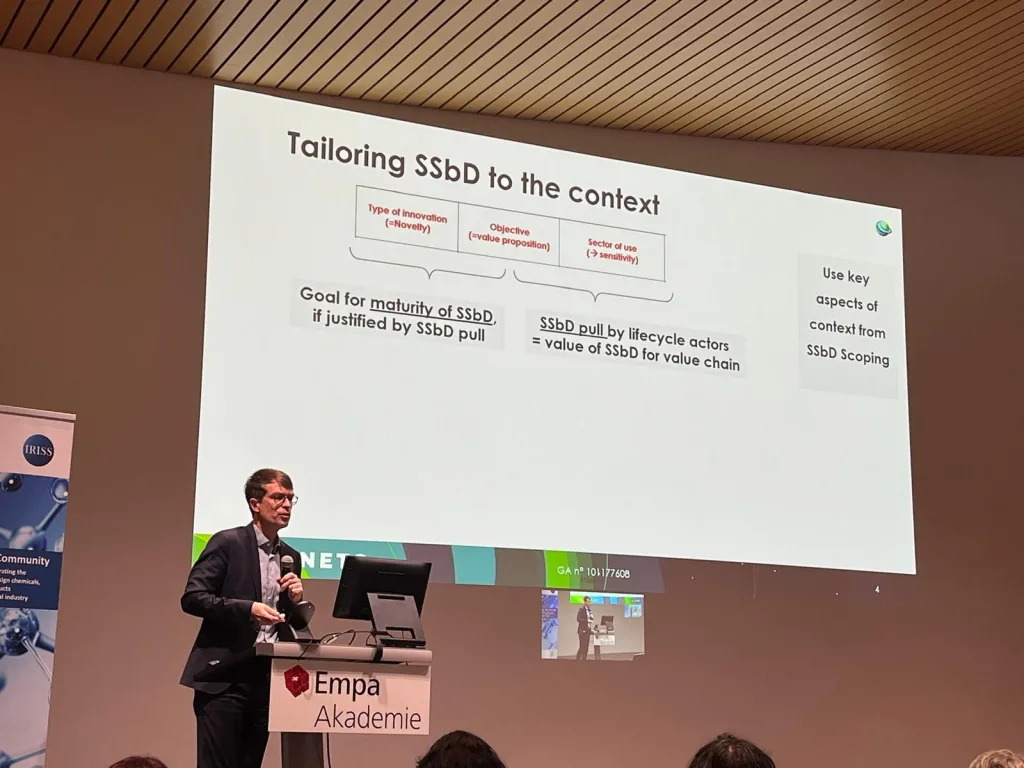
2nd NSC workshop on “SSbD scenarios”

Following up from the 1st NSC workshop on “SSbD scenarios for advanced and incremental innovations” (23 June 2025), also the 2nd NSC workshop is being prepared as collaborative effort among several EU-funded projects: DESIDERATA, PLANETS, SSbD4CheM and SUNRISE.

The 1st workshop laid the basis by the description of a scenario by aspects of novelty, exposure, severity, (environmental) sustainability, (economic) scope and immediacy. Case studies enabled a refinement of the scenario description.(Wohlleben et al. 2025).

The concept of a scenario was integrated by JRC into the revised SSbD Framework, where it serves as bridge between the SSbD scoping and a tailored safety and sustainability assessment (reproduced in lower figure). It was described as “specific and real set of conditions (scoping analysis elements) that define the context in which the SSbD assessment is carried out.”(Garmendia Aguirre et al. 2025)

In this 2nd workshop, we will explore tailoring rules. We aim that rules respect both the SSbD scoping and the economic context (business case), and propose a tailoring that improves the competitiveness of the innovator by tiered and prioritised SSbD. The cases are currently being prepared to enable joint discussion and modification of the tailoring rules in the workshop. Some cases may exemplify “archetypical SSbD scenarios” & their tailored SSbD approaches, serving as blueprint for planning of innovation projects with an appropriate SSbD work package.

Organizers: Wendel Wohlleben (BASF), Carla Caldeira (Syensqo), Martin Himly (PLUS), Lya Soeteman-Hernández (RIVM), Danail Hristozov (GD), Beatriz Alfaro (BNN).

Register now
More Information
Graphic_2ndNSCworkshop
Draft Agenda

Agenda comming soon.

References:

Garmendia Aguirre, I., E. Abbate, G. Bracalente, L. Mancini, G. Cappucci, D. Tosches, K. Rasmussen, B. Sokull-Klüttgen, H. Rauscher and S. Sala (2025). “Safe and Sustainable by Design Chemicals and Materials. Revised framework”. Draft for consultation, can be accessed here.

Wohlleben, W., C. Caldeira, M. Himly, L. G. Soeteman-Hernández, D. Hristozov and B. Serrano Alfaro (2025). Materials of the NSC workshop on “SSbD scenarios for advanced and incremental innovations” on 23 June 2025. Zenodo. DOI: 10.5281/zenodo.15756156.

GroupPic
News
September 19, 2025

Recap of Polymer Additives Academy 2025

On 5 September 2025, the Polymer Additives Academy 2025 hosted its second (of four) session at the NHOW Hotel in Milan (Italy), bringing together more than 120 participants (80 on-site and 45 online). Organized by the PLANETS partner Greenchemicals, the event served as a platform for dialogue between industry experts, researchers, technicians, and university students, focusing on the latest advances in polymer additives and sustainability.

This second session was focused on styrenics polymers, concretely on insulating foams. The program day’s agenda covered a broad spectrum of topics, from the evolution of XPS foams and low-halogen flame retardants to Safe-and-Sustainable-by-Design (SSbD) approaches, recycling strategies, and CAM criteria (Minimum Environmental Criteria (CAM – Criteri Ambientali Minimi)). Contributions from academia, industry, and institutions highlighted both regulatory developments and technological solutions driving innovation in the sector.

Of course, PLANETS could not miss it and many partners attended the event: Carl-Christoph Höhne, Benedikt Bitzer (Fraunhofer ICT), Joséphine Steck, Marie Carriere, Nienke Ruijter (CEA), Laura Magnasco, Martina Riccio (RINA), Tobias Moss, Roberto Chinchilla Pardos (Budenheim), Wendel Wohlleben, Ayse Ay (BASF), Martin Himly, Sabine Hofer, Norbert Hofstätter (PLUS), Vanessa Alvear (AIMEN), Herbert Scharnagl, Leonhard Ritter (Steinbacher Dämmstoff GmbH), Thomas Hennequin (TNO), Poornima Nagesh (Radboud University), Anita Sosnowska, Szymon Zdybel (QSAR Lab), as well as the hosts of the event, Micaela Lorenzi, Sabrina Zambotti, Valentina Pelliccioli, Barbara Chinello, Sofia Luise, Davide Lecchi, Doris Lemi (Greenchemicals).

A highlight of the event was the oral presentation by Carl Christoph Höhne (Fraunhofer ICT) and Thomas Hennequin (TNO) entitled “Safe-and-Sustainable-by-Design (SSbD) Flame Retardants for Insulation Foams – the EU PLANETS Project Approach”, which provided valuable insights into how SSbD principles can be applied to flame retardants in styrenic insulation materials.

Both presentations are available in the PLANETS Community in Zenodo under DOI: 10.24406/publica-5377.

The strong interest confirmed the event’s success in reaching a highly relevant audience and showcasing collaborative European efforts in advancing sustainability in polymer additives.

Additionally, a hybrid meeting of the flame retardants case study of PLANETS was also organised, to discuss the status and next steps in the project.


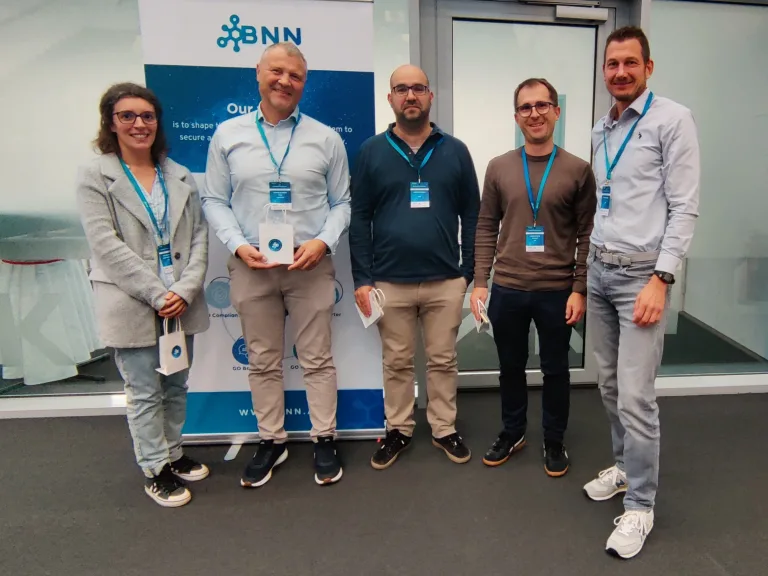
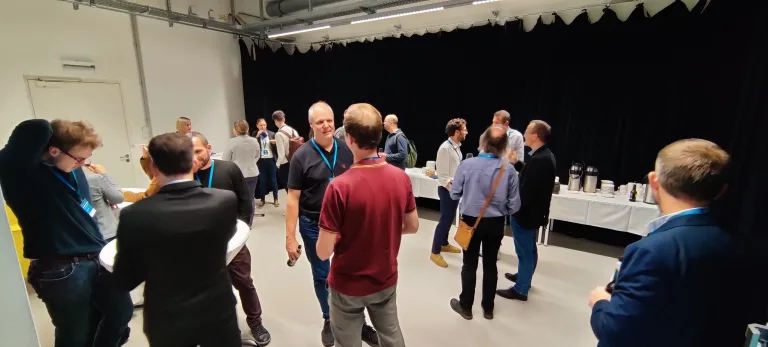
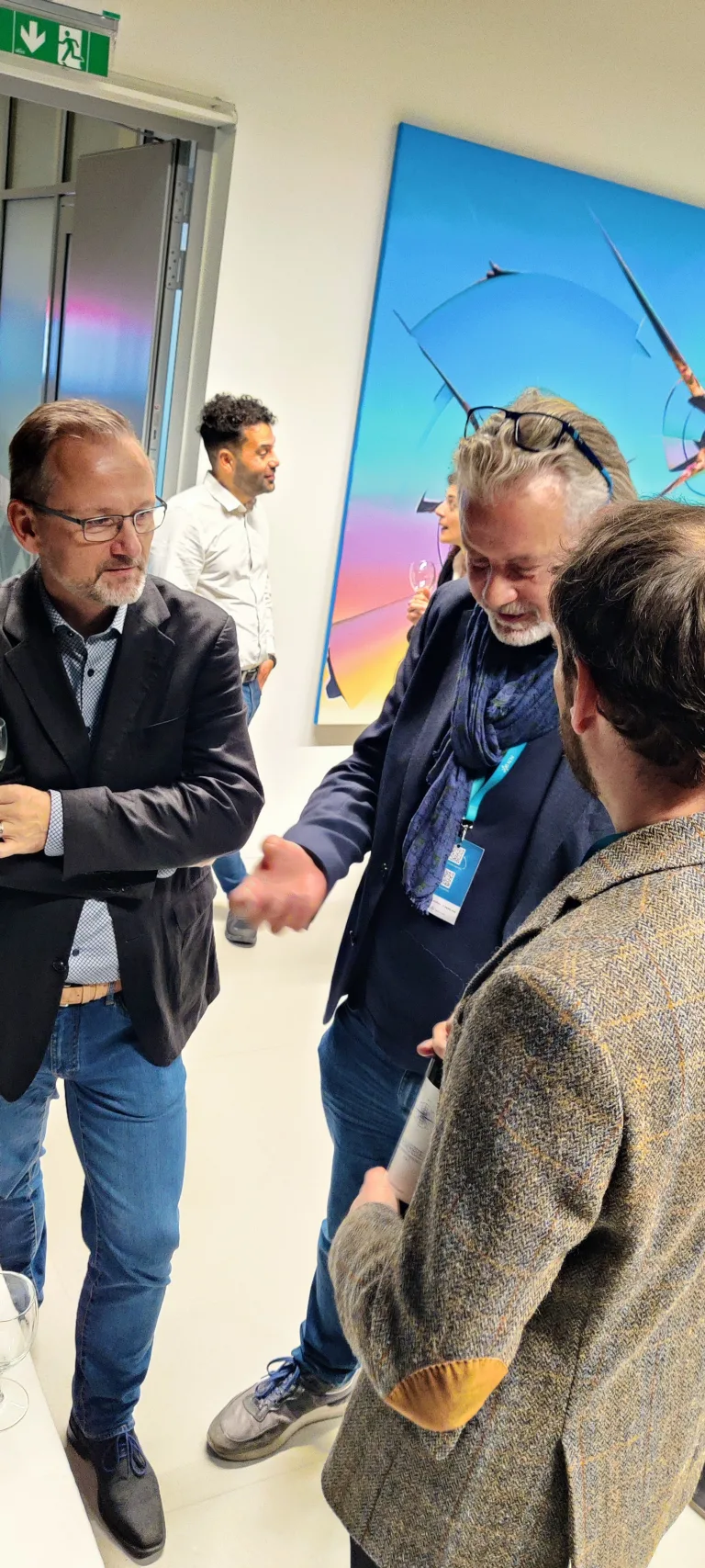
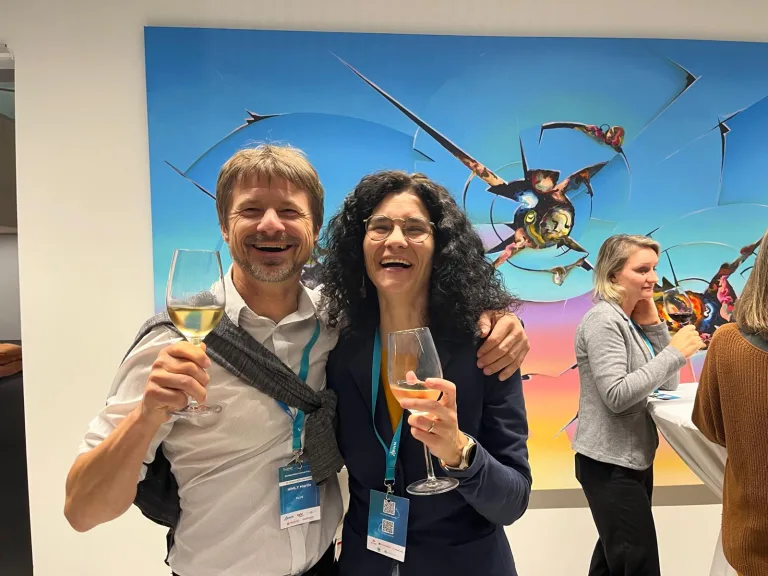
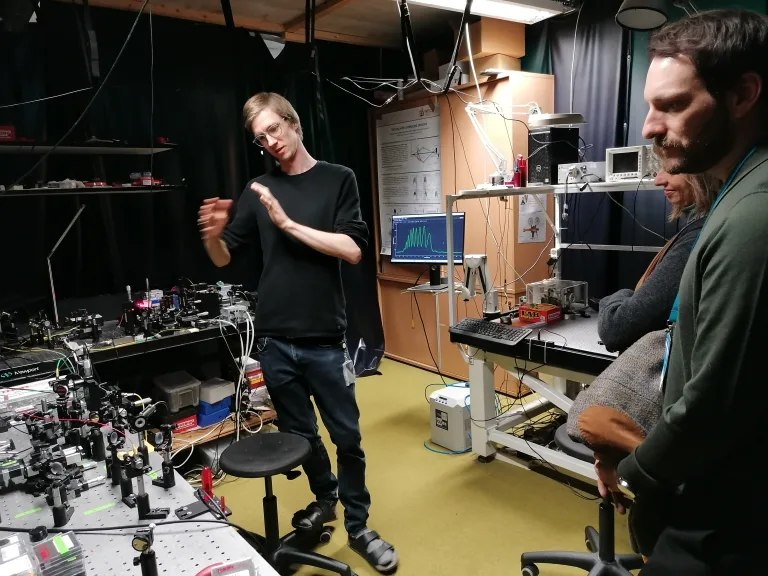
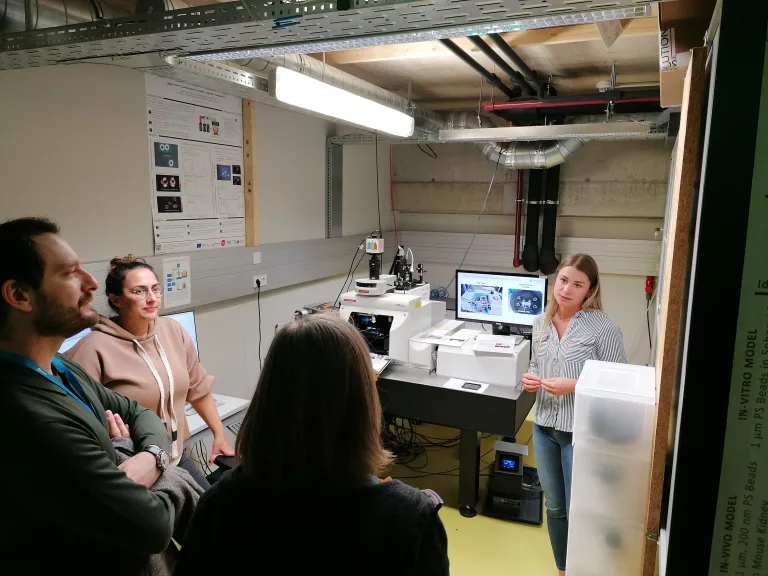
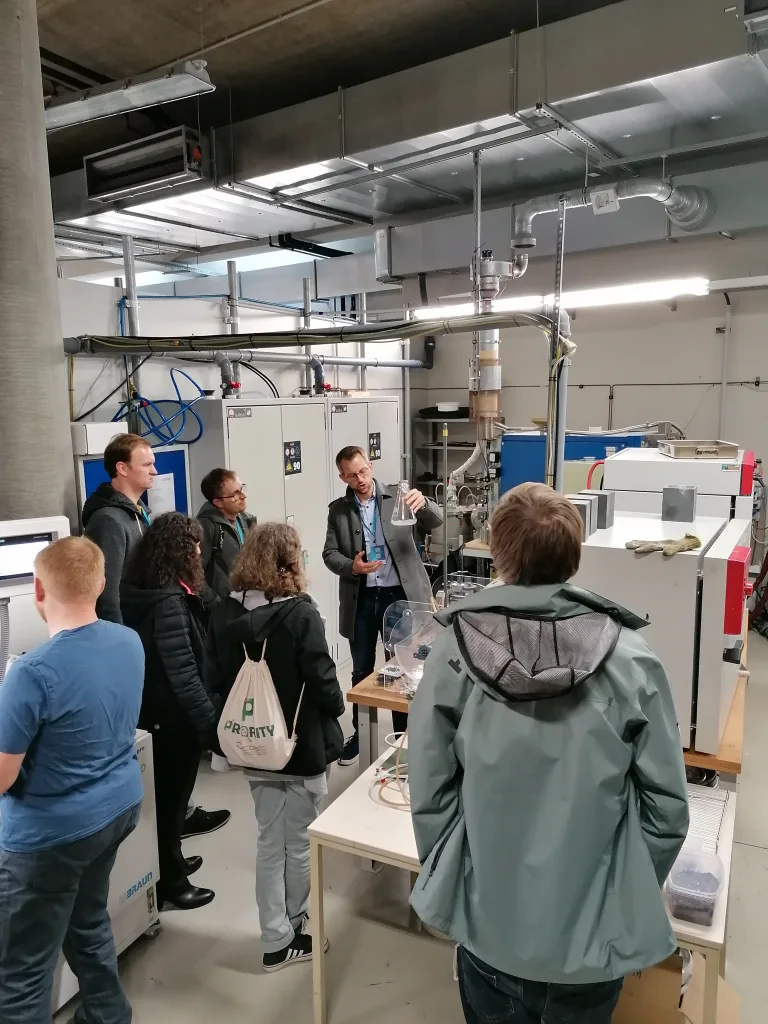
Some impressions of the Polymers Academy and the internal meeting:


PLANETS4thSSbDtraining-FAIRdata-DPP
News
September 2, 2025

PLANETS 4th SSbD Training on FAIR data & models and DPP (19.05.2025, online)

On 19 May 2025, PLANETS consortium organised an internal training on (1) FAR data & models, and (2) Digital Product Passport (DPP).

Aim and key topics of the training

FAIR data and models: The workshop provided a comprehensive overview of the FAIR data principles—Findable, Accessible, Interoperable, and Reusable—and their application in research data management. It aimed to raise awareness, provide assessment tools, and offer practical guidance for enhancing data FAIRness in research workflows.

  • Introduction to FAIR Principles: Participants were introduced to the concept of FAIR, including what the acronym stands for and why these principles are important in data sharing and reuse. The distinction between FAIR data and Open Data was also clarified.
  • Assessing FAIRness, exploring common challenges associated with non-FAIR data and introduced tools such as FAIR-Aware and the FAIR Evaluation Services to help participants assess the FAIRness of their own datasets. Real-life examples from other projects (FIPs – FAIR Implementation Profiles) were used to illustrate how organizations are implementing FAIR principles in practice.
  • FAIR in Practice, with practical implementation strategies, covering essential elements such as metadata standards, persistent identifiers, licensing and access considerations, controlled vocabularies, trusted data repositories, and approaches to improving metadata quality.
  • Internal discussion on FAIR Data and the PLANETS Project, which included a proposed data workflow tailored for the PLANETS project.

Digital Product Passport (DPP): This workshop gave an overview of the DPP concept, its relevance in supporting sustainable and circular product systems, gave policy context, and practical implications for stakeholders across the product lifecycle, preparing participants to understand and deal with upcoming regulatory and data management requirements. Key topics covered:

  • Introduction to DPP, with a definition of the Digital Product Passport, and explanation of its role in enabling better product information exchange to support sustainability, compliance, and circular economy goals, including historical and policy background of the DPP and major milestones in its development. The discussion highlighted how the DPP emerged from broader EU policy efforts.
  • Policy Context: DPP within the framework of key European Union initiatives EU Green Deal (aiming for climate neutrality), CEAP (Circular Economy Action Plan, promoting sustainable product lifecycles), and ESPR (Ecodesign for Sustainable Products Regulation, which provides the legal basis for DPP implementation).
  • DPP Objectives (transparency, circularity, and traceability) and identified key stakeholders involved, including manufacturers, regulators, consumers, recyclers, and others throughout the product value chain.
  • Product groups covered by DPP as well as prioritization criteria.
  • Data requirements for DPP (such as material composition, carbon footprint, and regulatory compliance information) as well as challenges in data collection and management.
  • Practical examples of DPPs in use or in development, to help participants visualize how these passports might be applied in different sectors.
Highlights of the workshop

The session was moderated by Martin Himly (PLUS), who leads the training work package within PLANETS. He introduced the session, outlining the objectives and structure of the training.

Vanessa Alvear (AIMEN) lead the FAIR data training, supported by Benjamin Punz (PLUS). Anita Sosnowska (QSAR Lab) explained the role of QSAR in respect to FAIR and Carla Caldeira (SYENSQO) commented on data sharing versus confidentiality. The DPP training started with an interactive questionnaire (prepared by Beatriz Alfaro and Matiss Reinfelds (BNN) to get the first impressions from the participants about their concerns, potentials and limitations of DPP. The DPP training was led by Asif Mohammen (AIMEN).

 
Training Materials

Building on the insights from this internal training, PLANETS has developed external training materials as an introduction to FAIR data & models and Digital Product Passport (DPP). These materials include:

  • Presentation slides of the FAIR data & models training
  • Presentation slides of the DPP training
  • Recording of the FAIR data & models training  [YouTube video]
  • Recording of the DPP training [YouTube video]

All training materials are available in the PLANETS community on Zenodo under the Creative Commons Attribution 4.0 International licence, allowing for redistribution and reuse with proper credit to the creators. You can access them here.

Additionally, all recorded sessions can be viewed on the PLANETS YouTube channel.

Training materials
Watch Recording FAIR data & models
Watch Recording DPP
PLANETS3rdSSbDtraining-QSAR
News
September 2, 2025

PLANETS 3rd SSbD Training on Tier 2 Assessment-QSAR (08.04.2025, Gdansk, PL, & online)

On 8 April 2025 and aligned with the M6 General Assembly of the project in Gdansk (Poland), PLANETS organized a hybrid internal training for all project partners on SSbD assessment.

The aim of this workshop was the harmonisation of understanding for entire consortium, focusing on intermediate and full assessment (Tier 2-3), including hazard identification, QSAR modelling, and toxicity prediction. Participants explored existing tools for predicting physicochemical properties and biological activities of chemical substances, key elements in the Safe-and-Sustainable-by-Design (SSbD) approach.

Highlights of the workshop

The session started with a brief overview of Martin Himly (PLUS), who leads the training work package within PLANETS, about the previous internal SSbD trainings. He introduced the session, outlining the objectives and structure of the training. Thomas Hennequin (TNO) and Ayse Ay (BASF) continued with a summary of ideas for the collection of harmonised data. Afterwards, Anita Sosnowska (QSAR Lab) gave an overview on QSAR and Szymon Zdybel (QSAR Lab) performed a hands-on exercise on QSAR with all participants.

Training Materials

Building on the insights from this internal training, PLANETS has developed external training materials for conducting a SSbD Tier 2 assessment by QSAR modeling. These materials include:

  • A QSAR step-by-step guide, the presentation slides, and four VEGA reports to conduct a practical exercise. Materials available here.
  • Recording of the workshop [YouTube]


All training materials are available in the PLANETS community on Zenodo under the Creative Commons Attribution 4.0 International licence, allowing for redistribution and reuse with proper credit to the creators. You can access them here.

Additionally, all recorded sessions can be viewed on the PLANETS YouTube channel.

Training materials
Watch Recordings
SSbDworkshop-Highschool
News
July 4, 2025

Bringing SSbD closer to the next generation: SSbD workshop for high-school students

On 16 June 2025, Andreas Falk from BNN had the great pleasure of leading a workshop on Safe-and-Sustainable-by-Design (SSbD) for high school students at HTBLA Kaindorf in Austria.

After setting the stage about the three pillars of sustainability, the three dimensions of SSbD, its indicators and 5 steps, as a real-life SSbD implementation example Andreas introduced the case studies of the PLANETS project, which is developing safer and more sustainable alternatives for chemicals with surfactant, flame retardant or plasticising functionalities. All three of these chemical classes have a large chemical-market share, highlighting the importance of research and EU-funded projects for improving chemicals that affect our daily lives.

Many teenagers in the audience will be the engineers and scientists of tomorrow, future professionals who will play a big role for reaching the EU’s aim to become climate-neutral by 2050. With this in mind, the engagement of workshop’s participants in performing a practical exercise of Tier 1 SSbD assessment of an everyday consumer product assured us that, if we invest in educating our young people, we can shape the health of people and planet in the future!

PLANETS_INTOXICOM-4
News
July 1, 2025

PLANETS co organises 4th INTOXICOM Workshop on FAIR Toxicology Education

On 24–25 June 2025, the PLANETS project (in specific Martin Himly from PLUS – Task 8.2) co‑organised the 4th INTOXICOM workshop at the University of Birmingham (UK), in collaboration with projects such as PARC and initiatives including ELIXIR‑TeSS. Held under the title “Making Toxicology Educational Resources more FAIR”, the workshop brought together a broad community of experts to advance the FAIRification (Findable, Accessible, Interoperable and Reusable) of toxicology education and training.

ELIXIR_INTOXICOM

On 24–25 June 2025, the PLANETS project (in specific Martin Himly from PLUS – Task 8.2) co‑organised the 4th INTOXICOM workshop at the University of Birmingham (UK), in collaboration with projects such as PARC and initiatives including ELIXIR‑TeSS. Held under the title “Making Toxicology Educational Resources more FAIR”, the workshop brought together a broad community of experts to advance the FAIRification (Findable, Accessible, Interoperable and Reusable) of toxicology education and training.

The workshop focused on establishing FAIRified learning paths, defined as structured curricula for continuous professional development (CPD), to support cross‑education among experts across the different domains of Safe and Sustainable by Design (SSbD). These learning paths are intended for integration into ELIXIR‑TeSS, the European training platform for toxicology and sustainable innovation, thereby strengthening access to high‑quality, interoperable educational resources across Europe.

This initiative represents a community‑wide call to action to enable broad and inclusive SSbD upskilling. By fostering the development of shared curricula aligned with real innovation needs, the workshop directly supports SSbD‑guided development activities in the PLANETS case studies (surfactants, flame retardants, and plasticizers). Through this collaborative effort, PLANETS and its partners contribute to building a sustainable, FAIR‑enabled training ecosystem that underpins safer chemicals and advanced materials innovation.

PLANETS_INTOXICOM-4
Organising team onsite
StartSlide4
News
June 30, 2025

Recap of the NSC workshop on “SSbD scenarios for advanced and incremental innovations” on 23 June 2025

On 23 June 2025, the NSC Working Group on Safe and Sustainable by Design (SSbD), Innovation & Regulation organised an online workshop on “SSbD scenarios for advanced and incremental innovations” as a collaboration effort among several EU-funded projects: AlChemiSSts, DESIDERATA, PLANETS and SUNRISE. 

Not all innovation scenarios in SMEs and industry are the same. Current JRC SSbD guidance and also the Portfolio Sustainability Assessment (PSA) / Cefic concepts leave room for tailoring the SSbD approach within a tiered framework. Scenarios support the tailoring, such that SSbD is not just another burden, but increases overall competitiveness. 

But how should a SSbD scenario be described? This was exactly the aim of this first workshop.  

The workshop tested aspects that described a scenario by knowledge that is available at early innovation stages withreal-world cases kindly provided by innovators from the projects AlChemiSSts, DESIDERATA, PLANETS and SUNRISE. Shortlisted aspects included the professional environment (start-up, SME or industry), the sector of application (B2B vs B2C), the innovative height (incremental or advanced), R&D project budget, and other aspects that would be known to the innovator before starting any lab work.

Agenda of the NSC workshop on SSbD scenarios on 23 June 2025

Danail Hristozov (Green Decision, and chair of the NSC WG on SSbD) opened the workshop and welcomed the more than 60 international participants from academia (56%), large industry (19%), SME (8%), consultants (11%), regulators (3%) and EU institutions (3%). Irantzu Garmendia Aguirre (European Commission Joint Research Center (JRC)), gave JRC’s point of view in her talk on the Safe and Sustainable by Design (SSbD) Framework: Scenario building with the scoping analysis, where projects with different starting points and different development routes “climb to the summit of SSbD-lead innovation”.

ParticipantsStakeholders
Overview of the participants’ stakeholder groups

Wendel Wohlleben (BASF, and co-chair of the NSC WG on SSbD) presented the concept of the SSbD scenarios, setting the basis for the rest of the workshop, which continued with an introduction by Lya Soeteman-Hernández (RIVM, and co-chair of the NSC WG on SSbD) of the Case Studies break-out groups joined by the participants, where the methodology used in the different case studies was explained and discussed: 

  • AlChemiSSts case study: Cauchos Ruiz Alejos (represented by Mónica Martínez, from AVANZARE), on firefighter soles using safe alternatives to hazardous flame retardant additives 
  • DESIDERATA case study: Anastasia Moschovi, from MONOLITHOS, on geopolymers originating from mining waste as replacement of Aluminum in construction 
  • PLANETS case study: Stefan Haid, from WACKER, on binders for paint (where the surfactant used during synthesis chemical needs to be tailored to avoid byproducts) 
  • SUNRISE case study: Laurentia Technologies (represented by María Rivero García, from ITENE) on post-harvest fruit treatment based on safer microencapsulated oil 

After a short break, Martin Himly (PLUS, and chair of the NSC WG on Training) moderated the joint reporting session of the different breakouts, where feedback was collected for redefining the questions. 

The workshop concluded with Wendel Wohlleben and Carla Caldeira (SYENSQO) summarising the feedback collected and setting the next actions on: 

  • how to use the scenario described by information from SSbD scoping and from the business case collected in the workshop for better tailoring the SSbD assessment; 
  • the need of further work in the clarity of some of the questions used to describe a scenario, based on feedback during the workshop; 
  • the need of involving industrial organisations (beyond those involved in EU-funded projects) in testing the SSbD tailoring via SSbD scenarios; 
  • the need of developing incentives for making industry implement SSbD in their processes; 


Two main activities are planned as follow-ups of this workshop: A second workshop, in Autumn 2025, distilling “archetypical SSbD scenarios” & their tailored SSbD approaches, and finally, a joint NSC publication on the demonstration by case studies by the involved projects, their SME innovators, industry innovators and SSbD experts. 

Workshop materials:

Workshop materials are publicly available in Zenodo, under DOI: 10.5281/zenodo.15756155.

The recording of the workshop is available in the NSC YouTube channel.

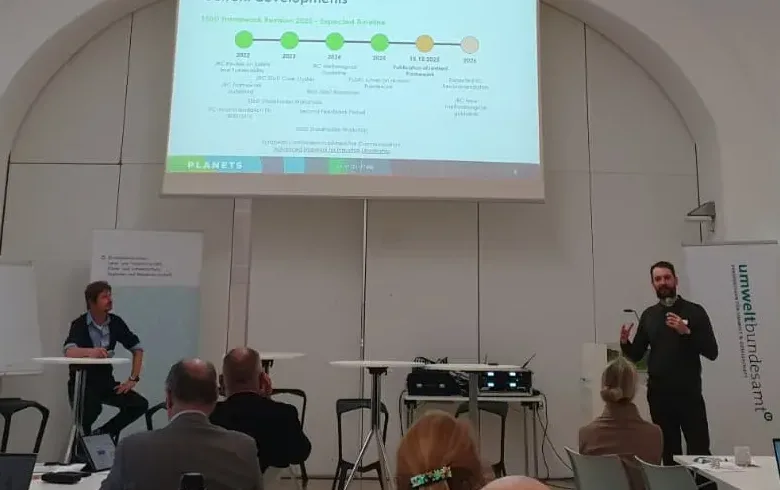
Some impressions of the workshop:
EUIndTech2025-8
News
June 27, 2025

PLANETS @ EUIndTech2025

EUIndTech2025 is the new EU flagship event, in which the two cyclical events, “Conference on Industrial Technologies” and “EuroNanoForum” are merged. This year it was done during the Polish presidency of the EU Council in Krakow, Poland. The EUIndTech2025 brought together more than 800 stakeholders from academia, research organizations, industry, NGOs and policymakers to discuss the state-of-the-art technologies, challenges and trends. 

BNN’s CEO Andreas Falk in his role as part of NSC’s coordination team and as partner in PLANETS, organised a NSC Session, having Prof. Martin Himly (PLUS) (chair of the NSC Working Group on Education and partner in PLANETS) as moderator and Prof. Eva Valsami-Jones (UoB) (member of NSC’s Coordination Team) as speakers in key roles of the session. Together with other members of the NSC and further stakeholders they were on stage at EUIndTech25 for the NSC-session entitled “Designing Safe and Sustainable Materials and Chemicals – SSbD Implementation and Digitalization” on June 2nd, 2025. 

The NSC session addressed the importance of integrated approaches, data-related expectations, advantages and challenges for ultimately balancing ecological, societal, and economic goals for a more sustainable future. The session was moderated by Martin Himly with oral presentations given by Eugenia Valsami-Jones, Andreas Künkel (BASF) and Garbine Guiu Etxeberria (EC, DG RTD). For the panel discussion the speakers were joined by Andreas Falk, Daniel Hubert (VisterNova), Peter Klein (FhG) and Mary B. Walsh (Honeywell).  

As a follow-up of the discussions during the session, the panellists formulated 3 paragraphs as output of the session, which will be part of the Malopolska Declaration. 

Output of the NSC session feeding into the Malopolska Declaration:  

Safe-and-Sustainable-by-Design (SSbD)-guided innovation of materials and chemicals represents an essential requirement for any future product entering the European market, enabling integration of functional performance, safety and sustainability. Efforts need to be taken to facilitate science-led harmonization of environmental, economic, and societal requirements at early innovation stages. Such well-balanced approaches require a multidisciplinary collaboration further supported by tailored funding, interconnected on regional, national and international level to gain synergies of public investment. 

Interoperable digitally enabled workflows covering entire value chains serving various sectors are needed. Performance indicators are required to be included in SSbD digitalization to foster and speed-up the uptake of innovative advanced materials in industrial production. Efforts need to be taken to improve data quality and metadata completeness to increase the reliability of predictions and generate greater acceptance and trust. 

Upon SSbD implementation, focus shall be on solution-oriented approaches that need to include communication between all stakeholders. Market-focused incentives for SSbD implementation need to be established within the EU to generate employment and economic growth as part of the green deal in Europe and later globally. 


NSC members highlighted during the NSC session the work done within the NSC projects, PLANETS among others, to a very engaged audience in Krakow.

PLANETS @ EUIndTech2025
PLANETS was included in the latest BNN QUARTERLY 02/2025
News
June 20, 2025

PLANETS featured in BNN QUARTERLY (June 2025)

PLANETS was included in the latest BNN QUARTERLY 02/2025 entitled “Digital Transition for Innovative Technologies” with four articles:

  • Pint of Science brings Technology to the Pub
  • BNN and Members Active at SETAC European Congress
  • PLANETS Strategy for Implementation of SSbD in the Industry journey (page 51)
  • PLANETS Publishes Training Materials on SSbD scoping and Tier 1 Assessments (page 53)

The issue also advertised the upcoming NSC/PLANETS workshop on SSbD scenarios for advanced materials!

Read here
Subscribe to QUARTELY
  • 1
  • 2
  • 3
  • 4

Contact

Plasticizers, fLame–retardants and surfactANts: new alternatives validating the safE and susTainable by deSign approach 

  • info@project-planets.eu

Helpful links

Downloads
Legal Notice
Privacy Policy
EN_FundedbytheEU_RGB_WHITE Outline

This project received funding from the European Union’s Horizon Europe research and innovation programme under grant agreement n° 101177608. Views and opinions expressed are however those of the author(s) only and do not necessarily reflect those of the European Union. Neither the European Union nor the granting authority can be held responsible for them.


PLANETS is a member of NSC.

back to top