logotype
  • Project
    • About PLANETS
    • Objectives
  • Applications
    • Surfactants
    • Flame retardants
    • Plasticizers
  • Partners
  • Collaborations
  • Resources
  • News
  • Contact
Linkedin
logotype
  • Project
    • About PLANETS
    • Objectives
  • Applications
    • Surfactants
    • Flame retardants
    • Plasticizers
  • Partners
  • Collaborations
  • Resources
  • News
  • Contact
Linkedin
  • Project
    • About PLANETS
    • Objectives
  • Applications
    • Surfactants
    • Flame retardants
    • Plasticizers
  • Partners
  • Collaborations
  • Resources
  • News
  • Contact
logotype
  • Project
    • About PLANETS
    • Objectives
  • Applications
    • Surfactants
    • Flame retardants
    • Plasticizers
  • Partners
  • Collaborations
  • Resources
  • News
  • Contact
Author: support
HomeArticles Posted by support
GroupPic_Indoors_Handsup_cut
News
April 24, 2026

PLANETS M18 General Assembly @ IPC (21-23.04.2026, Oyonnax)

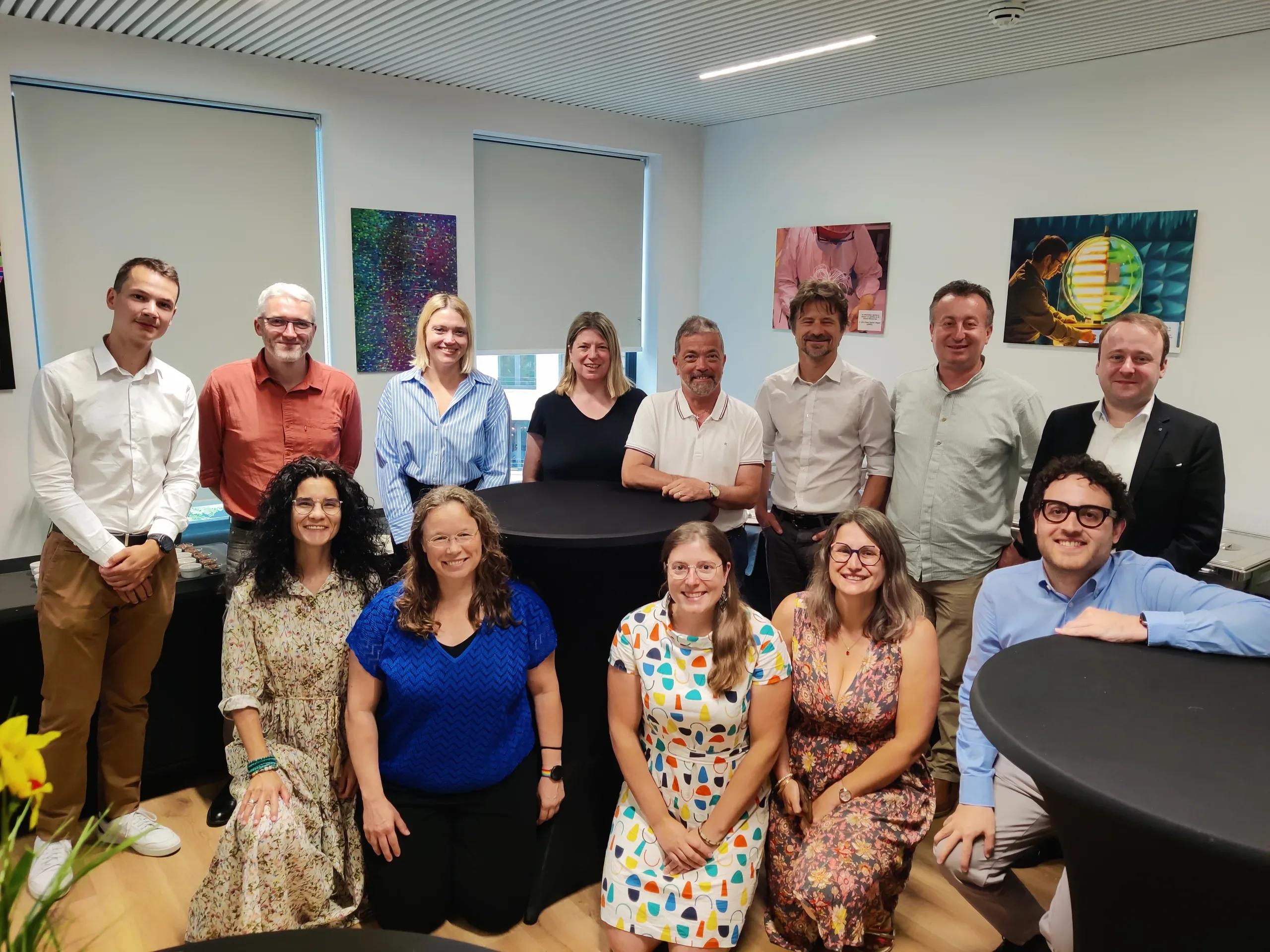
The PLANETS consortium gathered in Oyonnax from 21–23 April 2026 for its M18 General Assembly, hosted at the facilities of IPC. The meeting marked an important milestone for the project, bringing partners together to review progress achieved over recent months and align on the next phases of work. Additionally, we aligned for our first review meeting that will take place in July 2026. Additionally we had dedicated sessions for:

  • Each one of the three case studies (surfactants flame retardants, and plasticizers)
  • SSbD and decision support, 
  • Education, communication & Co. to jointly brainstorm about how to guise industires to incorporate SSbD assessment and implementation into their processes, and
  • Exploitation, including IP and KERs.

Located in what is widely known as the “plastics valley”, the Oyonnax region is home to a dense network of companies spanning the entire plastics value chain—from raw materials to advanced processing and recycling. This unique industrial ecosystem provided an ideal backdrop for discussions on innovation and sustainability within the sector.

A key highlight of the General Assembly was the opportunity to explore IPC’s facilities. Partners gained first-hand insight into cutting-edge developments in areas such as 3D printing, lab-on-chip technologies, recycling processes, and the decontamination of recycled plastic materials—core topics closely aligned with the PLANETS developments.

Beyond the technical sessions, the event also fostered strong collaboration and team spirit. The IPC team (special thanks to Raphaël, Loelia, and Catherine) extended a warm welcome to all participants, and showed the rest of the Consortium the best of the region’s culture and cuisine. Among the memorable moments was a “walking speed meeting” around Lake Nantua, offering a refreshing and informal setting for exchange and networking.

Overall, the General Assembly in Oyonnax proved to be both productive and inspiring, reinforcing collaboration among partners and setting a clear path forward for the months ahead.

Impressions of the meeting:

Visit to IPC facilities:

Culinary highlights and networking:

Lake Nantua during our speed walking meeting:

MCDAtraining_Cover
News
April 20, 2026

PLANETS SSbD Training on Multi-Criteria Decision Analysis (MCDA) (17.04.2026, online)

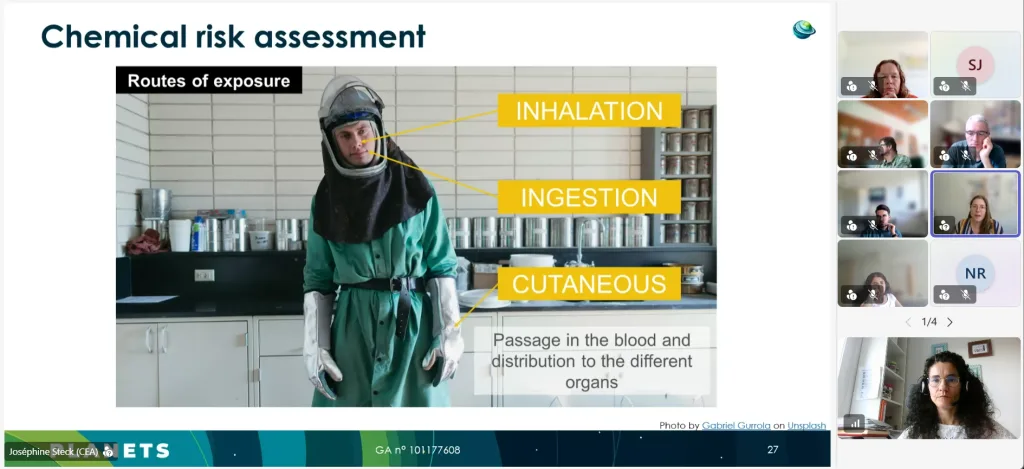
On 17 April 2026, the PLANETS consortium organised a virtual internal training session on Multi-Criteria Decision Analysis (MCDA). The session began with an introduction to the concept, followed by an overview of MCDA methodologies, including available tools and approaches for its implementation. It also provided insights into how decision-making processes are carried out in industry, and explored the importance of integrating stakeholders’ perspectives into decision-making.

Highlights of the workshop

Martin Himly (PLUS), leader of the training work package within PLANETS, began the training session by introducing the topic, outlining its objectives and structure, and providing background information.

Carla Caldeira (SYENSQO) explained that decision making is a daily task; but it is also needed in the Safe-and-Sustainable-by-Design (SSbD) context. She introduced the term Multiple-Criteria Decision-Making (MCDM), as the collection of methods that help people make decisions according to their preferences in situations where there is more than one conflicting criterion, and gave an overview of different MCDM methods based on the nature of the decision space and the interaction between criteria. She continued describing the standards steps in a MCDM process. After that she dived into MCDA = Multi Criteria Decision Analysis (one of the MCDM methods), and its different tools and possibilities, as well when and how to apply each one. She continued with MCDA applied to SSbD, exploring several publications that deal with decision-making in safety and sustainability assessment.

Joséphine Munsch (Elkem) talked about MCDA tools in the chemical industry, giving tangible insight into how decision-making processes takes place in industries and which tools some may use.

Neeraj Shandilya (TNO) concluded the session, talking about why to include stakeholder views in the decision-making process, how to get them involved, and the benefits & challenges associated with their involvement. He also provided an overview of how these aspects will be addressed within the PLANETS project.

Martin Himly wrapped up the session highlighting the key elements of the training.

Throughout the training, interactive questions were asked via Mentimeter to engage participants and gather their opinions on various aspects of the topic.

The following PLANETS partners were involved in the preparation of this training: Carla Caldeira (SQO), Josephine Munsch (ELKEM), Neeraj Shandilya (TNO), Beatriz Alfaro Serrano (BNN), Sabine Hofer, Norbert Hofstätter, and Martin Himly (PLUS).

Training Materials – In preparation

Building on the insights from this internal training, PLANETS has developed external training materials as an introduction to MCDA. These materials include:

  • Presentation slides
  • Recording of the session

All training materials are available in the PLANETS community on Zenodo under a Creative Commons Attribution 4.0 International licence, which allows for redistribution and reuse with proper credit to the creators. You can access them here (LINK TO BE ADDED), with DOI: xxx (tba).

Additionally, all recorded sessions can be viewed on the PLANETS YouTube channel.

Training materials
Watch Recording on MCDA
MCDAtraining_Start
MCDAtraining_ExampleMCDAtools
Examples of MCDA tools
MCDAtraining_StakeholderInvolvement
Example of one of the questions in the Menti
2ndNSCworkshopSSbDscenarios_Cover
News
April 13, 2026

Recap of the 2nd NSC workshop on “SSbD scenarios” on 5 December 2025

Following up from the 1st NSC workshop on “SSbD scenarios for advanced and incremental innovations” (23 June 2025), the NSC Working Group on Safe and Sustainable by Design (SSbD), Innovation & Regulation organised a virtual 2nd NSC workshop on SSbD Scenarios on 5th December 2025. Similarly as the first workshop, this second one was prepared as a collaborative effort among several EU-funded projects: DESIDERATA,  PLANETS, SSbD4CheM, and SUNRISE.

The 1st NSC scenarios workshop laid the basis by the description of a scenario by aspects of novelty, exposure, severity, (environmental) sustainability, (economic) scope and immediacy. Case studies enabled a refinement of the scenario description (Wohlleben et al. 2025). The concept of a scenario was integrated by JRC into the revised SSbD Framework, where it serves as a bridge between the SSbD scoping and a tailored safety and sustainability assessment (reproduced in lower figure). It was described as “a specific and real set of conditions (scoping analysis elements) that define the context in which the SSbD assessment is carried out.”(Garmendia Aguirre et al. 2025). 

This 2nd NSC scenarios workshop explored how to describe an SSbD scenario, the tailoring rules related, as well as how to select which tailored approach fits best a specific innovation case. Examples of real-world cases were provided by innovators from the projects DESIDERATA, PLANETS, SSbD4CheM, and SUNRISE. In breakout sessions moderated teams went through the respective cases to define the SSbD maturity, pull and push, expected commercial value, probability of success (technical and commercial) and ultimately the return on investment that additional SSbD would expect. Obtained results were compared to six proposedly archetypal SSbD scenarios. This business-focussed algorithm enables defining a tailored SSbD in a more straight-forward manner. Such an approach, based on specifications collected during scoping, could argue for more or less extensive SSbD assessment to be implemented for different innovation cases, providing arguments for innovators in their discussion with management. 

2ndNSCworkshopSSbDscenarios_Agenda
Agenda of the NSC workshop on SSbD scenarios on 5 December 2025

Danail Hristozov (GreenDecision, and chair of the NSC WG on SSbD) opened the workshop and welcomed the more than 50 international participants from academia (54%), large industry (17%), SME (9%), consultants (7%), regulators (2%) and EU institutions (9%). 

2ndNSCworkshopSSbDscenarios_StakeholderGroups
Overview of the participants’ stakeholder groups

Wendel Wohlleben (BAuA, formerly BASF, and co-chair of the NSC WG on SSbD) presented how to tailor the SSbD implementation by using the scenarios. He explained how the most relevant aspects describing the scenario were selected after the 1st workshop, and how the newly developed spreadsheet “SSbD-ified ECV calculator” estimates the impact of implementing SSbD into an innovation project plan. The standardised business metric of the “Expected Commercial Value (ECV)” was used as the basis for the tool, which had been made available to all workshop participants, and feedback was gathered during the break-out groups. 

Workshop participants split up into the break-out groups, where the tailoring and other aspects in the different innovation case were explored and discussed: 

  • DESIDERATA case study: Olga Thoda, from MONOLITHOS, on geopolymers originating from mining waste as replacement of Aluminum in construction, moderated by Lya Hernandez, RIVM.
  • PLANETS case study: Tobias Moss, from Budenheim, on flame retardants in construction, moderated by Carla Caldeira, SYENSQO.
  • SSbD4CheM case study: Ondej Panak, from the Slovenian National Institute of Chemistry, on cosmetics (assisted by Assaf Assis, David Barak, and Dror Cohen, from AHAVA Dead Sea Laboratories, moderated by Martin Himly, PLUS.
  • SUNRISE case study: María José López Tendero, from Laurentia Technologies, on post-harvest fruit treatment based on safer microencapsulated oil, moderated by Danail Hristozov, GreenDecision.

Martin Himly (PLUS and chair of the NSC WG on ETC) moderated the joint reporting session of the different breakouts, where the discussions in each of the groups were briefly summarised and discussed in the plenary. 

Irantzu Garmendia Aguirre from the European Commission’s Joint Research Centre (JRC) contributed key insights to the workshop, sharing the JRC’s perspectives on the current adaptations within the SSbD framework. Her intervention addressed the core SSbD principles, the scoping analysis, and the development of SSbD scenarios, highlighting their relevance for advancing safe and sustainable innovation.

The workshop ended with a final round of feedback and plenary discussion, moderated by Lya Hernández (RIVM), where workshop participants dived into vivid discussions, which will be picked up in the 3rd NSC scenarios workshop anticipated for late spring 2026.

Two main activities are planned as follow-ups of this 2nd workshop: A third workshop (planned for 2026) to discuss the process from archetypal scenarios to tiered SSbD assessment, and a joint peer-reviewed NSC publication about the tailored SSbD approaches followed by the different case studies presented in the workshop.

Workshop materials:

Workshop materials are publicly available in Zenodo, under DOI: 10.5281/zenodo.19554509. 

The recording of the workshop is available in the NSC YouTube channel.

References:
  • Garmendia Aguirre, I., E. Abbate, G. Bracalente, L. Mancini, G. Cappucci, D. Tosches, K. Rasmussen, B. Sokull-Klüttgen, H. Rauscher and S. Sala (2025). “Safe and Sustainable by Design Chemicals and Materials. Revised framework”. Draft for consultation, can be accessed here.
  • Wohlleben, W., C. Caldeira, M. Himly, L. G. Soeteman-Hernández, D. Hristozov and B. Serrano Alfaro (2025). Materials of the NSC workshop on “SSbD scenarios for advanced and incremental innovations” on 23 June 2025. Zenodo. DOI: 10.5281/zenodo.15756156.
  • European Commission SSbD Framework
Impression of the workshop:
Screenshot_ReportBreakOuts
ANTHOS26_GroupPic_cut
News
March 31, 2026

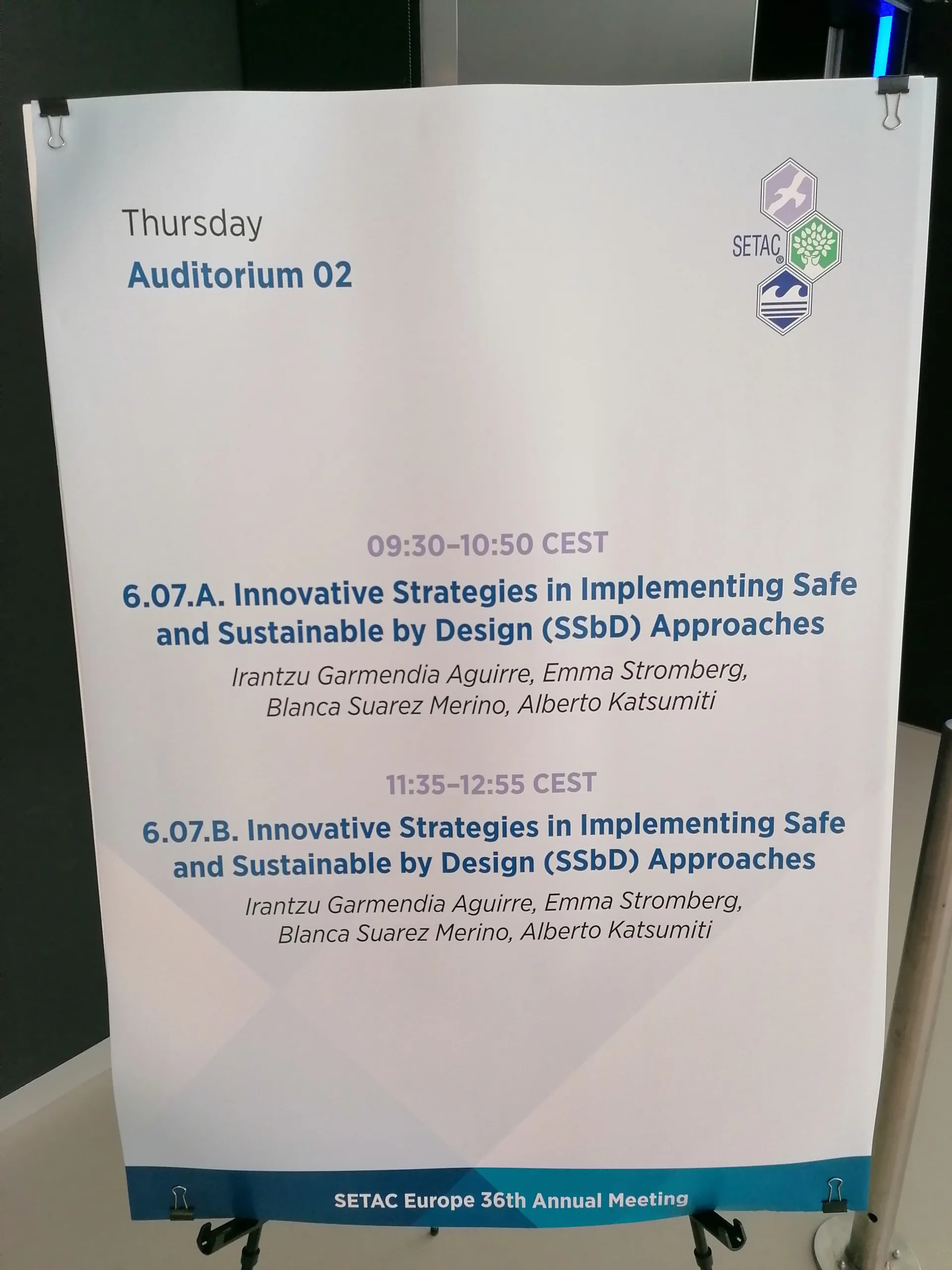
PLANETS @ANTHOS’26 (09-11.03.2026, Vienna)

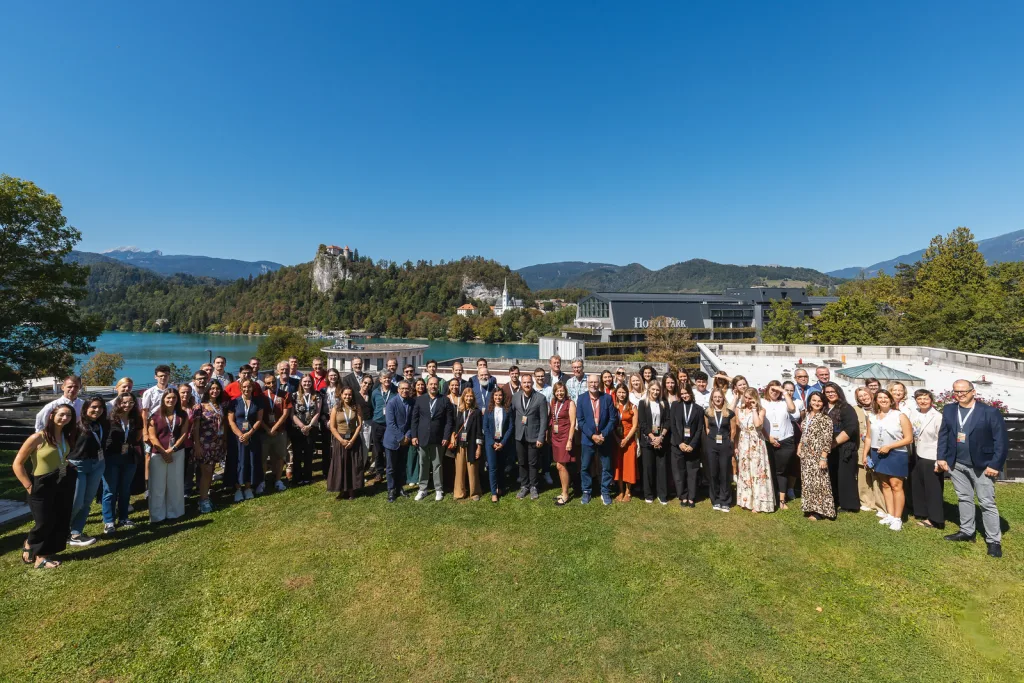
Held from 09-11 March 2026 in Vienna, ANTHOS’26 gathered over 120 experts to advance dialogue on Safe-and-Sustainable-by-Design (SSbD) for Advanced Materials (AdMa). Participants from academia, industry, policy, and regulatory bodies explored ways to align stakeholder needs (i.e., the initiators, the legislators, regulators and implementors) with the solutions that SSbD provides. Key discussions highlighted challenges such as data gaps, complexity, and limited SME uptake. EU-funded projects presented tools, AI approaches, and tiered assessments to support decisions at early-stages. A strong focus was placed on collaboration, regulatory readiness, and pragmatic tools, reinforcing SSbD as a driver for innovation, sustainability, and competitive advantage in Europe.
 
The event was organised by BNN, and supported by the NSC and 12 EU- and national-funded projects (AI-TranspWood, AlChemiSSts, ATIMA, BIOSAFIRE, CheMatSustain, InnoMatSyn, INTEGRANO, PINK, PLANETS, SSbD4CheM, SUNRISE, TOXBOX), as well as two Austrian Ministries (BMIMI and BMLUK).
 

Across three days, the summit created a collaborative platform to exchange knowledge and showcase tools, methodologies, and case studies; discussions highlighted key challenges for SSbD implementation, including limited awareness—particularly among SMEs—data gaps, methodological complexity, and unclear economic incentives. Stakeholders emphasized the need for pragmatic, user-friendly tools, improved data sharing, and stronger links between research, regulation, and industry.

Sessions and roundtables addressed the perspectives of initiators, legislators, regulators, and implementors. A recurring message was the importance of shifting from reactive compliance to proactive, design-led innovation. Solutions presented by EU projects demonstrated how digital tools, AI, tiered assessment strategies, and life-cycle thinking can support early-stage decision-making and reduce risks and costs.

The summit also underlined the importance of regulatory preparedness, trusted environments, and cross-sector collaboration. Concepts such as regulatory sandboxes, standardized data formats, and the role of SSbD ambassadors emerged as key enablers for wider adoption.

ANTHOS’26 concluded with a forward-looking discussion stressing the need for incentives, education, and coordinated action to scale SSbD. The event successfully strengthened collaboration across the community and set the stage for future innovation in safe and sustainable materials.

ANTHOS26_GroupPic_cut

PLANETS had a very active role in the conference:

  • Several partners were involved in the Organising Committee (Andreas Falk, Beatriz Alfaro (BNN), Sébastien Artous (CEA), Martin Himly (PLUS)),
  • and in the Scientific Committee (Andreas Falk, Sébastien Artous, Martin Himly).
  • Andreas Falk, Sébastien Artous, Martin Himly reviewed the poster abstracts.
  • BNN (Andreas Falk) was the main moderator of the conference. 
  • Andreas Falk was speaker and panellist in in the Solutions Session 2 (Legislators) representing the NSC. Martin Himly was also panellist in the same round table – He promoted the PLANETS SSbD Wordbook.
  • Sébastien Artous was Co-chair of  the Solutions Session 5 (Corporate Implementators).
  • The project roll up was exposed all throught the conference in the projects area.
  • Pierre Emmanuel Dufils (SYENSQO) was panellists in the Needs Round Table, as representative of industry.
  • Oral presentations:
    • Sébastien Artous, on behalf of Joséphine Steck (CEA), presented the project in the BioNanoNet Networking event
    • Neeraj Shandilya (TNO) gave an oral presentation in the Solitions Session 4 (Scientific Implementors) entitled “Integration of Safety and Sustainability Dimensions Towards an Operational Safe and Sustainable by Design Decision Support System“
  • Posters:
    • Neeraj Shandilya (TNO) had a poster entitled “Integration of Safety and Sustainability Dimensions Towards an Operational Safe and Sustainable by Design Decision Support System“. DOI: 10.5281/zenodo.19370553
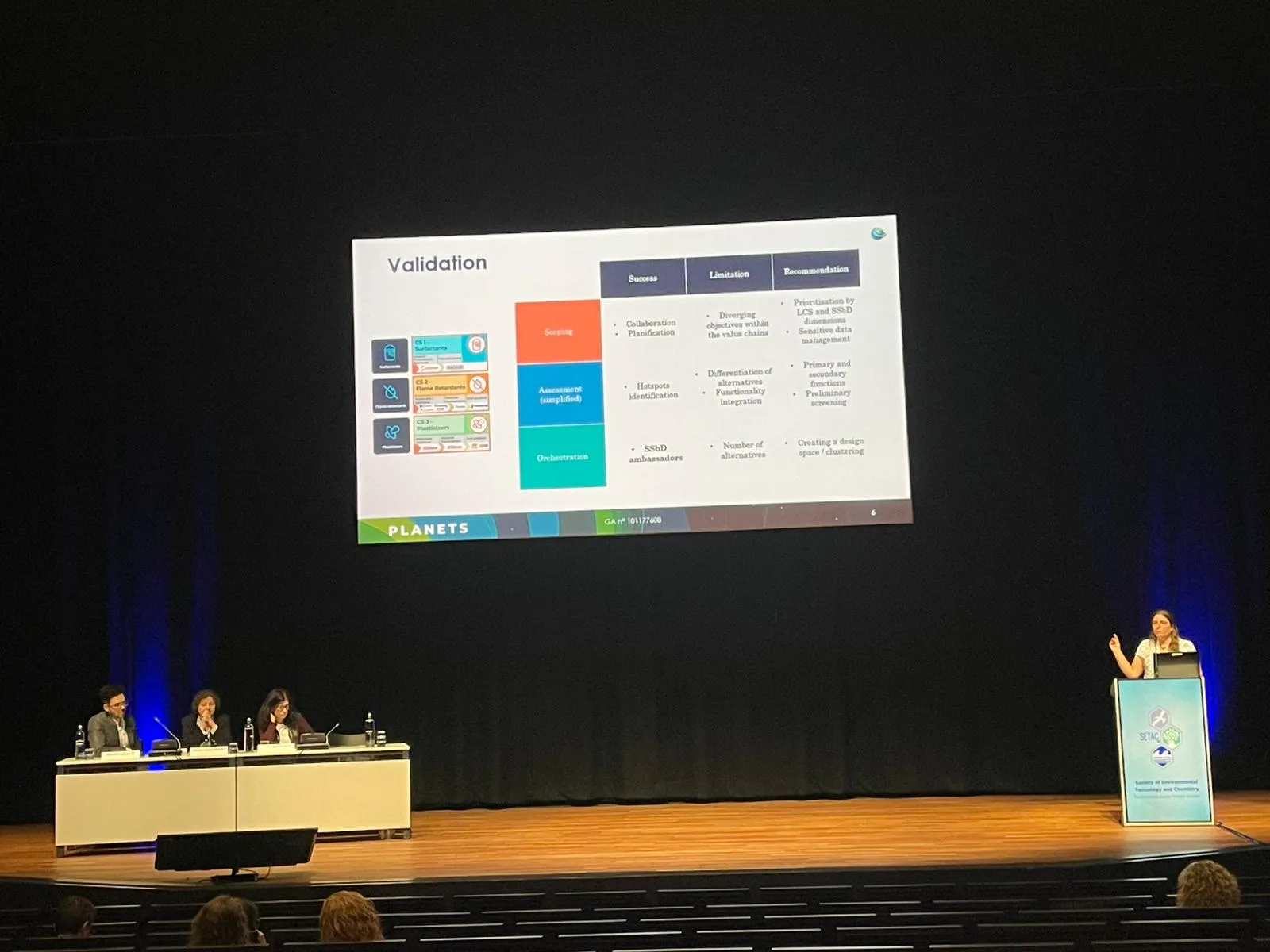
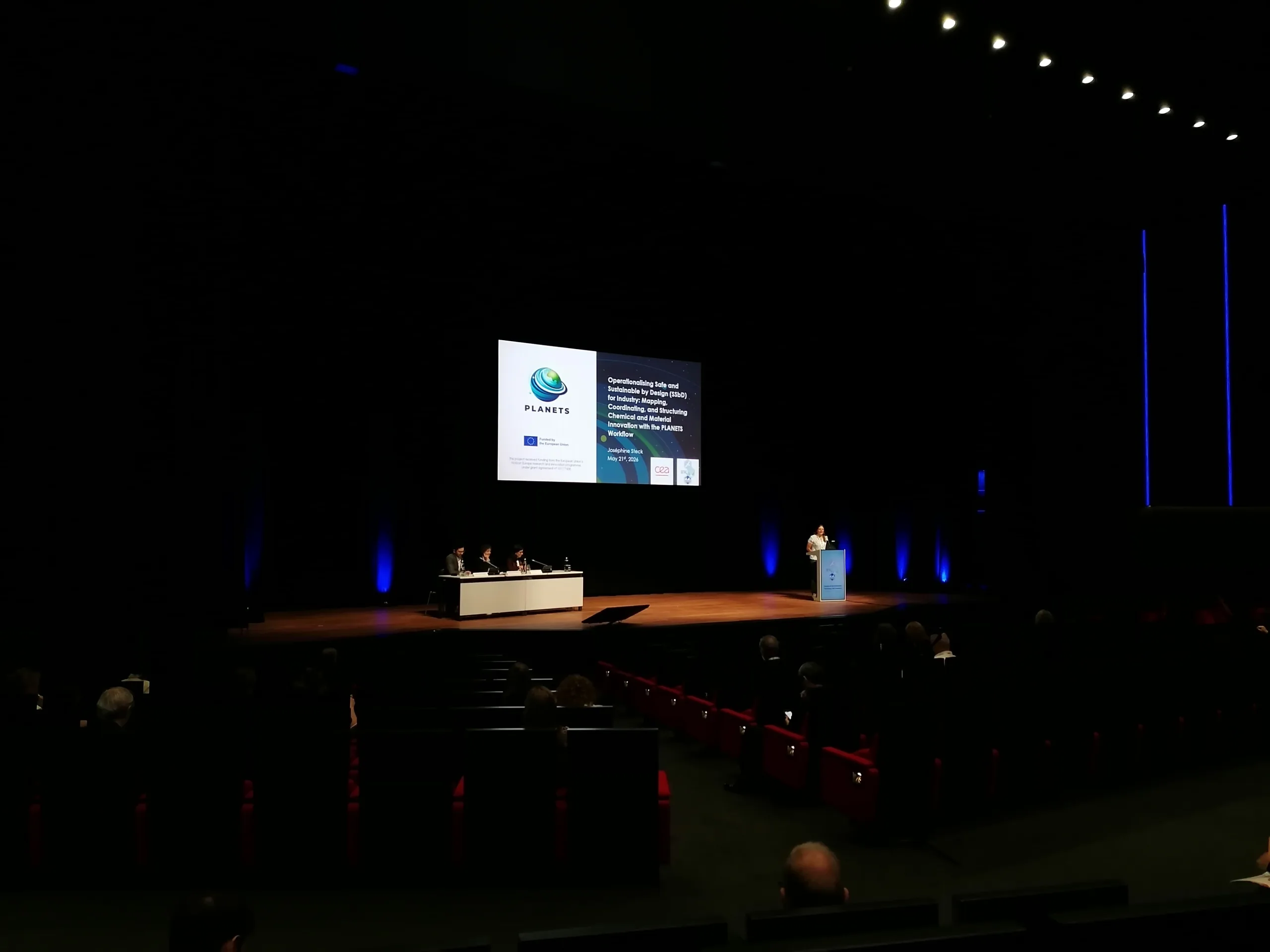
    • Joséphine Steck (CEA) prepared a poster dealing with the PLANETS SSbD workflow, and entitled “Operationalising Safe and Sustainable by Design for Industry: Mapping, Coordinating, and Structuring Chemical and Material Innovation with the PLANETS Workflow“. The poster was presented by Sébastien Artous. DOI: 10.5281/zenodo.18997704
    • Joint poster of the RES-24 projects,  prepared by Beatriz Alfaro and Joséphine Steck, publicly available in Zenodo under DOI: 10.5281/zenodo.19064881
Read a full recap of the three impactful days here.
 
Some insight into the 3 days – Have a look at the pictures!
DPPtraining_IntroSlide_20260306
News
March 23, 2026

PLANETS SSbD Training on Digital Product Passport (DPP) (06.03.2026, online)

On 6 March 2026, the PLANETS consortium organised a virtual internal training session on Digital Product Passport (DPP). The session began with an introduction to the topic, a recap of the previous DPP training (on 19.05.2025; link to report & materials), followed by an explanation of the DPP objectives, and a presentation of the EcoTrace app.

Highlights of the workshop

Martin Himly (PLUS), leader of the training work package within PLANETS, began the training session by introducing the topic, outlining its objectives and structure, and providing background information.

Cécile Philippot (CEA) then provided a more detailed introduction to the concept of DPP and explained why it is being used in the PLANETS project (to track the compliance of critical product data, share information on materials, safety and environmental impact, and support end-of-life product management). She also provided insight into where DPP is already being applied (e.g. batteries) and the future priority groups (e.g. tyres).
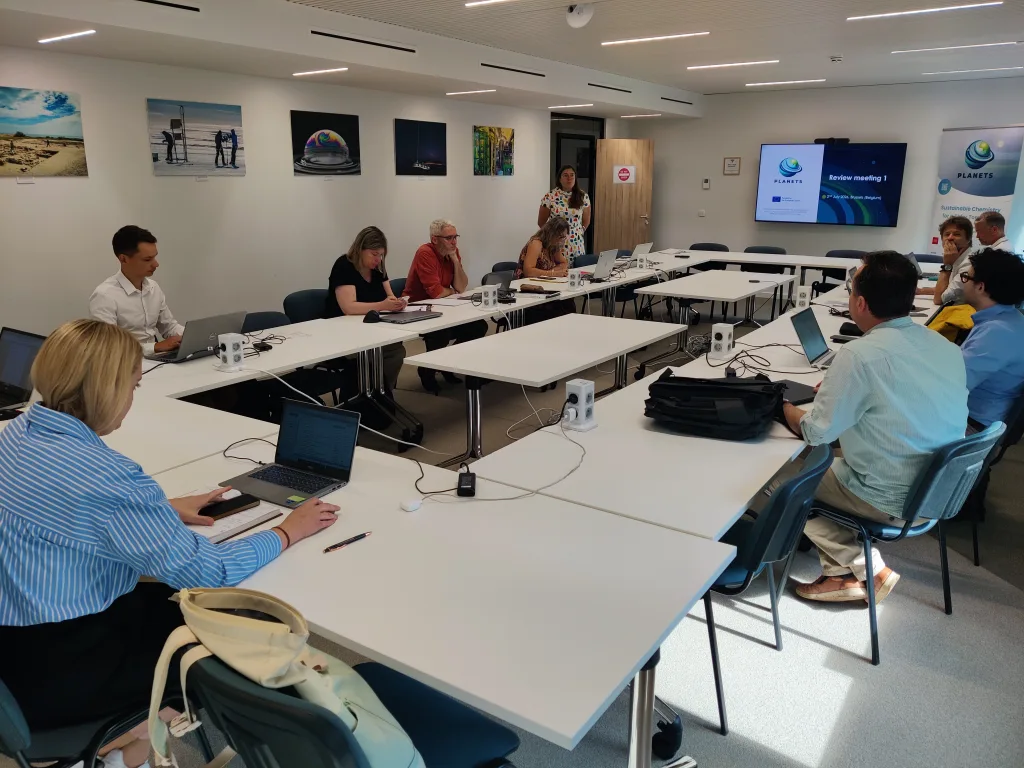
Rubén Gómez (AIMEN) presented the PLANETS timeline for the DPP development within the project. He also explained the DPP data model which is defined by standardisation bodies in terms of structure and by regulators, industry and product owners in terms of content. He then went on to explain how the DPP structure maps the SSbD assessment, highlighting that each life-cycle stage contributes to specific DPP elements.

Furthermore, Rubén introduced the EcoTrace app, a web-based application developed by AIMEN within the PLANETS project. It enables users to define product structures, manage DPP, set permissions and customise the UI. Rui Marinho (AIMEN) introduced the app’s DPP data model (field groups and product types), and Antonio Abadía (AIMEN) explained the app’s DPP architecture, including security and access and the implemented API.

The AIMEN team then gave a short introduction to the app, after which Rui gave a live demo to all participants.

Participants then split into several breakout groups to test the app individually, led by Rui, Rubén and Antonio.

The session concluded with an explanation of the app’s future development plans (by AIMEN), after which participants were invited to provide feedback via an interactive Menti questionnaire and in a joint discussion. This feedback will be taken into consideration for further app development before launch. Martin Himly wrapped up the session highlighting the key elements of the training.

The following PLANETS partners were involved in the preparation of this training:

Rubén Gómez, Rui Marinho, Antonio Abadía, Lucía Alonso, Vanessa Estefanía Alvear Puertas (AIMEN), Cécile Philippot (CEA), Juliette Brunet, Loélia Fohet (IPC), Beatriz Alfaro Serrano (BNN), and Martin Himly (PLUS).

Training Materials – In preparation

Building on the insights from this internal training, PLANETS has developed external training materials as an introduction to DPP. These materials include:

  • Presentation slides (tba)
  • Recording of the session (tba)

All training materials are available in the PLANETS community on Zenodo under a Creative Commons Attribution 4.0 International licence, which allows for redistribution and reuse with proper credit to the creators. You can access them here (LINK TO BE ADDED), with DOI: xxx (tba).

Additionally, all recorded sessions can be viewed on the PLANETS YouTube channel.

Training materials
Watch Recording on DPP
DPPtraining_GroupPic_20260306
DPPtraining_IntroApp1_20260306
DPPtraining_IntroApp2_20260306
PLANETS-SSbD-wordbook-mockup
News
February 16, 2026

One Language, One Vision: Co-Creating SSbD Terminology Together

Dear SSbD practitioners, welcome to our joint SSbD terminology harmonization across the SSbD community,


The PLANETS Wordbook has been initiated within the PLANETS SSbD Project (GA n° 101177608) with the aim to share among our project the SSbD vocabulary used and, thus, obtain a common understanding between the different interdisciplinary areas of expertise. Additionally, we used it to share knowledge on safety- and sustainability-related terms for the innovators operating our case studies on plasticizers, flame retardants, and surfactants.

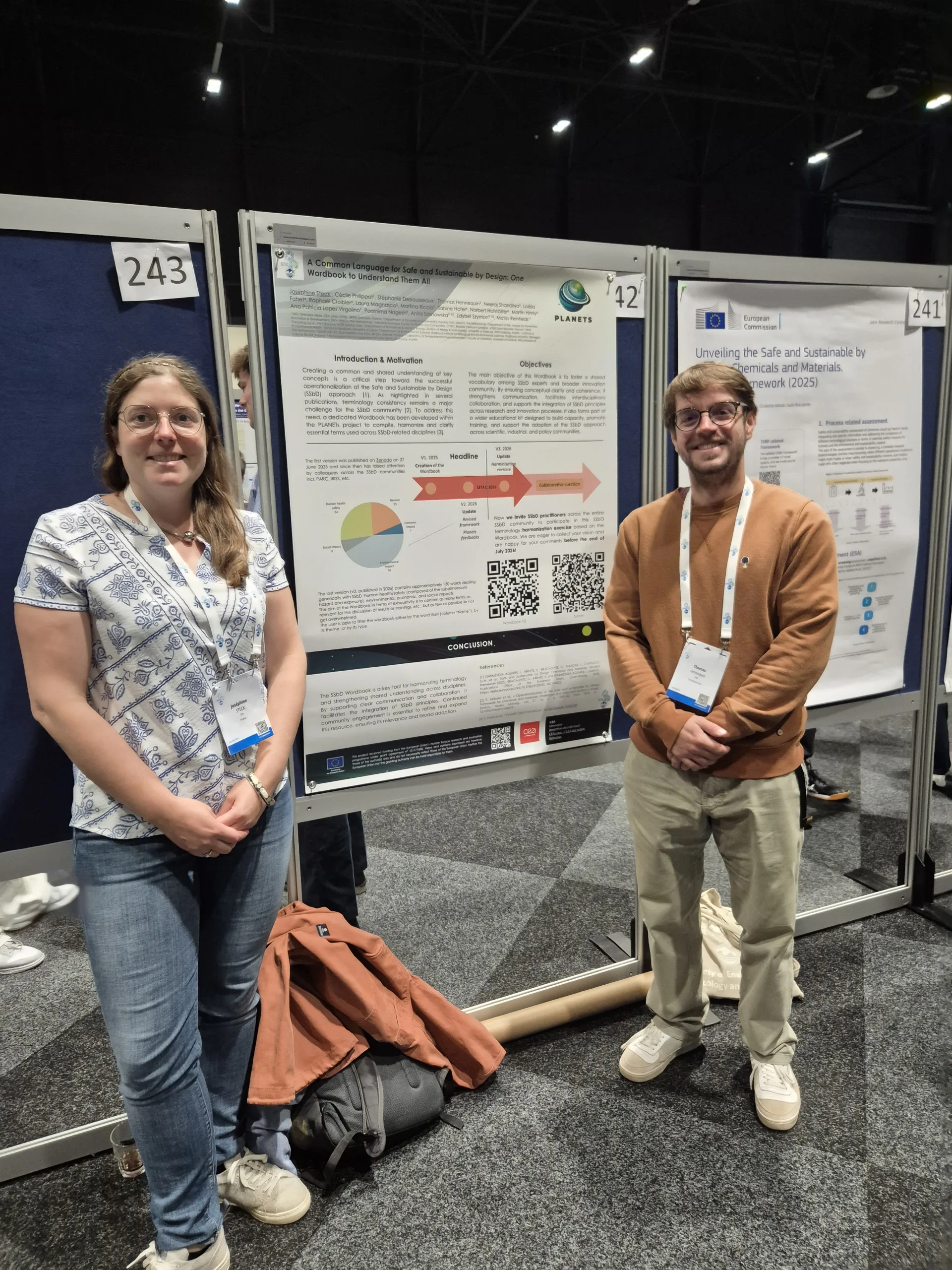
The first version was published on Zenodo on 27 June 2025 and since then has raised attention by colleagues across the SSbD communities incl. PARC, IRISS, etc. 

Now we invite SSbD practitioners across the entire SSbD community to participate in this SSbD terminology harmonization exercise based on the Wordbook. We are eager to collect your vision and are happy for your comments before the end of July 2026!

For your contribution, please follow following process:

  1. Download the most current version of the SSbD Wordbook from Zenodo: https://doi.org/10.5281/zenodo.15755125
  2. Deposit our comments in the “comments” column (E) in the “SSbD Wordbook” sheet.
  3. Put general comments, if you have, in the “ReadMe” sheet (rows 34-51).
  4. Send your commented version to: info@project-planets.eu  

The last version (v2, published in 2026) contains approximatively 130 words dealing generically with SSbD, human health/safety (composed of the subdimensions hazard and exposure), environmental, economic, and social impacts, complemented by functionality/performance-related aspects. The aim of the Wordbook in terms of exhaustivity is to contain as many terms as relevant for the discussion of results or trainings, etc., but as few as possible to not get overwhelmed. The user is able to filter the wordbook either by the word itself (column “Name”), by its theme, or by its type. The aim of the Wordbook in term of exhaustivity is to contain as many as relevant for results discussion/trainings but as few as possible to not get overwhelmed.

This wordbook was initially designed within the task T2.1, entitled “Selection of methodologies and tools to assess safe and sustainable substitution”, in the PLANETS project. This excel tool is a living document and, therefore, can be modified (when relevant/upon new input or harmonization requests) by the PLANETS experts in their regular agreement sessions. Modifications are listed in the “version of history” sheet.

If you have any question, do not hesitate to contact us.


Thank you for your collaboration.

The PLANETS team

Workplace-collaboration
News
January 30, 2026

Strengthening synergies: PLANETS deepens collaboration with Sister Projects

The European research landscape continues to benefit from growing collaboration among the  sister projects (AlChemiSSts, BIOSAFIRE, DESIDERATA, and RADAR) under the call topic “Development of safe and sustainable by design alternatives” (HORIZON-CL4-2024-RESILIENCE-01-24), and PLANETS is actively contributing to this momentum.

The regular meetings between the coordinators of the 5 sister projects have already revealed multiple interaction points that are expected to reinforce cross-project alignment and knowledge sharing.

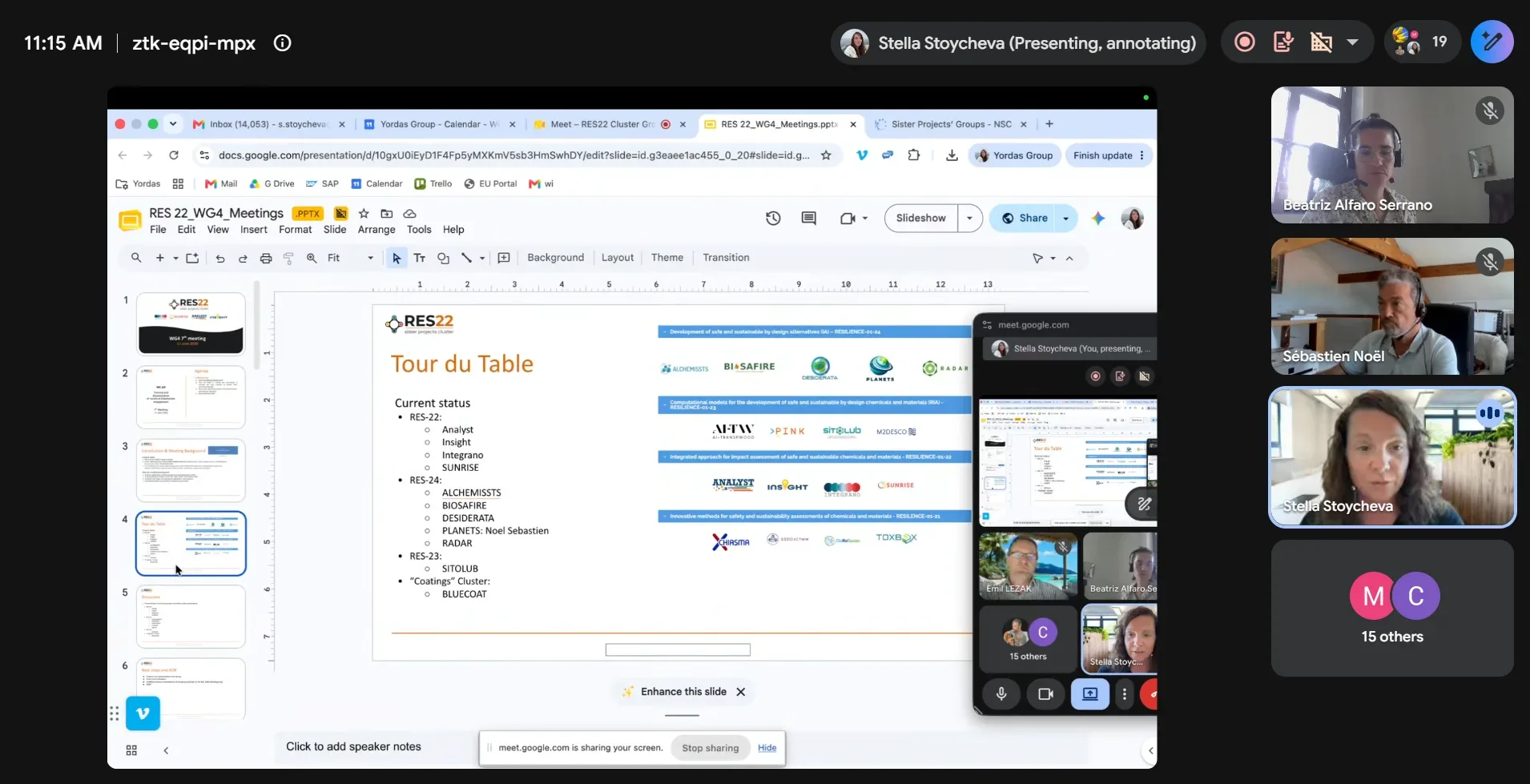
Lately, Joséphine Steck (CEA), coordinator of PLANETS, has been invited to participate in several General Assemblies of related projects, presenting key results achieved so far and exploring new opportunities for cooperation:

  • BIOSAFIRE (2 December 2025, online)
    The General Assembly of BIOSAFIRE did not generate specific follow-up questions related to PLANETS but further engagement is planned for the coming months.
  • RADAR (15 January 2026, online)
    At the meeting of RADAR, partners raised questions regarding PLANETS’ work on alternatives to flame retardants. Due to confidentiality constraints, detailed information could not be shared at this stage. However, the discussion opened the door to a constructive proposal: the creation of transversal working groups to enable structured collaboration on sensitive but strategic topics.
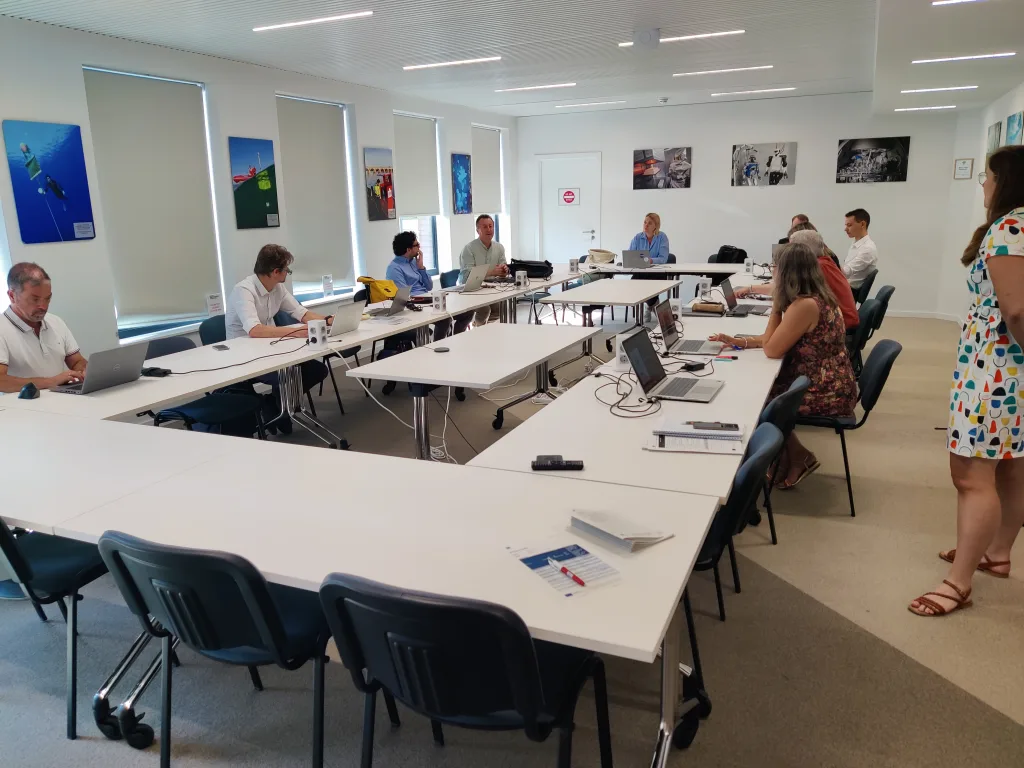
  • DESIDERATA (29 January 2026, online)
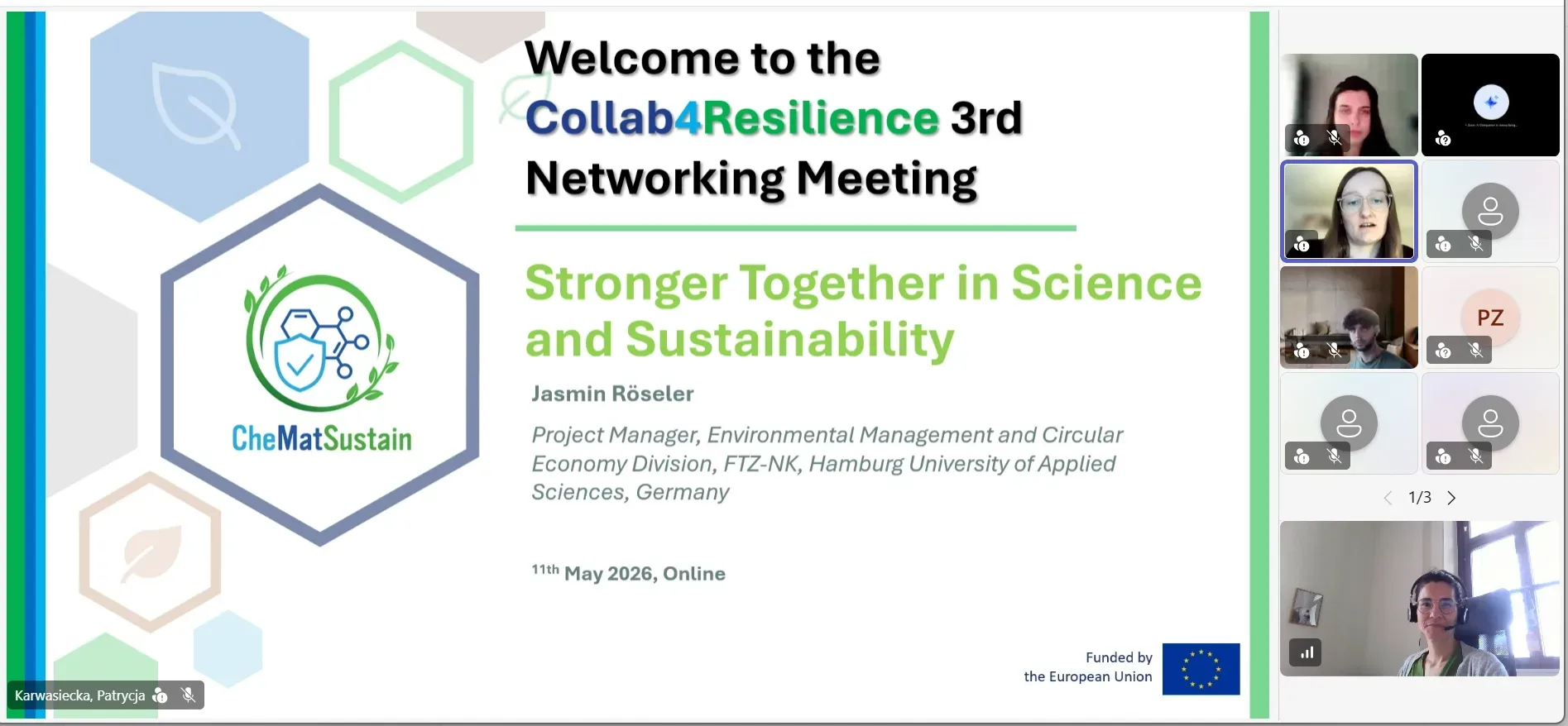
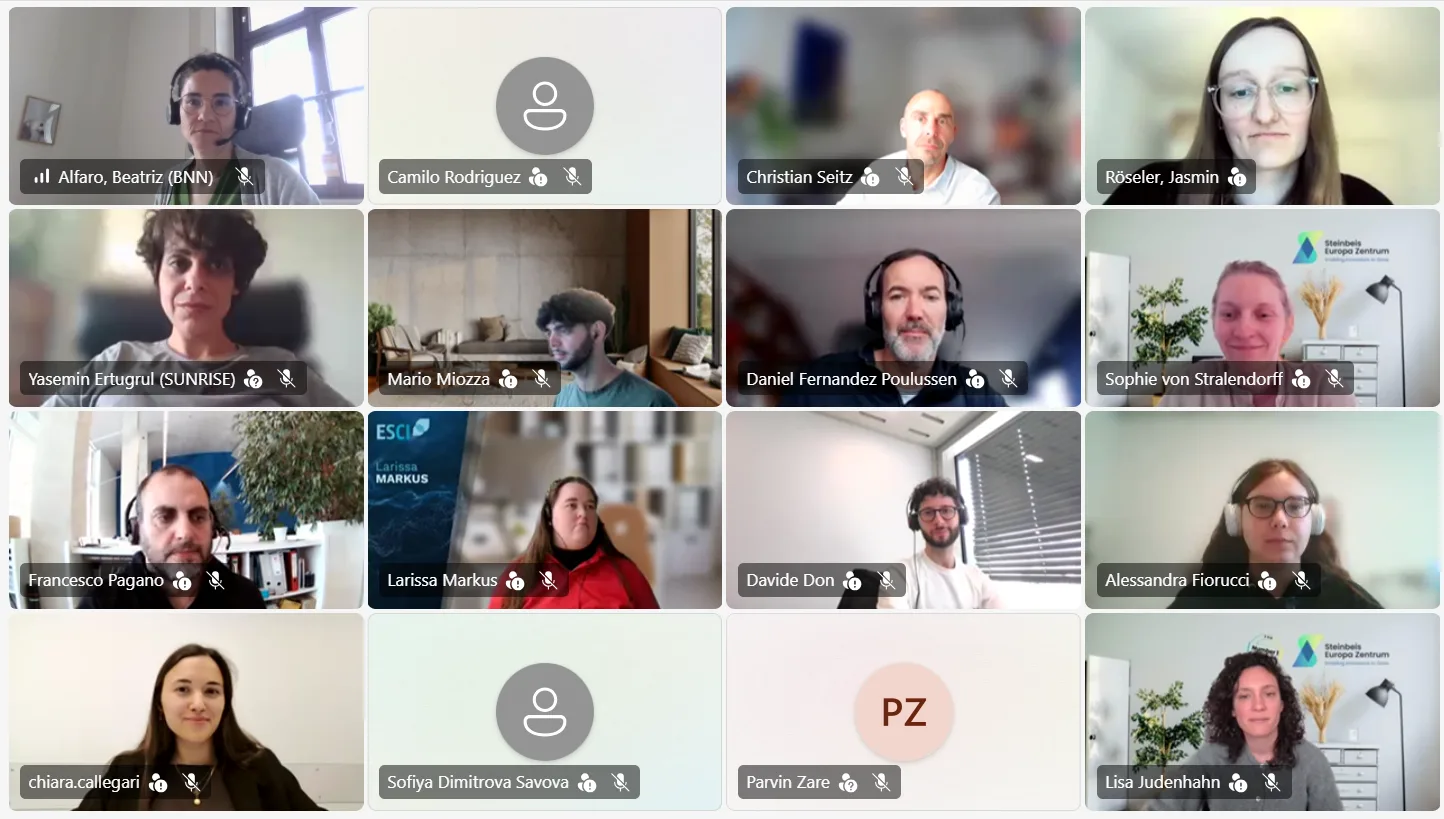
    During the General Assembly of DESIDERATA, discussions focused on PLANETS’ internal organisation linking Safe and Sustainable by Design (SSbD) and innovation activities. Particular interest was shown in how assessments are carried out within the Case Studies Work Package. Attendees were especially keen to learn about the role of PLANETS’ SSbD ambassadors, highlighting strong potential for methodological exchange.
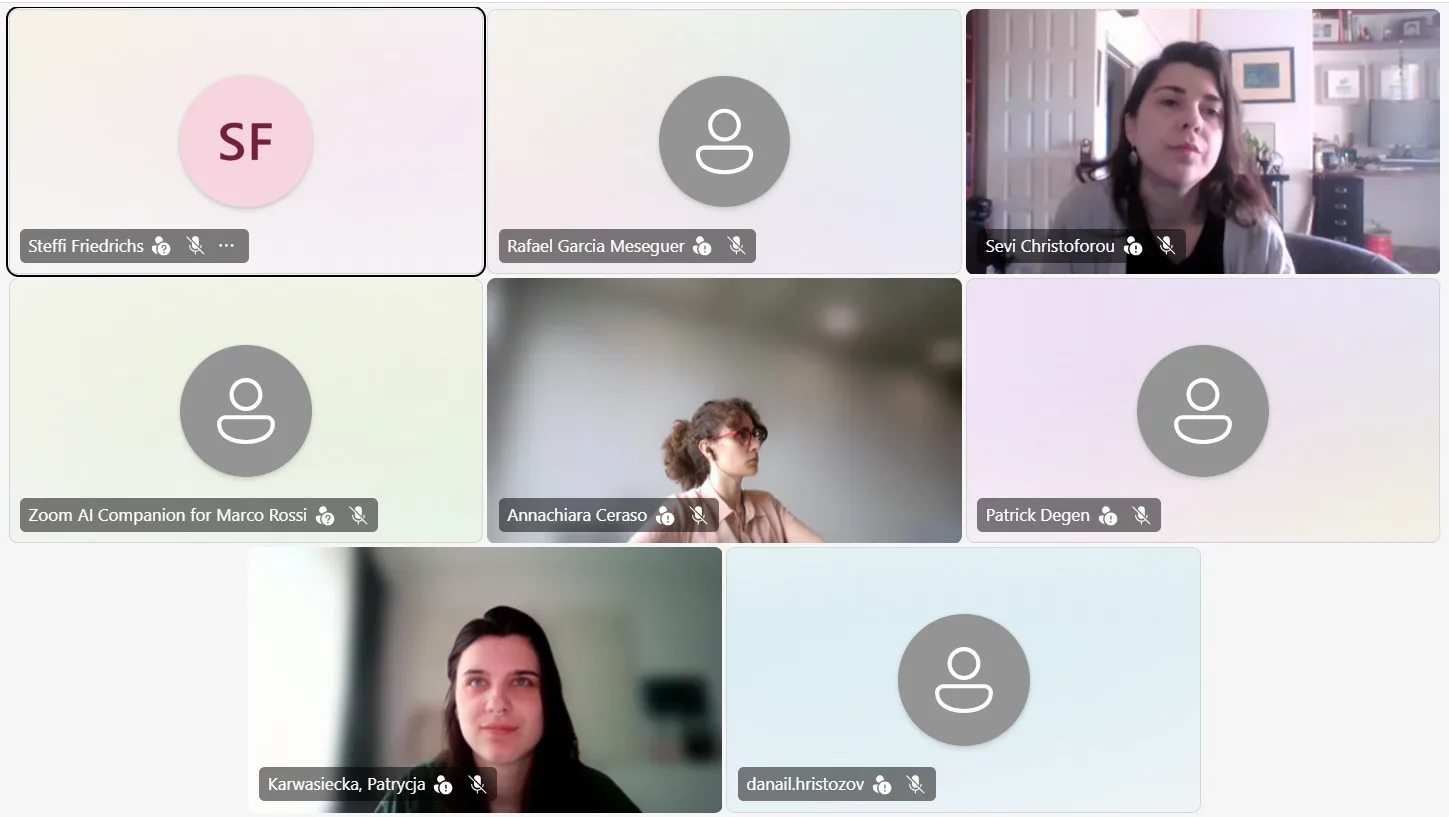
These recent exchanges confirm the strong interest of sister projects in PLANETS’ approach, particularly regarding SSbD implementation and governance. The identification of transversal working groups and ambassador-based knowledge transfer mechanisms marks a promising path forward.

PLANETS will continue to work on and maintain these established connections to maximise impact, avoid duplication, and accelerate the development of safe and sustainable chemical and material solutions across the European research ecosystem.

CoverPic_sLCAtraining
News
January 16, 2026

PLANETS SSbD Training on Social Life Cycle Assessment (sLCA) (16.01.2026, online)

On 16 January 2026, the PLANETS consortium organised an internal training session on Social Life Cycle Assessment (sLCA). The session began with an introduction to the topic, followed by an explanation of the goals and scope of a sLCA: what sLCA is and what is not), how to performs a social assessment, use of databases, characteristics and possible uses of a sLCA, and how to correctly interpret and visualise the results.

Highlights of the workshop

Martin Himly (PLUS), the leader of the training work package within PLANETS, started the training. He began by introducing the session and outlining its objectives, structure and background information.

Laura Magnasco (RINA) started explaining the importance of including the social dimension in Safe-and-Sustainable-by-Design (SSbD), what it is, possible uses, types or categories of sLCAs, and explained the differences between social risks and social impacts. Laura provided a detailed overview of the sLCA steps: goal & scope, life cycle inventory, life cycle impact assessment, and how to best perform the interpretation and visualisation of results. She explained in detail how to perform the life cycle inventory, i.e., the data collection, and the difference between performing it with questionnaires and with social databases (like PSILCA/SHDB). She also commented on the potential uses of an sLCA. Finally, she explained the differences between a social LCA (for identifying “what may happen”) and social acceptance (refers to “how people feel”).

In an interactive hands-on exercise to put the concepts given into practice, participants split into different breakout groups, moderated by Laura Magnasco (RINA), Thomas Hennequin (TNO), Stephanie Desrousseaux, Quentin Aubert (CEA) to familiarise participants with key stakeholders’ groups and impact categories in a social LCA, for the concrete example of a coffee value chain.

A short interactive Mentimeter session was used to informally evaluate the participants’ level of knowledge of sLCA, and what they understood from the training.

The following PLANETS partners were involved in the preparation of this training: Laura Magnasco, Lorenzo Canepa, Martina Riccio (RINA), Thomas Hennequin (TNO), Carla Caldeira (SQO), Loélia Fohet (IPC), Poornima Nagesh (RU), Stéphanie Desrousseaux and Quentin Aubert (CEA), Beatriz Alfaro Serrano (BNN), and Martin Himly (PLUS). We also thank Dr. R. Scholtes (TNO) for the presentation “Ethics & Data in S-LCA”, which informed content on social risks and PSILCA/SHDB, which was use for the preparation of this training, and the CISUFLO project (Grant Agreement No 101003893, TOPIC ID: H2020-SC5-2020-2).


 Training Materials – In preparation

Building on the insights from this internal training, PLANETS has developed external training materials as an introduction to LCC. These materials include:

  • Presentation slides
  • A PDF of the collaborative whiteboard for a social LCA exercise
  • Recording of the session

All training materials are available in the PLANETS community on Zenodo under a Creative Commons Attribution 4.0 International licence, which allows for redistribution and reuse with proper credit to the creators. You can access them here, with DOI: 10.5281/zenodo.19473727.

Additionally, all recorded sessions can be viewed on the PLANETS YouTube channel.

Training materials
Watch Recording on sLCA
Screenshot_sLCAtraining
IntroSlide_LCCTraining
News
December 15, 2025

PLANETS SSbD Training on Life Cycle Cost assessment (LCC) (12.12.2025, online)

On 12 December 2025, the PLANETS consortium organised an internal training session on Life Cycle Cost assessment (LCC). The session began with an introduction to the topic, followed by an explanation of the different phases of an LCC: Goal and Scope, Inventory, Impact Assessment and Interpretation. Participants learnt how to evaluate and visualise LCC results, and gained insight into the pros and cons of including this economic dimension in SSbD assessments. The discussion also covered Critical Raw Materials (CRMs) and their relevance for SSbD assessments. Participants then performed an interactive exercise on building a cost inventory using paints as a specific example.

Highlights of the workshop

Martin Himly (PLUS), the leader of the training work package within PLANETS, started the training. He began by introducing the session and outlining its objectives, structure and background information.

Loélia Fohet (ICT) then explained the importance of including the economic dimension in SSbD assessments. This economic dimension includes LCC (identifying cost hotspots) and identifying Critical Raw Materials (CRMs) (evaluating risks in the value chain). She also emphasised that a correct SSbD assessment requires consideration of all three sustainability dimensions: environmental, economic and social. Loélia then clarified what an LCC is, emphasising that it is an assessment method, not an economic cost-accounting method, related to the product under consideration.

After a short interactive Mentimeter session to evaluate the participants’ level of knowledge of LCC, Lorenzo Canepa (RINA) provided a detailed overview of the LCC steps (goal & scope, life cycle inventory, impact assessment and interpretation of results), with a focus on the stakeholders’ perspective in goal & scope. Laura Magnasco (RINA) explained life cycle inventory (LCI) data needs, the differences between LCC and LCA inventories, and provided tips on addressing missing inventory data at low TRL (e.g. CAPEX, maintenance costs, and personnel costs).

Participants then split into different breakout groups, moderated by Laura Magnasco, Lorenzo Canepa (RINA), Loélia Fohet (IPC) and Thomas Hennequin (TNO), and had the chance to build a cost inventory using a specific example relating to paints.

Finally, the pros and cons of including the economic dimension in SSbD assessments were analysed.

In the final part of the training, Laura Magnasco (RINA) discussed critical raw materials (CRM), explaining what they are, why they are important, how to evaluate them, and why they should be evaluated in SSbD assessments.

The following PLANETS partners were involved in the preparation of this training: Laura Magnasco, Lorenzo Canepa, Martina Riccio (RINA), Loélia Fohet (IPC), Thomas Hennequin (TNO), Carla Caldeira (SQO), Poornima Nagesh (RU), Stéphanie Desrousseaux (CEA), Eva Hahn (Wacker), Beatriz Alfaro Serrano (BNN), and Martin Himly (PLUS).


 Training Materials – In preparation

Building on the insights from this internal training, PLANETS has developed external training materials as an introduction to LCC. These materials include:

  • Presentation slides
  • A PDF of the collaborative whiteboard for a cost inventory building exercise
  • Recording of the session

All training materials are available in the PLANETS community on Zenodo under a Creative Commons Attribution 4.0 International licence, which allows for redistribution and reuse with proper credit to the creators. You can access them here, with DOI: 10.5281/zenodo.19473437.

Additionally, all recorded sessions can be viewed on the PLANETS YouTube channel.

Training materials
Watch Recording on LCC
Screenshot_LCCtraining_1
20251126_PGCevent_Vienna (1) - 2
News
December 4, 2025

PLANETS engages in Dialogue on Safe and Sustainable Chemistry in Vienna

On 26 November 2025, PLANETS participated in an event jointly organised by Platform Green Chemistry (PGC) and SusChem-AT at the Vienna University of Technology. Bringing together stakeholders from policy, industry, research and the start-up community, the meeting focused on “From idea to impact: Start-ups and safe and sustainable by design for future-oriented chemistry.”

Clemens Wolf (BNN) introduced the evolving EU Safe-and-Sustainable-by-Design (SSbD) framework, outlining its importance for developing safer and more sustainable advanced materials.

Martin Himly (PLUS) demonstrated how SSbD principles can be practically implemented to support innovation within green chemistry start-ups.

Clemens and Martin also conducted an informal live survey with the participants, to assess their level of knowledge on SSbD. Results available here.

Their presentation is available under Creative Commons Attribution 4.0 International in the PLANETS Community in Zenodo with DOI: 10.5281/zenodo.17817072.

PLANETS was pleased to be part of this forward-looking exchange.


A warm thank you goes to the Federal Ministry of Agriculture, Forestry, Regional Development and Water Management (BMLUK) and the Austrian Environmental Agency for making this event possible.

20251126_PGCevent_Vienna (1)
20251126_PGCevent_Vienna (3)
  • 1
  • 2
  • 3
  • 4

Contact

Plasticizers, fLame–retardants and surfactANts: new alternatives validating the safE and susTainable by deSign approach 

  • info@project-planets.eu

Helpful links

Downloads
Legal Notice
Privacy Policy
EN_FundedbytheEU_RGB_WHITE Outline

This project received funding from the European Union’s Horizon Europe research and innovation programme under grant agreement n° 101177608. Views and opinions expressed are however those of the author(s) only and do not necessarily reflect those of the European Union. Neither the European Union nor the granting authority can be held responsible for them.


PLANETS is a member of NSC.

back to top