logotype
  • Project
    • About PLANETS
    • Objectives
  • Applications
    • Surfactants
    • Flame retardants
    • Plasticizers
  • Partners
  • Collaborations
  • Resources
  • News
  • Contact
Linkedin
logotype
  • Project
    • About PLANETS
    • Objectives
  • Applications
    • Surfactants
    • Flame retardants
    • Plasticizers
  • Partners
  • Collaborations
  • Resources
  • News
  • Contact
Linkedin
  • Project
    • About PLANETS
    • Objectives
  • Applications
    • Surfactants
    • Flame retardants
    • Plasticizers
  • Partners
  • Collaborations
  • Resources
  • News
  • Contact
logotype
  • Project
    • About PLANETS
    • Objectives
  • Applications
    • Surfactants
    • Flame retardants
    • Plasticizers
  • Partners
  • Collaborations
  • Resources
  • News
  • Contact
event TAG
HomePosts Tagged "event"

Tag: event

2ndNSCworkshopSSbDscenarios_Cover
News
April 13, 2026

Recap of the 2nd NSC workshop on “SSbD scenarios” on 5 December 2025

Following up from the 1st NSC workshop on “SSbD scenarios for advanced and incremental innovations” (23 June 2025), the NSC Working Group on Safe and Sustainable by Design (SSbD), Innovation & Regulation organised a virtual 2nd NSC workshop on SSbD Scenarios on 5th December 2025. Similarly as the first workshop, this second one was prepared as a collaborative effort among several EU-funded projects: DESIDERATA,  PLANETS, SSbD4CheM, and SUNRISE.

The 1st NSC scenarios workshop laid the basis by the description of a scenario by aspects of novelty, exposure, severity, (environmental) sustainability, (economic) scope and immediacy. Case studies enabled a refinement of the scenario description (Wohlleben et al. 2025). The concept of a scenario was integrated by JRC into the revised SSbD Framework, where it serves as a bridge between the SSbD scoping and a tailored safety and sustainability assessment (reproduced in lower figure). It was described as “a specific and real set of conditions (scoping analysis elements) that define the context in which the SSbD assessment is carried out.”(Garmendia Aguirre et al. 2025). 

This 2nd NSC scenarios workshop explored how to describe an SSbD scenario, the tailoring rules related, as well as how to select which tailored approach fits best a specific innovation case. Examples of real-world cases were provided by innovators from the projects DESIDERATA, PLANETS, SSbD4CheM, and SUNRISE. In breakout sessions moderated teams went through the respective cases to define the SSbD maturity, pull and push, expected commercial value, probability of success (technical and commercial) and ultimately the return on investment that additional SSbD would expect. Obtained results were compared to six proposedly archetypal SSbD scenarios. This business-focussed algorithm enables defining a tailored SSbD in a more straight-forward manner. Such an approach, based on specifications collected during scoping, could argue for more or less extensive SSbD assessment to be implemented for different innovation cases, providing arguments for innovators in their discussion with management. 

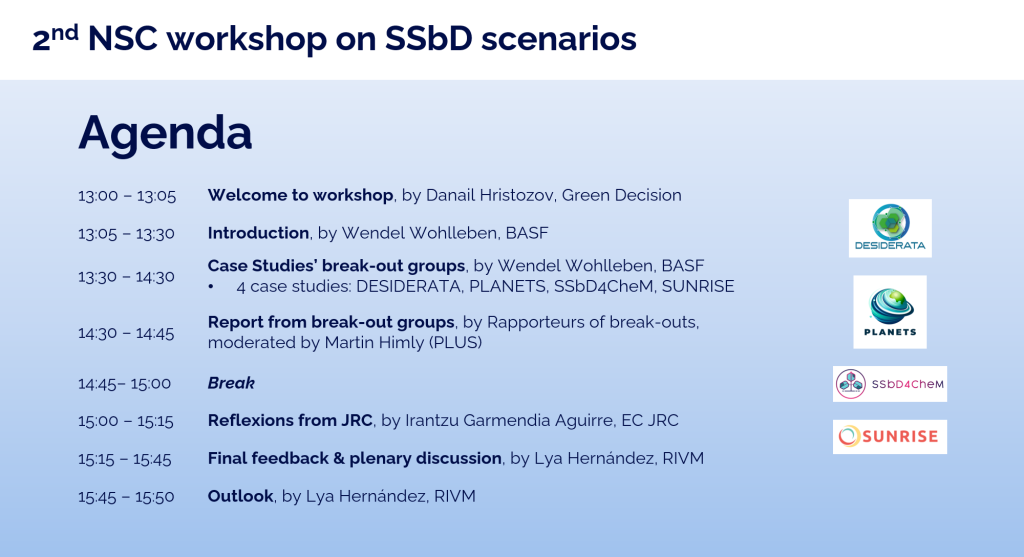
2ndNSCworkshopSSbDscenarios_Agenda
Agenda of the NSC workshop on SSbD scenarios on 5 December 2025

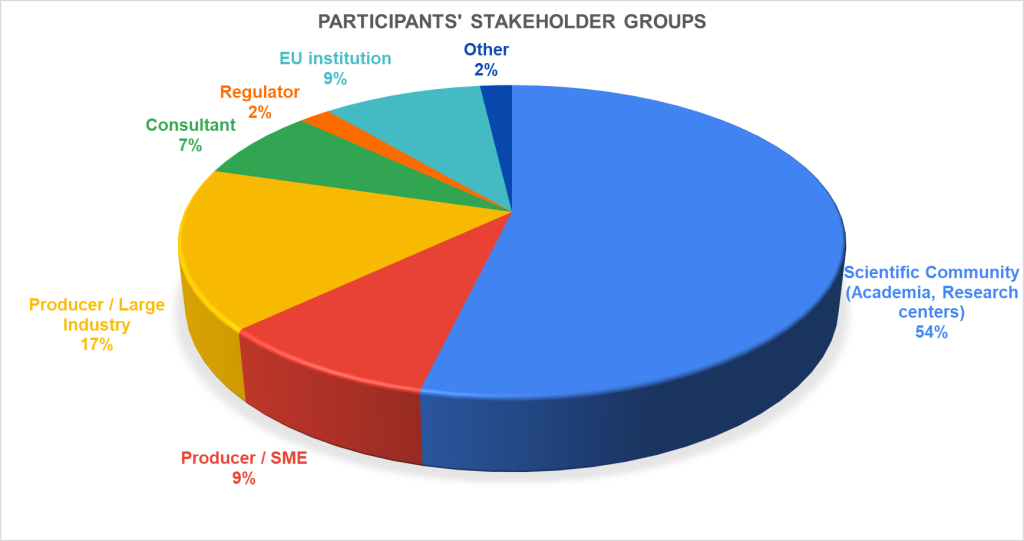
Danail Hristozov (GreenDecision, and chair of the NSC WG on SSbD) opened the workshop and welcomed the more than 50 international participants from academia (54%), large industry (17%), SME (9%), consultants (7%), regulators (2%) and EU institutions (9%). 

2ndNSCworkshopSSbDscenarios_StakeholderGroups
Overview of the participants’ stakeholder groups

Wendel Wohlleben (BAuA, formerly BASF, and co-chair of the NSC WG on SSbD) presented how to tailor the SSbD implementation by using the scenarios. He explained how the most relevant aspects describing the scenario were selected after the 1st workshop, and how the newly developed spreadsheet “SSbD-ified ECV calculator” estimates the impact of implementing SSbD into an innovation project plan. The standardised business metric of the “Expected Commercial Value (ECV)” was used as the basis for the tool, which had been made available to all workshop participants, and feedback was gathered during the break-out groups. 

Workshop participants split up into the break-out groups, where the tailoring and other aspects in the different innovation case were explored and discussed: 

  • DESIDERATA case study: Olga Thoda, from MONOLITHOS, on geopolymers originating from mining waste as replacement of Aluminum in construction, moderated by Lya Hernandez, RIVM.
  • PLANETS case study: Tobias Moss, from Budenheim, on flame retardants in construction, moderated by Carla Caldeira, SYENSQO.
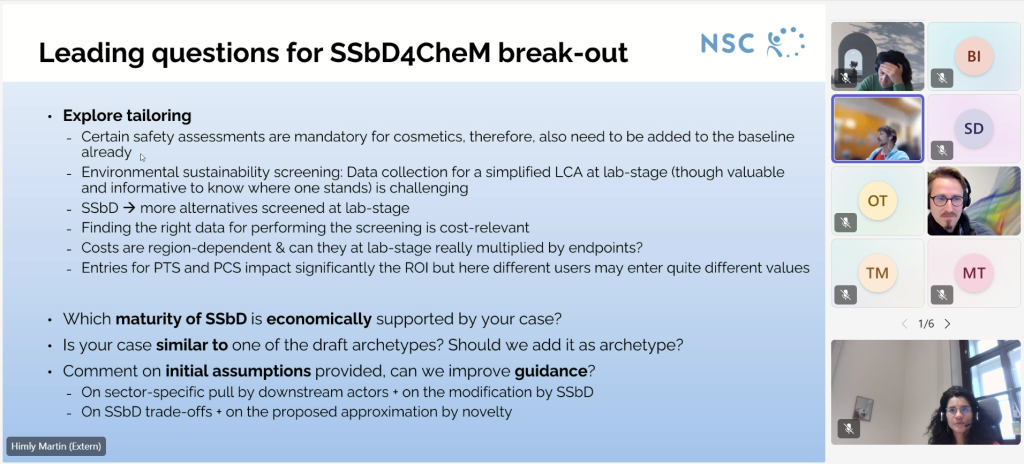
  • SSbD4CheM case study: Ondej Panak, from the Slovenian National Institute of Chemistry, on cosmetics (assisted by Assaf Assis, David Barak, and Dror Cohen, from AHAVA Dead Sea Laboratories, moderated by Martin Himly, PLUS.
  • SUNRISE case study: María José López Tendero, from Laurentia Technologies, on post-harvest fruit treatment based on safer microencapsulated oil, moderated by Danail Hristozov, GreenDecision.

Martin Himly (PLUS and chair of the NSC WG on ETC) moderated the joint reporting session of the different breakouts, where the discussions in each of the groups were briefly summarised and discussed in the plenary. 

Irantzu Garmendia Aguirre from the European Commission’s Joint Research Centre (JRC) contributed key insights to the workshop, sharing the JRC’s perspectives on the current adaptations within the SSbD framework. Her intervention addressed the core SSbD principles, the scoping analysis, and the development of SSbD scenarios, highlighting their relevance for advancing safe and sustainable innovation.

The workshop ended with a final round of feedback and plenary discussion, moderated by Lya Hernández (RIVM), where workshop participants dived into vivid discussions, which will be picked up in the 3rd NSC scenarios workshop anticipated for late spring 2026.

Two main activities are planned as follow-ups of this 2nd workshop: A third workshop (planned for 2026) to discuss the process from archetypal scenarios to tiered SSbD assessment, and a joint peer-reviewed NSC publication about the tailored SSbD approaches followed by the different case studies presented in the workshop.

Workshop materials:

Workshop materials are publicly available in Zenodo, under DOI: 10.5281/zenodo.19554509. 

The recording of the workshop is available in the NSC YouTube channel.

References:
  • Garmendia Aguirre, I., E. Abbate, G. Bracalente, L. Mancini, G. Cappucci, D. Tosches, K. Rasmussen, B. Sokull-Klüttgen, H. Rauscher and S. Sala (2025). “Safe and Sustainable by Design Chemicals and Materials. Revised framework”. Draft for consultation, can be accessed here.
  • Wohlleben, W., C. Caldeira, M. Himly, L. G. Soeteman-Hernández, D. Hristozov and B. Serrano Alfaro (2025). Materials of the NSC workshop on “SSbD scenarios for advanced and incremental innovations” on 23 June 2025. Zenodo. DOI: 10.5281/zenodo.15756156.
  • European Commission SSbD Framework
Impression of the workshop:
Screenshot_ReportBreakOuts
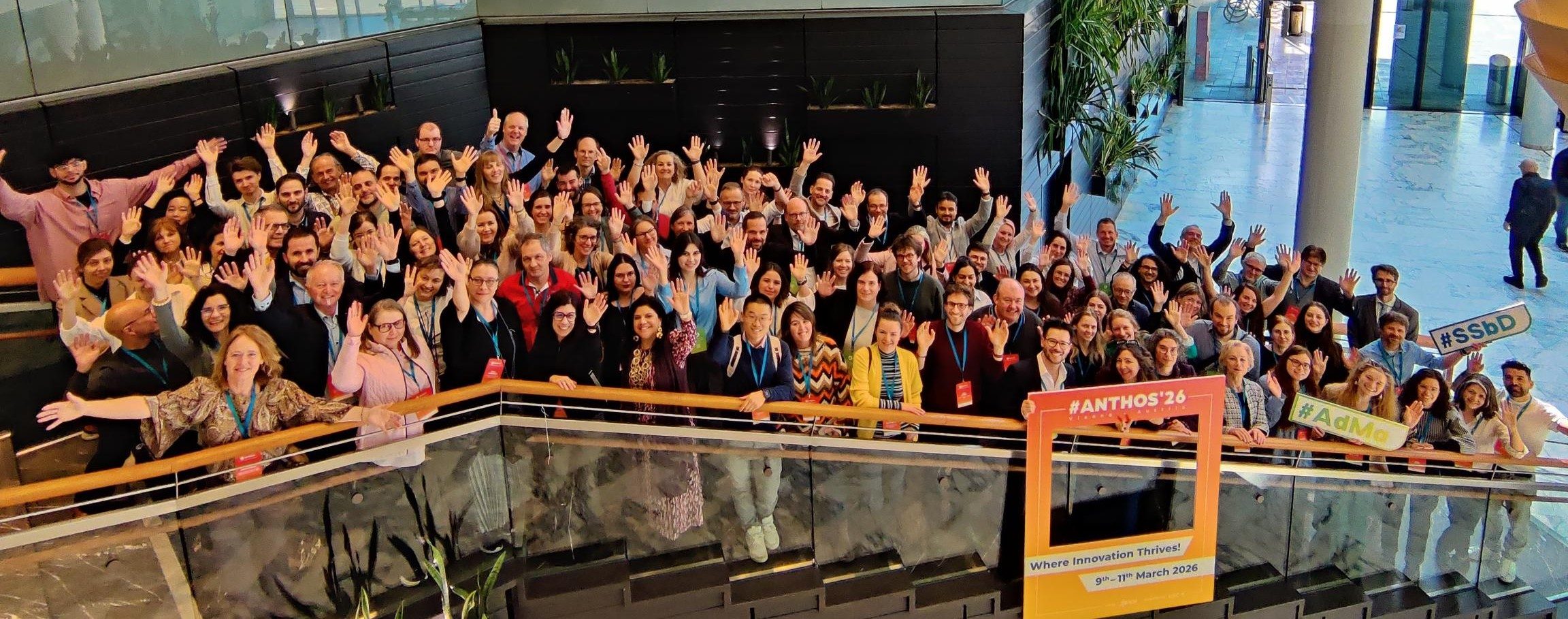
ANTHOS26_GroupPic_cut
News
March 31, 2026

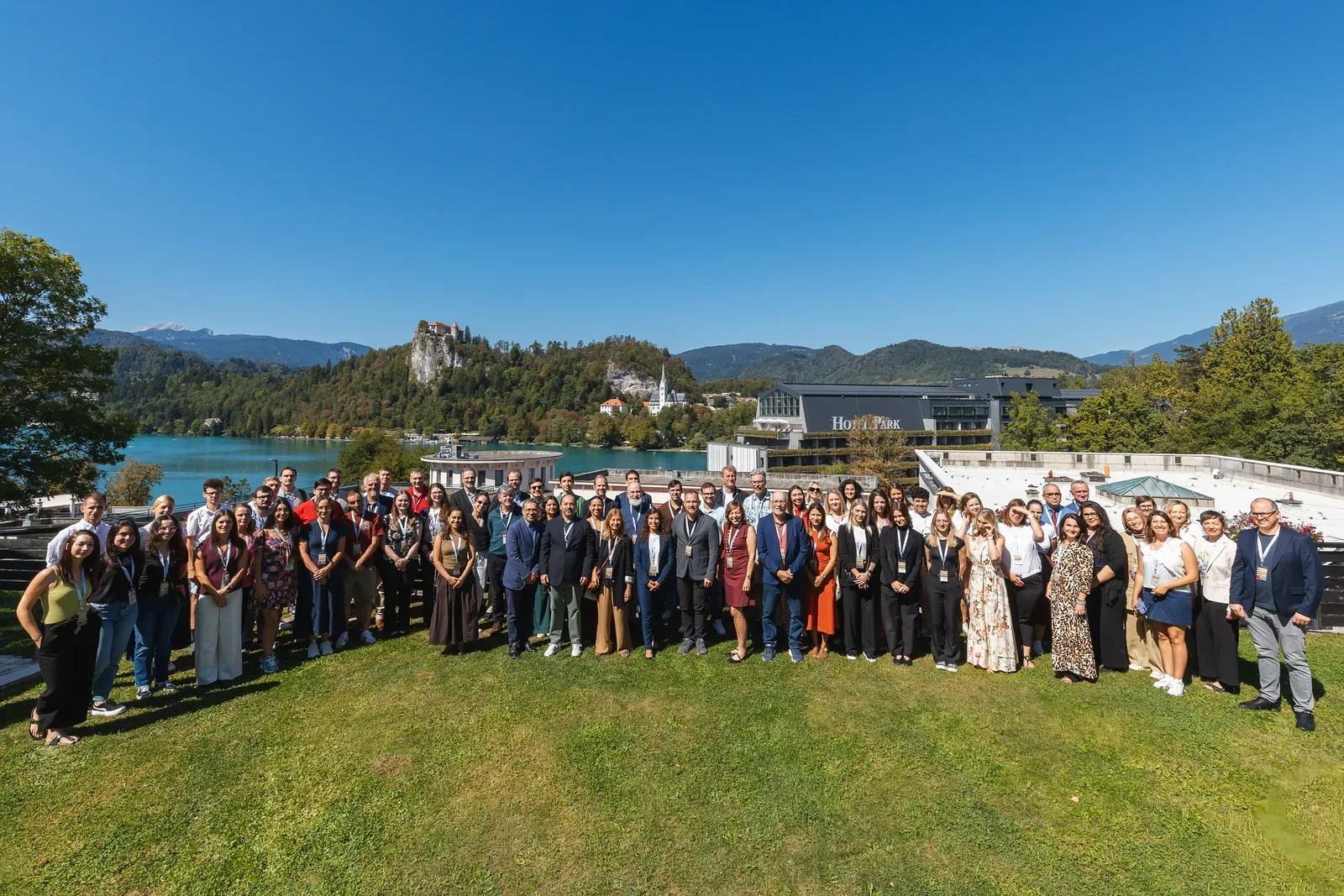
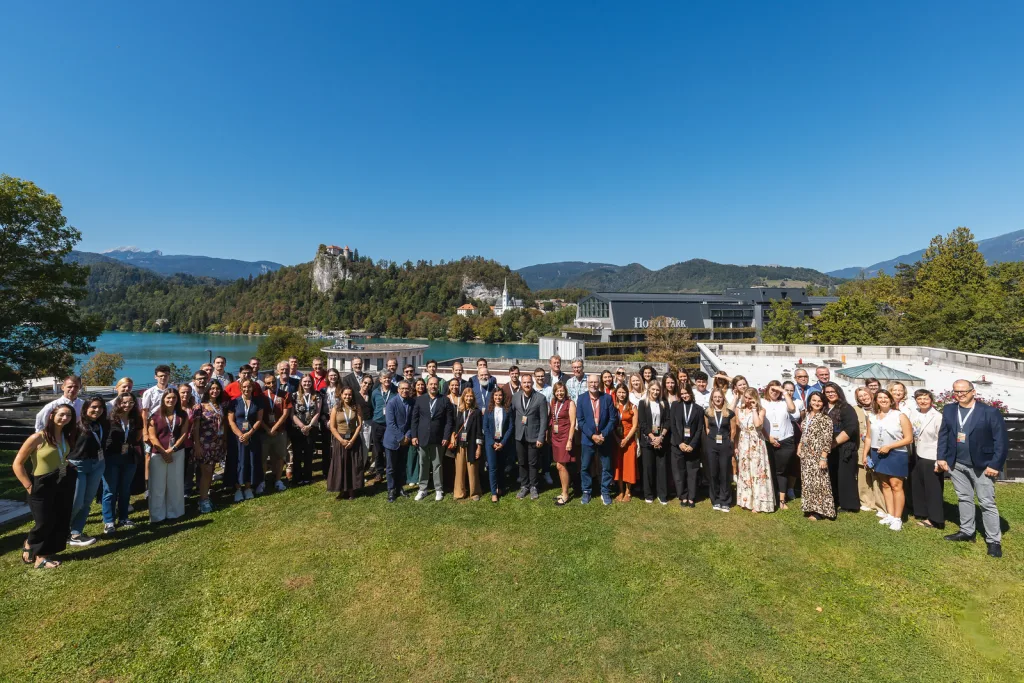
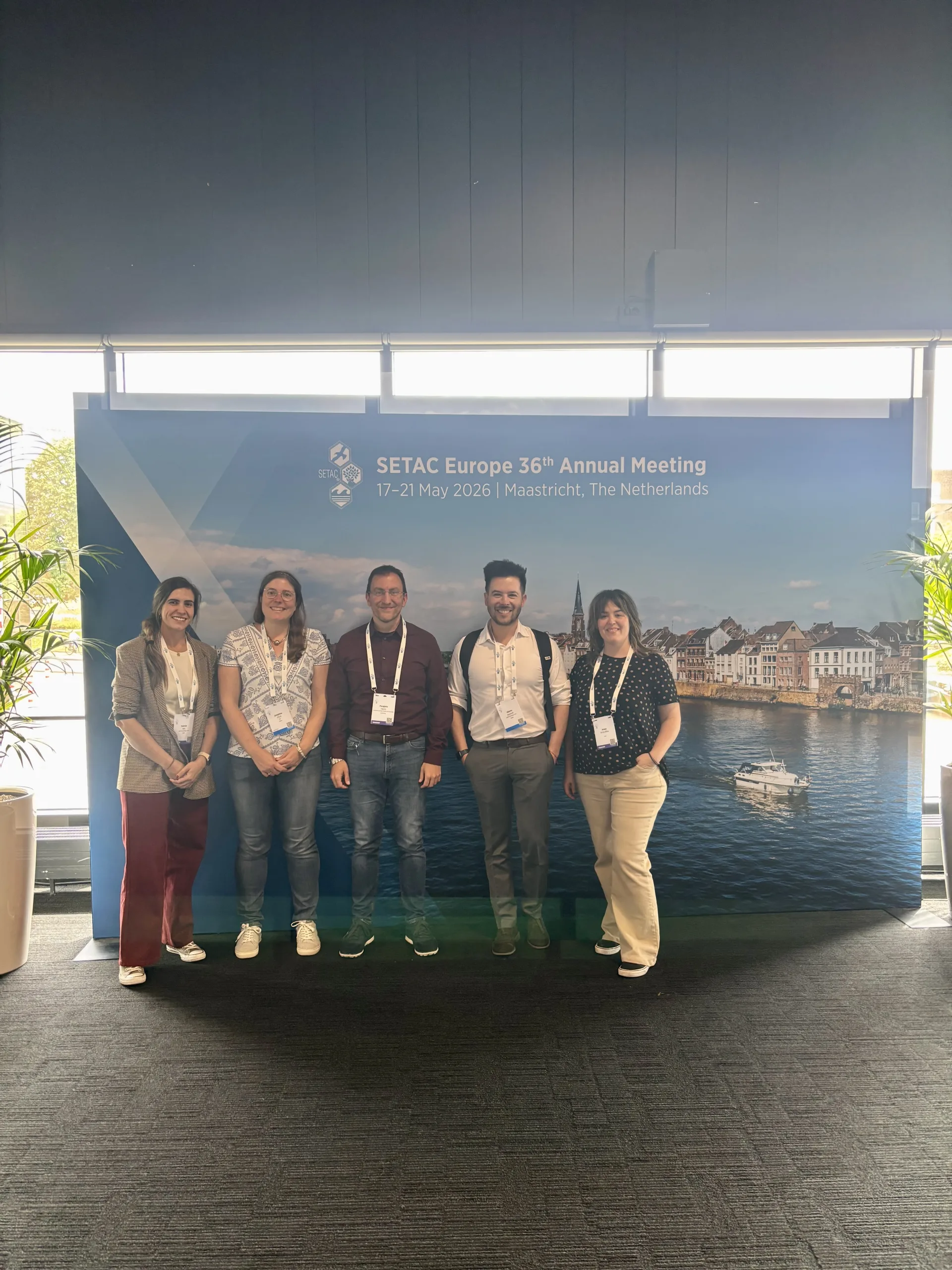
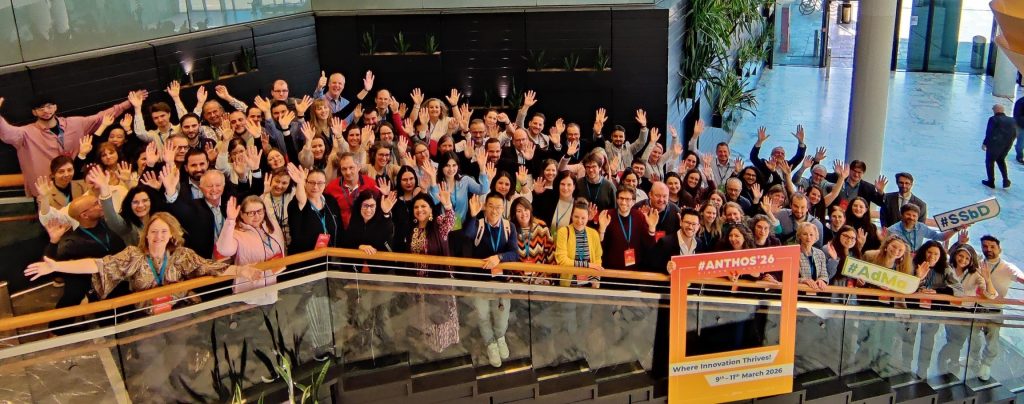
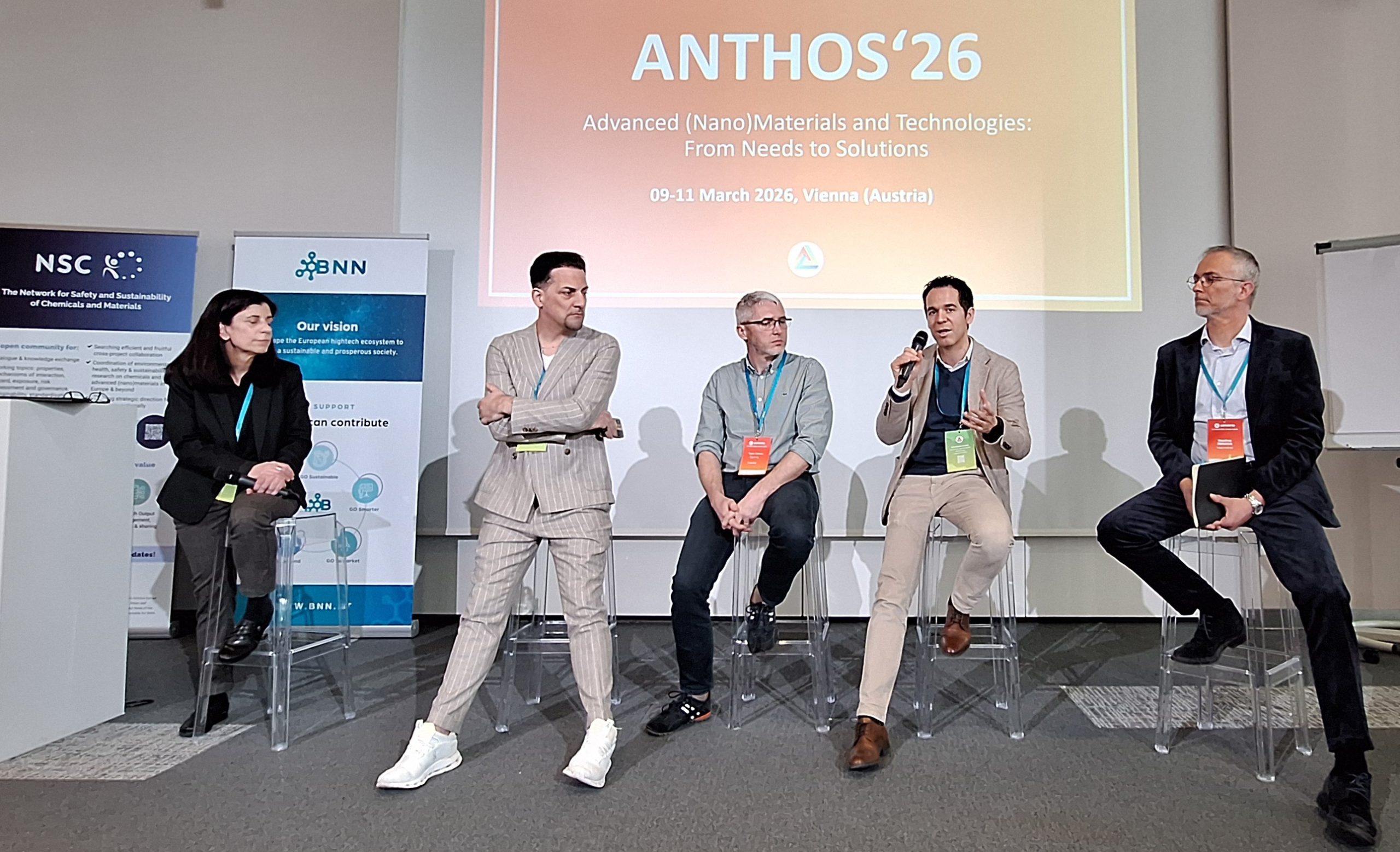
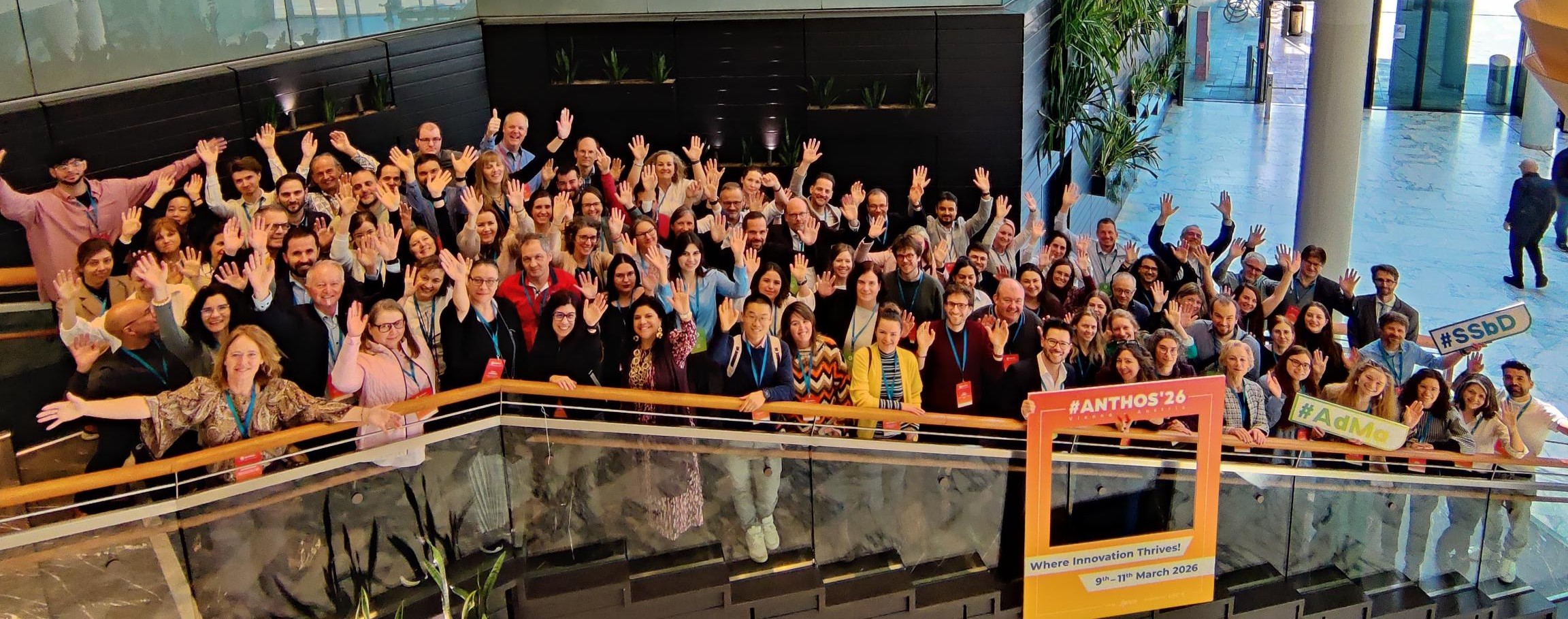
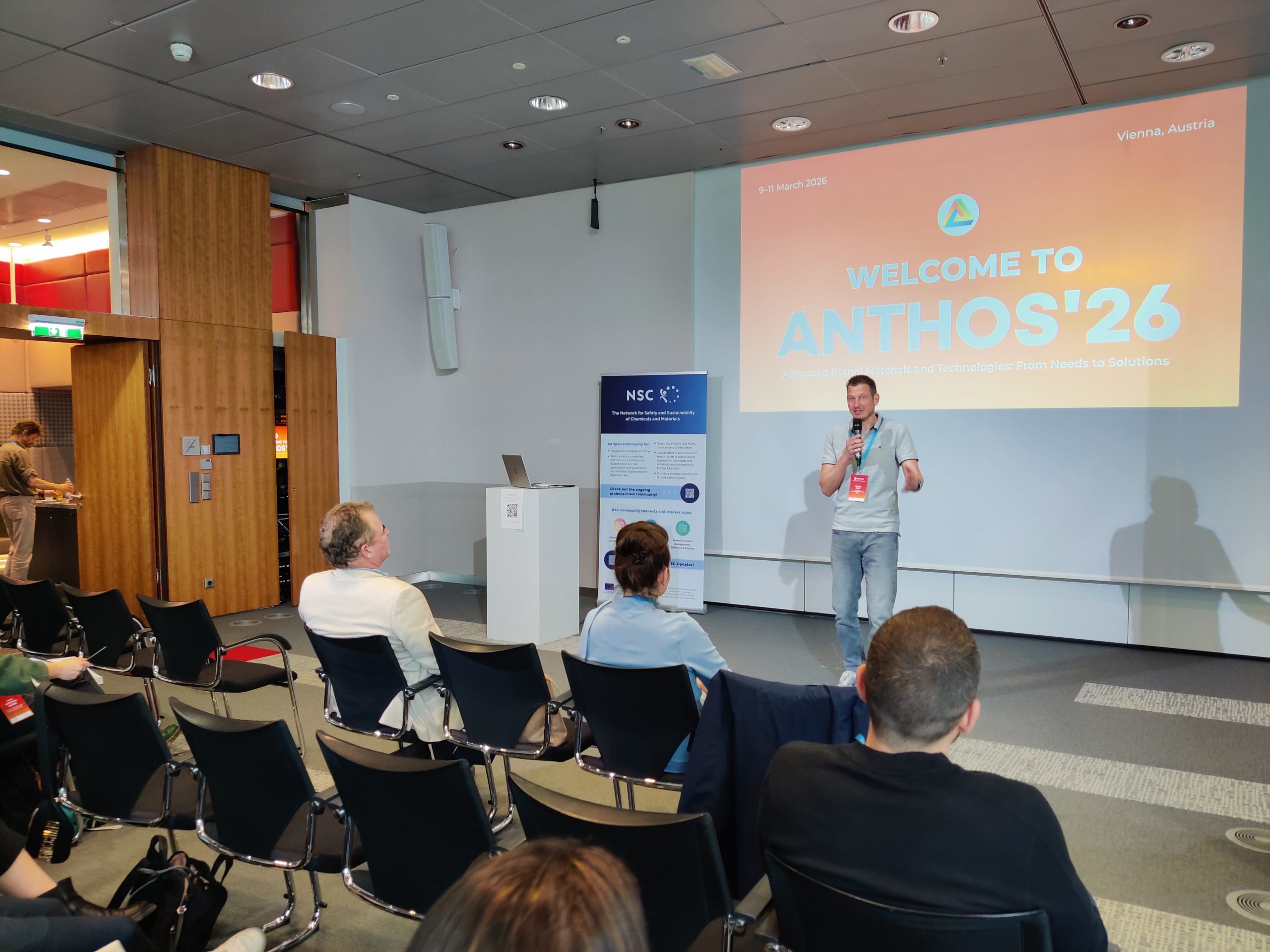
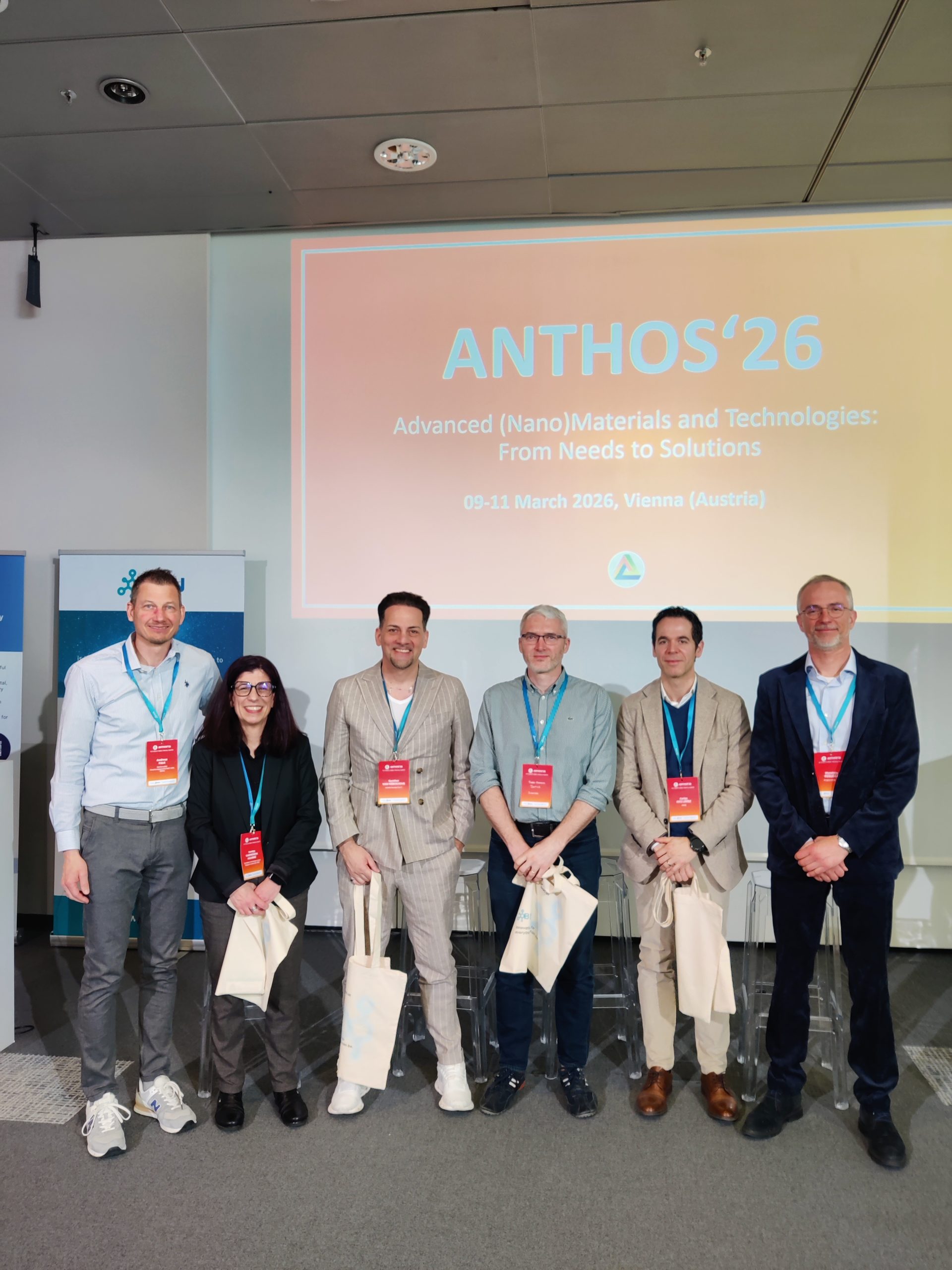
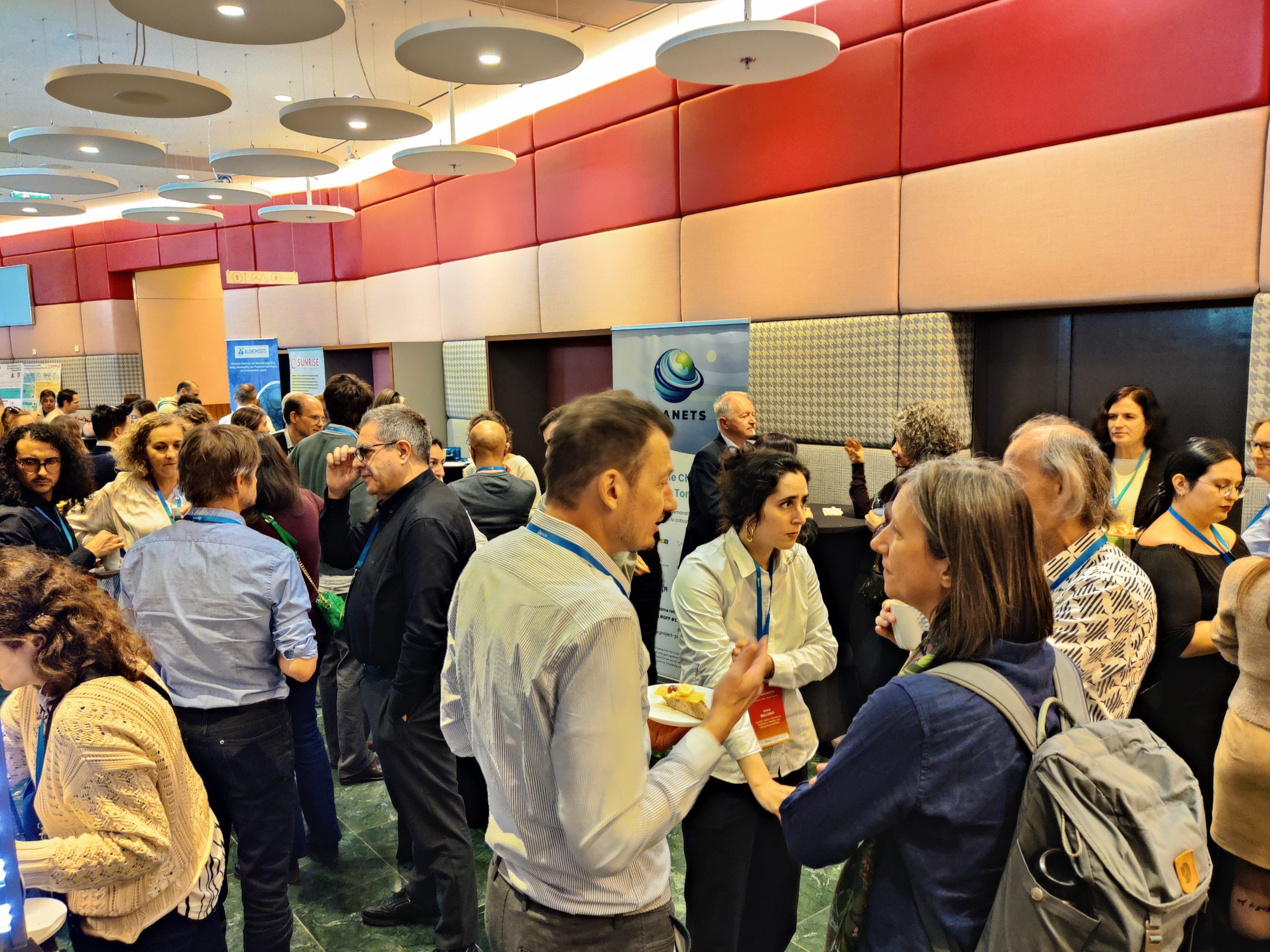
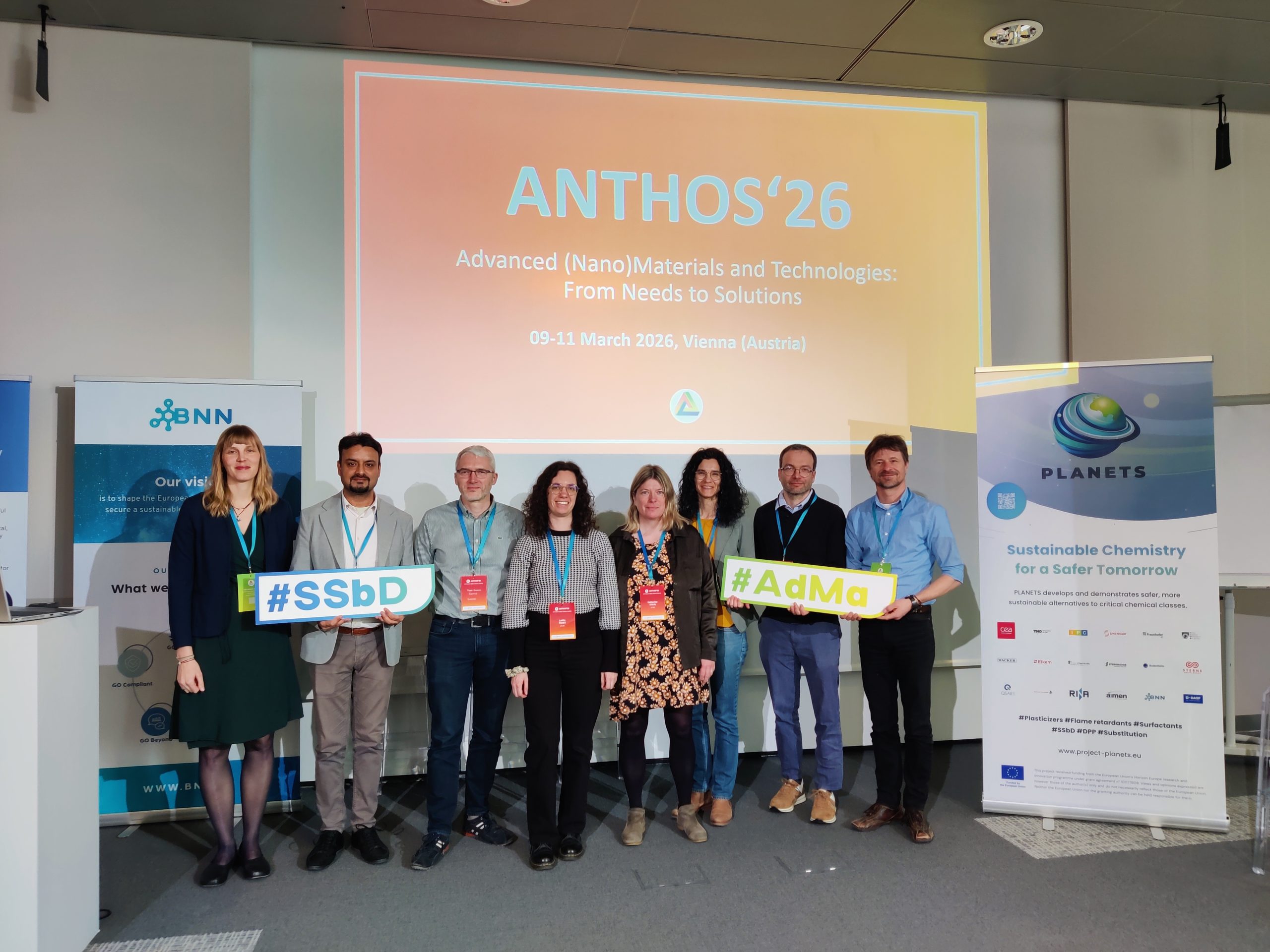
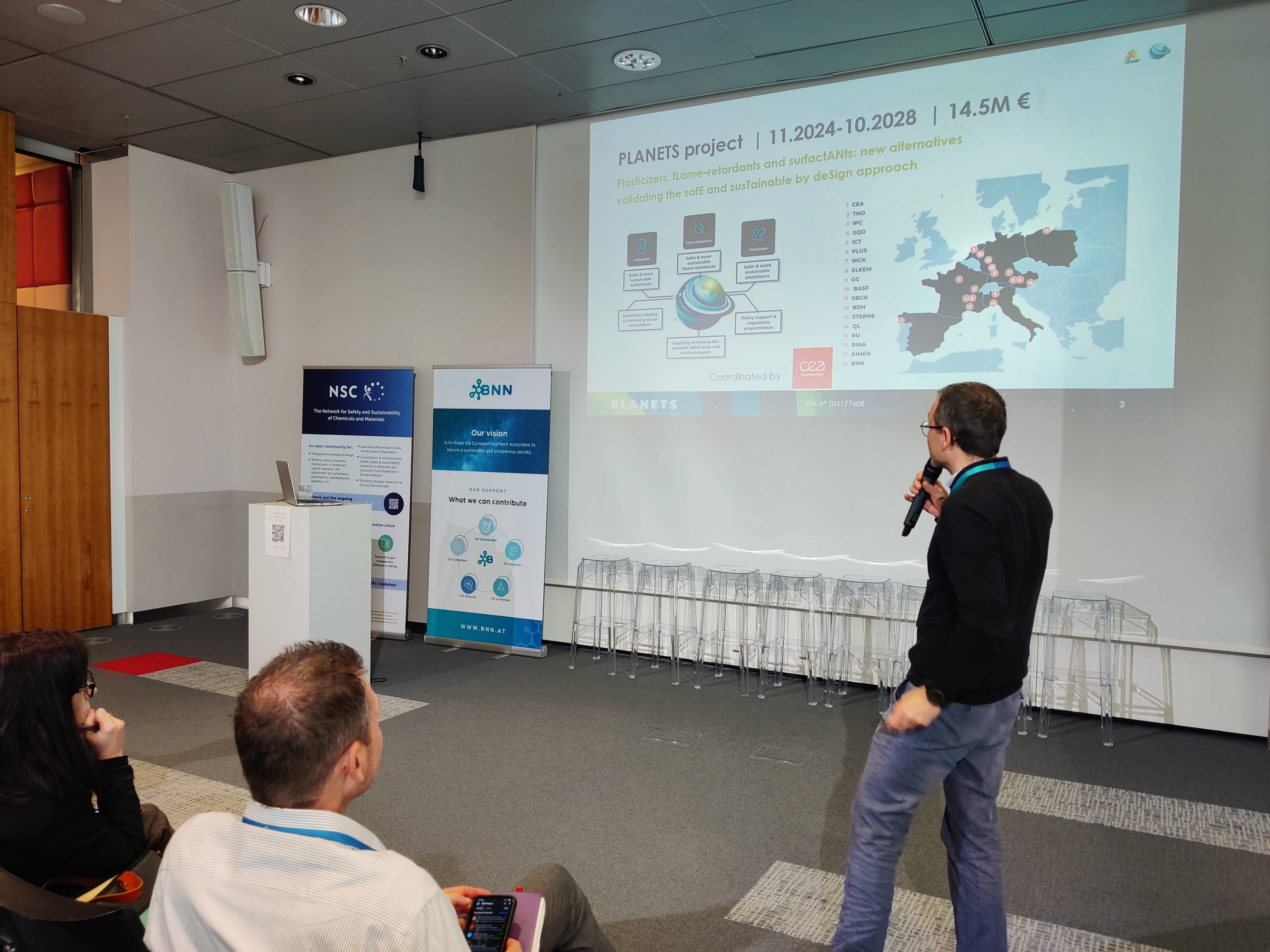
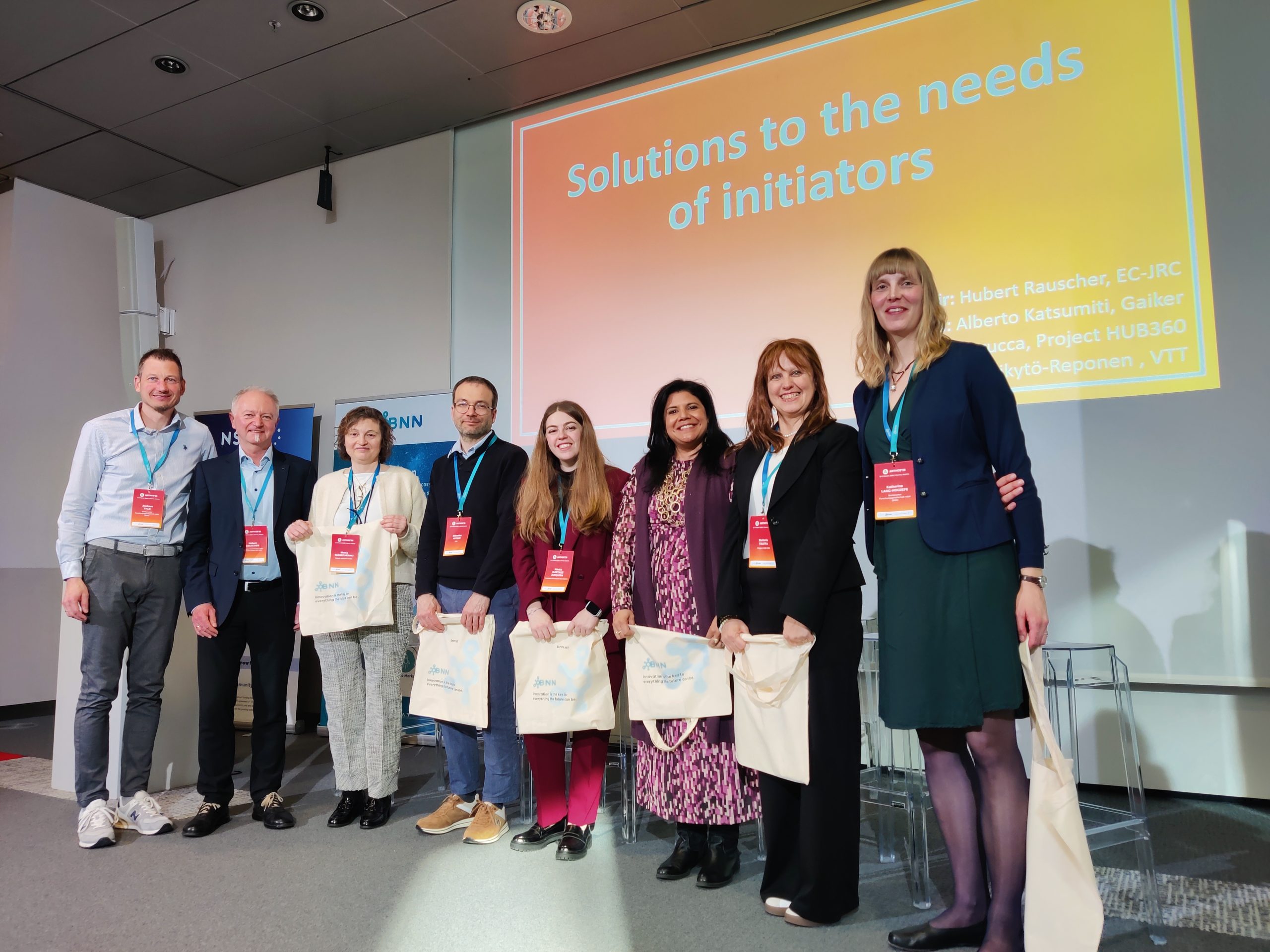
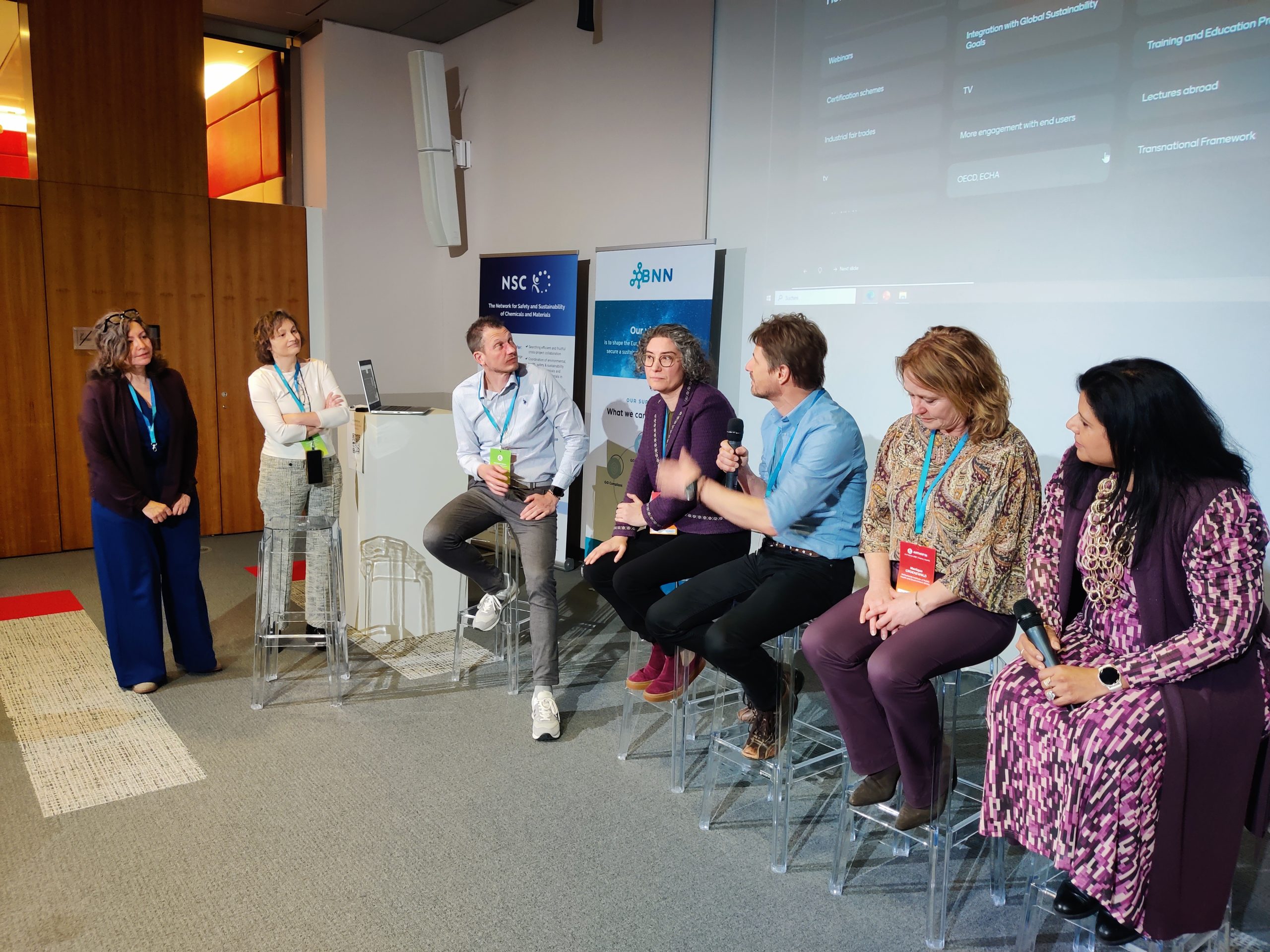
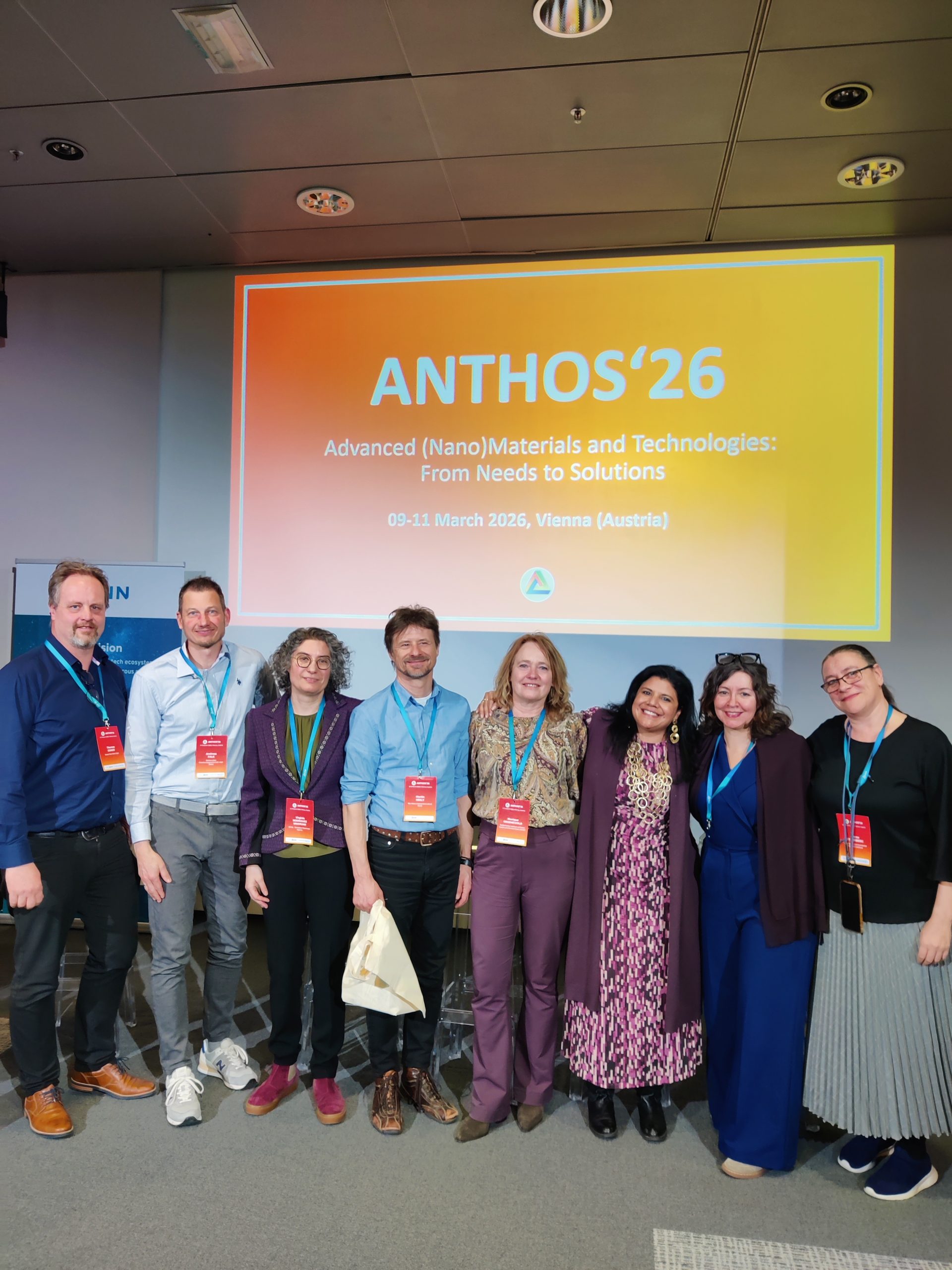
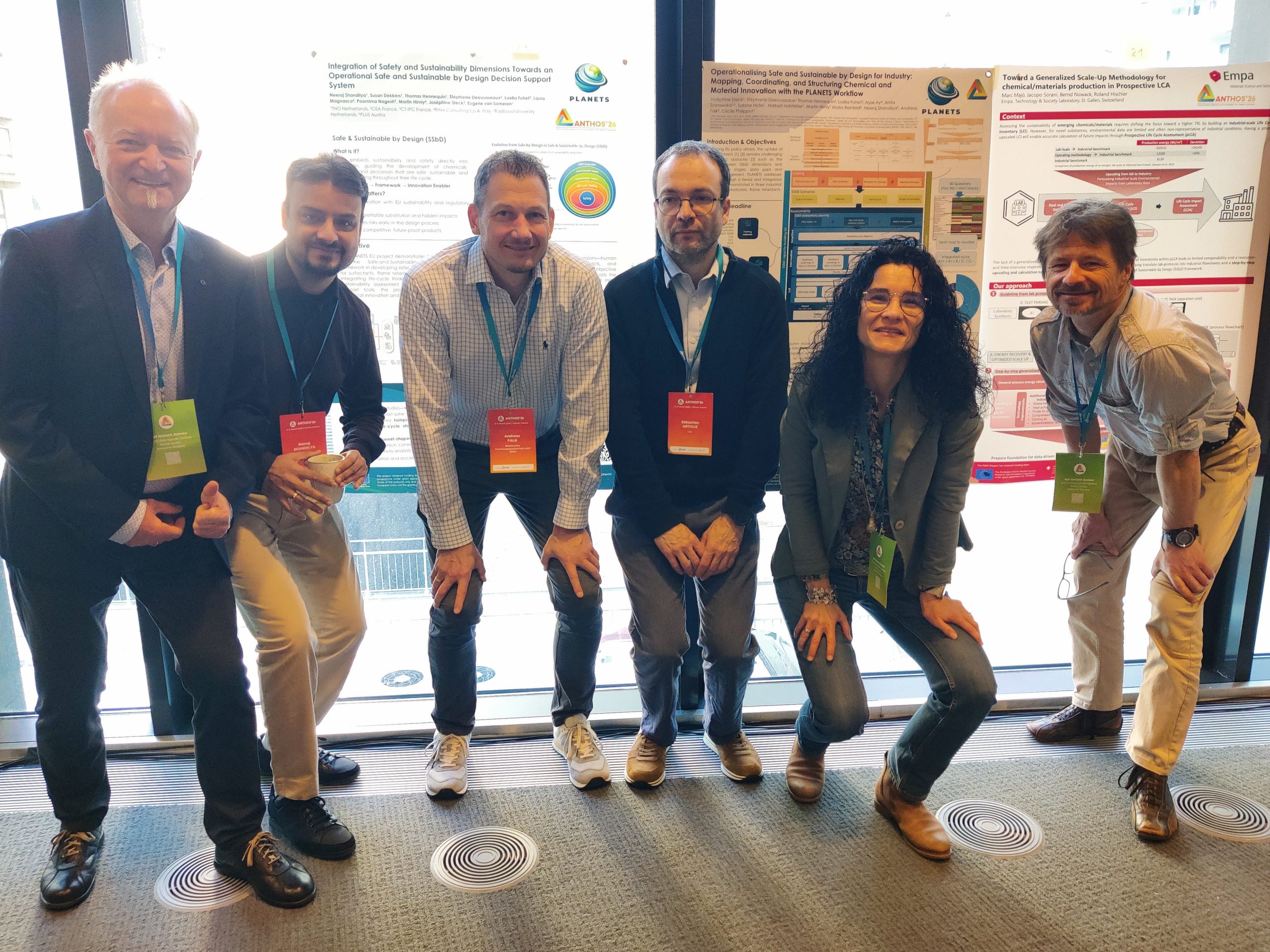
PLANETS @ANTHOS’26 (09-11.03.2026, Vienna)

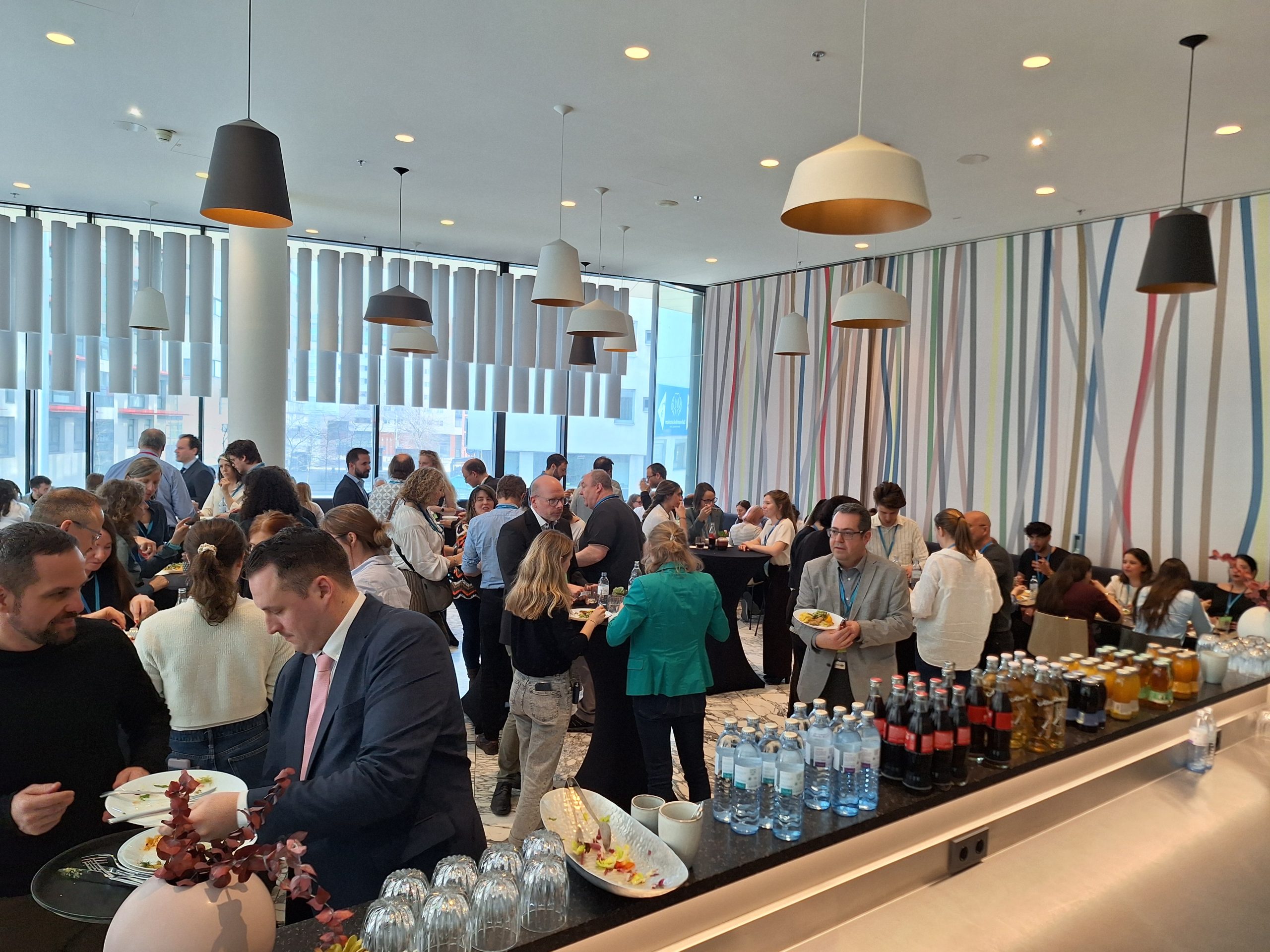
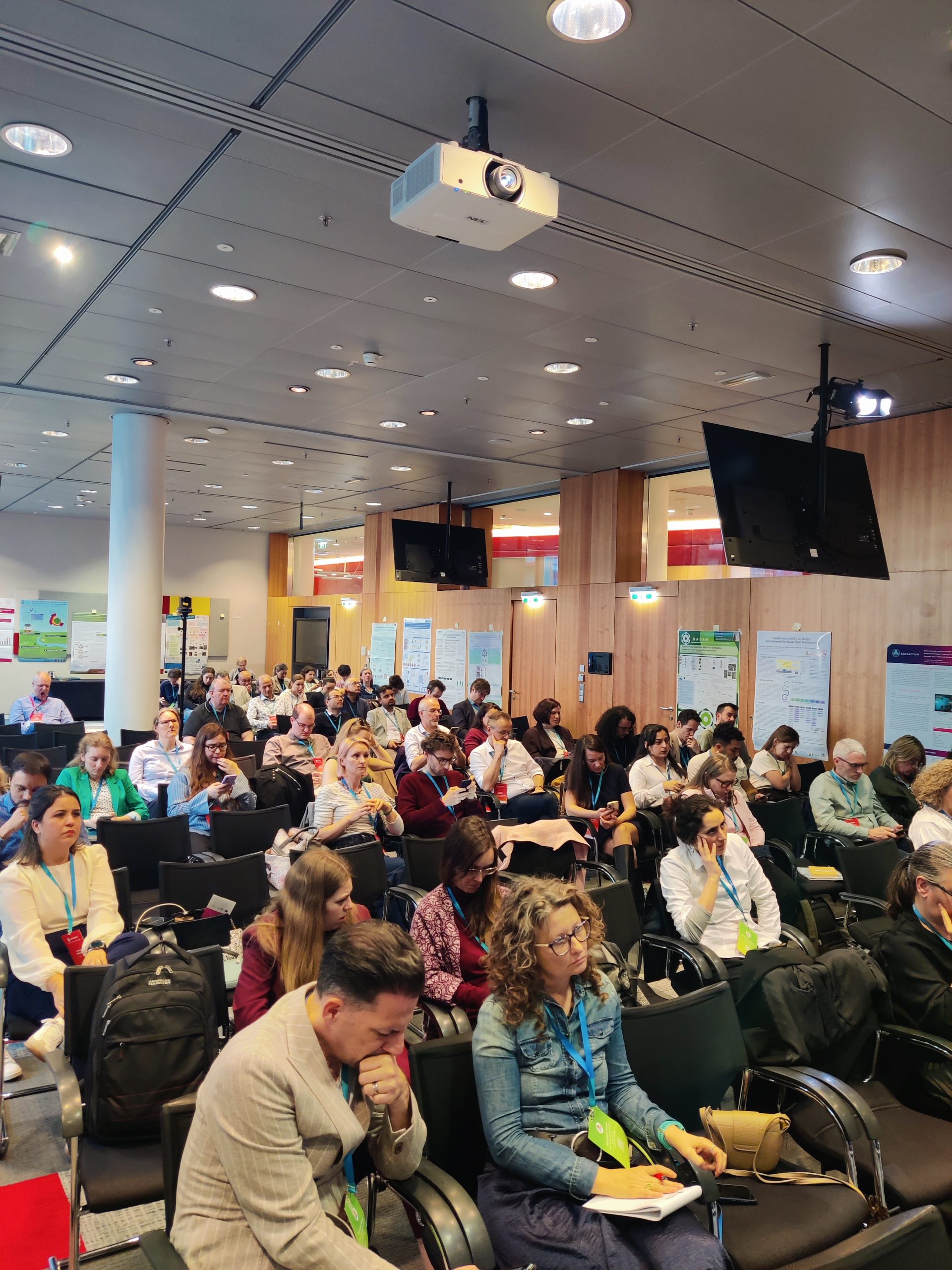
Held from 09-11 March 2026 in Vienna, ANTHOS’26 gathered over 120 experts to advance dialogue on Safe-and-Sustainable-by-Design (SSbD) for Advanced Materials (AdMa). Participants from academia, industry, policy, and regulatory bodies explored ways to align stakeholder needs (i.e., the initiators, the legislators, regulators and implementors) with the solutions that SSbD provides. Key discussions highlighted challenges such as data gaps, complexity, and limited SME uptake. EU-funded projects presented tools, AI approaches, and tiered assessments to support decisions at early-stages. A strong focus was placed on collaboration, regulatory readiness, and pragmatic tools, reinforcing SSbD as a driver for innovation, sustainability, and competitive advantage in Europe.
 
The event was organised by BNN, and supported by the NSC and 12 EU- and national-funded projects (AI-TranspWood, AlChemiSSts, ATIMA, BIOSAFIRE, CheMatSustain, InnoMatSyn, INTEGRANO, PINK, PLANETS, SSbD4CheM, SUNRISE, TOXBOX), as well as two Austrian Ministries (BMIMI and BMLUK).
 

Across three days, the summit created a collaborative platform to exchange knowledge and showcase tools, methodologies, and case studies; discussions highlighted key challenges for SSbD implementation, including limited awareness—particularly among SMEs—data gaps, methodological complexity, and unclear economic incentives. Stakeholders emphasized the need for pragmatic, user-friendly tools, improved data sharing, and stronger links between research, regulation, and industry.

Sessions and roundtables addressed the perspectives of initiators, legislators, regulators, and implementors. A recurring message was the importance of shifting from reactive compliance to proactive, design-led innovation. Solutions presented by EU projects demonstrated how digital tools, AI, tiered assessment strategies, and life-cycle thinking can support early-stage decision-making and reduce risks and costs.

The summit also underlined the importance of regulatory preparedness, trusted environments, and cross-sector collaboration. Concepts such as regulatory sandboxes, standardized data formats, and the role of SSbD ambassadors emerged as key enablers for wider adoption.

ANTHOS’26 concluded with a forward-looking discussion stressing the need for incentives, education, and coordinated action to scale SSbD. The event successfully strengthened collaboration across the community and set the stage for future innovation in safe and sustainable materials.

ANTHOS26_GroupPic_cut

PLANETS had a very active role in the conference:

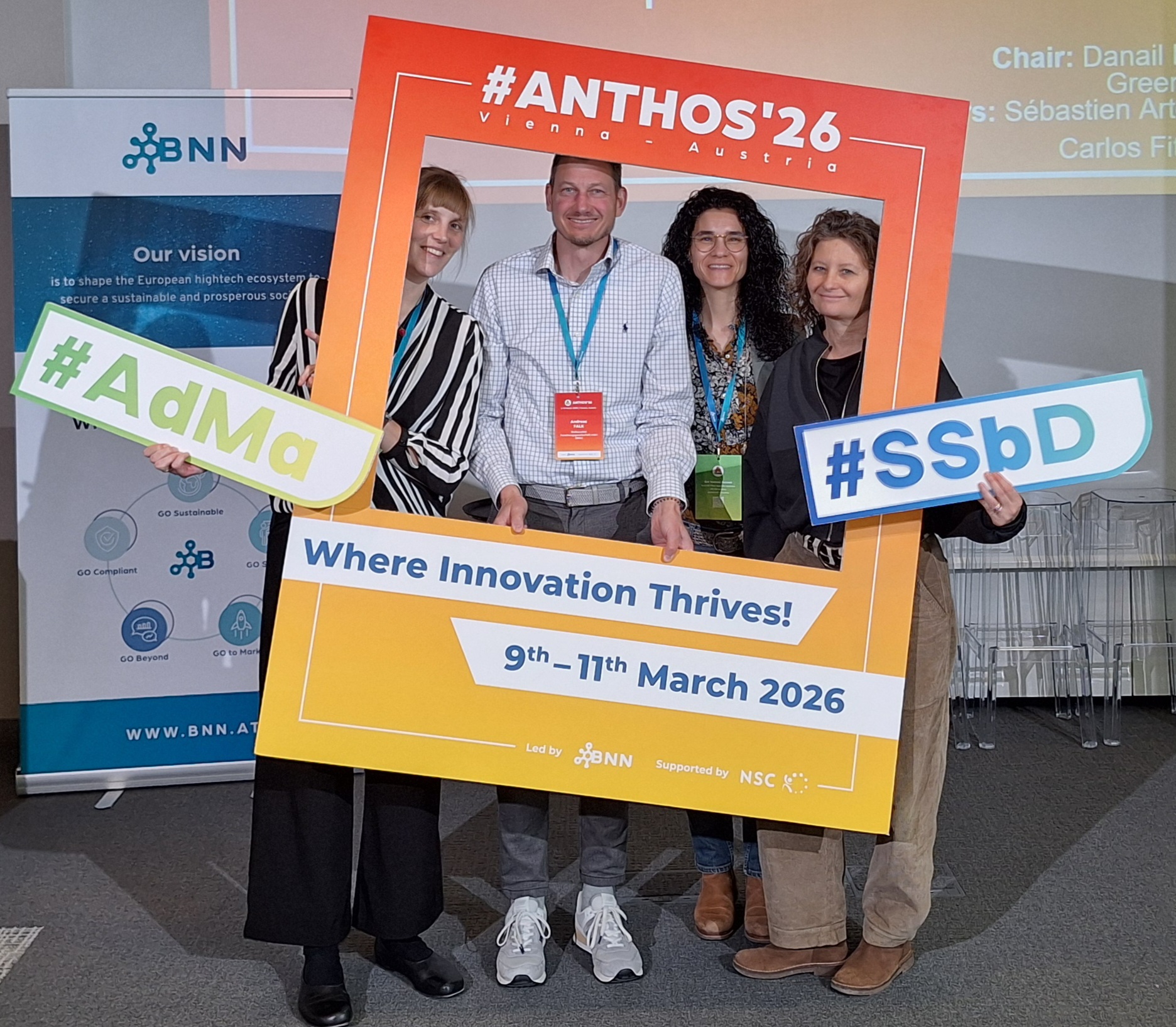
  • Several partners were involved in the Organising Committee (Andreas Falk, Beatriz Alfaro (BNN), Sébastien Artous (CEA), Martin Himly (PLUS)),
  • and in the Scientific Committee (Andreas Falk, Sébastien Artous, Martin Himly).
  • Andreas Falk, Sébastien Artous, Martin Himly reviewed the poster abstracts.
  • BNN (Andreas Falk) was the main moderator of the conference. 
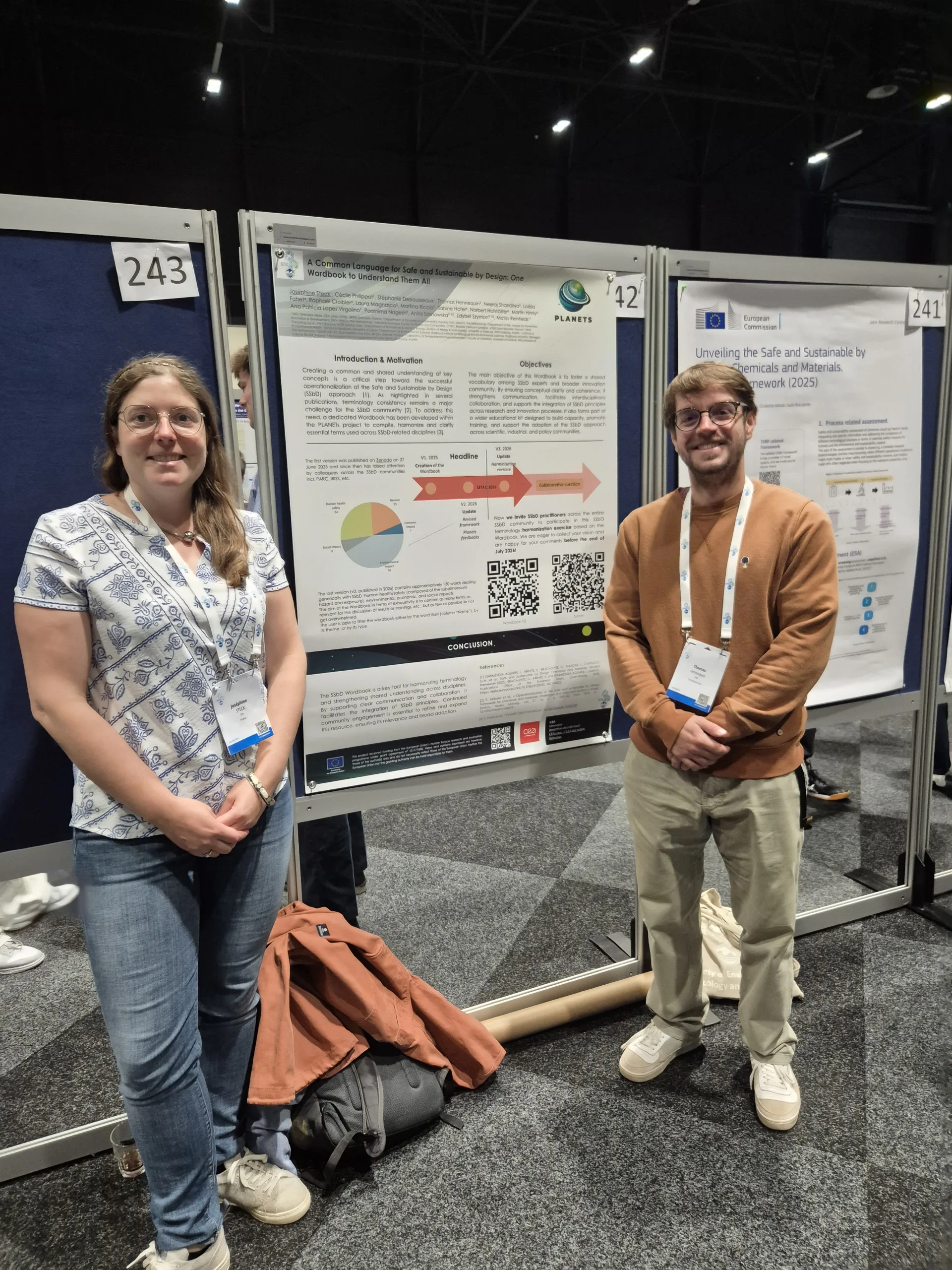
  • Andreas Falk was speaker and panellist in in the Solutions Session 2 (Legislators) representing the NSC. Martin Himly was also panellist in the same round table – He promoted the PLANETS SSbD Wordbook.
  • Sébastien Artous was Co-chair of  the Solutions Session 5 (Corporate Implementators).
  • The project roll up was exposed all throught the conference in the projects area.
  • Pierre Emmanuel Dufils (SYENSQO) was panellists in the Needs Round Table, as representative of industry.
  • Oral presentations:
    • Sébastien Artous, on behalf of Joséphine Steck (CEA), presented the project in the BioNanoNet Networking event
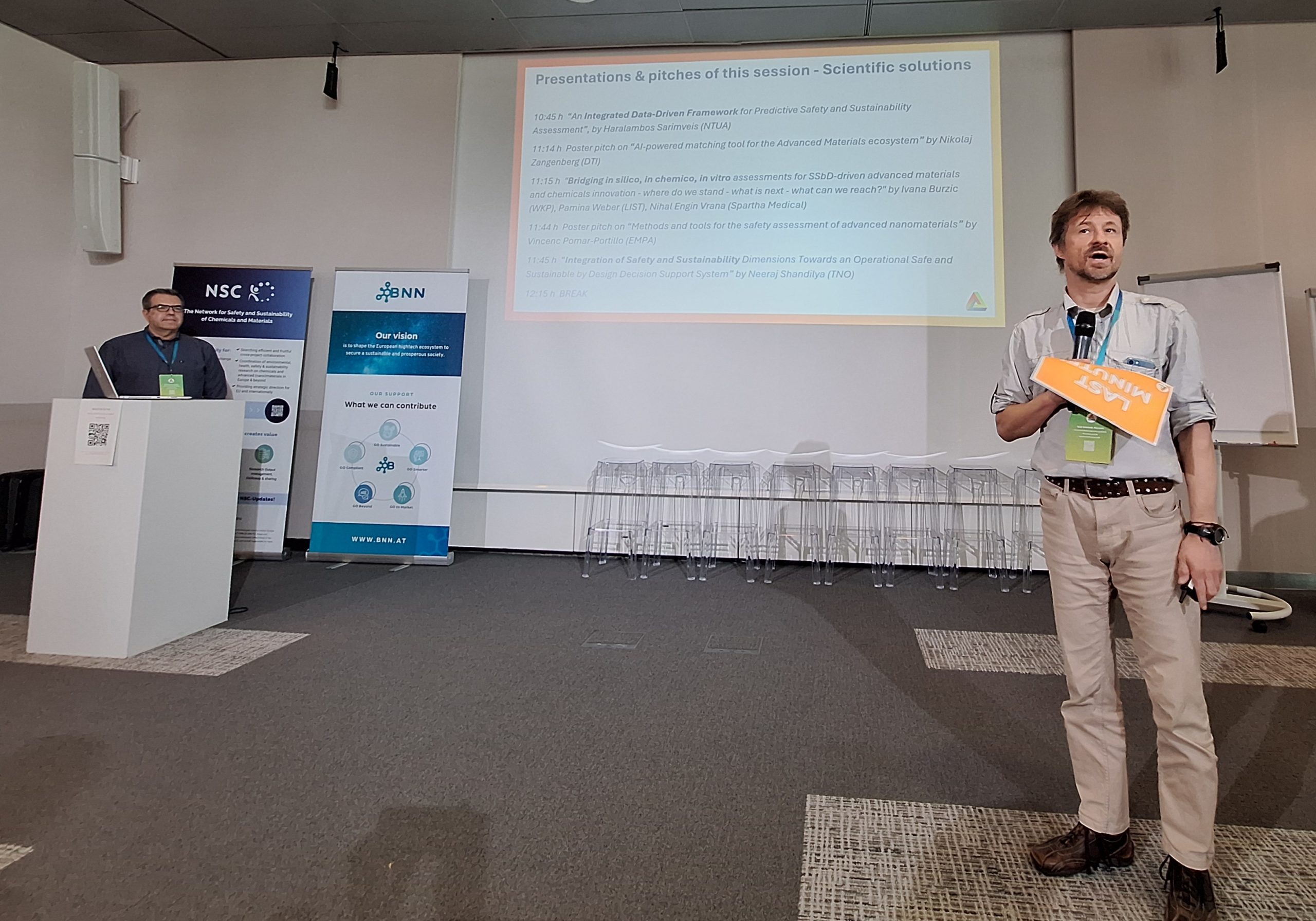
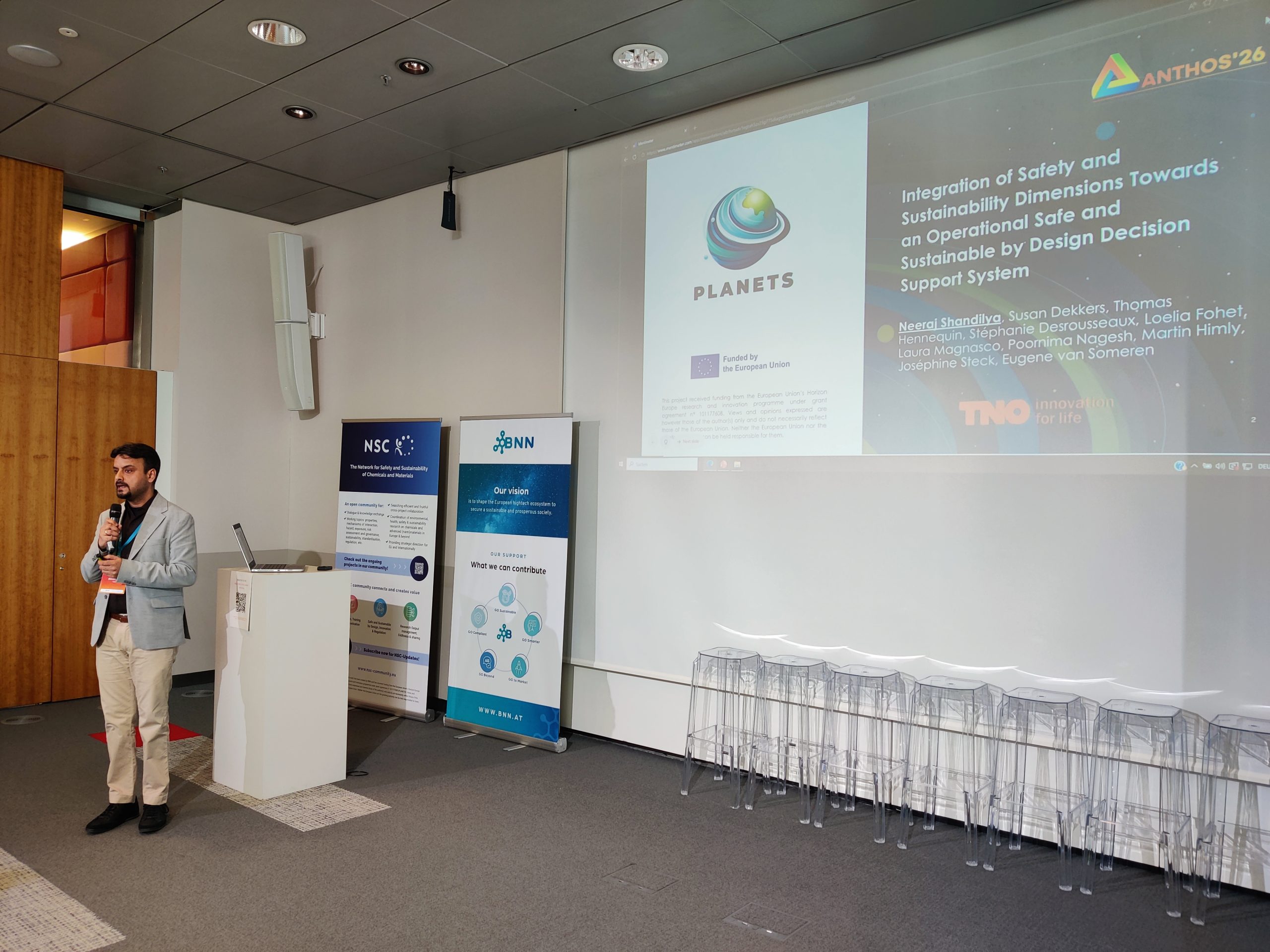
    • Neeraj Shandilya (TNO) gave an oral presentation in the Solitions Session 4 (Scientific Implementors) entitled “Integration of Safety and Sustainability Dimensions Towards an Operational Safe and Sustainable by Design Decision Support System“
  • Posters:
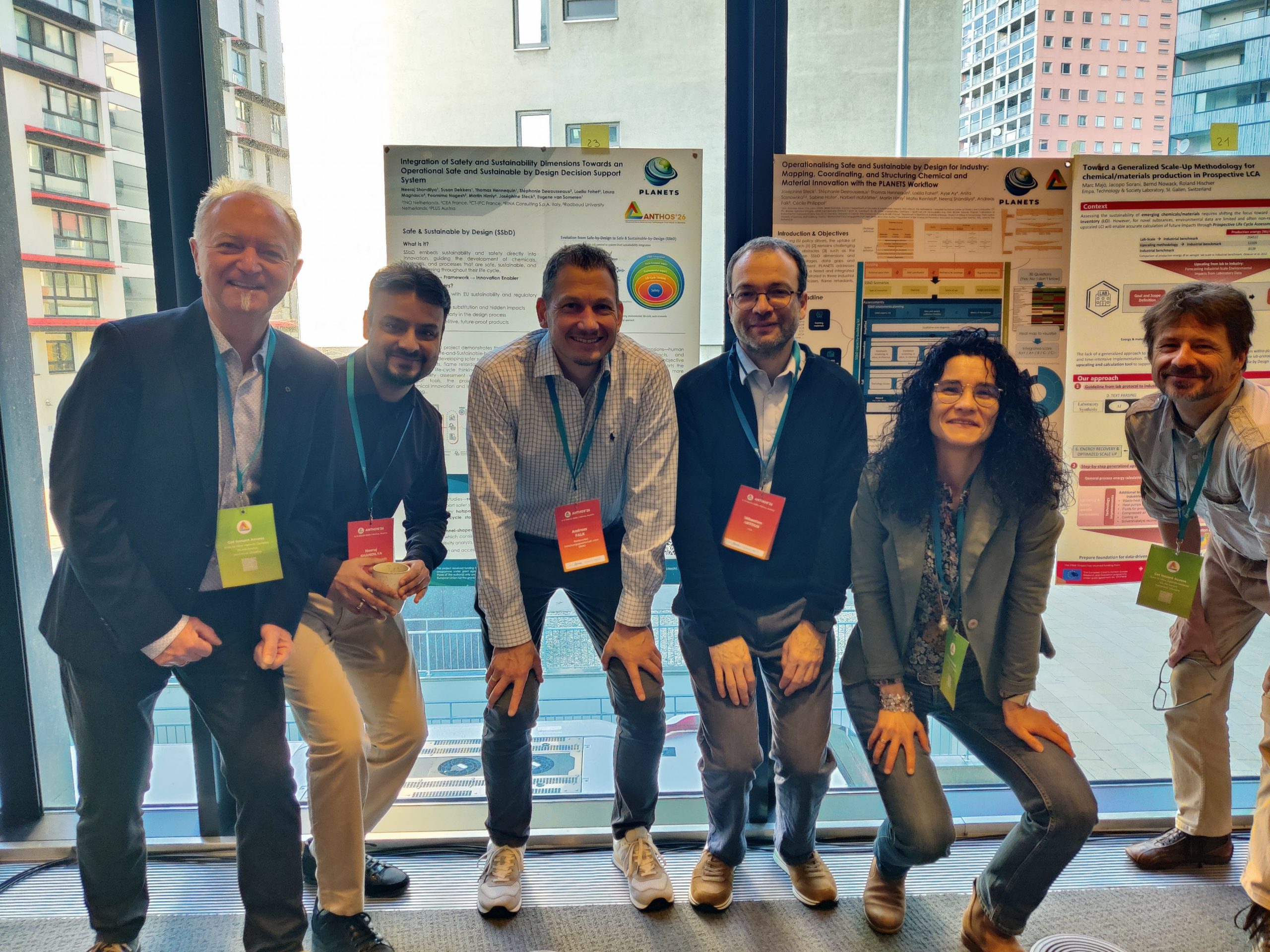
    • Neeraj Shandilya (TNO) had a poster entitled “Integration of Safety and Sustainability Dimensions Towards an Operational Safe and Sustainable by Design Decision Support System“. DOI: 10.5281/zenodo.19370553
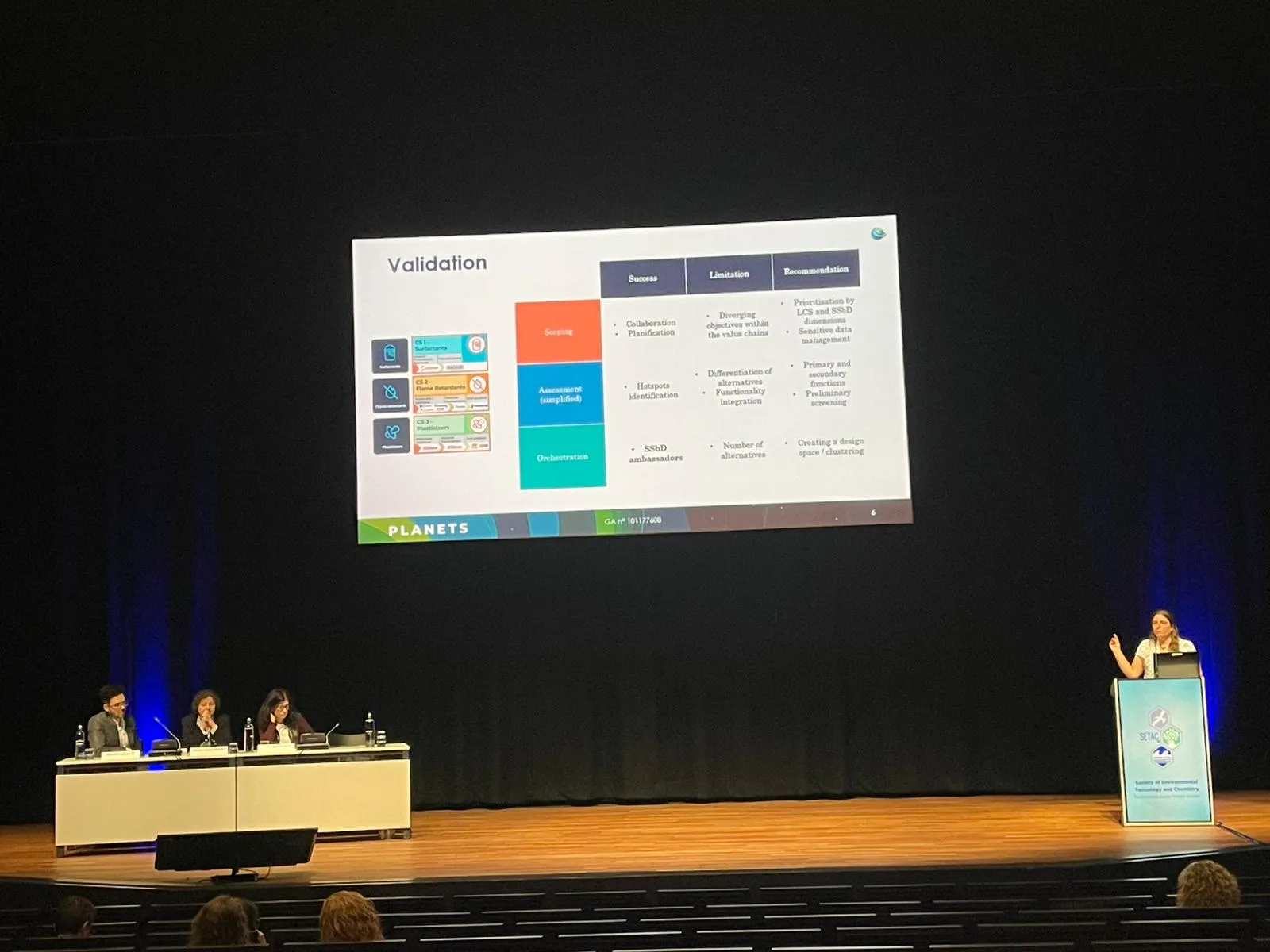
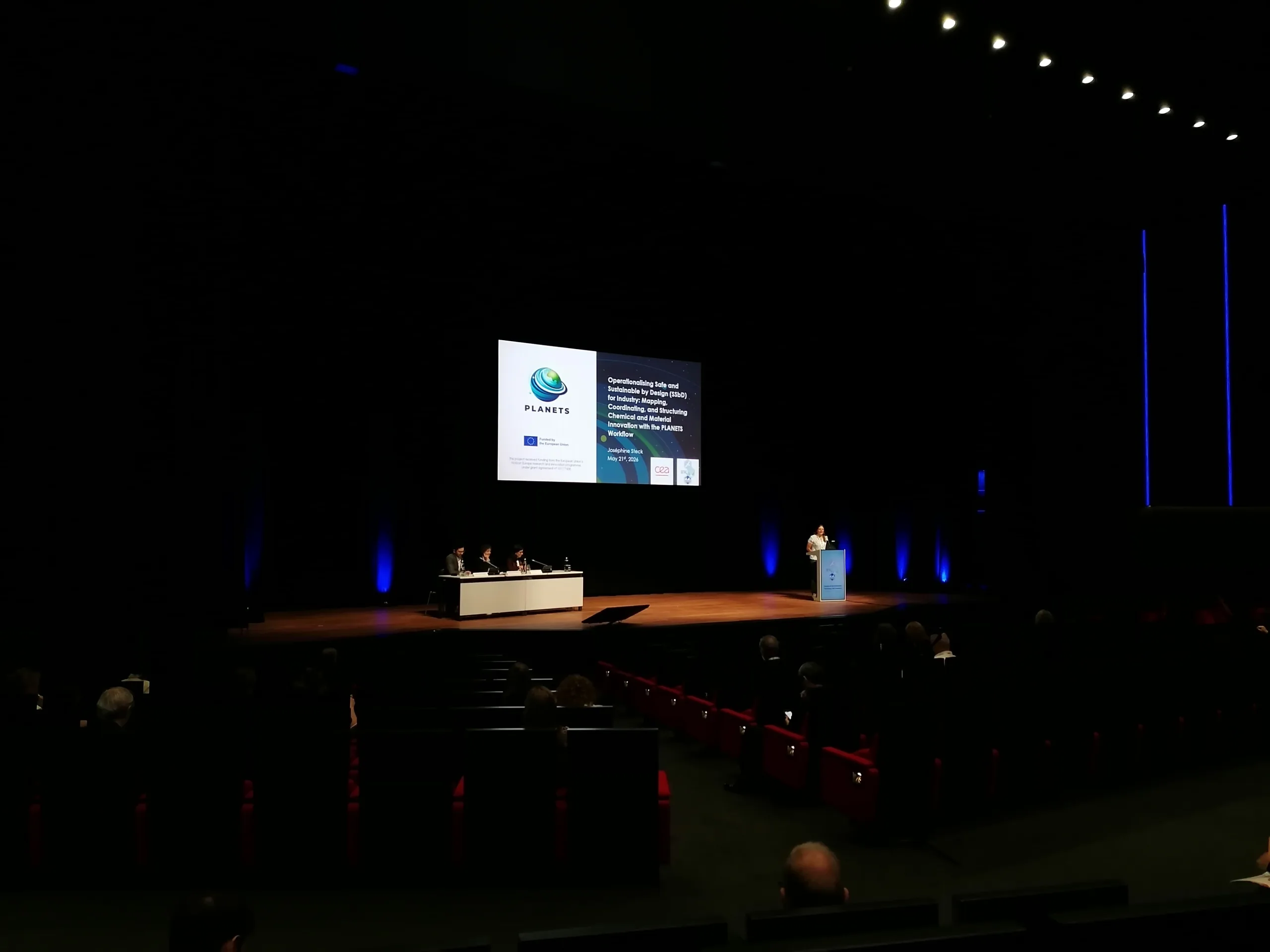
    • Joséphine Steck (CEA) prepared a poster dealing with the PLANETS SSbD workflow, and entitled “Operationalising Safe and Sustainable by Design for Industry: Mapping, Coordinating, and Structuring Chemical and Material Innovation with the PLANETS Workflow“. The poster was presented by Sébastien Artous. DOI: 10.5281/zenodo.18997704
    • Joint poster of the RES-24 projects,  prepared by Beatriz Alfaro and Joséphine Steck, publicly available in Zenodo under DOI: 10.5281/zenodo.19064881
Read a full recap of the three impactful days here.
 
Some insight into the 3 days – Have a look at the pictures!
20251126_PGCevent_Vienna (1) - 2
News
December 4, 2025

PLANETS engages in Dialogue on Safe and Sustainable Chemistry in Vienna

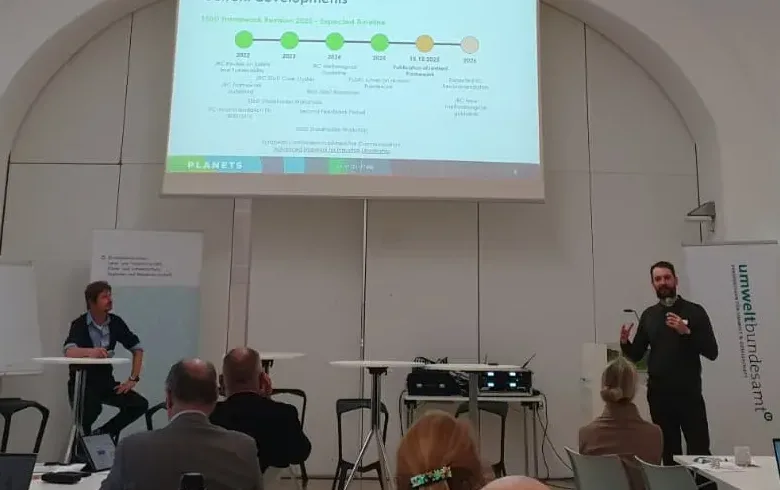
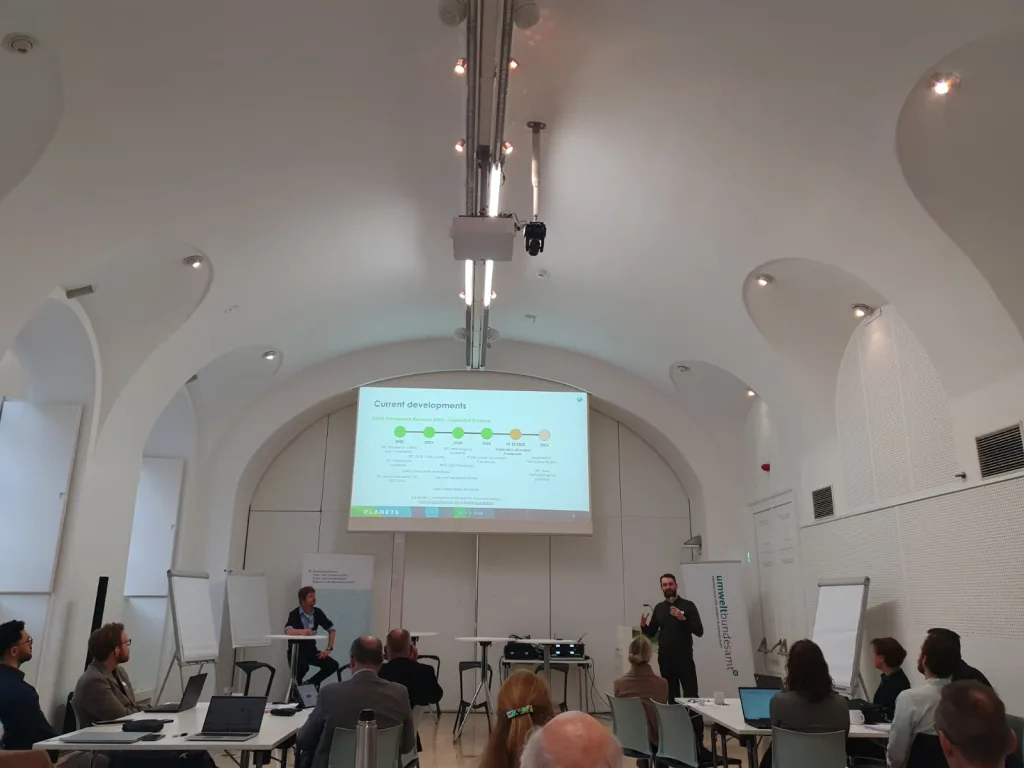
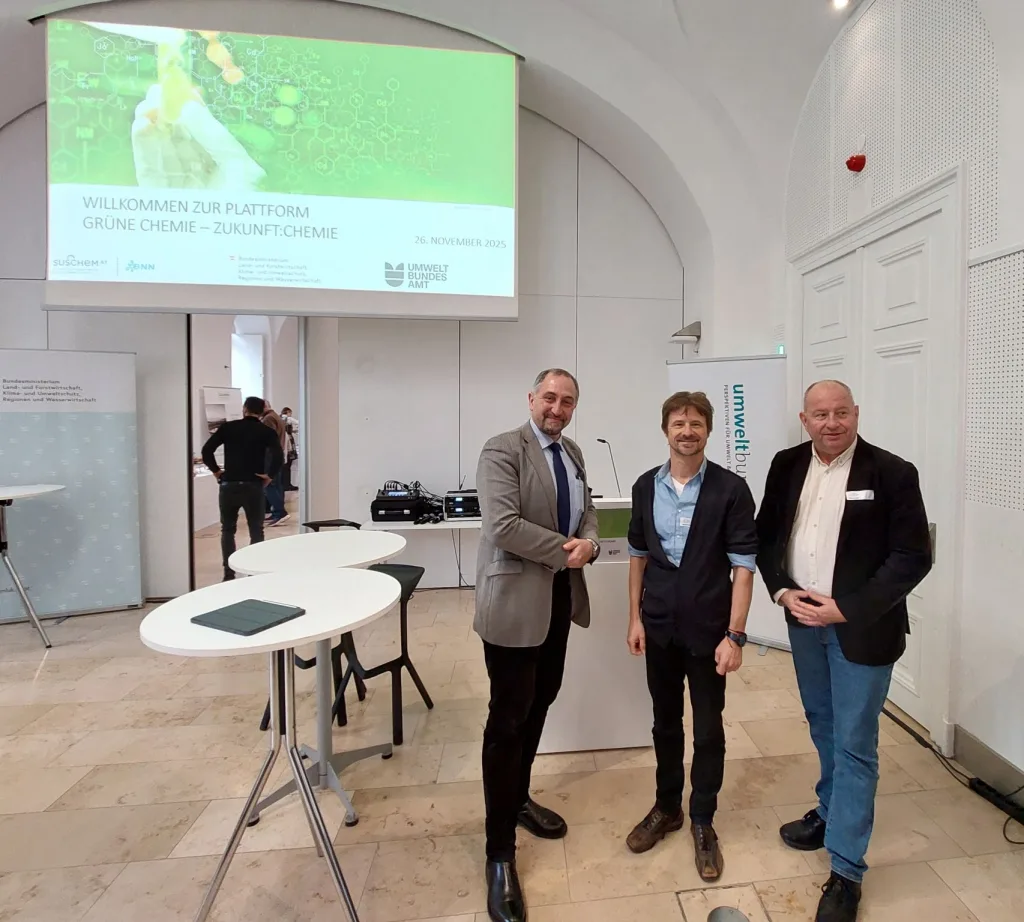
On 26 November 2025, PLANETS participated in an event jointly organised by Platform Green Chemistry (PGC) and SusChem-AT at the Vienna University of Technology. Bringing together stakeholders from policy, industry, research and the start-up community, the meeting focused on “From idea to impact: Start-ups and safe and sustainable by design for future-oriented chemistry.”

Clemens Wolf (BNN) introduced the evolving EU Safe-and-Sustainable-by-Design (SSbD) framework, outlining its importance for developing safer and more sustainable advanced materials.

Martin Himly (PLUS) demonstrated how SSbD principles can be practically implemented to support innovation within green chemistry start-ups.

Clemens and Martin also conducted an informal live survey with the participants, to assess their level of knowledge on SSbD. Results available here.

Their presentation is available under Creative Commons Attribution 4.0 International in the PLANETS Community in Zenodo with DOI: 10.5281/zenodo.17817072.

PLANETS was pleased to be part of this forward-looking exchange.


A warm thank you goes to the Federal Ministry of Agriculture, Forestry, Regional Development and Water Management (BMLUK) and the Austrian Environmental Agency for making this event possible.

20251126_PGCevent_Vienna (1)
20251126_PGCevent_Vienna (3)
20251125_C4R_2ndMeeting_GroupPic
News
December 2, 2025

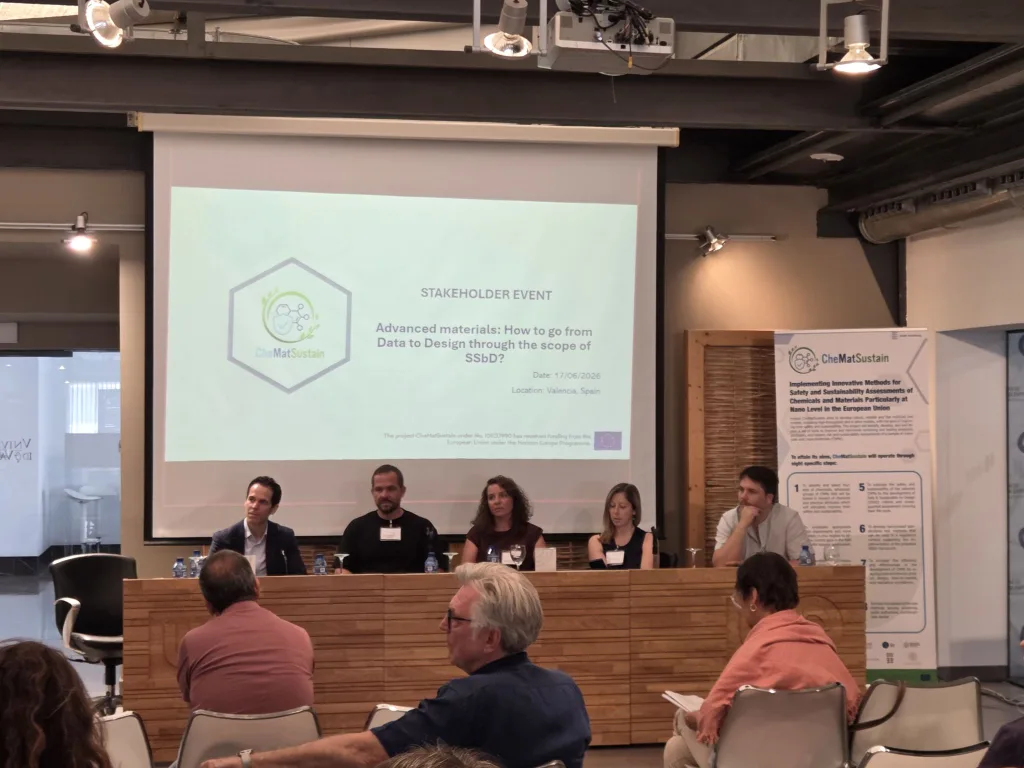
PLANETS @ 2nd Collab4Resilience (C&R) meeting

On 25 November 2025, the Collab4Resilience (C&R) network met for its second online networking workshop. 17 participants representing 9 EU-funded projects gather to further build on the KOM from April 2025, and aiming to strengthen collaboration between projects and enhance their visibility and outreach activities.

The meeting was opened by the Hamburg University of Applied Sciences, coordinator of the CheMatSustain project and leader of the initiative. They provided a brief overview of the network’s progress to date and recent developments within CheMatSustain. This was followed by a short presentation from the University of Bologna introducing the CheMatSustain Facility, the project’s key output, launched in 2025.

One of the highlights of the meeting was the “What We’re Proud Of” round, during which each project highlighted recent developments and achievements. Afterthat, we dive into a more interactive session with a digital mural to gather ideas for future communication activities—ranging from social media initiatives to joint events—as well as a knowledge-sharing activity to identify tangible collaboration opportunities.

The workshop concluded with a forward-looking discussion on plans for 2026, setting out practical next steps to strengthen communication, share resources, and foster mutual support.

Overall, the event demonstrated strong interest in further developing the community. 

Agenda of the meeting.

PLANETS_SSbD25_GroupPic1
News
November 12, 2025

PLANETS @ SSbD25

From 10-12 November 2025, PLANETS’ partners took part in the 2nd Safe-and-Sustainable-by-Design (SSbD) Conference – SSbD25, held in Zurich, Switzerland. The event, organised by IRISS project – the International SSbD Community – and Empa, brought together researchers, industry representatives, and policymakers to exchange knowledge and advance the implementation of SSbD principles across sectors.

The PLANETS consortium was well represented, with partners including Sébastien Artous (CEA), Ayse Ay and Wendel Wohlleben (BASF), as well as Benjamin Punz and Martin Himly (PLUS).

During the conference, Ayse Ay presented a poster on the SSbD assessment of alternative flame retardants for use in plastic insulation foams, showcasing PLANETS’ contribution to developing safer and more sustainable materials. DOI: 10.5281/zenodo.17593867.

Wendel gave an oral presentation entitled “Innovators tailor the SSbD implementation via SSbD scenarios“. In his presentation, Wendel explained how innovators can adapt SSbD to their specific context. It introduces rules for tailoring SSbD based on key scoping factors—novelty, sector, and innovation goals—and economic aspects such as R&D budget, maturity, and expected value. From these, archetypal scenarios arederived that reveal where economic incentives support tailored SSbD approaches, offering clear guidance for innovators.

It was a great opportunity to reconnect with the broader SSbD community, share insights, and discuss the path forward towards sustainable innovation.

A big thank you to the organisers for an inspiring event – we’re already looking forward to next year’s edition!

Conference programm available here.

PLANETS_SSbD25_Ayse_Poster_1
PLANETS_SSbD25_GroupPic1
SSbD25_WendelPresentation2
SSbD25_WendelPresentation
SSbD25_GrouPictureAll
PLANETS_3rdAustrianLifeScienceDay4
News
October 20, 2025

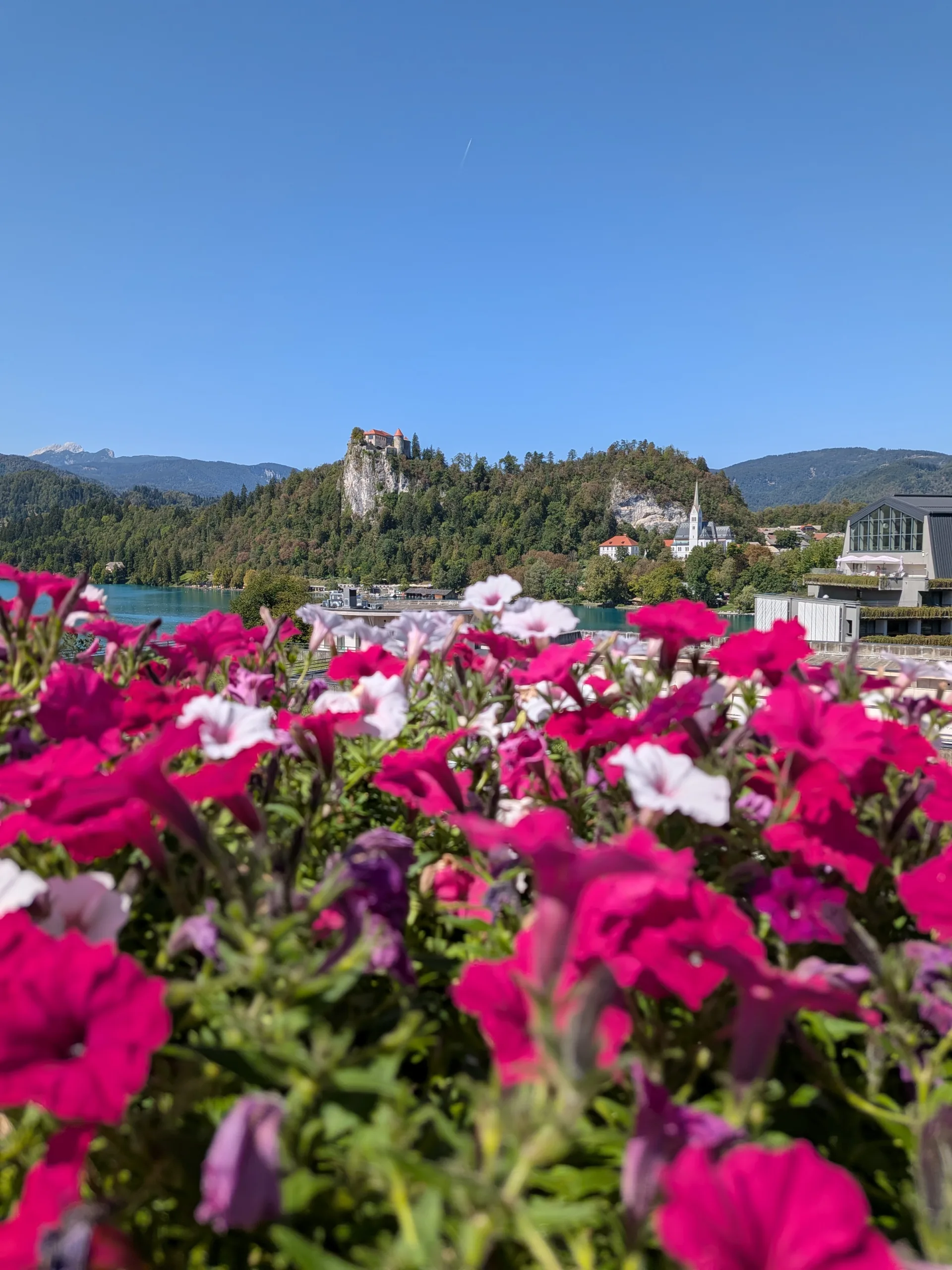
PLANETS @ 3rd Austrian Life Science Day

On 8 October 2025, the 3rd Austrian Life Science Day took place in Linz, Austria, bringing together stakeholders to discuss solutions for making the healthcare and medical technology sectors more sustainable and environmentally friendly.

The event was organised by the Medical Technology Cluster (MTC) Upper Austria, with the support of Life Science Austria (LISA), Human.Technology.Styria, Innovation.Salzburg, LISAvienna, ECOplus and the Standortagentur Tirol.

The PLANETS project was represented by Martin Himly (PLUS) and Andreas Falk (BNN). Martin Himly delivered an oral presentation entitled “Methodological developments and challenges in the implementation of current safety and sustainability concepts“, focused on Safe-and-Sustainable-by-Design (SSbD) and data FAIRness in the advanced materials and chemicals innovation markets. His presentation was based on research and insights generated within the PLANETS and PINK projects.

Further information and highlights from the event are available on the Business Upper Austria website.
PLANETS_3rdAustrianLifeScienceDay4
PLANETS_3rdAustrianLifeScienceDay3
PLANETS_3rdAustrianLifeScienceDay2
PLANETS_3rdAustrianLifeScienceDay5
GroupPic cropped
News
October 16, 2025

PLANETS @ BioNanoNet Annual Forum 2025

The BioNanoNet community gathered in Linz, Austria on 7 October 2025 to discuss how advanced technologies and sustainable industrial practices are being translated into the life sciences sector.  

The BioNanoNet Annual Forum 2025 took place at the LIT Open Innovation Center in the vibrant city of Linz, where four of our members graciously co-hosted and welcomed us to their facilities. Attendees were treated to site tours at Johannes-Kepler-University (JKU) IPC Institute, Competence Center CHASE, RECENDT and Wood K plus. The partners shared fascinating insights into their R&D work, including different methods for non-destructive testing, the production of sustainable polymers, a showcase of polymer waste recycling, and possible applications of bacterial cellulose. 

The forum started with a welcome by Alberta Bonanni, vice-rector of JKU, highlighting the importance of interdisciplinary cooperation and was followed by keynotes from Dr. Michael Egermeier, Wood K plus (“Bacterial Cellulose Emerging as Novel Material for Advanced Applications”), Dr. Markus Brandstetter, RECENDT (“Bio-Nano-Med & Chemical Analytics at RECENDT”), and Patrick Pammer, CHASE (“Upgrading Plastic Wastes to Industrial Feedstocks”).  

After the 4 site visits, the group reconvened in the LIT Open Innovation Center for a Life Science Session spanning a wide range of topics starting with a talk by Werner Haselmayr, JKU, on the “Internet of Bio-Nano Things: Extending Connectivity to Unconventional Domains”. Max Sonnleitner, CEO of Genspeed Biotech, shared his insights from years of experience  on how to bring an innovative idea  to a final product in diagnostics. This was complemented by a perspective from BNN’s regulatory specialist Daniel García emphasizing the need for innovation support including regulations.  

The second session was dedicated to Safe-and-Sustainable-by-Design (SSbD) with updates from current and past projects as well as newly established methodologies.  Milica Velimirovic of VITO presented the first case study with “Applying the SSbD4CheM Toolbox in Case Studies for Sustainable Material Design”. Danail Hristozov of GreenDecision presented new methodologies from the project SUNRISE and the NSC Community with his talk “SSbD in the NSC field – Tiered SSbD approach and e-infrastructure”. Next, Martin Himly of PLUS presented PINK and PLANETS projects, showing fascinating work on how to implement SSbD in concrete industrial chemicals and materials value chains. Finally, Andreas Barth of Wood K plus shared the lessons learned and opportunities of Social LCA within the SSbD Framework and put a spotlight on this oft-underrepresented dimension of SSbD.   

The highlight of the event was the final Networking Pitch Session, moderated by BNN’s Clemens Wolf. Fifteen members had a single slide and 30 seconds to pitch their expertise and seek collaboration opportunities. It was a lively session showcasing the great diversity and potential within the BNN network, and it sparked lots of ideas and initiated new connections!  

The evening ended with a networking buffet and drinks. As always, we greatly enjoyed the time with all participants and especially getting to see the facilities of JKU, CHASE, RECENDT and Wood K plus.

Agenda of the event. 

Some impressions of the day:
IMG_20251007_170031
IMG_20251007_170020
GroupPic cropped
AnnualForum_2_cropped
IMG_20251007_182945
IMG_20251007_192405
IMG-20251007-WA0009
IMG_20251007_132815
IMG_20251007_134824
IMG_20251007_135932
GroupPic
News
September 19, 2025

Recap of Polymer Additives Academy 2025

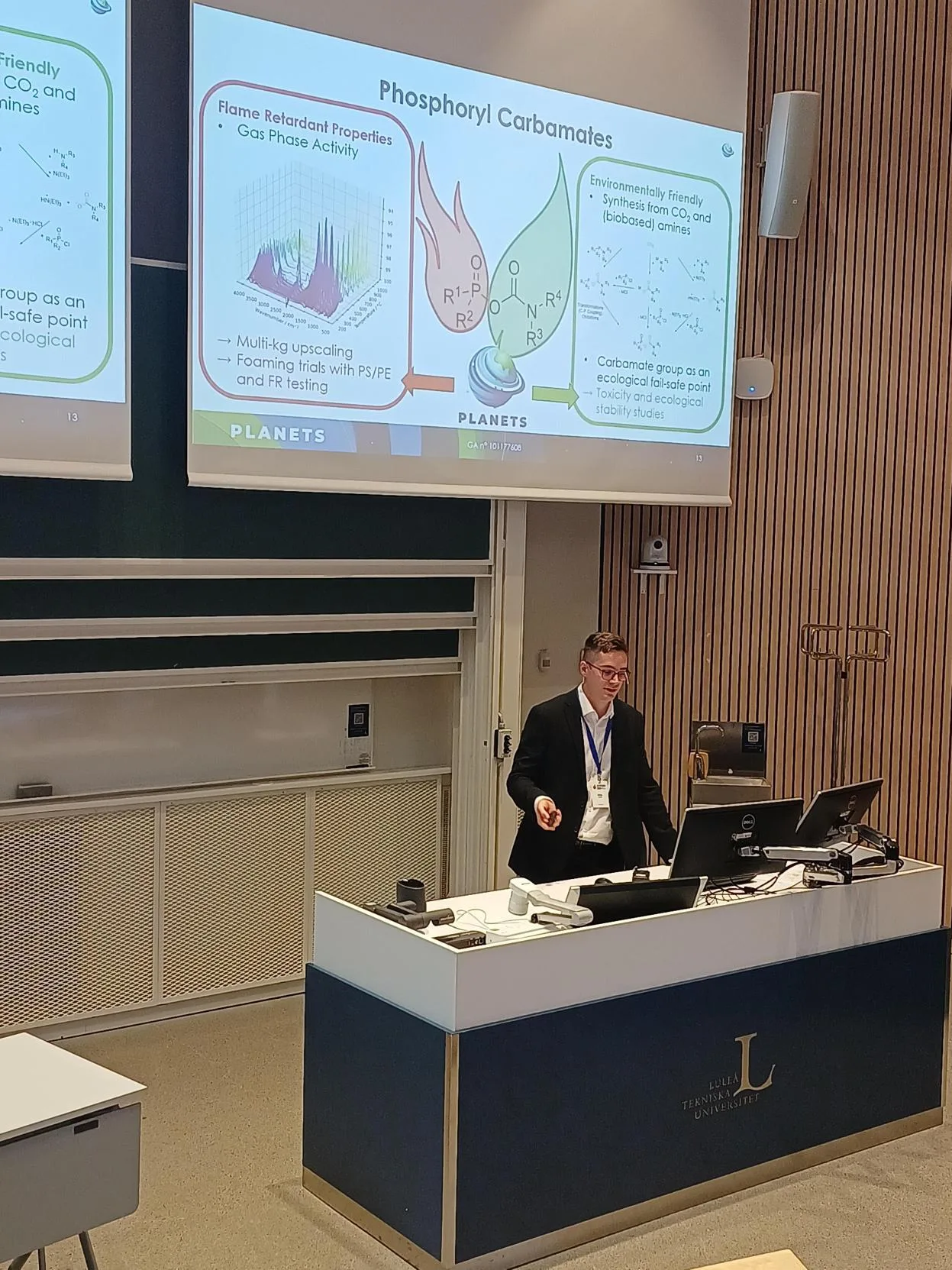
On 5 September 2025, the Polymer Additives Academy 2025 hosted its second (of four) session at the NHOW Hotel in Milan (Italy), bringing together more than 120 participants (80 on-site and 45 online). Organized by the PLANETS partner Greenchemicals, the event served as a platform for dialogue between industry experts, researchers, technicians, and university students, focusing on the latest advances in polymer additives and sustainability.

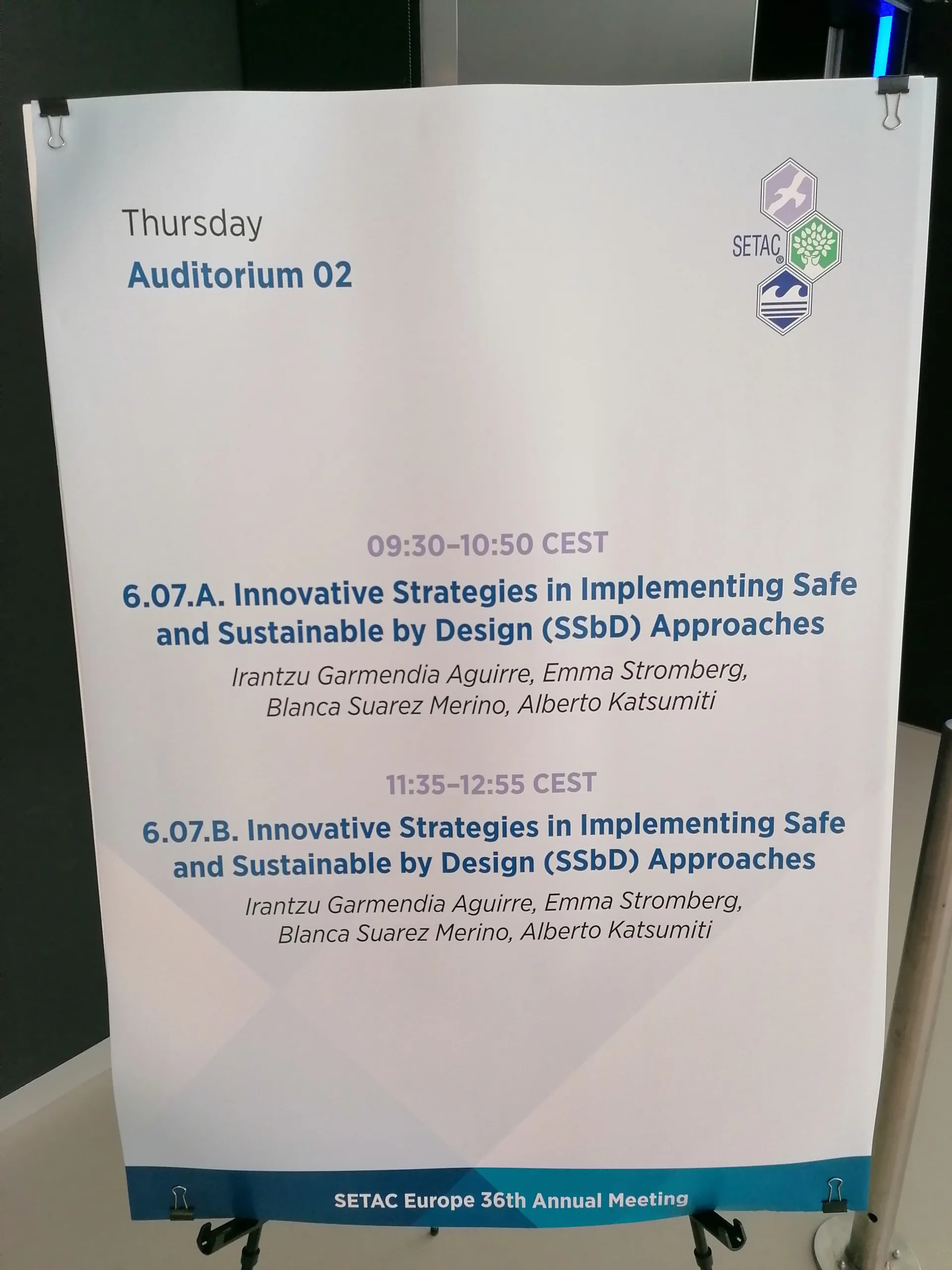
This second session was focused on styrenics polymers, concretely on insulating foams. The program day’s agenda covered a broad spectrum of topics, from the evolution of XPS foams and low-halogen flame retardants to Safe-and-Sustainable-by-Design (SSbD) approaches, recycling strategies, and CAM criteria (Minimum Environmental Criteria (CAM – Criteri Ambientali Minimi)). Contributions from academia, industry, and institutions highlighted both regulatory developments and technological solutions driving innovation in the sector.

Of course, PLANETS could not miss it and many partners attended the event: Carl-Christoph Höhne, Benedikt Bitzer (Fraunhofer ICT), Joséphine Steck, Marie Carriere, Nienke Ruijter (CEA), Laura Magnasco, Martina Riccio (RINA), Tobias Moss, Roberto Chinchilla Pardos (Budenheim), Wendel Wohlleben, Ayse Ay (BASF), Martin Himly, Sabine Hofer, Norbert Hofstätter (PLUS), Vanessa Alvear (AIMEN), Herbert Scharnagl, Leonhard Ritter (Steinbacher Dämmstoff GmbH), Thomas Hennequin (TNO), Poornima Nagesh (Radboud University), Anita Sosnowska, Szymon Zdybel (QSAR Lab), as well as the hosts of the event, Micaela Lorenzi, Sabrina Zambotti, Valentina Pelliccioli, Barbara Chinello, Sofia Luise, Davide Lecchi, Doris Lemi (Greenchemicals).

A highlight of the event was the oral presentation by Carl Christoph Höhne (Fraunhofer ICT) and Thomas Hennequin (TNO) entitled “Safe-and-Sustainable-by-Design (SSbD) Flame Retardants for Insulation Foams – the EU PLANETS Project Approach”, which provided valuable insights into how SSbD principles can be applied to flame retardants in styrenic insulation materials.

Both presentations are available in the PLANETS Community in Zenodo under DOI: 10.24406/publica-5377.

The strong interest confirmed the event’s success in reaching a highly relevant audience and showcasing collaborative European efforts in advancing sustainability in polymer additives.

Additionally, a hybrid meeting of the flame retardants case study of PLANETS was also organised, to discuss the status and next steps in the project.


Some impressions of the Polymers Academy and the internal meeting:


PLANETS_INTOXICOM-4
News
July 1, 2025

PLANETS co organises 4th INTOXICOM Workshop on FAIR Toxicology Education

On 24–25 June 2025, the PLANETS project (in specific Martin Himly from PLUS – Task 8.2) co‑organised the 4th INTOXICOM workshop at the University of Birmingham (UK), in collaboration with projects such as PARC and initiatives including ELIXIR‑TeSS. Held under the title “Making Toxicology Educational Resources more FAIR”, the workshop brought together a broad community of experts to advance the FAIRification (Findable, Accessible, Interoperable and Reusable) of toxicology education and training.

ELIXIR_INTOXICOM

On 24–25 June 2025, the PLANETS project (in specific Martin Himly from PLUS – Task 8.2) co‑organised the 4th INTOXICOM workshop at the University of Birmingham (UK), in collaboration with projects such as PARC and initiatives including ELIXIR‑TeSS. Held under the title “Making Toxicology Educational Resources more FAIR”, the workshop brought together a broad community of experts to advance the FAIRification (Findable, Accessible, Interoperable and Reusable) of toxicology education and training.

The workshop focused on establishing FAIRified learning paths, defined as structured curricula for continuous professional development (CPD), to support cross‑education among experts across the different domains of Safe and Sustainable by Design (SSbD). These learning paths are intended for integration into ELIXIR‑TeSS, the European training platform for toxicology and sustainable innovation, thereby strengthening access to high‑quality, interoperable educational resources across Europe.

This initiative represents a community‑wide call to action to enable broad and inclusive SSbD upskilling. By fostering the development of shared curricula aligned with real innovation needs, the workshop directly supports SSbD‑guided development activities in the PLANETS case studies (surfactants, flame retardants, and plasticizers). Through this collaborative effort, PLANETS and its partners contribute to building a sustainable, FAIR‑enabled training ecosystem that underpins safer chemicals and advanced materials innovation.

PLANETS_INTOXICOM-4
Organising team onsite
StartSlide4
News
June 30, 2025

Recap of the NSC workshop on “SSbD scenarios for advanced and incremental innovations” on 23 June 2025

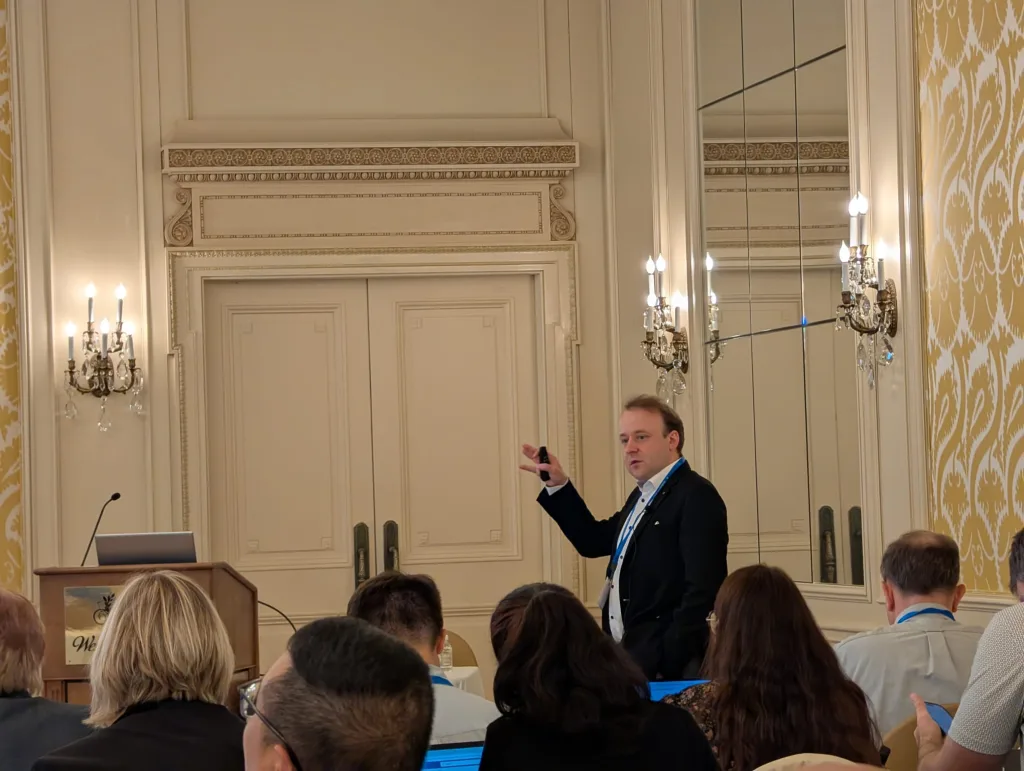
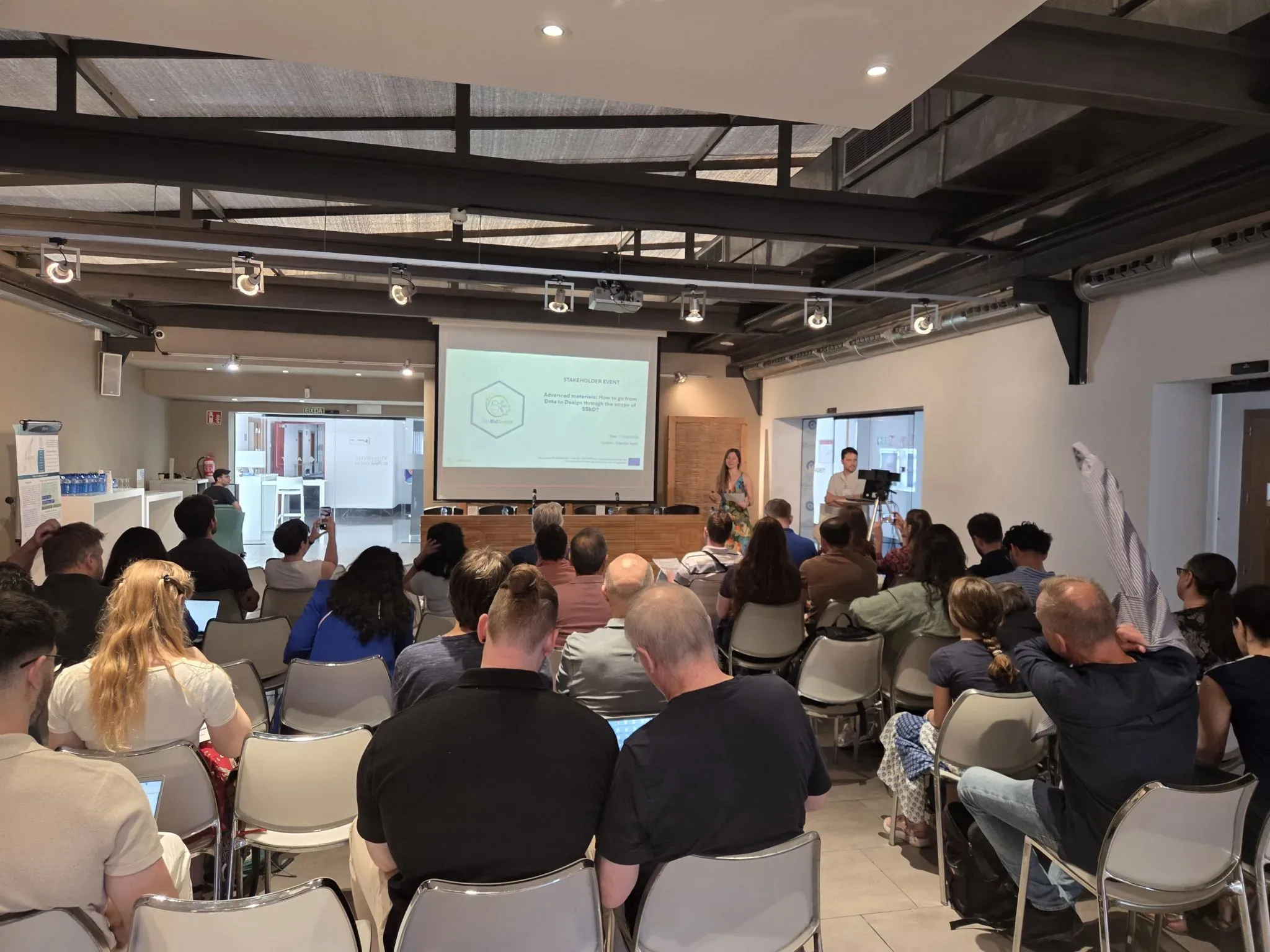
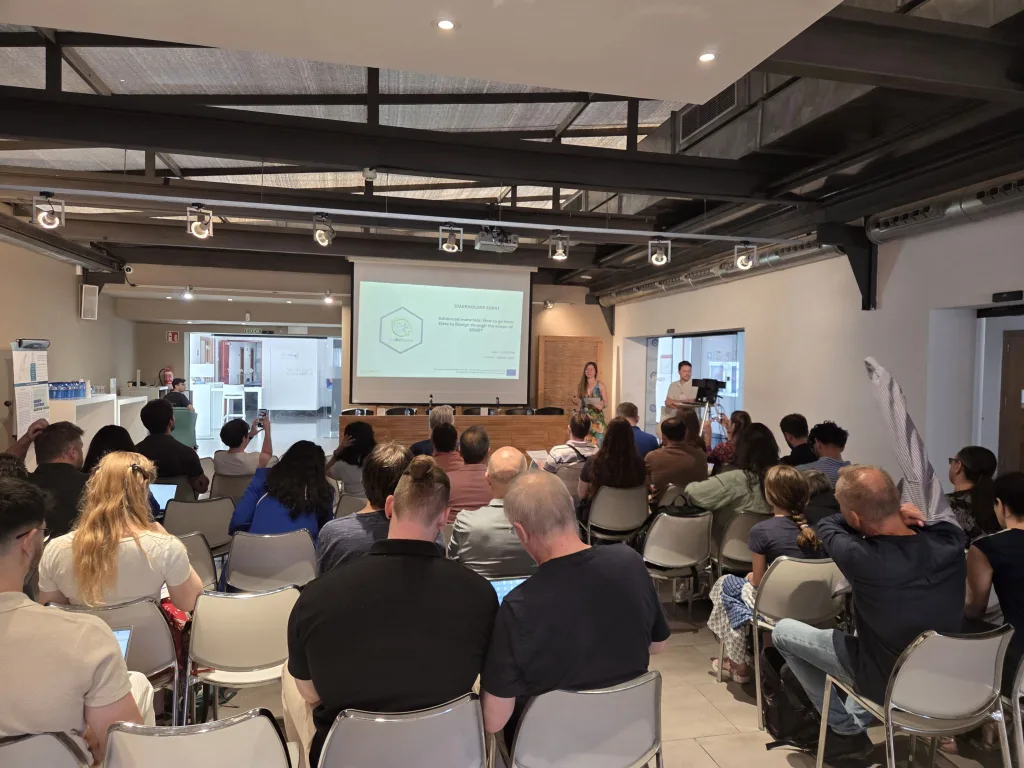
On 23 June 2025, the NSC Working Group on Safe and Sustainable by Design (SSbD), Innovation & Regulation organised an online workshop on “SSbD scenarios for advanced and incremental innovations” as a collaboration effort among several EU-funded projects: AlChemiSSts, DESIDERATA, PLANETS and SUNRISE. 

Not all innovation scenarios in SMEs and industry are the same. Current JRC SSbD guidance and also the Portfolio Sustainability Assessment (PSA) / Cefic concepts leave room for tailoring the SSbD approach within a tiered framework. Scenarios support the tailoring, such that SSbD is not just another burden, but increases overall competitiveness. 

But how should a SSbD scenario be described? This was exactly the aim of this first workshop.  

The workshop tested aspects that described a scenario by knowledge that is available at early innovation stages withreal-world cases kindly provided by innovators from the projects AlChemiSSts, DESIDERATA, PLANETS and SUNRISE. Shortlisted aspects included the professional environment (start-up, SME or industry), the sector of application (B2B vs B2C), the innovative height (incremental or advanced), R&D project budget, and other aspects that would be known to the innovator before starting any lab work.

Agenda of the NSC workshop on SSbD scenarios on 23 June 2025

Danail Hristozov (Green Decision, and chair of the NSC WG on SSbD) opened the workshop and welcomed the more than 60 international participants from academia (56%), large industry (19%), SME (8%), consultants (11%), regulators (3%) and EU institutions (3%). Irantzu Garmendia Aguirre (European Commission Joint Research Center (JRC)), gave JRC’s point of view in her talk on the Safe and Sustainable by Design (SSbD) Framework: Scenario building with the scoping analysis, where projects with different starting points and different development routes “climb to the summit of SSbD-lead innovation”.

ParticipantsStakeholders
Overview of the participants’ stakeholder groups

Wendel Wohlleben (BASF, and co-chair of the NSC WG on SSbD) presented the concept of the SSbD scenarios, setting the basis for the rest of the workshop, which continued with an introduction by Lya Soeteman-Hernández (RIVM, and co-chair of the NSC WG on SSbD) of the Case Studies break-out groups joined by the participants, where the methodology used in the different case studies was explained and discussed: 

  • AlChemiSSts case study: Cauchos Ruiz Alejos (represented by Mónica Martínez, from AVANZARE), on firefighter soles using safe alternatives to hazardous flame retardant additives 
  • DESIDERATA case study: Anastasia Moschovi, from MONOLITHOS, on geopolymers originating from mining waste as replacement of Aluminum in construction 
  • PLANETS case study: Stefan Haid, from WACKER, on binders for paint (where the surfactant used during synthesis chemical needs to be tailored to avoid byproducts) 
  • SUNRISE case study: Laurentia Technologies (represented by María Rivero García, from ITENE) on post-harvest fruit treatment based on safer microencapsulated oil 

After a short break, Martin Himly (PLUS, and chair of the NSC WG on Training) moderated the joint reporting session of the different breakouts, where feedback was collected for redefining the questions. 

The workshop concluded with Wendel Wohlleben and Carla Caldeira (SYENSQO) summarising the feedback collected and setting the next actions on: 

  • how to use the scenario described by information from SSbD scoping and from the business case collected in the workshop for better tailoring the SSbD assessment; 

  • the need of further work in the clarity of some of the questions used to describe a scenario, based on feedback during the workshop; 
  • the need of involving industrial organisations (beyond those involved in EU-funded projects) in testing the SSbD tailoring via SSbD scenarios; 
  • the need of developing incentives for making industry implement SSbD in their processes; 


Two main activities are planned as follow-ups of this workshop: A second workshop, in Autumn 2025, distilling “archetypical SSbD scenarios” & their tailored SSbD approaches, and finally, a joint NSC publication on the demonstration by case studies by the involved projects, their SME innovators, industry innovators and SSbD experts. 
Workshop materials:

Workshop materials are publicly available in Zenodo, under DOI: 10.5281/zenodo.15756155.

The recording of the workshop is available in the NSC YouTube channel.

Some impressions of the workshop:
  • 1
  • 2

Contact

Plasticizers, fLame–retardants and surfactANts: new alternatives validating the safE and susTainable by deSign approach 

  • info@project-planets.eu

Helpful links

Downloads
Legal Notice
Privacy Policy
EN_FundedbytheEU_RGB_WHITE Outline

This project received funding from the European Union’s Horizon Europe research and innovation programme under grant agreement n° 101177608. Views and opinions expressed are however those of the author(s) only and do not necessarily reflect those of the European Union. Neither the European Union nor the granting authority can be held responsible for them.
 

PLANETS is a member of NSC.

back to top