logotype
  • Project
    • About PLANETS
    • Objectives
  • Applications
    • Surfactants
    • Flame retardants
    • Plasticizers
  • Partners
  • Collaborations
  • Resources
  • News
  • Contact
Linkedin
logotype
  • Project
    • About PLANETS
    • Objectives
  • Applications
    • Surfactants
    • Flame retardants
    • Plasticizers
  • Partners
  • Collaborations
  • Resources
  • News
  • Contact
Linkedin
  • Project
    • About PLANETS
    • Objectives
  • Applications
    • Surfactants
    • Flame retardants
    • Plasticizers
  • Partners
  • Collaborations
  • Resources
  • News
  • Contact
logotype
  • Project
    • About PLANETS
    • Objectives
  • Applications
    • Surfactants
    • Flame retardants
    • Plasticizers
  • Partners
  • Collaborations
  • Resources
  • News
  • Contact
Author: admin
HomeArticles Posted by admin
P_20250513_102109
News
June 6, 2025

PLANETS @ SETAC 2025

From 11-15 May 2025 took place the SETAC 2025, the 35th Annual Meeting of the Society of Environmental Toxicology and Chemistry in Europe, at the Austria Center in Vienna. 

Under the overarching theme “Innovation for Tomorrow: Progress in Safe and Sustainable Concepts”, the conference emphasized the need for integration of cutting-edge innovations with safety and sustainability considerations, through implementation and expansion of the Safe and Sustainable by Design (SSbD) thinking, as well as it application beyond the development of new molecules and products (e.g., also to cities, land use and landscapes). The conference attracted roughly 3000 people to the capital of Austria, from many various stakeholder groups, i.e., academia, industry, innovators, EU institutions, national authorities, etc. 

Several PLANETS partners participated in the conference (CEA, BASF, BNN, AIMEN, TNO, PLUS, Radboud University) and spread the word about PLANETS in their three oral and three poster presentations: 

On Monday, May 12th there were several sessions on SSbD:  

  • JosĂ©phine Steck (CEA) gave an oral presentation in session 6.05 “Implementing Holistic SSbD Approaches to Chemicals and Materials: What Do Academia, Industry, Regulators and Policymakers Propose?”. Under the title “An auto-diagnostic SSbD tool to facilitate the integration of Safe and Sustainable by Design approach in the innovative stage”, JosĂ©phine presented a simplified SSbD evaluation to reduce data needs, time, and expertise, making SSbD more accessible while maintaining its core goals. A three-tiered approach was introduced, and the presentation focused then on the first tier. A questionnaire was developed to compare options across four SSbD dimensions: safety, environment, economy, and social. Users answered simple questions for each dimension, with results providing an overall percentage score, highlighting gaps, and guiding further assessments. This assessment has been tested on molecules, products, and processes within the CLEANHYPRO and PLANETS projects, showing its flexibility as a quick pre-assessment tool. Its main benefit is boosting the agility of research strategies by identifying SSbD gaps and next steps. In higher tiers, expert-driven assessments will dive deeper into each dimension. As outlook, the PLANETS project is refining the tool to better comply with industrial needs. DOI: 10.5281/zenodo.15463692
  • Wendel Wohlleben (BASF) gave an oral presentation also in session 6.05. In his talk entitled “Value creation and tiering: incentives of SSbD integration into industrial innovation projects with LCA and measured safety screenings”, Wendel explored how to convince companies to take up more quantitative SSbD approaches, and how to generate incentives by strong tiering and tailoring the SSbD approach to the specific scenario. The topic will be followed up with the entire community in the NSC online workshop on June 23rd. 

On Tuesday, May 13th: 

  • Ayse Ay (BASF) had a poster in the session 6.11 “Flame Retardants Regulatory and Circular Economy Challenges”. Under the title “Safe and Sustainable by Design, Scoping, and Simplified Assessment of Alternative Flame Retardants for Use in Polymer Insulation Foams”, Ayse provided insights into the implementation of SSbD at the molecular formulation level for over 70 flame retardants. She shared results from the Simplified Assessment Questionnaire for key alternative flame retardants in each insulation foam class, highlighting the questionnaire’s discriminatory power and limitations. 
  • Matiss Reinfelds (BNN) had a poster in the Session 6.05 “Implementing Holistic SSbD Approaches to Chemicals and Materials: What Do Academia, Industry, Regulators and Policymakers Propose?” on “Redesigning for the Future: Applying Safe and Sustainable by Design (SSbD) Principles in High-Impact Chemical Industries” with results from our project PLANETS. The poster served as basis for the discussion on SSbD implementation in an industrial setting. The poster is publicly available under DOI: 10.5281/zenodo.15463912. 

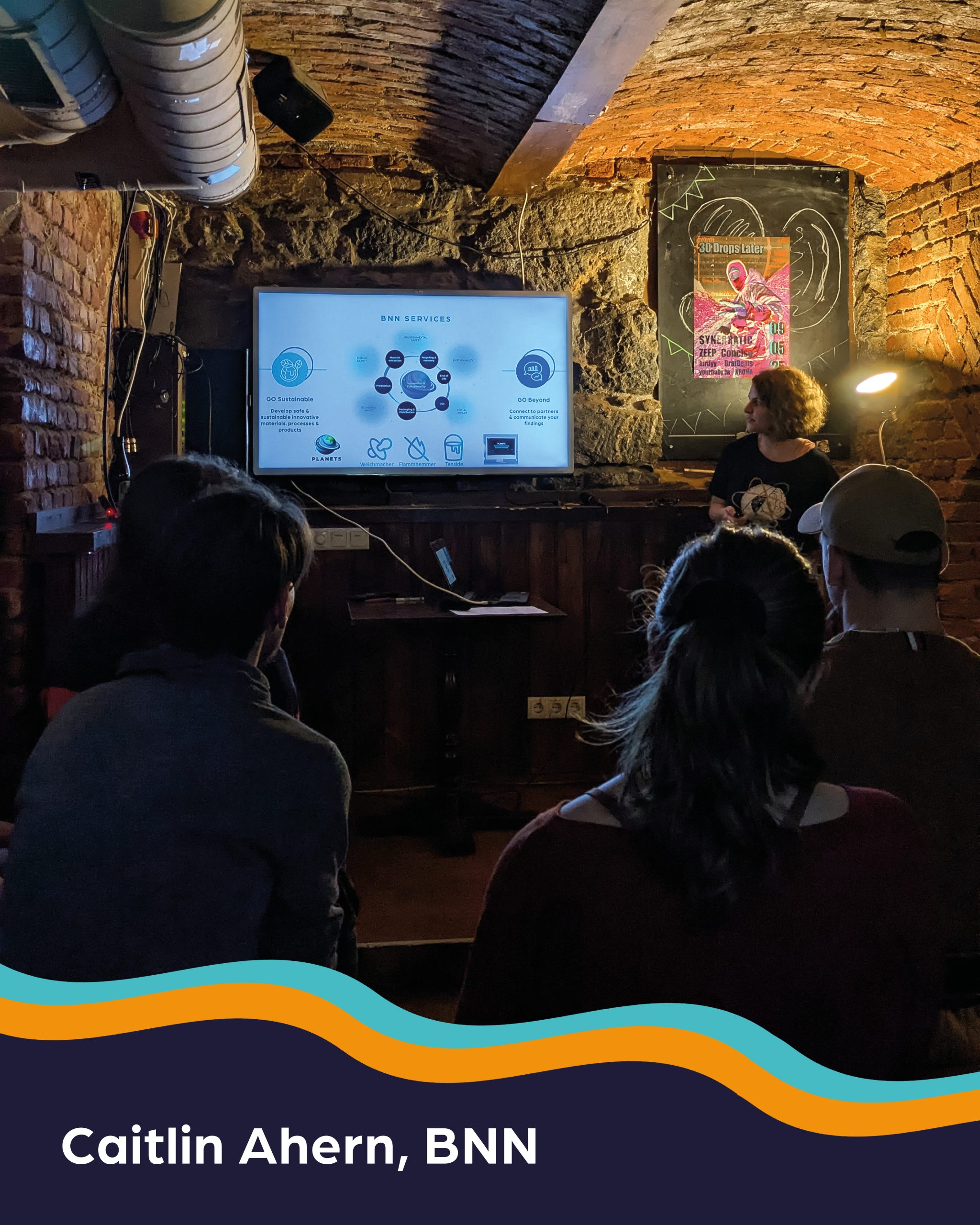
On Wednesday, May 14th, the focus turned to science communication in the session 6.06  “Communication for Tomorrow: From Experimental Design Towards Societal Impact” with an oral presentation from BNN’s Caitlin Ahern. Under the title “Getting Beyond the Bubble: Measuring Effectiveness of Outreach Activities for SSbD-Related EU Projects”, Caitlin assessed social media activities to reach out to a wider community, presenting PLANETS as an example of successful practices. DOI: 10.5281/zenodo.17619612.

On Thursday May 15th, Asif Pasha Mohammed (AIMEN) had a poster entitled “Digital Product Passports for Improved Consumer Transparency and Health Impact Awareness”, in the session 1.06 “Data-Driven Toxicology: Practical Applications and Insights into Using Existing and Emerging Data in Support of Human and Environmental Health”. In his poster, Asif highlighted how Digital Product Passports improve consumer engagement through transparent, health-focused data. It emphasizes the importance of standardized, interoperable systems for real-time decision-making. Integrating trusted sources like ECHA/REACH builds consumer confidence and supports safer product choices. 

Additionally, task 2.3 was kicked-off in Vienna, having the Prater as an inspiring location for great discussions in the internal meeting! 

Below some impressions of the SETAC25 including a video! 

YouTube

By loading the video, you agree to YouTube's privacy policy.
Learn more

Load video

IPC virtual tour
News
May 29, 2025

Visit all the IPC sites virtually!

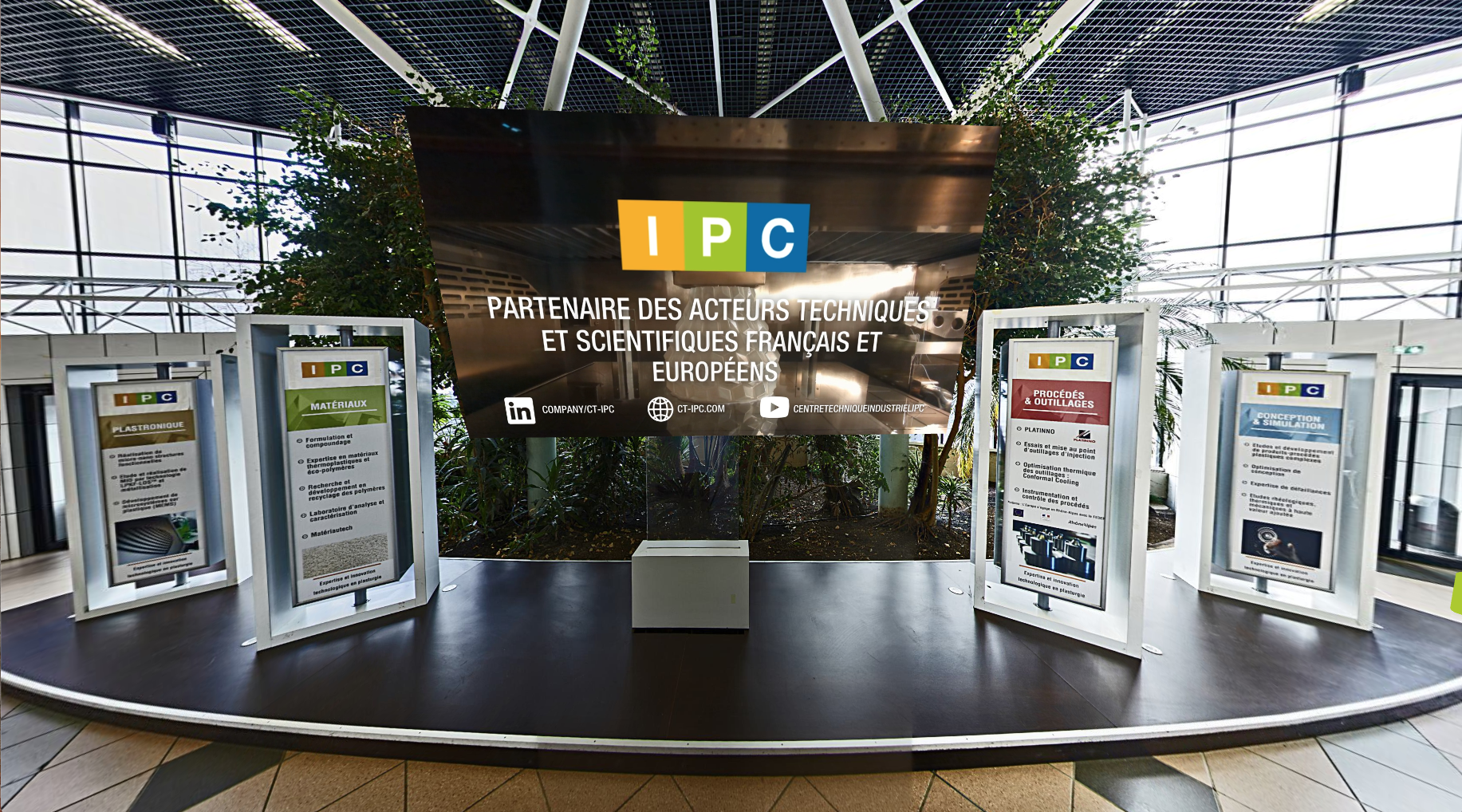
PLANETS partner Industrial Technical Center for Plastics and Composites (IPC) plays a key role in promoting innovation in plastics and composite materials and processes. With its expertise and nationwide network of experts, IPC actively supports industrial companies in a wide range of fields.  

Within PLANETS, IPC leads the work package seeking SSbD alternatives for plasticizer application, and contributes to other work packages as SSbD expert.  

It counts 167 collaborators distributed on 5 sites in France, who work on different activities including circular economy with LCA, Recycling and Plastics safety.  

IPC provides us with an all-access view of their 5 sites in France with virtual tours.

Take a look
PLANETS SSbD Graphic
News
May 28, 2025

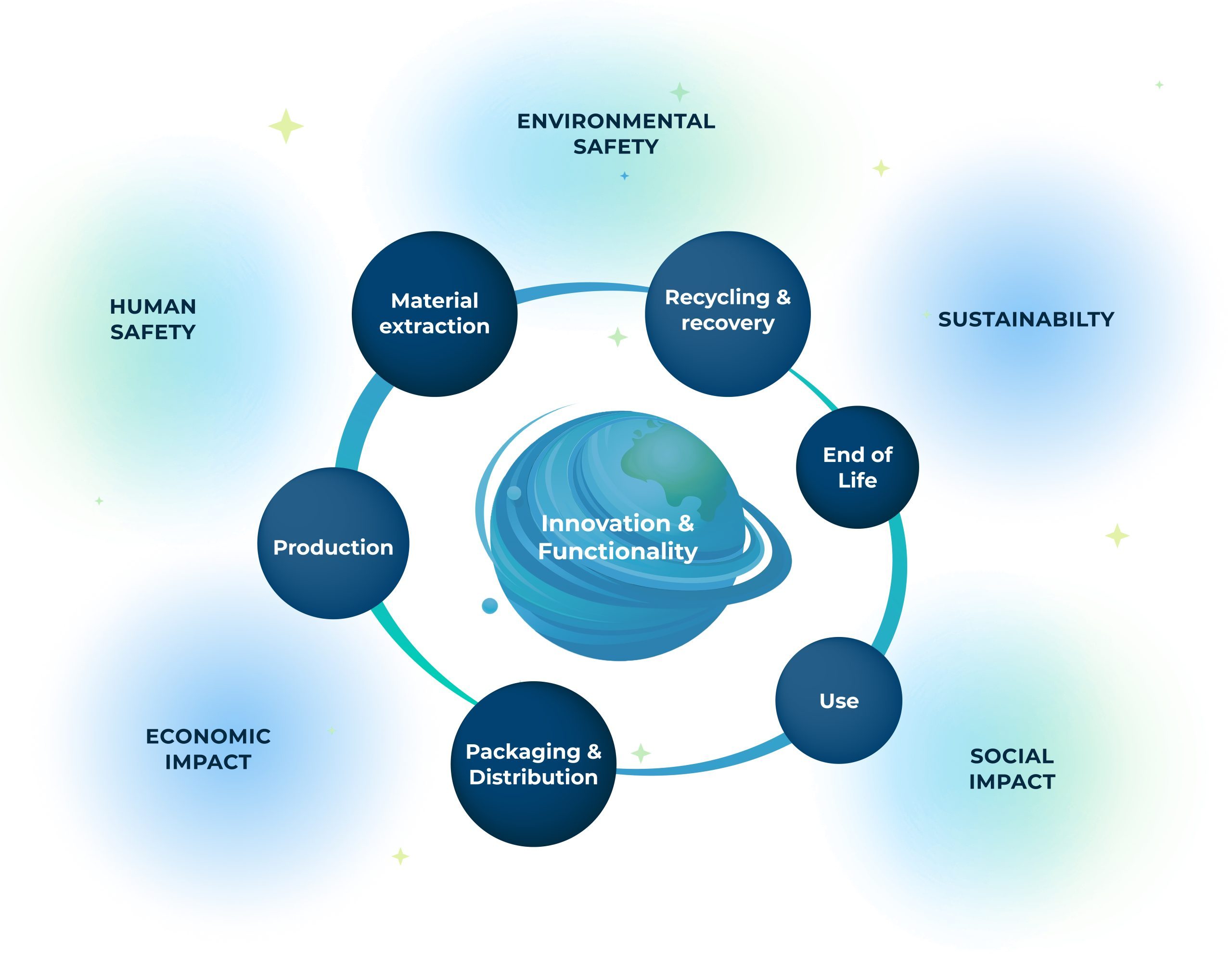
PLANETS strategy for implementation of SSbD in the Industry journey

PLANETS aims to encourage the careful development of new alternatives in chemicals, products and processes to ensure safety and sustainability throughout their entire life cycle, achieving buy-in from a variety of stakeholders along the way.  

To achieve these objectives, PLANETS is based not only on the SSbD framework[1]  promoted by the JRC and the European Commission, but also on industry initiatives such as the WBCSD PSA v2.0[2]  and the CEFIC guideline[3]. By combining these perspectives, PLANETS aims to strengthen the integration of SSbD from the early stages of development, ensuring global acceptance and facilitating smoother implementation. The cornerstone of the PLANETS methodology is the synergy between SSbD experts and industry partners. Throughout the project’s lifecycle, industrial development will be followed by SSbD assessments, which will evolve in complexity to align with the maturity of the alternatives.

This support is reflected in the implementation of the PLANETS workflow, which integrates industrial challenges with the SSbD methodology, ensuring alignment between the increasing maturity of alternatives and the need for SSbD assessments. The PLANETS workflow covers all five SSbD dimensions (Hazard, Exposure, Environmental, Economic, and Social) and tailors the expertise to the specific needs of each case study (Surfactants, Flame Retardants, and Plasticizers), from the early stages through to final use, including end-of-life/recycling. Another key feature of the PLANETS workflow is its tiered approach, which aligns the maturity of alternatives with the data requirements for SSbD assessments.

At an early stage, the simplified tier assessment plays an important role and provides the basis for identifying potential impacts and risks. This allows designers to address key sustainability and safety issues before they become embedded in the design. However, the impact of simplified evaluations is limited by the lack of detailed data, which can make it challenging to assess the full extent of safety, environmental, economic, and social impacts.

As the design progresses, intermediate and full tiers evaluations become more detailed and provide a clearer understanding of these impacts. While simplified tier provides flexibility to address broad concerns, the increasing availability of data in later tiers allows for more precise and effective impact assessments. The trade-off is that early evaluations, while impactful, are constrained by the lack of comprehensive information, which can sometimes hinder the depth of the assessment. Thus, the increasing flexibility in later tiers increases the ability to mitigate risks more effectively as data becomes more robust and specific.

The flexibility within this tiered approach allows for continuous refinement as new data becomes available or as the design evolves. As the assessment progresses through the tiers, potential impacts are better understood and mitigated, ensuring that sustainability and safety goals are met without compromising the overall design evolution.

Finally, for PLANETS, the key to the successful implementation of the SSbD strategy in the industrial pathway lies in the complementarity between SSbD experts and industrial partners. This collaboration will foster a better understanding of the challenges to be addressed through a step-by-step approach that aligns with ongoing developments, ensuring a level of agility throughout the process.


[1] https://research-and-innovation.ec.europa.eu/research-area/industrial-research-and-innovation/chemicals-and-advanced-materials/safe-and-sustainable-design_en

[2] https://www.wbcsd.org/resources/portfolio-sustainability-assessment-v2-0/

[3] https://cefic.org/a-solution-provider-for-sustainability/safe-and-sustainable-by-design/


Pint of Science Main image
News
May 27, 2025

PLANETS @ Pint of Science 2025

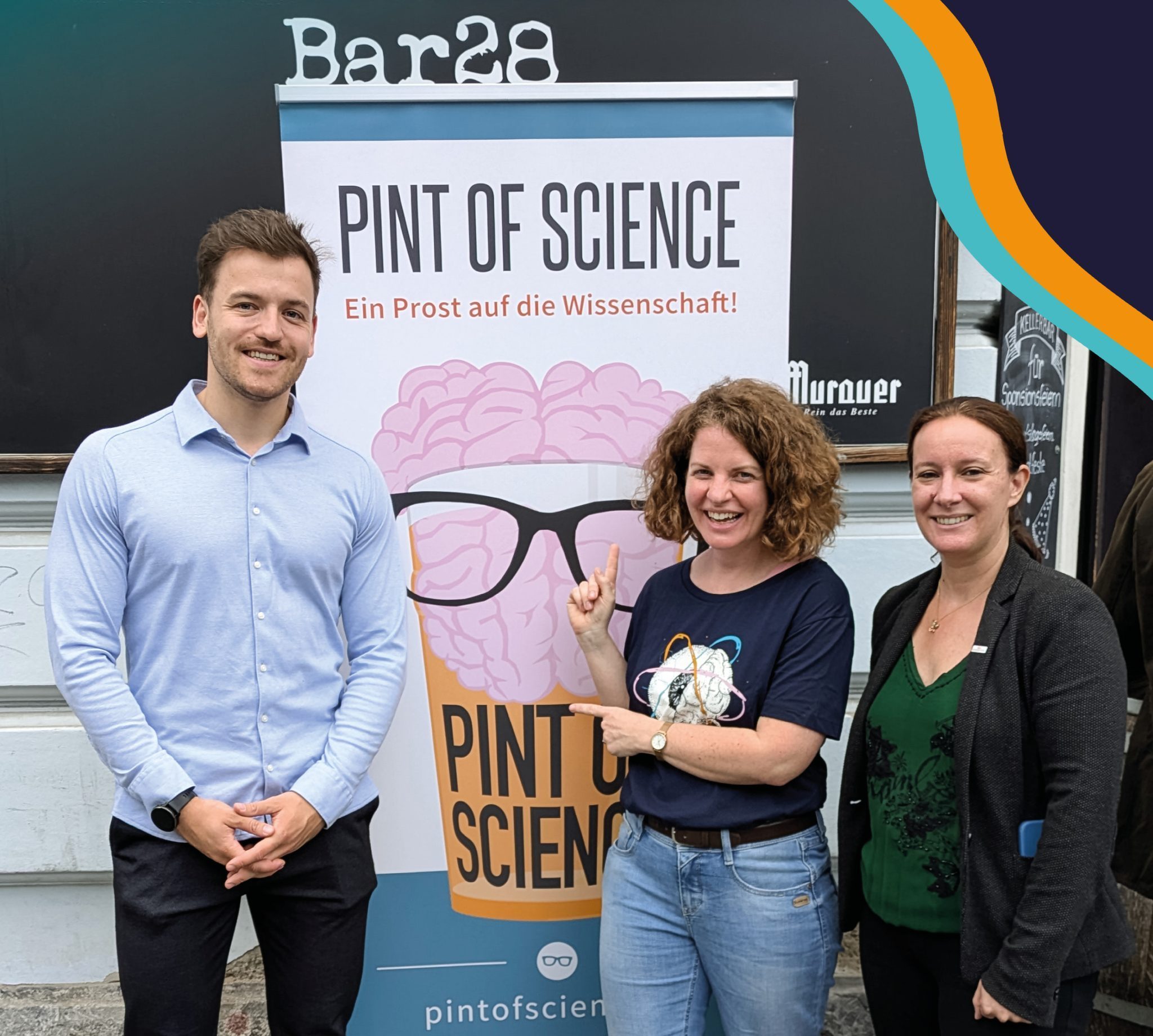
The international festival Pint of Science has been bringing scientific talks to pubs across Europe for over a decade. Each year, on three consecutive evenings in May, people have a chance to listen to fun scientific talks in their local bars.

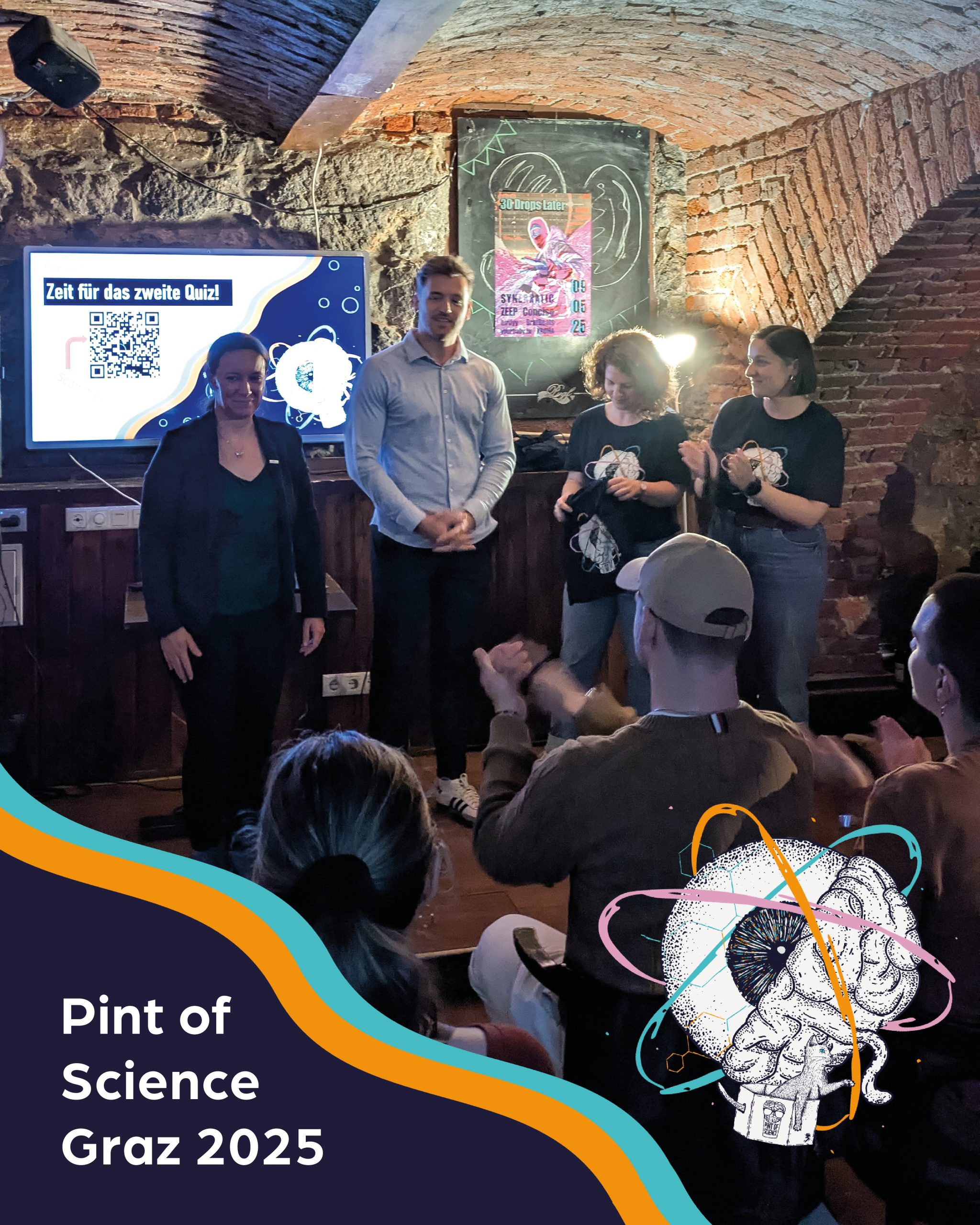
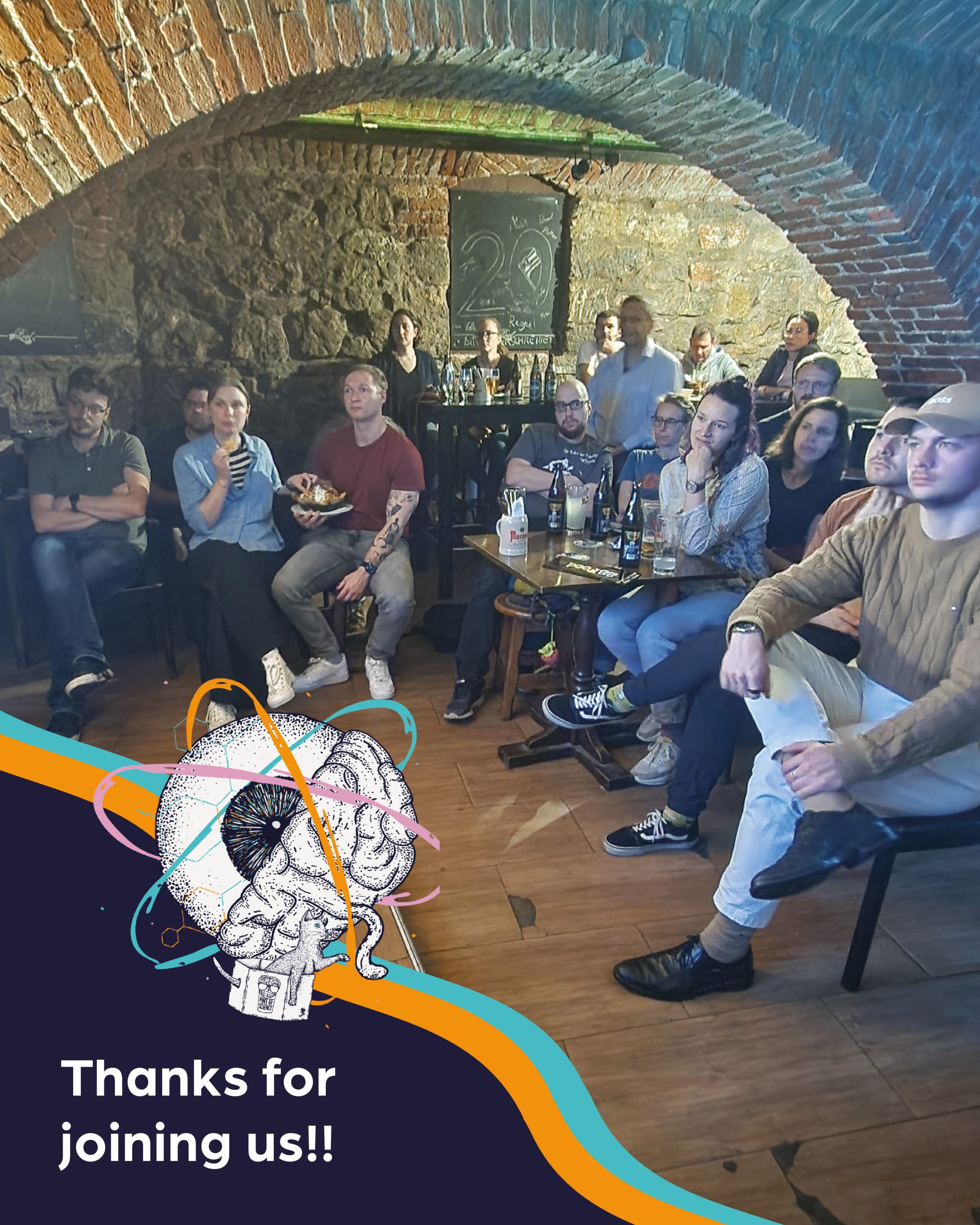
This year, Pint of Science in Graz hosted 9 events in 3 locations – Bar28, Mi Casa, and Ducks Coffee Shop – from 19-21 May 2025. BNN was proud to host the topic “Tech Me Out” at Bar28 on the final evening. Moderated by Caitlin Ahern, the event linked safety and sustainability of new technologies, BNN’s guiding mission, to the topics of the invited speakers and, among others, our PLANETS project.

The event sold out and the audience had the opportunity to ask questions and participate in a quiz. Thank you to the Pint of Science, all of whom are volunteers, for this opportunity of bringing science closer to not science experts!

StartSlide4
Events
May 26, 2025

NSC workshop on “SSbD scenarios for advanced and incremental innovations”

The NSC workshop on “SSbD scenarios for advanced and incremental innovations” will take place on 23 June 2025 (12:00-15:00h CEST, online) as a collaboration effort among several EU-funded projects: AlChemiSSt, DESIDERATA, PLANETS and SUNRISE. 

Not all innovation scenarios in SMEs and industry are the same. Current JRC SSbD guidance and also PSA / Cefic concepts leave room for tailoring the SSbD approach within a tiered framework. Scenarios support the tailoring, such that SSbD is not just another burden, but increases overall competitiveness.  

How should one describe a scenario, and which tailored approach fits? These are the leading questions for a first NSC workshop (June 2025) and second NSC workshop (September/October 2025), respectively. 

The June workshop shall test aspects that describe the scenario by knowledge that is available at early innovation stages, on the example of real-world cases kindly provided by innovators from the EU funded projects AlChemiSSts, DESIDERATA, PLANETS and SUNRISE. Shortlisted aspects include the professional environment (start-up, SME or industry), the sector of application (B2B vs B2C), the innovative height (incremental or advanced), R&D project budget, and other aspects that would be known to the innovator before starting any lab work. The cases are currently being prepared to enable joint discussion and modification in the workshop. 

The follow-up and second workshop will distill “archetypical SSbD scenarios” & their tailored SSbD approaches.

Organizers: Wendel Wohlleben (BASF), Carla Caldeira (Syensqo), Martin Himly (PLUS), Lya Soeteman-Hernández (RIVM), Danail Hristozov (GD), Beatriz Alfaro (BNN). 

Register now
More Information
Draft Agenda
Q_mockup_01-25
News
March 28, 2025

PLANETS featured in BNN QUARTERLY (Mar 2025)

The HARMLESS project was included in the latest BNN QUARTERLY 01/2025 entitled “Collaborate to innovate: Success Stories from Scientific Cooperation” with one article about the PLANETS website launch (page 57).

Read here
Subscribe to QUARTELY
NSC Collaboration-15
News
March 18, 2025

PLANETS joins the NSC

PLANETS is a project recognized by the Network for Safety and sustainability of Chemicals and materials (NSC, formerly “EU NanoSafety Cluster”). The NSC brings together over 2000 experts from 30+ countries focusing on safety and sustainability of chemicals and materials! 
 
Read the latest NSC Update (which mentions PLANETS) and follow NSC Community on LinkedIn to be updated on relevant activities. 

Read here
Q_mockup_04-24
News
February 18, 2025

PLANETS featured in BNN QUARTERLY (Dec 2024)

The launch of PLANETS was also featured in the December 2024 issue of the BNN QUARTERLY: Digital Magazine for Developments in Sustainable Technology. Read on to find out more about what is happening in the areas of SSbD and innovative and advanced materials! 

Read here
Subscribe to QUARTELY

Contact

Plasticizers, fLame–retardants and surfactANts: new alternatives validating the safE and susTainable by deSign approach 

  • info@project-planets.eu

Helpful links

Downloads
Legal Notice
Privacy Policy
EN_FundedbytheEU_RGB_WHITE Outline

This project received funding from the European Union’s Horizon Europe research and innovation programme under grant agreement n° 101177608. Views and opinions expressed are however those of the author(s) only and do not necessarily reflect those of the European Union. Neither the European Union nor the granting authority can be held responsible for them.


PLANETS is a member of NSC.

back to top