logotype
  • Project
    • About PLANETS
    • Objectives
  • Applications
    • Surfactants
    • Flame retardants
    • Plasticizers
  • Partners
  • Collaborations
  • Resources
  • News
  • Contact
Linkedin
logotype
  • Project
    • About PLANETS
    • Objectives
  • Applications
    • Surfactants
    • Flame retardants
    • Plasticizers
  • Partners
  • Collaborations
  • Resources
  • News
  • Contact
Linkedin
  • Project
    • About PLANETS
    • Objectives
  • Applications
    • Surfactants
    • Flame retardants
    • Plasticizers
  • Partners
  • Collaborations
  • Resources
  • News
  • Contact
logotype
  • Project
    • About PLANETS
    • Objectives
  • Applications
    • Surfactants
    • Flame retardants
    • Plasticizers
  • Partners
  • Collaborations
  • Resources
  • News
  • Contact
collaboration TAG
HomePosts Tagged "collaboration"

Tag: collaboration

Workplace-collaboration
News
January 30, 2026

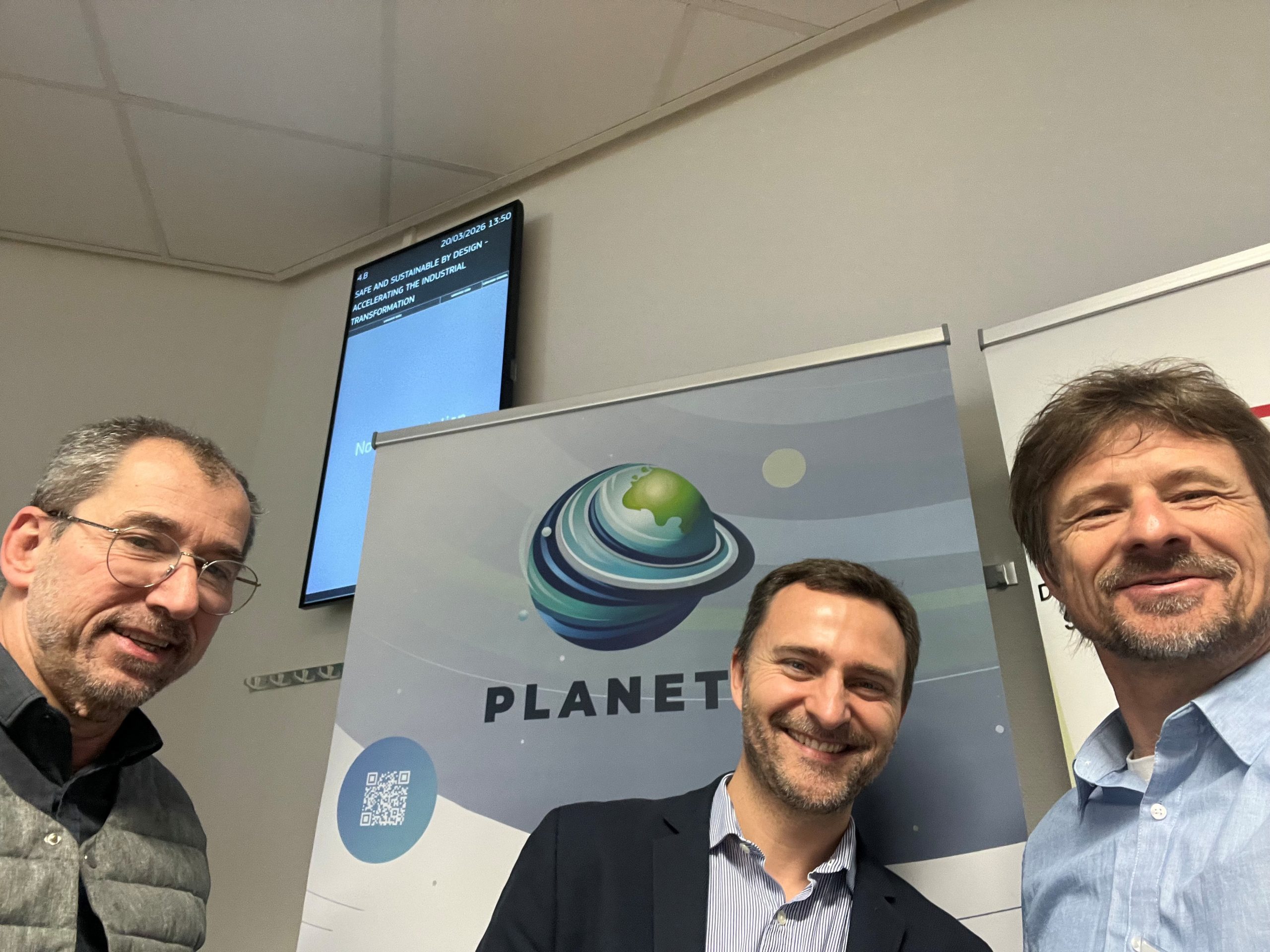
Strengthening synergies: PLANETS deepens collaboration with Sister Projects

The European research landscape continues to benefit from growing collaboration among the  sister projects (AlChemiSSts, BIOSAFIRE, DESIDERATA, and RADAR) under the call topic “Development of safe and sustainable by design alternatives” (HORIZON-CL4-2024-RESILIENCE-01-24), and PLANETS is actively contributing to this momentum.

The regular meetings between the coordinators of the 5 sister projects have already revealed multiple interaction points that are expected to reinforce cross-project alignment and knowledge sharing.

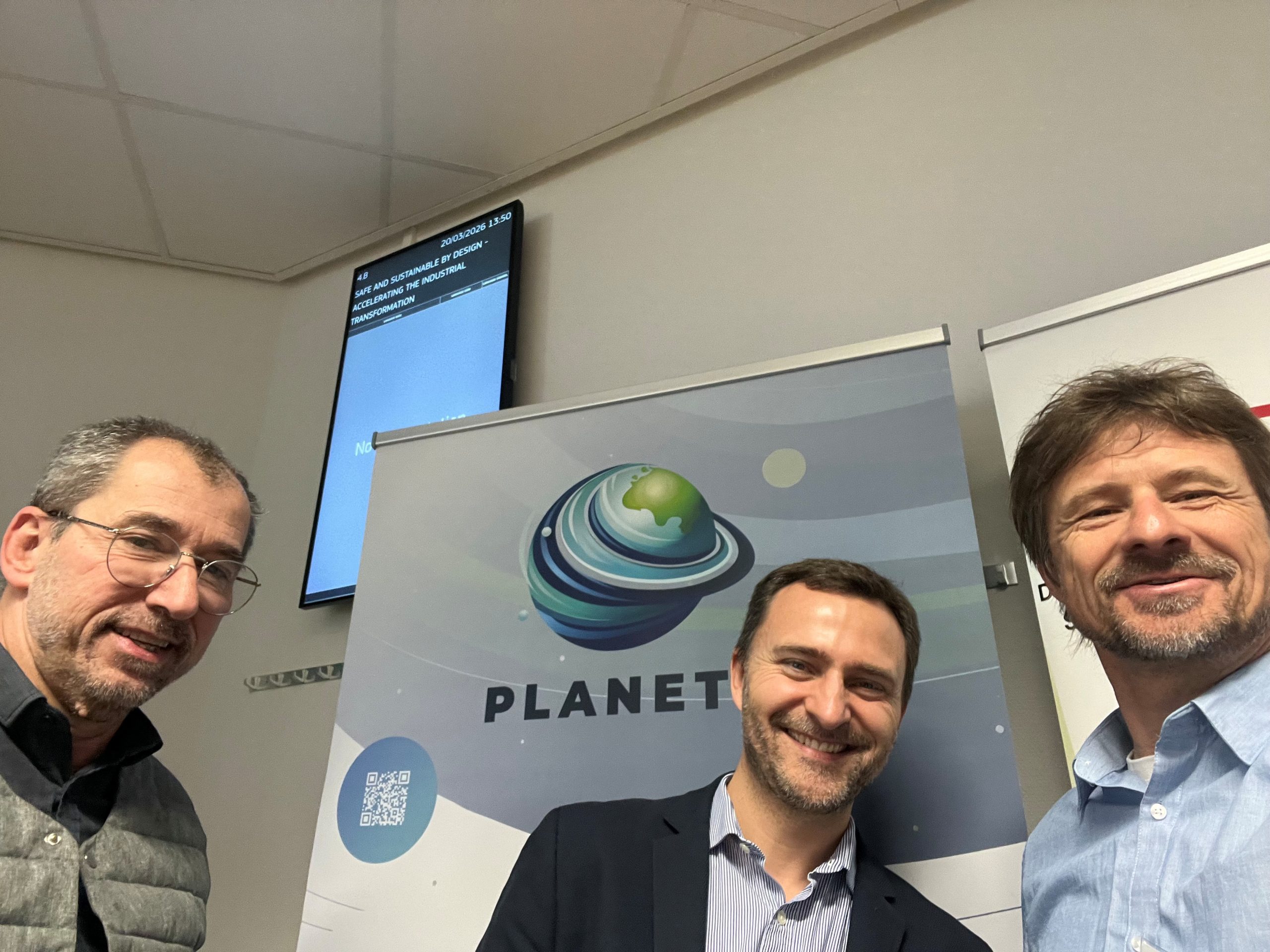
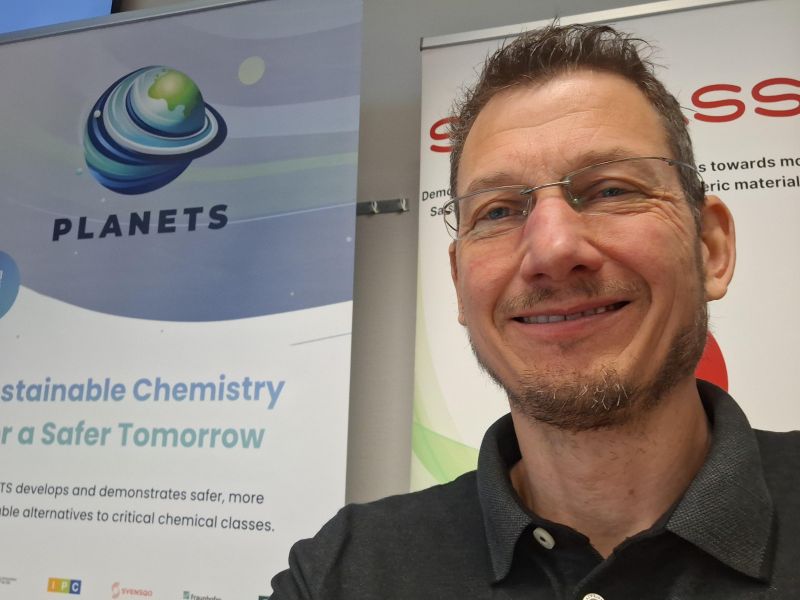
Lately, Joséphine Steck (CEA), coordinator of PLANETS, has been invited to participate in several General Assemblies of related projects, presenting key results achieved so far and exploring new opportunities for cooperation:

  • BIOSAFIRE (2 December 2025, online)
    The General Assembly of BIOSAFIRE did not generate specific follow-up questions related to PLANETS but further engagement is planned for the coming months.
  • RADAR (15 January 2026, online)
    At the meeting of RADAR, partners raised questions regarding PLANETS’ work on alternatives to flame retardants. Due to confidentiality constraints, detailed information could not be shared at this stage. However, the discussion opened the door to a constructive proposal: the creation of transversal working groups to enable structured collaboration on sensitive but strategic topics.
  • DESIDERATA (29 January 2026, online)
    During the General Assembly of DESIDERATA, discussions focused on PLANETS’ internal organisation linking Safe and Sustainable by Design (SSbD) and innovation activities. Particular interest was shown in how assessments are carried out within the Case Studies Work Package. Attendees were especially keen to learn about the role of PLANETS’ SSbD ambassadors, highlighting strong potential for methodological exchange.

These recent exchanges confirm the strong interest of sister projects in PLANETS’ approach, particularly regarding SSbD implementation and governance. The identification of transversal working groups and ambassador-based knowledge transfer mechanisms marks a promising path forward.

PLANETS will continue to work on and maintain these established connections to maximise impact, avoid duplication, and accelerate the development of safe and sustainable chemical and material solutions across the European research ecosystem.

StartSlide4
News
June 30, 2025

Recap of the NSC workshop on “SSbD scenarios for advanced and incremental innovations” on 23 June 2025

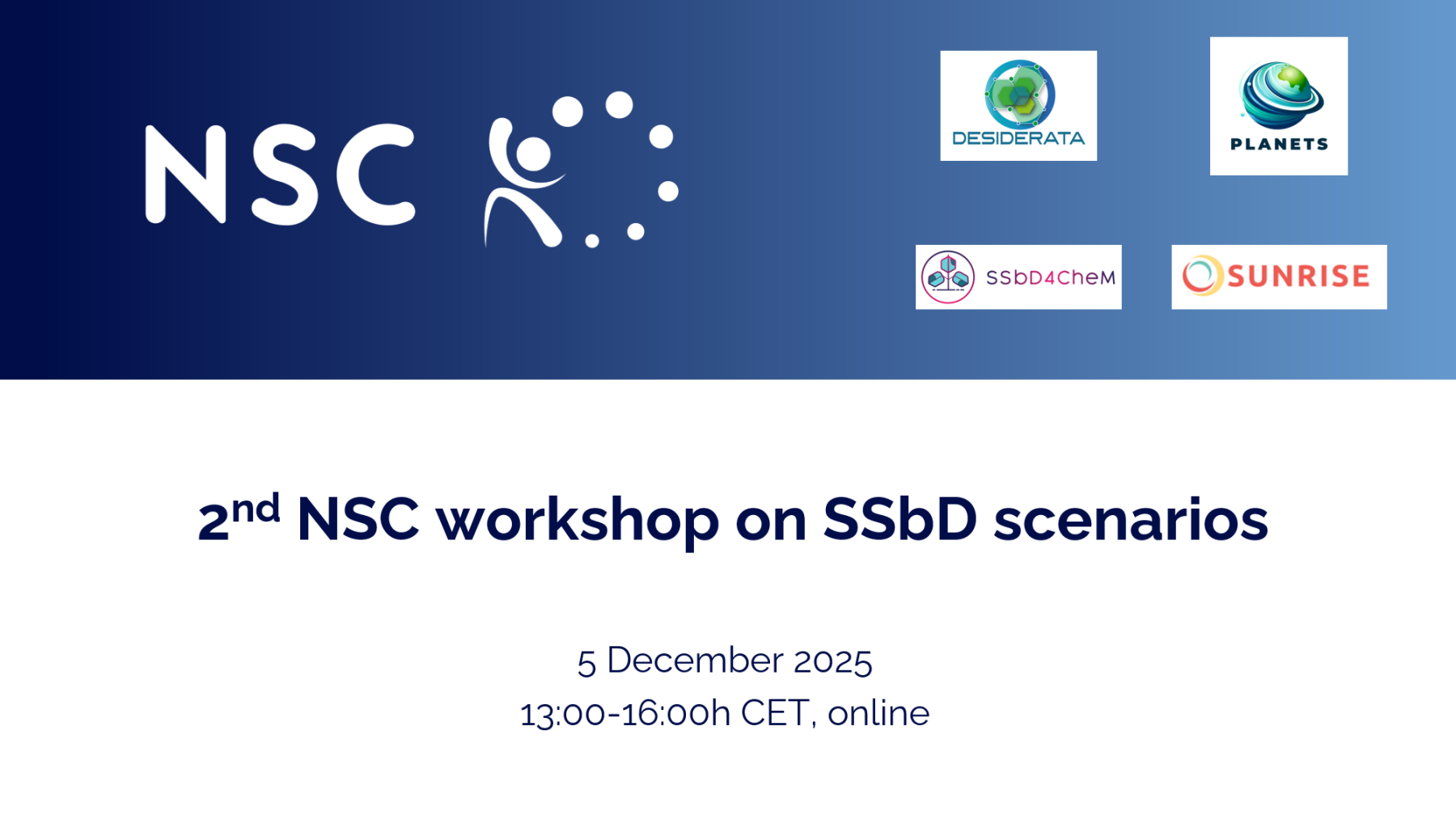
On 23 June 2025, the NSC Working Group on Safe and Sustainable by Design (SSbD), Innovation & Regulation organised an online workshop on “SSbD scenarios for advanced and incremental innovations” as a collaboration effort among several EU-funded projects: AlChemiSSts, DESIDERATA, PLANETS and SUNRISE. 

Not all innovation scenarios in SMEs and industry are the same. Current JRC SSbD guidance and also the Portfolio Sustainability Assessment (PSA) / Cefic concepts leave room for tailoring the SSbD approach within a tiered framework. Scenarios support the tailoring, such that SSbD is not just another burden, but increases overall competitiveness. 

But how should a SSbD scenario be described? This was exactly the aim of this first workshop.  

The workshop tested aspects that described a scenario by knowledge that is available at early innovation stages withreal-world cases kindly provided by innovators from the projects AlChemiSSts, DESIDERATA, PLANETS and SUNRISE. Shortlisted aspects included the professional environment (start-up, SME or industry), the sector of application (B2B vs B2C), the innovative height (incremental or advanced), R&D project budget, and other aspects that would be known to the innovator before starting any lab work.

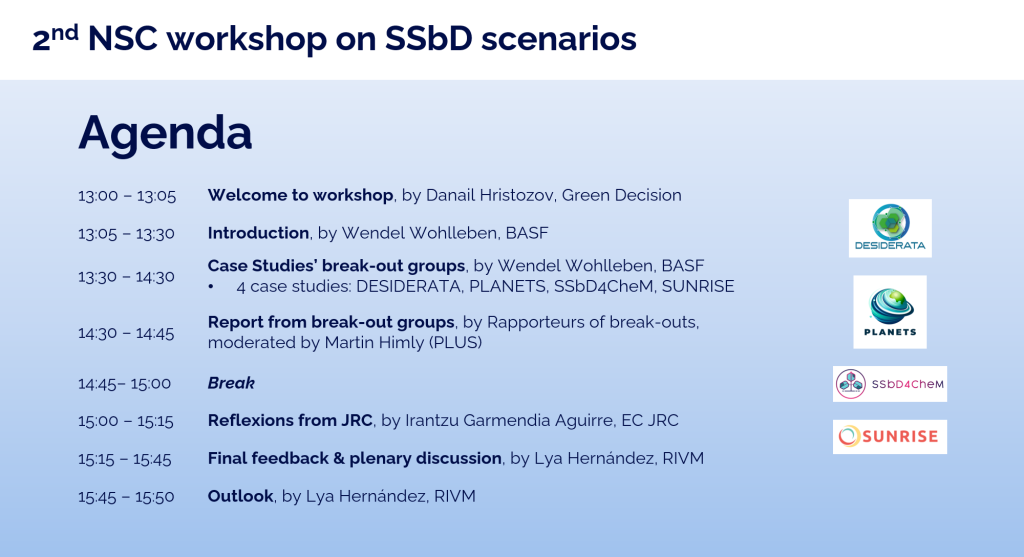
Agenda of the NSC workshop on SSbD scenarios on 23 June 2025

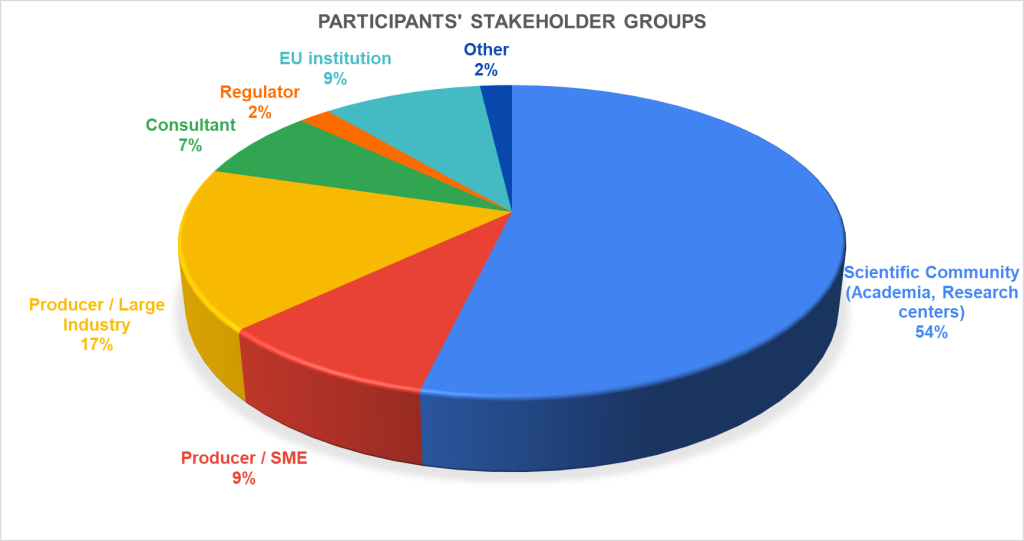
Danail Hristozov (Green Decision, and chair of the NSC WG on SSbD) opened the workshop and welcomed the more than 60 international participants from academia (56%), large industry (19%), SME (8%), consultants (11%), regulators (3%) and EU institutions (3%). Irantzu Garmendia Aguirre (European Commission Joint Research Center (JRC)), gave JRC’s point of view in her talk on the Safe and Sustainable by Design (SSbD) Framework: Scenario building with the scoping analysis, where projects with different starting points and different development routes “climb to the summit of SSbD-lead innovation”.

ParticipantsStakeholders
Overview of the participants’ stakeholder groups

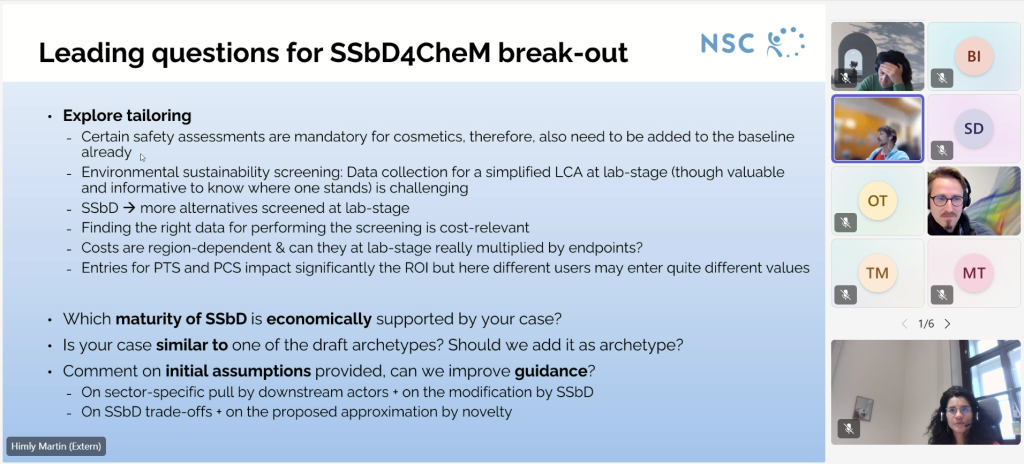
Wendel Wohlleben (BASF, and co-chair of the NSC WG on SSbD) presented the concept of the SSbD scenarios, setting the basis for the rest of the workshop, which continued with an introduction by Lya Soeteman-Hernández (RIVM, and co-chair of the NSC WG on SSbD) of the Case Studies break-out groups joined by the participants, where the methodology used in the different case studies was explained and discussed: 

  • AlChemiSSts case study: Cauchos Ruiz Alejos (represented by Mónica Martínez, from AVANZARE), on firefighter soles using safe alternatives to hazardous flame retardant additives 
  • DESIDERATA case study: Anastasia Moschovi, from MONOLITHOS, on geopolymers originating from mining waste as replacement of Aluminum in construction 
  • PLANETS case study: Stefan Haid, from WACKER, on binders for paint (where the surfactant used during synthesis chemical needs to be tailored to avoid byproducts) 
  • SUNRISE case study: Laurentia Technologies (represented by María Rivero García, from ITENE) on post-harvest fruit treatment based on safer microencapsulated oil 

After a short break, Martin Himly (PLUS, and chair of the NSC WG on Training) moderated the joint reporting session of the different breakouts, where feedback was collected for redefining the questions. 

The workshop concluded with Wendel Wohlleben and Carla Caldeira (SYENSQO) summarising the feedback collected and setting the next actions on: 

  • how to use the scenario described by information from SSbD scoping and from the business case collected in the workshop for better tailoring the SSbD assessment; 
  • the need of further work in the clarity of some of the questions used to describe a scenario, based on feedback during the workshop; 
  • the need of involving industrial organisations (beyond those involved in EU-funded projects) in testing the SSbD tailoring via SSbD scenarios; 
  • the need of developing incentives for making industry implement SSbD in their processes; 


Two main activities are planned as follow-ups of this workshop: A second workshop, in Autumn 2025, distilling “archetypical SSbD scenarios” & their tailored SSbD approaches, and finally, a joint NSC publication on the demonstration by case studies by the involved projects, their SME innovators, industry innovators and SSbD experts. 

Workshop materials:

Workshop materials are publicly available in Zenodo, under DOI: 10.5281/zenodo.15756155.

The recording of the workshop is available in the NSC YouTube channel.

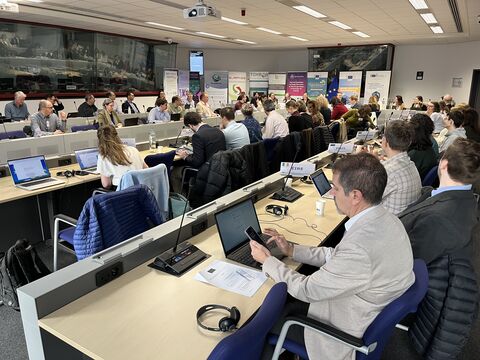
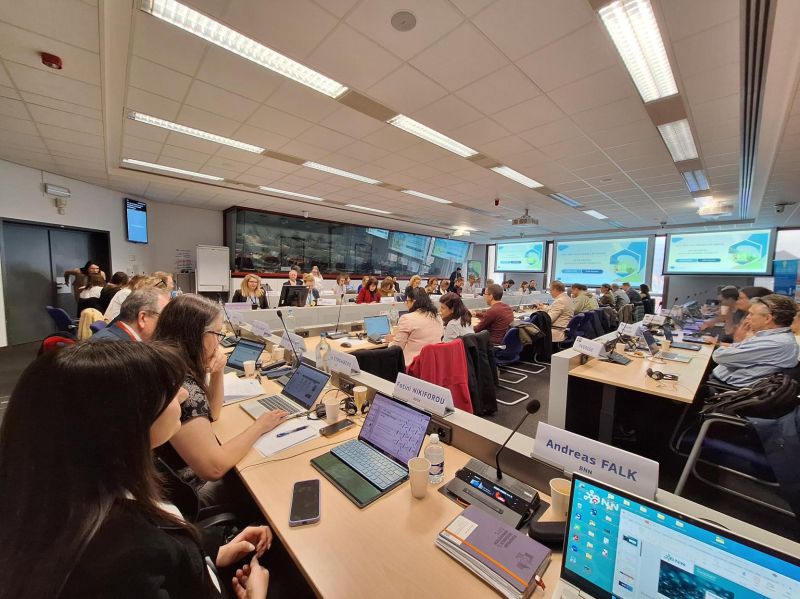
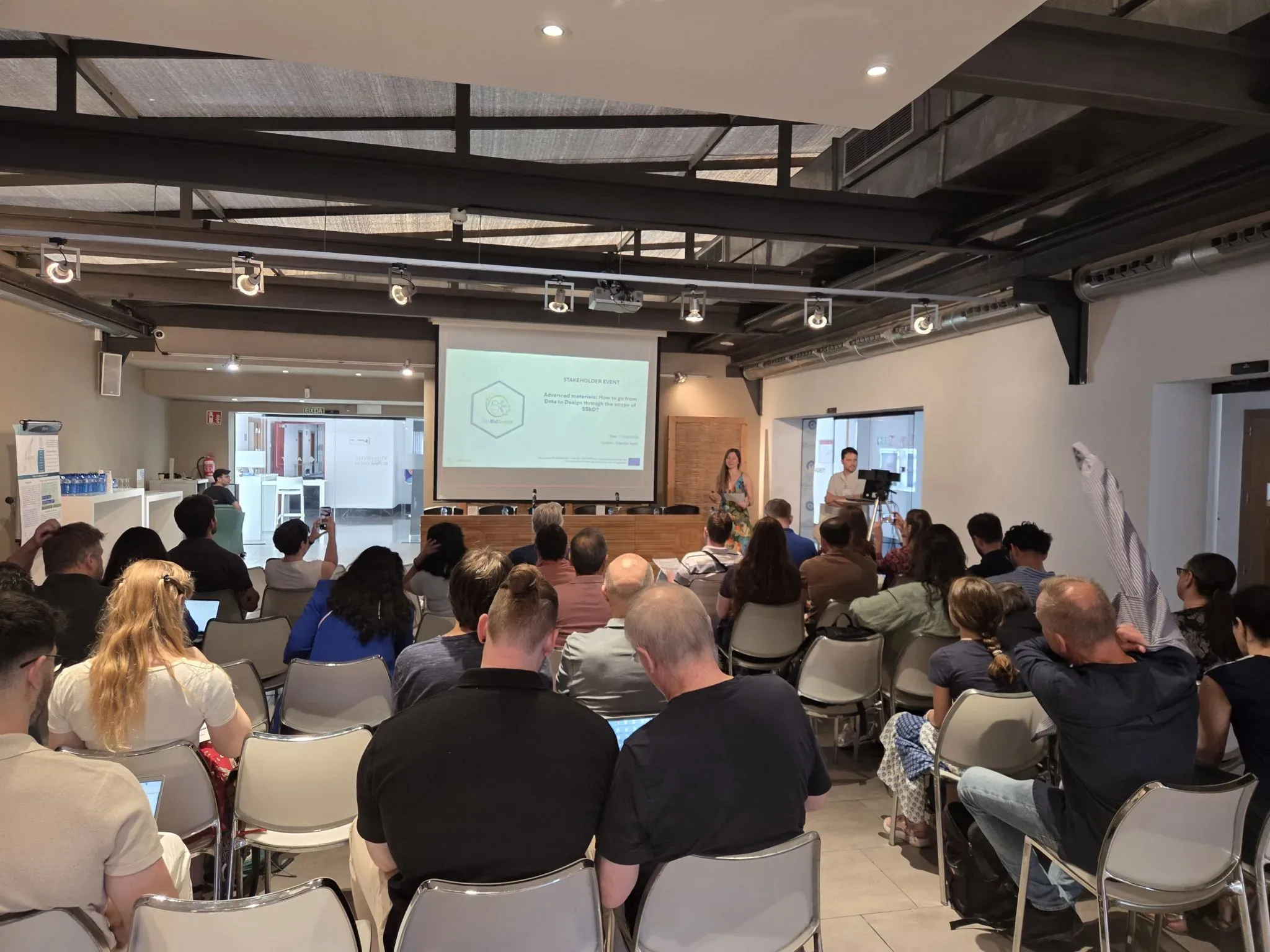
Some impressions of the workshop:
C4Rinitiative
News
May 8, 2025

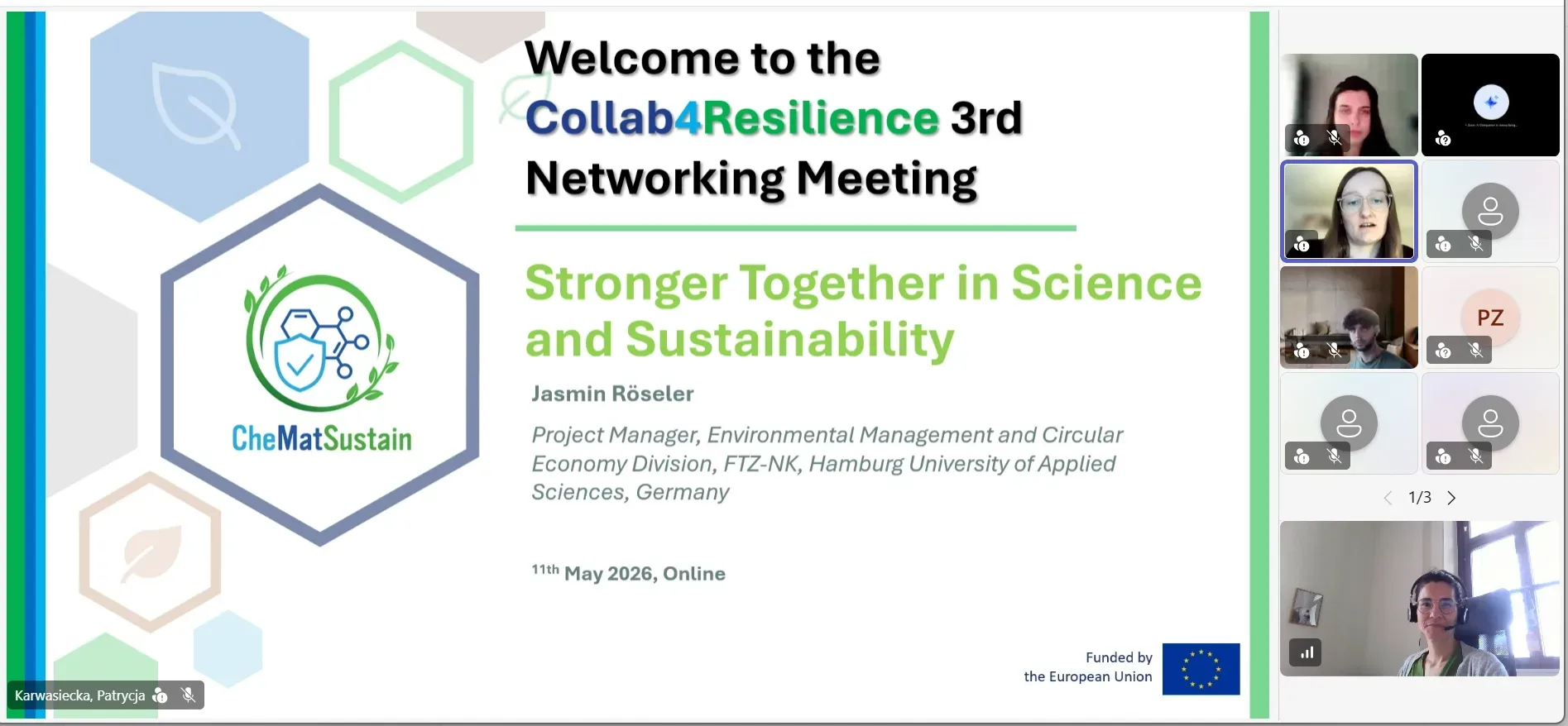
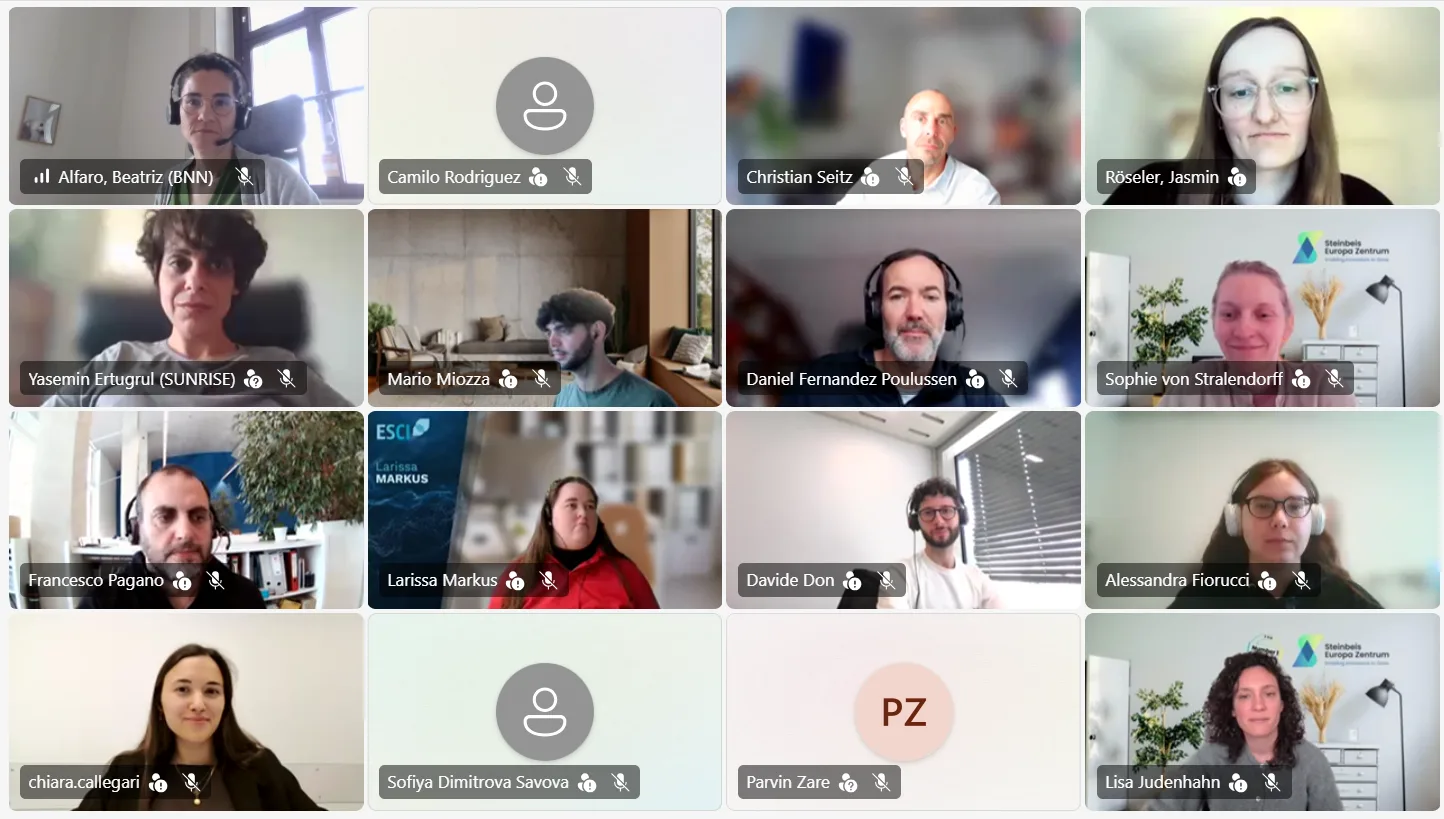
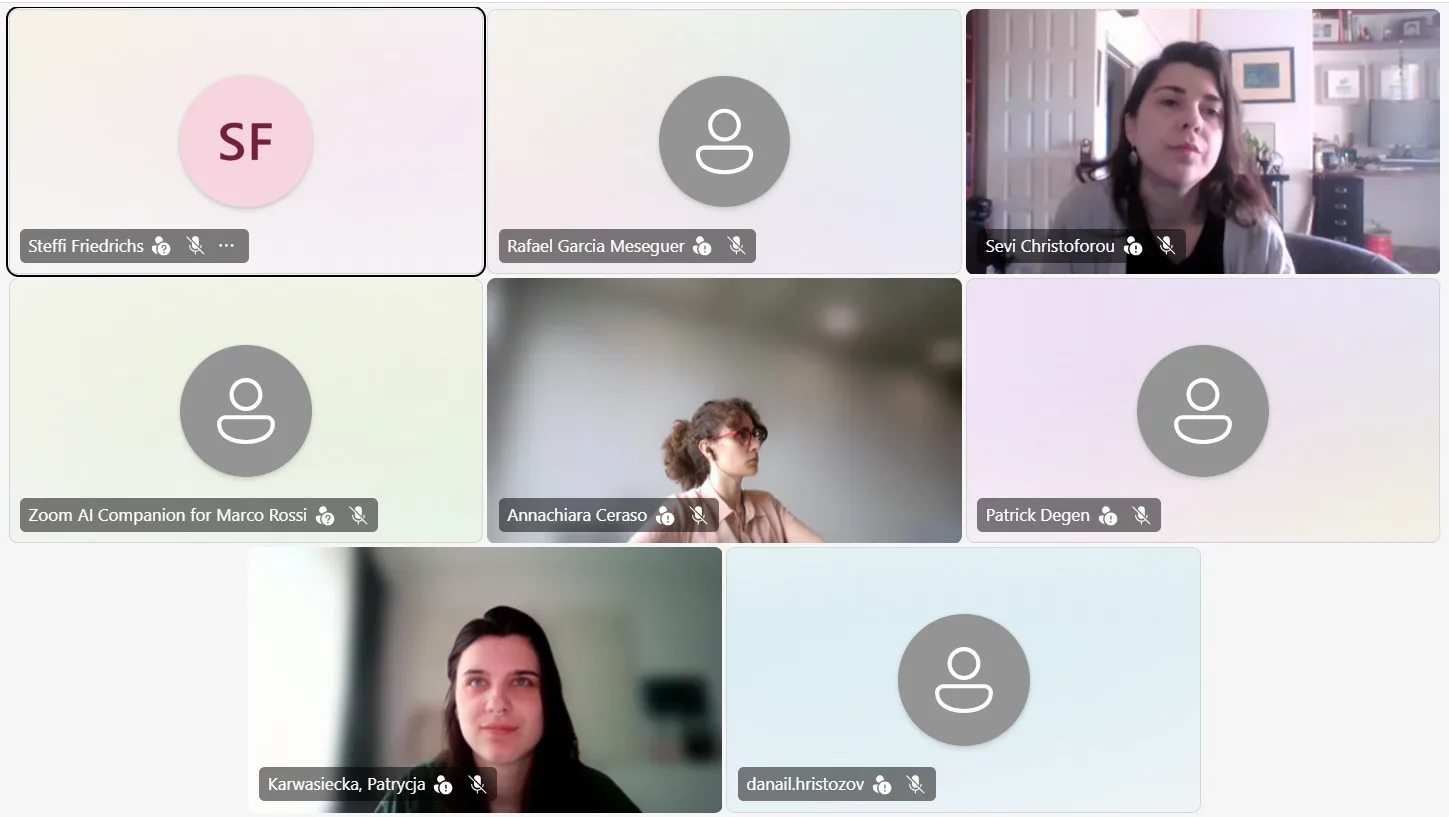
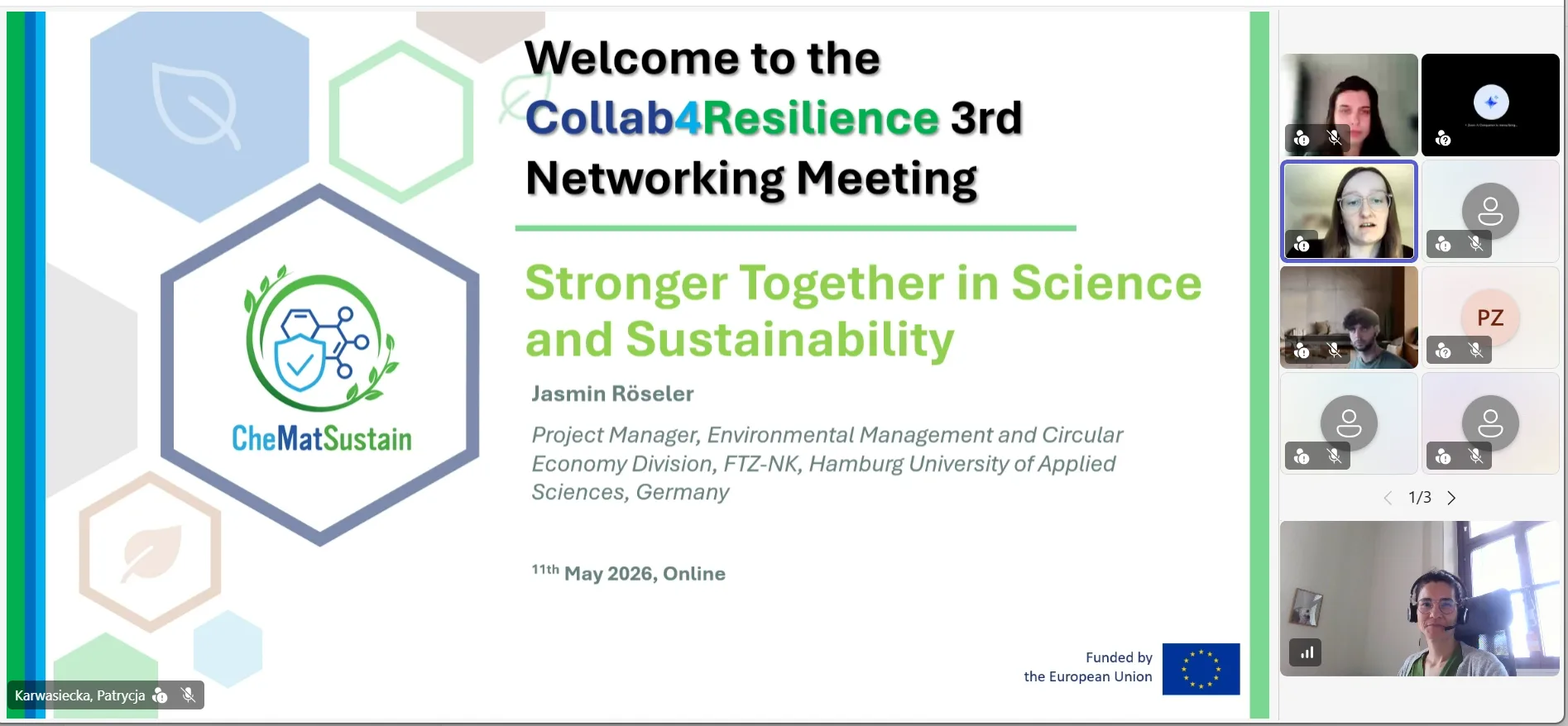
Kicking off the Collab4Resilience (C4R) initiative

Early April 2025, on 08.04.2025, kicked off the new Collab4Resilience (C4R) iniciative, as a joining effort of the EU-funded projects in advanced materials and nanoscience.

Contact

Plasticizers, fLame–retardants and surfactANts: new alternatives validating the safE and susTainable by deSign approach 

  • info@project-planets.eu

Helpful links

Downloads
Legal Notice
Privacy Policy
EN_FundedbytheEU_RGB_WHITE Outline

This project received funding from the European Union’s Horizon Europe research and innovation programme under grant agreement n° 101177608. Views and opinions expressed are however those of the author(s) only and do not necessarily reflect those of the European Union. Neither the European Union nor the granting authority can be held responsible for them.


PLANETS is a member of NSC.

back to top