logotype
  • Project
    • About PLANETS
    • Objectives
  • Applications
    • Surfactants
    • Flame retardants
    • Plasticizers
  • Partners
  • Collaborations
  • Resources
  • News
  • Contact
Linkedin
logotype
  • Project
    • About PLANETS
    • Objectives
  • Applications
    • Surfactants
    • Flame retardants
    • Plasticizers
  • Partners
  • Collaborations
  • Resources
  • News
  • Contact
Linkedin
  • Project
    • About PLANETS
    • Objectives
  • Applications
    • Surfactants
    • Flame retardants
    • Plasticizers
  • Partners
  • Collaborations
  • Resources
  • News
  • Contact
logotype
  • Project
    • About PLANETS
    • Objectives
  • Applications
    • Surfactants
    • Flame retardants
    • Plasticizers
  • Partners
  • Collaborations
  • Resources
  • News
  • Contact

Surfactants

HomeApplicationsSurfactants

The science of making opposites get along.

Understanding Surfactants


Why Surfactants?

Surfactants keep things together that would normally separate—like oil and water. They are the connecting substance that makes mixing possible.
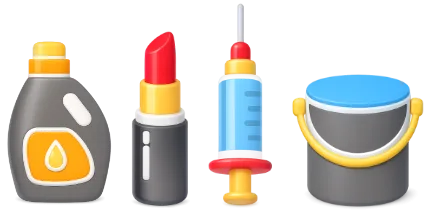
Where Are They Used?

Surfactants are all around us: in household cleaners, personal care products (cosmetics), injectable drugs, and paints, raising potential health and environmental concerns.
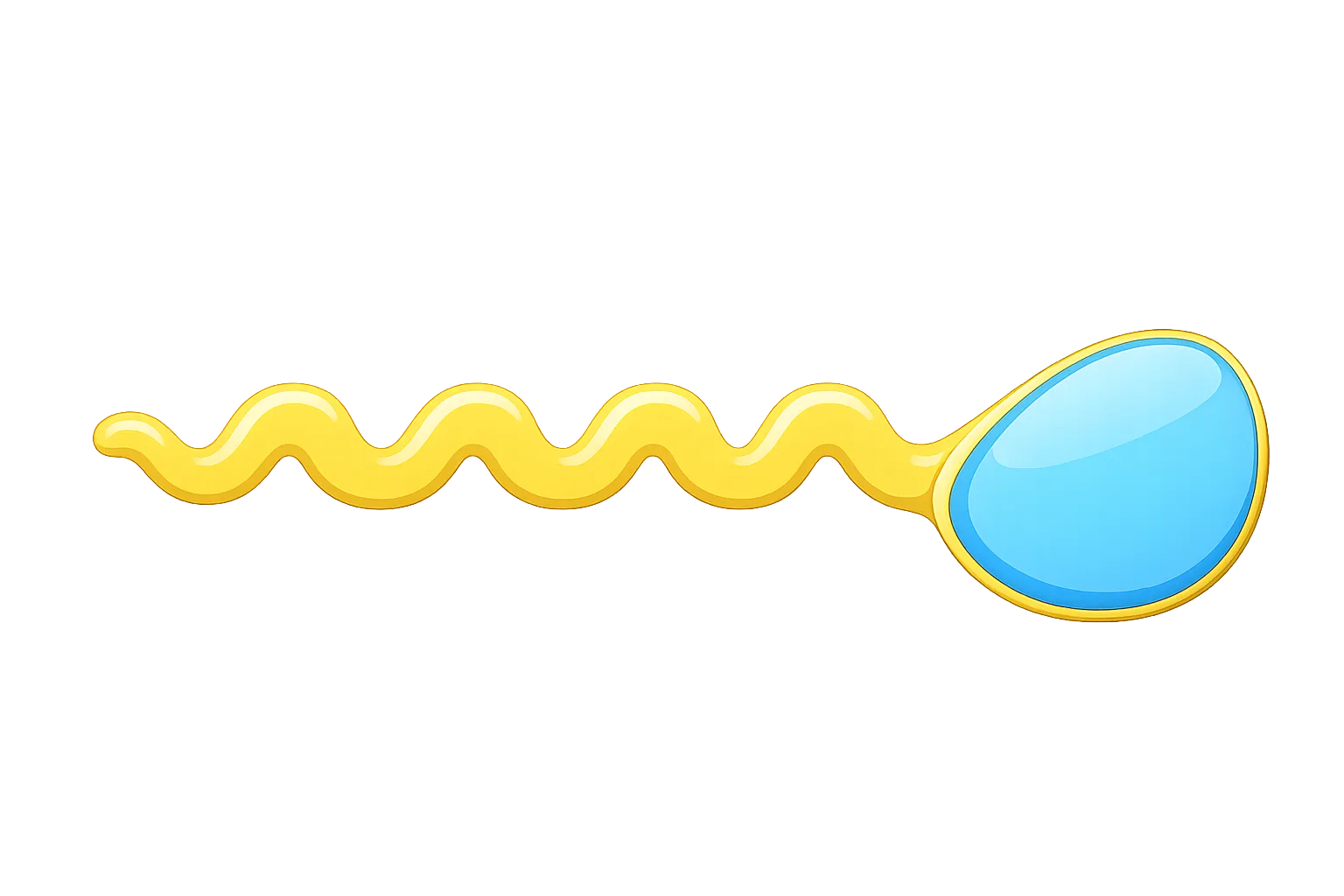
How Do They Work?

They make homogeneous mixtures possible.

Surfactant

Normally, oil and water do not mix well. They form separate phases, with the oil droplets not able to enter the water-based liquid.
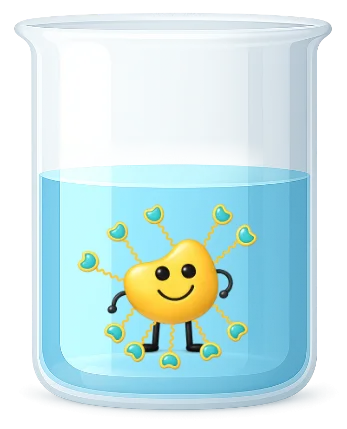
Surfactants have a polar end that binds to water and a nonpolar end that binds to oil.
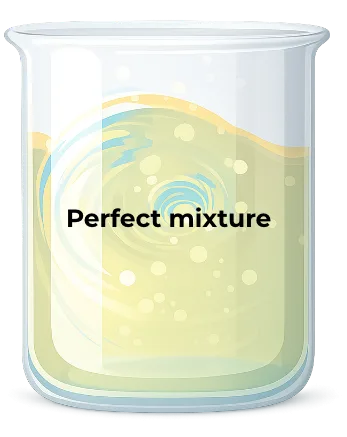
step 3 to make homogeneous mixtures possible.Perfect mixture

Adding surfactant will allow for a homogeneous liquid. It works like adding mustard to your salad dressing producing a perfect mixture!
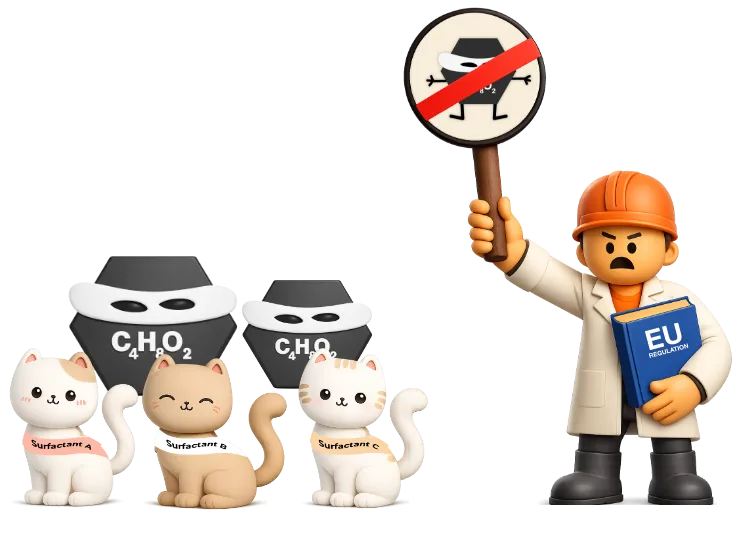
What’s the Problem?

During the manufacture of ethoxylated (polyethylene oxide-based) surfactants, trace amounts of 1,4-dioxane may be formed as an unintended by-product, which may pose potential health concerns.

Although the EU regulates the intentional use of 1,4-dioxane and requires safety assessment of unavoidable traces, we aim to eliminate even trace amounts from our products.
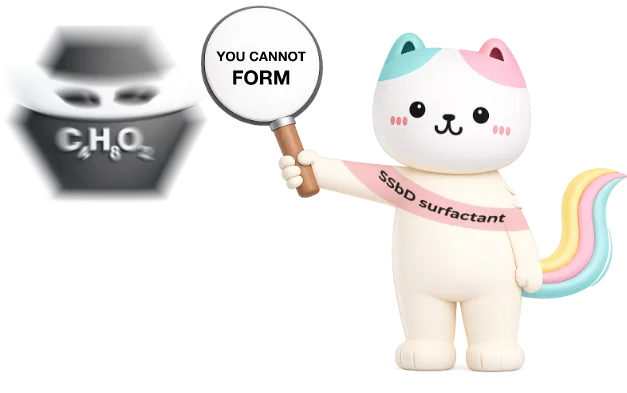
The PLANETS Solution

PLANETS develops new surfactants using SSbD (Safe and Sustainable by Design). These surfactants are glycerol-based formulations that cannot form dioxane and are safe by design.

All applications

Contact

Plasticizers, fLame–retardants and surfactANts: new alternatives validating the safE and susTainable by deSign approach 

  • info@project-planets.eu

Helpful links

Downloads
Legal Notice
Privacy Policy
EN_FundedbytheEU_RGB_WHITE Outline

This project received funding from the European Union’s Horizon Europe research and innovation programme under grant agreement n° 101177608. Views and opinions expressed are however those of the author(s) only and do not necessarily reflect those of the European Union. Neither the European Union nor the granting authority can be held responsible for them.


PLANETS is a member of NSC.

back to top